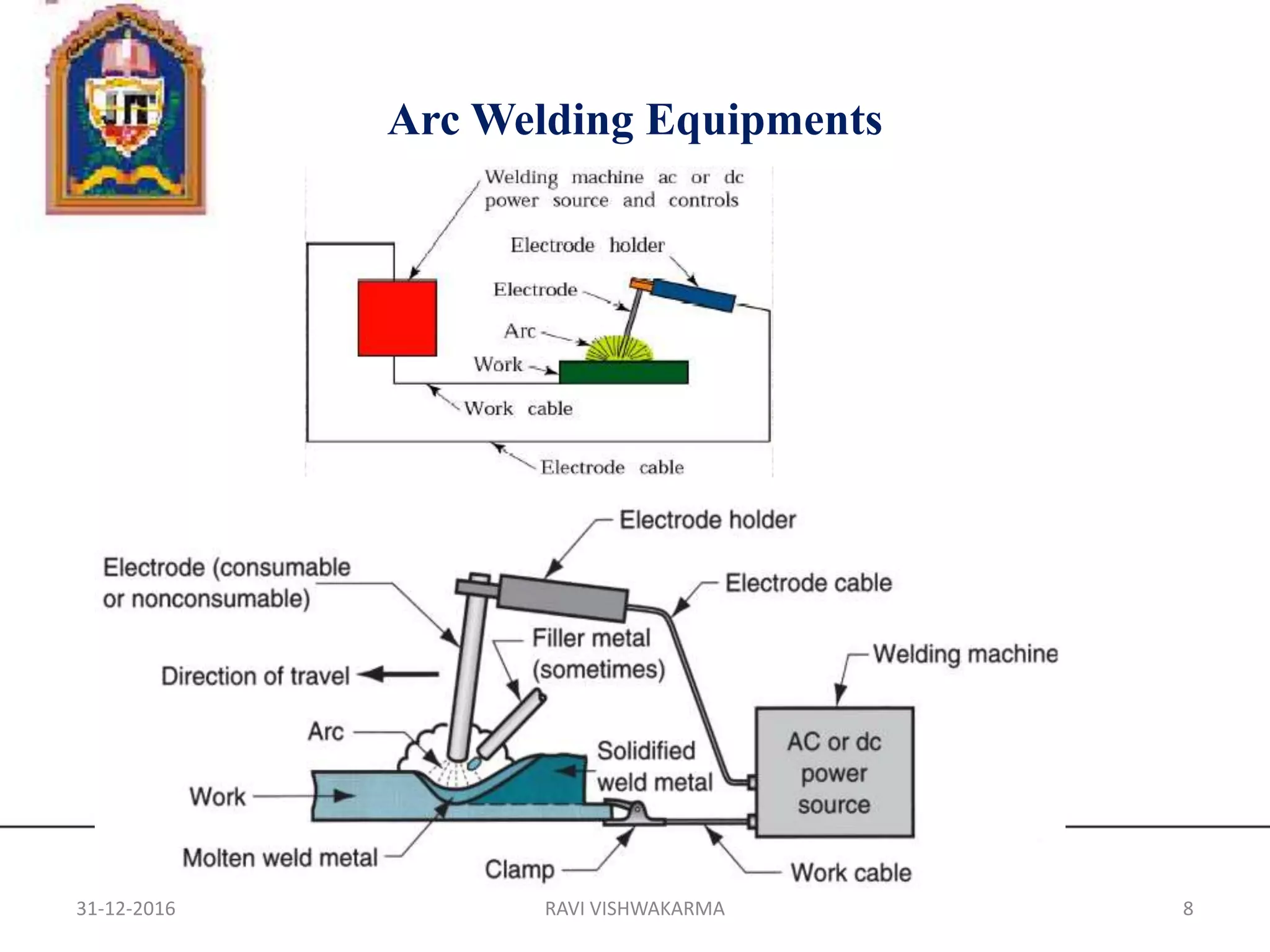
Advance welding supply operations provide critical materials, industrial gases, and heavy-duty machinery required for fabrication, construction, and manufacturing. Choosing the right distributor ensures structural integrity, regulatory compliance, and cost-effective project execution for both independent fabricators and large industrial enterprises.
Understanding the Role of an Advance Welding Supply Provider
In modern manufacturing, construction, and aerospace industries, the quality of a weld depends as much on the consistency of the consumables and shielding gases as it does on the skill of the operator. Advance welding supply distributors act as the critical link between raw metal producers, gas manufacturers, and end-users. These suppliers do more than simply stock metal inert gas (MIG) wire and tungsten electrodes; they provide technical guidance on alloy selection, gas mixture optimization, and safety compliance.
When evaluating a supplier, professionals look for a comprehensive inventory that bridges traditional processes—such as shielded metal arc welding (SMAW)—with advanced automated systems, robotic welding cells, and laser welding technologies. A reliable supplier maintains rigorous inventory controls to ensure that filler metals are free of moisture contamination and that shielding gases meet high-purity standards. Understanding how these distributors operate helps procurement managers and welding supervisors minimize downtime, reduce defect rates, and maintain adherence to structural codes set by bodies like the American Welding Society (AWS) and the American Society of Mechanical Engineers (ASME).
Core Product Categories in Modern Welding Supply
A fully stocked welding supply distributor organizes its inventory around several core pillars. Each category serves a distinct purpose in the joining and cutting of metals, requiring specific storage, handling, and safety protocols.
Shielding and Industrial Gases
Industrial gases are fundamental to arc stability, weld pool protection, and metallurgical control. Suppliers typically manage compressed gas cylinders, liquid cylinders, and bulk storage systems for various applications:
- Argon (Ar): Used extensively as a shielding gas for Gas Tungsten Arc Welding (GTAW / TIG) and Gas Metal Arc Welding (GMAW / MIG) of non-ferrous metals like aluminum and titanium.
- Carbon Dioxide (CO2): Frequently utilized as an economical active shielding gas for carbon steel MIG welding, often blended with argon to reduce spatter.
- Oxygen (O2): Combined with acetylene, propane, or propylene for oxy-fuel cutting, brazing, and heavy heating applications.
- Nitrogen (N2) and Helium (He): Utilized for purging pipelines, plasma cutting, or specialized gas mixtures to increase heat input in deep penetration welds.
Consumables and Filler Metals
Consumables are consumed or transformed during the welding process. Selecting the correct classification under AWS specifications prevents structural failures:
- Electrodes and Wire: Including flux-cored arc welding (FCAW) wires, solid MIG wires, stick electrodes (e.g., E7018), and TIG rods (e.g., ER70S-6).
- Tungsten Electrodes: Ranging from pure tungsten to lanthanated, ceriated, and thoriated variants designed for high-frequency TIG arc initiation and current-carrying capacity.
- Fluxes and Anti-Spatter Sprays: Chemical aids that prevent oxidation and reduce post-weld cleanup time.
Equipment, Machinery, and Personal Protective Equipment (PPE)
Beyond consumables, advance welding supply distributors provide capital equipment that dictates shop efficiency and operator safety.
| Equipment Category | Primary Purpose | Key Considerations |
|---|---|---|
| Multi-Process Welders | Supporting MIG, TIG, Stick, and Gouging in a single unit. | Duty cycle, inverter technology, input voltage requirements. |
| Plasma Cutters | Precision cutting of conductive metals up to several inches thick. | Clean dry air supply, cutting speed, consumable lifespan. |
| Auto-Darkening Helmets | Protecting eyes and face from UV/IR radiation and arc flash. | Optical clarity rating (1/1/1/1), reaction speed, shade range. |
| Fume Extraction Systems | Removing hazardous hexavalent chromium and manganese fumes. | CFM rating, HEPA filtration efficiency, local exhaust positioning. |
Safety Standards, Regulatory Compliance, and Storage
Working with compressed gases and high-voltage electrical equipment introduces significant workplace hazards. Advance welding supply partners help businesses navigate safety regulations enforced by organizations such as the Occupational Safety and Health Administration (OSHA) and the Compressed Gas Association (CGA).
Compressed Gas Safety
Gas cylinders store contents under extreme pressure—often exceeding 2,000 psi. Improper handling can transform a cylinder into an unguided projectile if a valve is sheared off. Essential compliance rules include:
- Storage: Cylinders must be stored upright, chained securely to a wall or heavy-duty cart, and separated by a minimum distance of 20 feet between oxidizers (oxygen) and flammable gases (acetylene, propane), or separated by a 5-hour fire-rated wall.
- Valve Protection: Valve protection caps must remain securely fastened at all times when cylinders are not in use or are being transported.
- Inspection: Regular checks for leaks using soapy water (never an open flame) and monitoring hydrostatic test dates stamped on the cylinder collar.
Personal Safety and Ventilation
Operators require specialized personal protective equipment to guard against intense radiant heat, molten metal spatter, and toxic fumes. Leather welding jackets, heavy split-cowhide gloves, and safety glasses with side shields are mandatory. Furthermore, indoor welding environments require adequate mechanical ventilation or portable source-capture fume extractors to keep airborne contaminants below permissible exposure limits (PELs).
Evaluating and Selecting a Welding Supply Partner
Choosing the right advance welding supply distributor involves assessing several logistical and technical factors. A local storefront with knowledgeable counter staff is invaluable for emergency pickups, but large-scale industrial operations require robust vendor-managed inventory (VMI) systems and bulk gas delivery infrastructure.
Key Criteria for Evaluation
- Technical Expertise: Can the distributor's sales and support staff troubleshoot equipment malfunctions, recommend optimal wire feed speeds, or advise on welding procedure specifications (WPS)?
- Delivery and Logistics: Do they offer reliable fleet delivery for heavy gas cylinder exchanges, and do they maintain adequate local stock of high-turnover consumables?
- Rental and Repair Services: Does the shop provide equipment rentals for short-term project spikes and maintain an authorized service center for warranty repairs on major brands like Miller, Lincoln Electric, and ESAB?
- Pricing and Contract Flexibility: Are pricing tiers transparent, and do they offer competitive supply agreements for high-volume manufacturing facilities?
Common Challenges and Troubleshooting in Welding Supply Logistics
Even with an established supply chain, fabrication shops frequently encounter operational bottlenecks related to materials and equipment. Recognizing these challenges helps prevent costly project delays.
- Shielding Gas Contamination: Moisture or air leaks in hoses, regulators, or cylinder valves can cause porous welds and brittle joints. Using a dew point meter and checking for loose fittings resolves most gas delivery issues.
- Consumable Burnback and Birdnesting: Feeding issues in MIG systems often stem from mismatched contact tip sizes, worn drive rolls, or incorrect tension on the spool holder. Regular maintenance of the liner and drive mechanism ensures smooth wire feeding.
- Supply Chain Disruptions: Global shortages of raw materials, such as specific steel alloys or electronic components for welding inverters, can delay equipment deliveries. Maintaining a buffer stock of high-use consumables mitigates these risks.
Frequently Asked Questions
What is the difference between industrial grade and medical grade gases?
Industrial grade gases are manufactured for welding, cutting, and fabrication where trace amounts of moisture or other gases do not affect structural integrity. Medical grade gases are tightly regulated as drugs by health authorities, requiring sterile handling, dedicated cylinders, and rigorous purity testing for human consumption.
How often must compressed gas cylinders be recertified?
Most steel and aluminum compressed gas cylinders used for welding must undergo hydrostatic testing every 5 to 10 years, depending on the alloy composition, DOT specifications, and the type of gas contained. The test date is stamped directly into the metal near the cylinder neck.
What causes porous welds when using a MIG setup?
Porosity is typically caused by inadequate shielding gas coverage, excessive wind drafts blowing away the gas shield, contaminated base metal (rust, oil, paint), or a leaking gas hose. Ensuring proper flow rates (typically 20 to 35 CFH) and cleaning the metal surface before welding resolves this issue.
Can different shielding gases be mixed on-site?
Mixing shielding gases on-site requires certified gas proportioners and accurate flow meters. Attempting to mix gases without proper equipment can result in unstable arcs, excessive spatter, or improper mechanical properties in the finished weldment.
How do I choose the right contact tip size for my MIG gun?
The contact tip bore size must match the diameter of the welding wire being used (e.g., a .035-inch wire requires a .035-inch contact tip). Using an oversized tip causes poor electrical contact and erratic arc performance, while an undersized tip causes wire binding.
Conclusion
Securing a reliable partnership with an advance welding supply distributor is foundational to maintaining productivity, safety, and quality standards in metal fabrication. By understanding the specifications of shielding gases, selecting appropriate consumables, adhering to strict safety protocols, and carefully evaluating distributor capabilities, operations can minimize downtime and achieve consistent, high-integrity welds across all industrial applications.