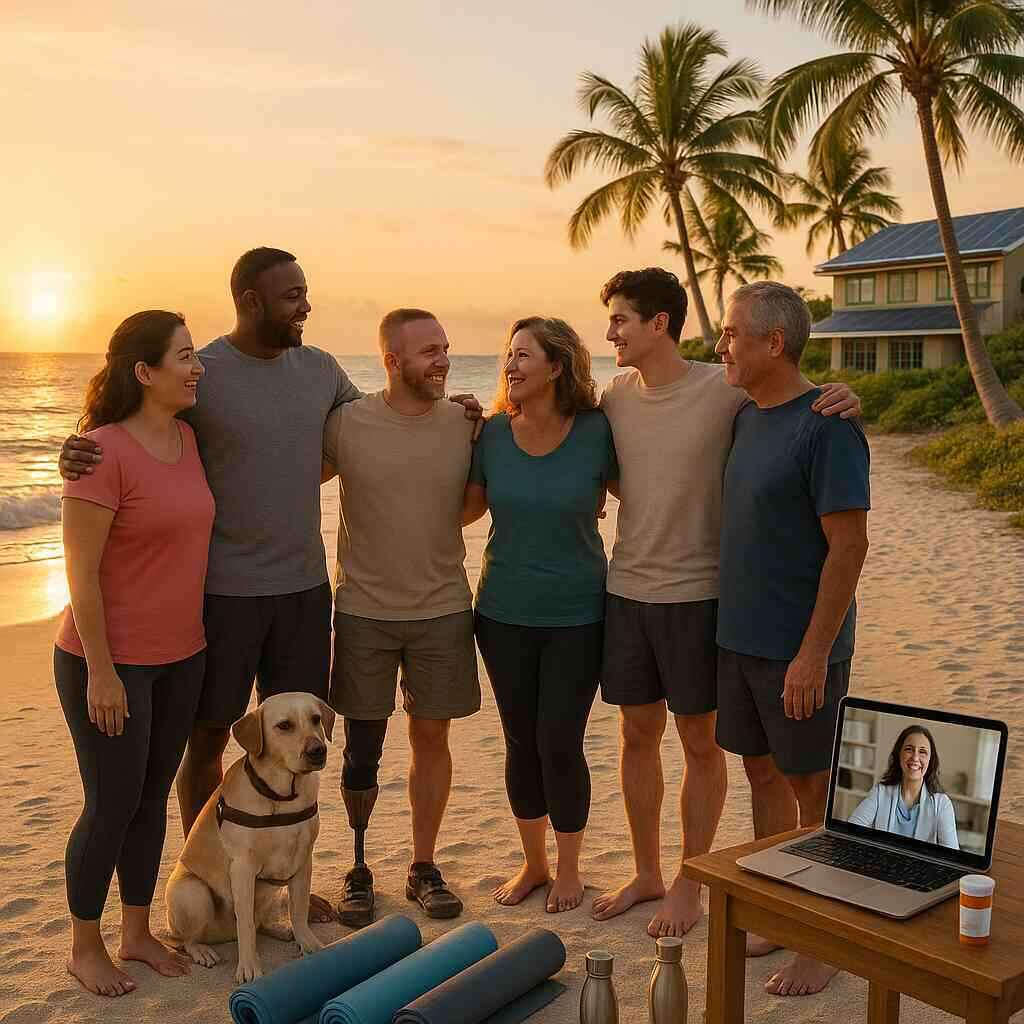
Securing effective addiction recovery in Florida involves identifying accredited treatment facilities, understanding your insurance coverage options, and selecting the right level of care—ranging from medically supervised detoxification to long-term residential programs and outpatient support. By verifying provider credentials through the Florida Department of Children and Families, you can ensure access to evidence-based care tailored to individual clinical needs.
Understanding the Landscape of Addiction Treatment in Florida
Florida serves as a significant hub for substance use disorder (SUD) treatment, offering a vast array of clinical settings. Because the state hosts a high volume of licensed facilities, prospective patients and their families must navigate this market with a focus on clinical quality rather than marketing presence.
Addiction recovery is not a one-size-fits-all process. The American Society of Addiction Medicine (ASAM) defines multiple levels of care, which are widely used by Florida providers to determine the appropriate intensity of treatment. These levels range from Level 0.5 (Early Intervention) to Level 4 (Medically Managed Intensive Inpatient Services). Identifying where you or your loved one falls on this continuum is the critical first step toward recovery.
The Importance of State Licensing and Accreditation
Before committing to any program in Florida, verify the facility’s licensure. The Florida Department of Children and Families (DCF) oversees the licensing of substance abuse service providers. A licensed facility must adhere to strict state regulations regarding staffing, safety, and clinical procedures.
Beyond state licensure, look for national accreditation from recognized bodies such as:
- The Joint Commission (TJC): Provides "Gold Seal" accreditation, indicating a facility meets high standards for patient safety and quality of care.
- CARF International (Commission on Accreditation of Rehabilitation Facilities): Focuses on the person-centered approach and outcomes-based standards.
Identifying Levels of Care
Understanding the terminology used in the Florida recovery sector will help you communicate more effectively with intake coordinators and medical professionals.
Medically Supervised Detoxification
Detox is often the first phase for individuals physically dependent on substances. In Florida, these programs are usually hospital-based or residential. During this stage, medical staff monitor vital signs and manage withdrawal symptoms. This is a safety-critical process; attempting to detox from certain substances, such as alcohol or benzodiazepines, without medical supervision can lead to life-threatening complications.
Residential Treatment (Inpatient)
Residential programs provide 24-hour support in a live-in environment. These programs focus on intensive therapy, including cognitive-behavioral therapy (CBT), dialectical behavior therapy (DBT), and group counseling. Residential stays are beneficial for individuals who require a structured environment to remove themselves from external triggers.
Partial Hospitalization Programs (PHP) and Intensive Outpatient (IOP)
These programs allow for flexibility. A PHP typically requires five to seven hours of treatment daily, while an IOP requires three to five hours. Both allow the patient to return home or to a sober-living facility in the evenings. This is often the secondary phase after residential treatment, designed to bridge the gap between intensive care and independent living.
Financial Considerations and Insurance Coverage
The cost of addiction recovery in Florida varies significantly based on the level of care, duration of stay, and the amenities offered. While luxury facilities may have high price points, quality evidence-based care is accessible through various financial channels.
Utilizing Health Insurance
Under the Mental Health Parity and Addiction Equity Act, most health insurance plans are required to provide coverage for substance use disorder treatment that is comparable to the coverage for medical and surgical services. However, this does not mean all costs are covered. You must verify if a facility is "in-network."
Steps to verify coverage:
- Call your insurance provider: Ask specifically for a summary of benefits related to "Substance Abuse Treatment" or "Residential/Outpatient Rehabilitation."
- Request a pre-authorization: Many insurance companies require a clinical assessment to approve a stay in a residential facility.
- Check for deductibles and copays: Understand your out-of-pocket responsibility before intake.
Publicly Funded and Low-Cost Options
For those without private insurance, Florida offers publicly funded treatment services. These are managed through Managing Entities—regional organizations that oversee state and federal grant funding for addiction services. You can locate these programs by visiting the Florida Department of Children and Families website and searching for the provider map by county.
Comparison of Treatment Settings
| Feature | Residential Inpatient | Partial Hospitalization (PHP) | Intensive Outpatient (IOP) |
|---|---|---|---|
| Living Arrangement | On-site (24/7) | Off-site / Home | Off-site / Home |
| Weekly Commitment | 24 hours (Structured) | 25–30 hours | 9–15 hours |
| Primary Focus | Stabilization & Safety | Clinical Intervention | Maintenance & Reintegration |
| Duration | 30–90 days (Typical) | 2–6 weeks | 3–6 months |
Legal and Ethical Safeguards for Patients
When searching for recovery programs in Florida, be aware of the "Patient Brokering Act" (Florida Statute 817.505). This law prohibits the practice of paying or receiving kickbacks for the referral of patients to substance abuse treatment facilities.
To ensure you are choosing a legitimate provider:
- Avoid "Patient Recruiters": Legitimate facilities will not send third-party recruiters or "body brokers" to offer incentives for enrollment.
- Verify Reviews Carefully: Be wary of online review platforms that may be populated by affiliate marketers. Rely on official government databases, personal referrals from medical professionals, or peer-support networks.
- Transparency: A reputable facility should provide a clear, written breakdown of all costs and a detailed list of what is included in the program before you sign an intake agreement.
Preparing for Intake: Essential Steps
If you have decided to seek treatment, preparation can improve your chances of a successful transition.
- Clinical Assessment: Most facilities require a clinical interview to determine the severity of the addiction and any co-occurring mental health disorders (dual diagnosis). Be honest about the history of substance use and any underlying health conditions.
- Medical Clearance: Ensure your medical records are updated. If you are on prescription medications for other conditions, bring the documentation so the facility’s medical director can coordinate your care.
- Legal and Employment Logistics: If you need to take leave from work, familiarize yourself with the Family and Medical Leave Act (FMLA), which may provide job protection for those seeking treatment.
Common Questions Regarding Recovery in Florida
How long does treatment usually take in Florida?
Treatment duration varies based on the individual's needs. A standard residential stay is often 30 days, but clinical outcomes are generally improved with longer stays of 60 to 90 days. Outpatient programs can last several months to support long-term recovery.
What is dual diagnosis treatment?
Dual diagnosis refers to the treatment of a substance use disorder alongside a co-occurring mental health condition, such as depression, anxiety, or bipolar disorder. It is critical to choose a facility that is equipped to treat both concurrently to prevent relapse caused by untreated mental health symptoms.
Does Florida offer state-funded detox centers?
Yes, Florida provides funding for detox and treatment for individuals who are uninsured or have limited financial resources. These programs are accessed through the Florida Managing Entities, which divide the state into regions to provide care for those who qualify based on income and need.
How do I know if a facility is safe?
Check the facility's status on the Florida Department of Children and Families Substance Abuse and Mental Health (SAMH) website. Additionally, verify their accreditation status through the Joint Commission or CARF, and read their most recent survey reports if available.
What is the difference between "sober living" and "rehab"?
Rehab (rehabilitation) is a clinical program led by doctors, nurses, and therapists focused on treating the addiction. Sober living, or transitional housing, provides a substance-free environment for people to live in after or during outpatient treatment, offering peer support without the intensive clinical schedule of a rehab program.
Next Steps for Those Seeking Help
If you or someone you know requires help, start by contacting your primary care physician to request a referral or by visiting the official Florida Department of Children and Families "Find a Facility" tool.
If you are in an immediate medical crisis, do not wait for an appointment; call 911 or go to the nearest emergency department. For substance-related support, you can also dial 211 in many Florida counties to be connected with local health and human services, including addiction resources and crisis intervention teams.