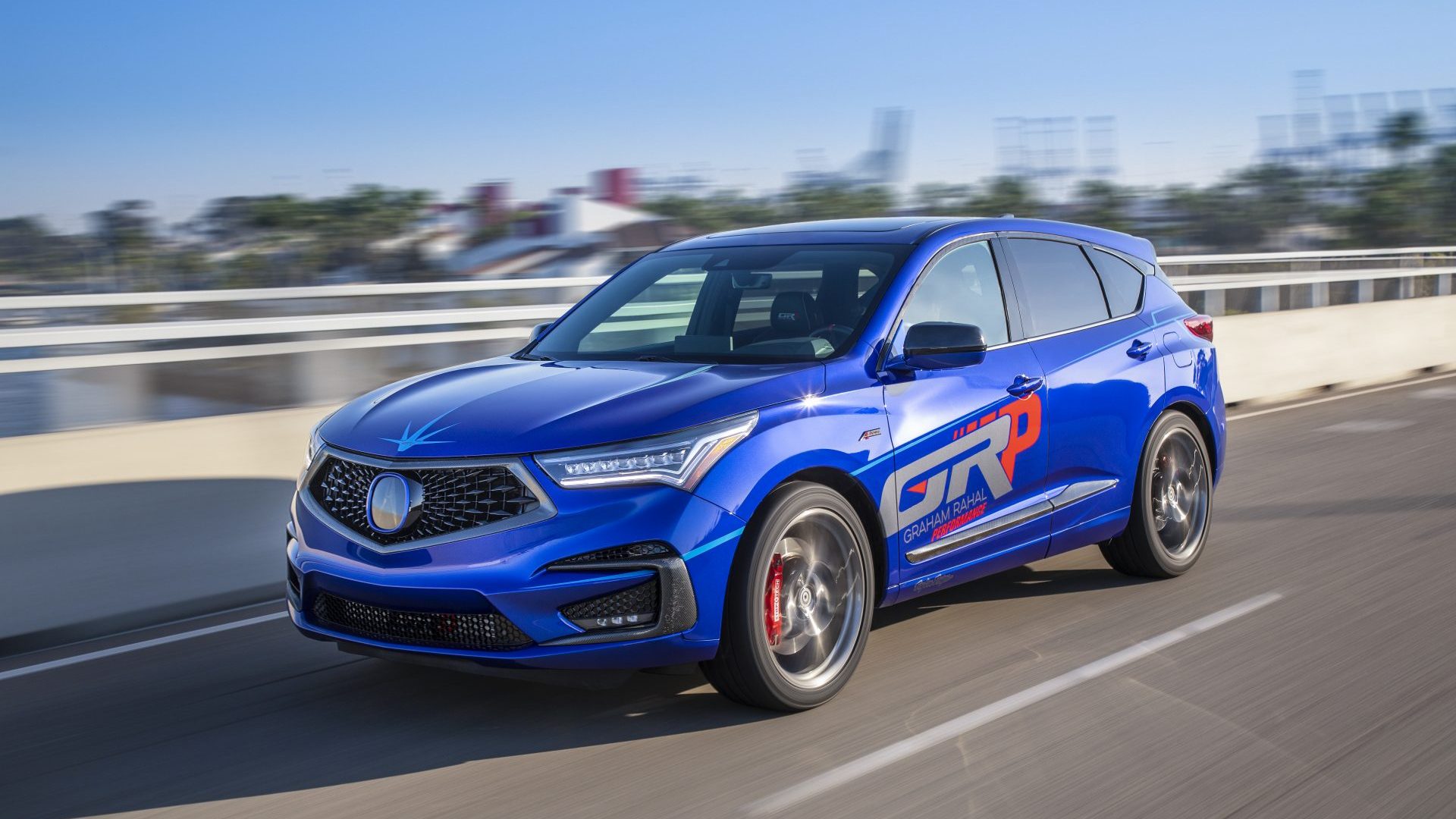
The current Acura RDX is equipped with a 2.0-liter 16-valve DOHC VTEC® turbocharged four-cylinder engine that produces 272 horsepower at 6,500 rpm and 280 lb-ft of torque between 1,600 and 4,500 rpm. This powertrain, paired with a 10-speed automatic transmission, serves as the standard performance benchmark for all trim levels in the 2026 lineup.
Understanding the horsepower of the Acura RDX requires more than just looking at a single number on a spec sheet. As a premium compact crossover, the RDX has undergone significant mechanical evolutions since its debut. To truly appreciate how those 272 horses translate to the pavement, we must examine the engineering behind the VTEC turbo system, the historical shifts in engine displacement, and how the drivetrain impacts power delivery.
The Engineering Behind the 2.0L VTEC Turbocharger
The heart of the 2026 Acura RDX is the K20C4 engine. This power plant is a masterclass in balancing efficiency with high-output performance. Unlike traditional naturally aspirated engines that rely on displacement to generate power, the RDX utilizes a mono-scroll turbocharger to force more air into the combustion chamber.
VTEC and Variable Timing
Acura’s proprietary VTEC (Variable Valve Timing and Lift Electronic Control) system remains a cornerstone of the RDX's power profile. In the current 2.0L turbo configuration, VTEC is applied to the exhaust valves. This allows the engine to clear exhaust gases more efficiently at high RPMs, which in turn helps the turbocharger spool faster and maintain boost pressure. By varying the timing and lift, the engine provides a "best of both worlds" scenario: smooth idling and fuel efficiency at low speeds, with a significant surge of power as you approach the 6,500 rpm horsepower peak.
Torque Density and the Power Band
While horsepower gets the headlines, the 280 lb-ft of torque is what defines the RDX driving experience. The turbocharger is tuned to provide maximum torque starting as low as 1,600 rpm. This "flat torque curve" means that the vehicle feels responsive and "punchy" during city driving and highway merging. You do not have to wait for the engine to rev high to feel the acceleration; the power is accessible almost immediately upon pressing the accelerator.
Historical Evolution of Acura RDX Horsepower
To understand where the RDX stands today, it is helpful to look at the three distinct phases of its powertrain history. Acura has experimented with different engine philosophies, moving from high-strung turbos to smooth V6s, and back to high-tech turbos.
- First Generation (2007–2012): The original RDX was a pioneer in the segment, featuring a 2.3-liter turbocharged four-cylinder engine. It produced 240 horsepower and 260 lb-ft of torque. While advanced for its time, the early turbo technology suffered from "turbo lag" and relatively high fuel consumption compared to modern units.
- Second Generation (2013–2018): In a shift toward luxury smoothness, Acura replaced the turbo with a 3.5-liter naturally aspirated V6. This engine produced 273 to 279 horsepower (depending on the year). While the horsepower was higher on paper, the torque was lower (252 lb-ft) and arrived much later in the rev range. This made the RDX feel more like a traditional luxury cruiser rather than a sporty crossover.
- Third Generation to Present (2019–2026): Acura returned to the turbocharged four-cylinder format, but with vastly improved technology. The move to the 2.0L displacement actually provided more usable torque (280 lb-ft) than the previous V6, while maintaining a competitive 272 horsepower rating.
Comparative Performance: Acura RDX vs. Segment Rivals
In the 2026 luxury landscape, the RDX finds itself in a highly competitive bracket. Its horsepower output is strategically positioned to compete with the base engines of European and domestic rivals.
| Feature | Acura RDX (2.0T) | BMW X3 (sDrive30i) | Audi Q5 (45 TFSI) | Lexus NX 350 |
|---|---|---|---|---|
| Horsepower | 272 hp | 255 hp | 261 hp | 275 hp |
| Torque | 280 lb-ft | 295 lb-ft | 273 lb-ft | 317 lb-ft |
| Engine Type | 2.0L Turbo I4 | 2.0L Turbo I4 | 2.0L Turbo I4 | 2.4L Turbo I4 |
| Transmission | 10-Speed Auto | 8-Speed Auto | 7-Speed DCT | 8-Speed Auto |
| Fuel Req. | Premium Recommended | Premium Required | Premium Required | Premium Required |
As the table illustrates, the RDX holds a slight horsepower advantage over the base BMW X3 and Audi Q5, though it trails the Lexus NX 350 in pure torque. However, the RDX’s 10-speed automatic transmission often allows it to stay within its optimal power band more effectively than rivals with fewer gears.
The Role of Super Handling All-Wheel Drive (SH-AWD)
Horsepower is only useful if it can be effectively transferred to the road surface. Most RDX models come equipped with Acura's Super Handling All-Wheel Drive (SH-AWD). This system is a "torque-vectoring" setup, meaning it doesn't just split power between the front and rear axles; it can actively send up to 70% of the engine's torque to the rear wheels, and then distribute 100% of that rear torque to either the left or right wheel.
When you are accelerating out of a corner, SH-AWD directs more power to the outside rear wheel. This creates a "yaw" effect that helps the car rotate, making the 272 horsepower feel more agile and controlled. Without this system, a front-wheel-drive crossover with this much power would often suffer from torque steer (the steering wheel pulling to one side) or front-tire scrub during aggressive driving.
Real-World Performance and Acceleration
While the technical spec is 272 horsepower, how does that translate to 0-60 mph times? In standard testing conditions, a 2026 Acura RDX typically reaches 60 mph in approximately 6.2 to 6.6 seconds.
Several factors influence this variance:
- Wheel Size: Models like the A-Spec or Advance trims often feature larger 20-inch wheels. While these provide better grip and aesthetic appeal, the increased rotational mass can slightly impact acceleration compared to the lighter 19-inch wheels found on the base trim.
- Drive Modes: The Integrated Dynamics System (IDS) allows drivers to choose between Comfort, Normal, Sport, and Snow modes (plus a customizable Individual mode). In Sport mode, the throttle mapping is more aggressive, and the transmission holds gears longer, making the horsepower feel more immediate.
- Environmental Conditions: Turbocharged engines are sensitive to ambient temperature. Cooler, denser air allows the turbo to work more efficiently, often resulting in slightly better performance than in extreme heat.
Maintenance and Longevity of Horsepower
To ensure the RDX continues to produce its rated 272 horsepower over its lifespan, specific maintenance protocols are required. Because this is a high-compression, turbocharged engine, it is more demanding than the V6 engines of the past.
Premium Fuel Considerations
Acura recommends the use of premium unleaded fuel (91 octane or higher). While the engine's knock sensors allow it to run on regular 87 octane gasoline, doing so will cause the engine control unit (ECU) to retard the ignition timing to prevent engine damage. This results in a noticeable decrease in horsepower and torque. For owners who want the full "spec" horsepower, premium fuel is a necessity.
Turbocharger Health
The turbocharger operates at incredibly high speeds and temperatures. Using high-quality synthetic oil and adhering to the "Maintenance Minder" system for oil changes is critical. Clean oil ensures the turbo bearings stay lubricated and cooled. Furthermore, ensuring the engine air filter is replaced regularly prevents debris from damaging the turbo's compressor wheel and ensures a steady supply of air for combustion.
Modifying and Tuning the RDX Powertrain
For enthusiasts who find 272 horsepower insufficient, the RDX's K20C4 engine has a robust aftermarket following. Because this engine shares a basic architecture with the legendary Civic Type R engine, it is highly receptive to "re-flashing" the ECU.
- Stage 1 Tunes: Simple software updates can often increase boost pressure, resulting in gains of 30-50 horsepower and 40-60 lb-ft of torque without changing physical hardware.
- Intake and Exhaust: Upgrading to a high-flow intake system and a less restrictive exhaust can help the turbo spool faster, though the horsepower gains from these modifications alone are usually modest (5-10 hp).
- Cautions: It is important to note that performance tuning can void powertrain warranties and may increase wear on the 10-speed transmission.
Summary of Practical Horsepower Use
For the average driver, the Acura RDX's horsepower is best characterized by its "passing power." Whether you are overtaking a slow-moving vehicle on a two-lane road or accelerating down a short highway on-ramp, the 272 horsepower provides a level of confidence that smaller, non-turbocharged crossovers lack. It strikes a balance between the fuel efficiency of a four-cylinder and the muscular feel of a larger engine, making it a versatile choice for the 2026 model year.
Frequently Asked Questions
Does the Acura RDX require premium gas to reach 272 horsepower? Yes. To achieve the manufacturer's rated 272 horsepower and 280 lb-ft of torque, Acura recommends using 91 octane premium fuel. While the vehicle can safely operate on 87 octane regular fuel, the engine's computer will adjust performance downward to prevent "knocking," resulting in lower power output and slightly reduced fuel efficiency.
How does the RDX horsepower compare to the Acura MDX? The Acura MDX is a larger, three-row SUV that typically uses a 3.5L V6 producing 290 horsepower. While the MDX has more peak horsepower, the RDX is significantly lighter and has a higher torque-to-weight ratio. Consequently, the RDX often feels faster and more "zippy" in urban environments than its larger sibling.
Has the RDX horsepower changed for the 2026 model year? The 2026 Acura RDX maintains the same 272 horsepower rating established with the launch of the third generation. While there may be minor refinements to the transmission tuning or software for smoother delivery, the mechanical specifications of the 2.0L turbocharged engine remain consistent with previous years of this generation.
Is the RDX engine the same as the Honda Civic Type R? They are closely related. Both use the Honda K20C engine family. However, the Civic Type R uses the K20C1, which features a larger turbocharger and different internal components to produce over 300 horsepower. The RDX uses the K20C4, which is tuned for a broader torque curve and smoother operation suitable for a luxury crossover.
Does the A-Spec trim have more horsepower than the base RDX? No. All 2026 Acura RDX trims—including the Base, Technology, A-Spec, Advance, and A-Spec Advance—use the exact same 2.0L turbocharged engine producing 272 horsepower. The A-Spec trim focuses on aesthetic upgrades, interior styling, and wheel/tire packages rather than mechanical engine enhancements.
Practical Recommendation
If performance is your primary concern, ensure you choose an RDX equipped with SH-AWD and always fill the tank with 91 octane premium gasoline. While the front-wheel-drive version is slightly lighter, the SH-AWD system is what allows the 272 horsepower to be used effectively in corners and inclement weather. For those seeking the most engaging experience, utilizing the Sport mode on the IDS dial will provide the most aggressive throttle response and transmission mapping to make full use of the engine's capabilities.