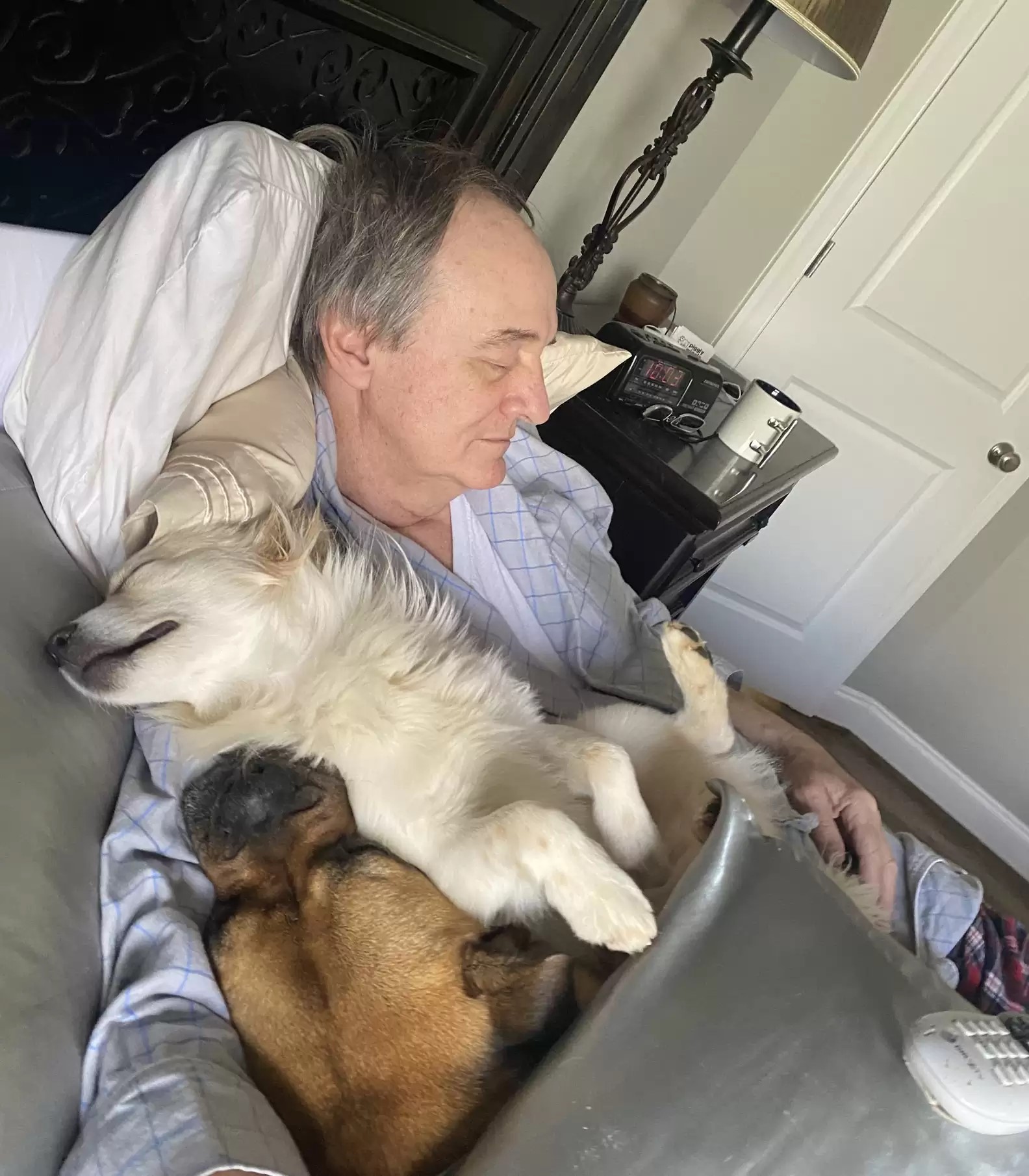
The search term "actor Affleck when he needs a nap" refers to the widely circulated internet meme culture surrounding candid photographs of Academy Award-winning actor and filmmaker Ben Affleck. These images typically depict the actor looking exhausted, disheveled, or visibly frustrated in mundane public settings—often while carrying large iced coffees or fast food—which the internet has collectively identified as the physical embodiment of needing a restorative nap.
The Origin of the "Tired Affleck" Narrative
The public fascination with Ben Affleck’s appearance in candid paparazzi photography is a unique intersection of celebrity culture and internet humor. Unlike traditional red-carpet photos, which are highly curated, staged, and polished, these specific images capture the actor during his private errands, such as picking up packages, visiting family, or grabbing a morning coffee.
The "nap-deprived" aesthetic, as fans have dubbed it, began gaining traction around 2020. During this period, the internet began to view these unvarnished moments as a relatable counterpoint to the performative nature of Hollywood stardom. When an image surfaced showing Affleck with an overwhelming amount of Dunkin' Donuts coffee or a chaotic pile of mail, the collective online response was not one of judgment, but of recognition. It transformed him into a "man of the people," representing the universal experience of struggling to manage the daily grind.
The Psychology Behind Relatability
Why does a photograph of a wealthy, world-famous actor struggling with his keys or looking weary resonate so deeply with the general public? It boils down to a phenomenon known as the "humanization of the celebrity."
- Deconstruction of Perfection: The entertainment industry thrives on the illusion of flawlessness. When a major star like Affleck is caught in a moment that reflects common exhaustion, it breaks the "fourth wall" of celebrity lifestyle.
- Shared Experience: Most working adults have experienced the "need a nap" feeling. Seeing a celebrity who, despite having access to nearly every luxury, still looks like they had a rough night’s sleep, bridges the gap between the viewer and the icon.
- The Aesthetic of Exhaustion: In 2026, the cultural appetite for "authentic" content is at an all-time high. The meme-ification of Affleck provides a template for expressing one’s own feelings of burnout without using words. A single image of an exhausted Affleck effectively communicates a mood that text simply cannot capture.
Analyzing the "Iced Coffee" Connection
A critical component of the "Affleck needs a nap" narrative is his frequent association with iced coffee, specifically from the Dunkin' brand. In pop culture, this beverage has become a shorthand for fuel, survival, and the attempt to regain energy when one is fundamentally sleep-deprived.
When analyzing the imagery, observers often note the sheer volume of items he is carrying. These photos function as a visual metaphor for the "mental load"—a psychological term describing the invisible, often overwhelming, tasks required to maintain a household and a life. The struggle to juggle multiple drinks and bags while appearing visibly fatigued has turned into an unintended masterclass in visual storytelling about the modern human condition.
Comparative Look at Celebrity Candid Photography
To understand why the Affleck photos stand out, it is helpful to look at how different tiers of celebrities are documented.
| Category | Typical Presentation | Fan Reception |
|---|---|---|
| The A-List Elite | Stylized, red-carpet, high-glamour | Admiring, distant, aspirational |
| The Lifestyle Influencer | Staged, filtered, aesthetic | Envied, curated, skeptical |
| The "Relatable" Actor | Candid, unpolished, "off-duty" | Endearing, humorous, empathetic |
The Affleck phenomenon falls squarely into the third category. While other stars might be caught in candid photos, Affleck’s specific expressions—often described as "soul-searching" or "utterly depleted"—provide the perfect canvas for social media users to project their own daily frustrations.
The Impact of Social Media Algorithms
By 2026, the lifecycle of a meme is dictated largely by how easily it can be repurposed. The image of Affleck "needing a nap" is highly versatile. It is used in professional contexts to describe the end of a long work week, in personal contexts to describe the feeling of Monday morning, and in pop culture analysis to highlight the disconnect between fame and reality.
The endurance of these images is also helped by the fact that the actor has, at times, leaned into the humor. By not publicly decrying the images or attempting to scrub the internet of them, he has inadvertently validated the humor, which only serves to make the narrative more permanent.
How to Evaluate "Tiredness" in Public Figures
For those curious about why these specific photos go viral, it is useful to evaluate the technical elements of the images that trigger the "nap" interpretation:
- Posture: Slumped shoulders or a heavy stride often indicate physical lethargy.
- Expression: A neutral or slightly strained facial expression is interpreted as the face of someone who has "checked out" of their environment.
- Contextual Clutter: Items like overstuffed bags, multiple coffee cups, or spilled mail act as visual indicators of a chaotic life, which the brain immediately associates with stress and a resulting need for rest.
Common Misconceptions
There is often a misconception that these photos capture a state of mental health crisis or genuine personal failure. However, professional media analysis suggests that these are simply moments of transit captured in high-density environments. The "nap" label is a humorous projection by the audience, not a medical diagnosis or a commentary on the actor’s actual health status. It is crucial to distinguish between the meme-ified version of the actor and the actual reality of his career and professional output.
FAQ: Addressing the Cultural Trend
1. Is the "Affleck needing a nap" meme considered disrespectful? Generally, the trend is viewed as good-natured, empathetic, and even affectionate. It creates a sense of shared camaraderie regarding the exhaustion of modern life rather than mocking the actor’s personal life.
2. Why is Dunkin' always involved in these photos? The association is largely incidental, based on geographic patterns in the areas where the actor resides and the locations where paparazzi frequently operate. However, it has evolved into a staple prop in the visual narrative of the "everyman" actor.
3. Does the actor ever respond to these images? The actor has occasionally acknowledged the public’s fascination with his private, "tired" demeanor during interviews, generally maintaining a sense of humor about the public’s perception of his off-camera life.
4. Can these photos be used in professional marketing? Using candid paparazzi photography for commercial gain without a license is a major legal issue in 2026. While using them as part of casual social media commentary is common, using them for business or advertising is strictly prohibited by copyright laws governing the work of photographers.
5. What is the takeaway for fans? The main takeaway is the power of the "human moment." Fans are less interested in the untouchable Hollywood glow and more interested in seeing a version of themselves reflected in the lives of the people they watch on screen.
Final Thoughts on the Narrative
The "actor Affleck when he needs a nap" narrative serves as a fascinating study in modern parasocial relationships. It highlights a shift in what audiences value: an escape from the polished, curated perfection that dominated early 21st-century media. As we navigate the complexities of 2026, the image of an exhausted star holding a cup of coffee remains a touchstone for anyone feeling the weight of their own daily responsibilities. It is a reminder that even for the most famous among us, the need for rest is a fundamental, relatable human requirement.