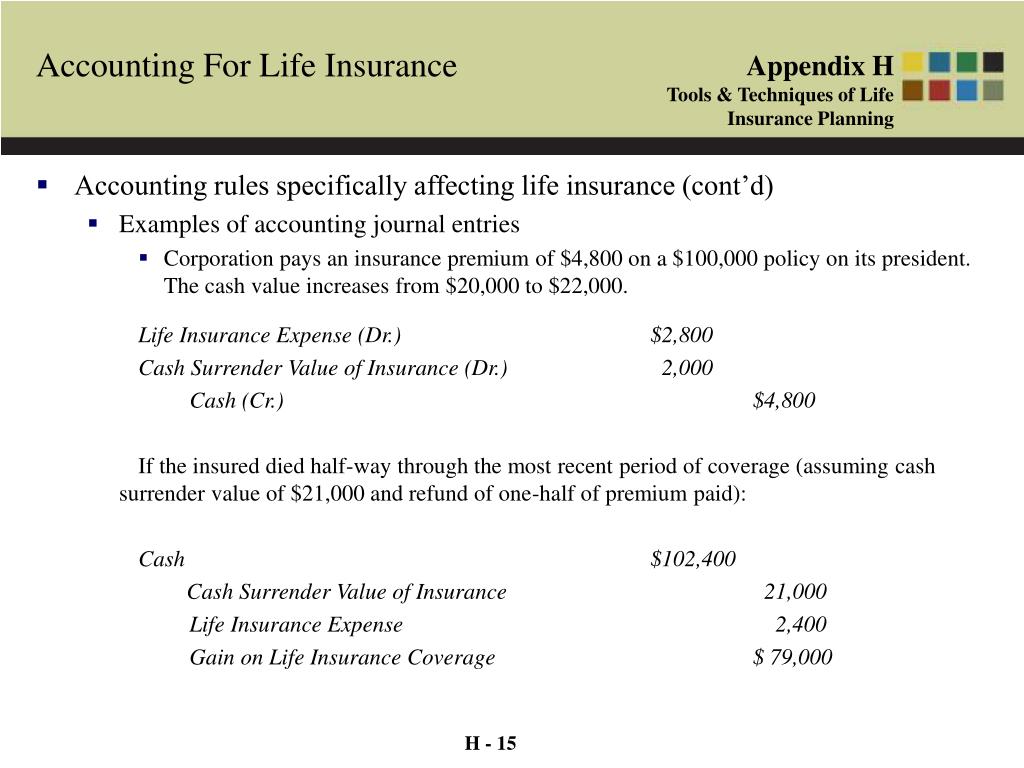
When a life insurance policy is canceled and the face value or cash surrender value is received, accurate financial recordkeeping is essential for businesses and individuals to properly reflect asset derecognition, taxable gains, and cash inflows. This process requires removing the policy’s asset balance from the ledger, recognizing any resulting gain or loss relative to the total premiums paid, and properly categorizing the cash proceeds according to applicable financial reporting frameworks.
Understanding Life Insurance Cancellation and Proceeds
Life insurance policies are financial instruments that can accumulate value over time, depending on whether they are permanent structures—such as whole life or universal life—or temporary term products. When a policy is canceled, surrendered, or matures, the contractual agreement terminates. For permanent policies, termination usually triggers a payout of the cash surrender value, which may differ significantly from the policy's ultimate face value.
The receipt of funds upon cancellation requires a precise accounting treatment to balance the books. Accountants must evaluate the ledger value of the policy against the cash proceeds received. If the payout exceeds the book value, a gain must be recorded. Conversely, if the proceeds are lower than the cumulative book value, a loss is recognized. This transaction directly impacts the balance sheet by removing the cash value asset and replacing it with liquid cash, while simultaneously affecting the income statement if a gain or loss occurs.
Navigating this workflow demands an understanding of the specific type of policy involved, the accounting framework being applied (such as GAAP or IFRS for corporate-owned policies), and the tax implications that govern the net proceeds.
Prerequisites and Accounting Frameworks
Before executing journal entries for life insurance cancellations, accountants and financial managers must establish the governing framework and review the policy ledger. Corporate-Owned Life Insurance (COLI) and individually owned policies follow distinct reporting standards.
Corporate-Owned Life Insurance (COLI) vs. Individual Policies
When a business owns a policy on a key employee, it is classified as COLI. Under United States Generally Accepted Principles (GAAP) or International Financial Reporting Standards (IFRS), COLI policies are recorded on the balance sheet at their cash surrender value. Premiums paid by the company are generally treated as non-deductible expenses, and increases or decreases in the cash surrender value are adjusted periodically through the income statement.
For individual policies, accounting is typically less formalized unless the policy is held within a business entity, a trust, or used as collateral for a loan. However, individuals must still calculate their cost basis—the total premiums paid minus any dividends received or withdrawals made—to determine taxable gains upon cancellation.
Documenting the Policy Ledger
To ensure accurate accounting entries, gather the following documentation before processing the cancellation:
- The original policy contract and riders: To verify terms, face value, and riders that affect cash surrender value.
- The termination or surrender statement: Provided by the insurance carrier, outlining the gross proceeds, administrative fees, policy loan balances, and net payout.
- The general ledger history: A complete record of cumulative premiums paid, previous cash surrender value adjustments, and any outstanding policy loans.
Mechanics of Cash Surrender Value Versus Face Value
A common point of confusion in insurance accounting is the distinction between the face value and the cash surrender value received upon cancellation.
- Face Value: The death benefit stipulated in the contract, payable upon the insured's death. This is rarely received upon voluntary cancellation or surrender during the insured's lifetime.
- Cash Surrender Value (CSV): The amount the insurance company pays to the policyholder when the policy is voluntarily terminated before maturity or death. It equals the cash value minus any surrender charges and outstanding policy loans.
When a policy is canceled, the cash received is almost always the cash surrender value, not the face value. Accountants must ensure that journal entries reflect the actual cash received, rather than the nominal face value printed on the policy declarations page.
Step-by-Step Accounting Treatment and Journal Entries
Recording the cancellation of a life insurance policy requires systematically removing the asset from the balance sheet and recognizing the financial impact.
Step 1: Calculate the Book Value and Cost Basis
The book value of a permanent life insurance policy on a corporate balance sheet is typically its current cash surrender value. The cost basis represents the cumulative premiums paid less any tax-free withdrawals or dividends.
Step 2: Account for Outstanding Policy Loans
If the policyholder took out loans against the policy, the insurance company will deduct the loan principal and accrued interest from the gross cash surrender value. The journal entry must derecognize both the cash surrender value asset and any associated policy loan liability.
Step 3: Record the Journal Entry
Assume a company cancels a whole life policy with a cash surrender value of $50,000, no outstanding loans, and a cumulative premium ledger balance (cost basis) of $42,000. The net cash received is $50,000.
| Date | Account Titles and Explanation | Debit ($) | Credit ($) |
|---|---|---|---|
| MM/DD/YYYY | Cash | 50,000 | |
| Life Insurance Cash Surrender Value | 50,000 | ||
| (To record the receipt of cash surrender value upon policy cancellation) |
If the cash surrender value differs from the carrying value on the books due to final dividend adjustments or terminal fees, a gain or loss on the surrender of life insurance must be recognized on the income statement.
Tax Implications of Life Insurance Surrender
The financial impact of a life insurance cancellation extends beyond bookkeeping entries into tax compliance. The tax treatment depends on whether the cash received exceeds the policy's cost basis.
Calculating the Taxable Gain
The taxable gain is calculated as follows:
$$\text{Taxable Gain} = \text{Net Proceeds Received} - \text{Cost Basis}$$
- Net Proceeds: Gross cash surrender value minus outstanding loans and surrender fees.
- Cost Basis: Total premiums paid minus any tax-free distributions, dividends, or withdrawals previously taken.
If the net proceeds exceed the cost basis, the excess is generally treated as ordinary income and is subject to federal and state income taxes. If the net proceeds are less than the cost basis, the resulting loss is typically non-deductible for individuals and subject to strict corporate limitations.
Common Accounting Mistakes and Troubleshooting
Errors in accounting for life insurance cancellations can distort financial statements and trigger tax discrepancies. Watch out for these frequent pitfalls:
- Confusing Face Value with Cash Proceeds: Crediting or debiting accounts based on the death benefit face value instead of the actual cash surrender value received.
- Failing to Clear Policy Loans: Forgetting to remove outstanding policy loan liabilities from the balance sheet, resulting in an unbalanced ledger.
- Miscalculating the Cost Basis: Omitting historical dividend adjustments or prior withdrawals when calculating the gain or loss on surrender.
- Incorrect Income Statement Classification: Failing to separate operating cash flows from investing or financing cash flows related to insurance settlements under applicable accounting standards.
Frequently Asked Questions
What is the difference between face value and cash surrender value in accounting?
The face value is the predetermined death benefit paid upon the insured's death, whereas the cash surrender value is the accumulated savings component paid out if the policyholder voluntarily cancels the contract during their lifetime. Accounting entries must reflect the cash surrender value received, not the face value.
How do you record a gain when a life insurance policy is canceled?
A gain is recorded when the net cash proceeds received exceed the policy's book value or cost basis. The excess amount is credited to a gain on surrender of life insurance account, which flows into the income statement as other income.
Are proceeds from a canceled life insurance policy taxable?
Proceeds up to the policy's cost basis (total premiums paid minus dividends) are generally received tax-free. Any amount received above the cost basis is considered taxable income and must be reported accordingly.
What happens to outstanding policy loans during cancellation?
When a policy is canceled, the insurer subtracts any outstanding loan balances and accrued interest from the gross cash surrender value. The accountant must eliminate both the cash surrender value asset and the corresponding policy loan liability from the balance sheet.
Can a loss be deducted when a life insurance policy is surrendered?
For individuals, losses incurred on the surrender of a life insurance policy are generally not tax-deductible. For corporations, the deductibility of losses depends on the specific tax jurisdiction and whether the policy was held as an investment or business asset.
Conclusion and Recommended Next Actions
Properly accounting for life insurance cancellation and the receipt of face or surrender value requires a careful review of policy statements, accurate calculation of the cost basis, and precise general ledger entries. Financial managers and individuals should verify all termination figures against carrier statements, clear any associated policy loans, and consult with a certified public accountant or tax professional to ensure accurate reporting of taxable gains before finalizing the accounting treatment.