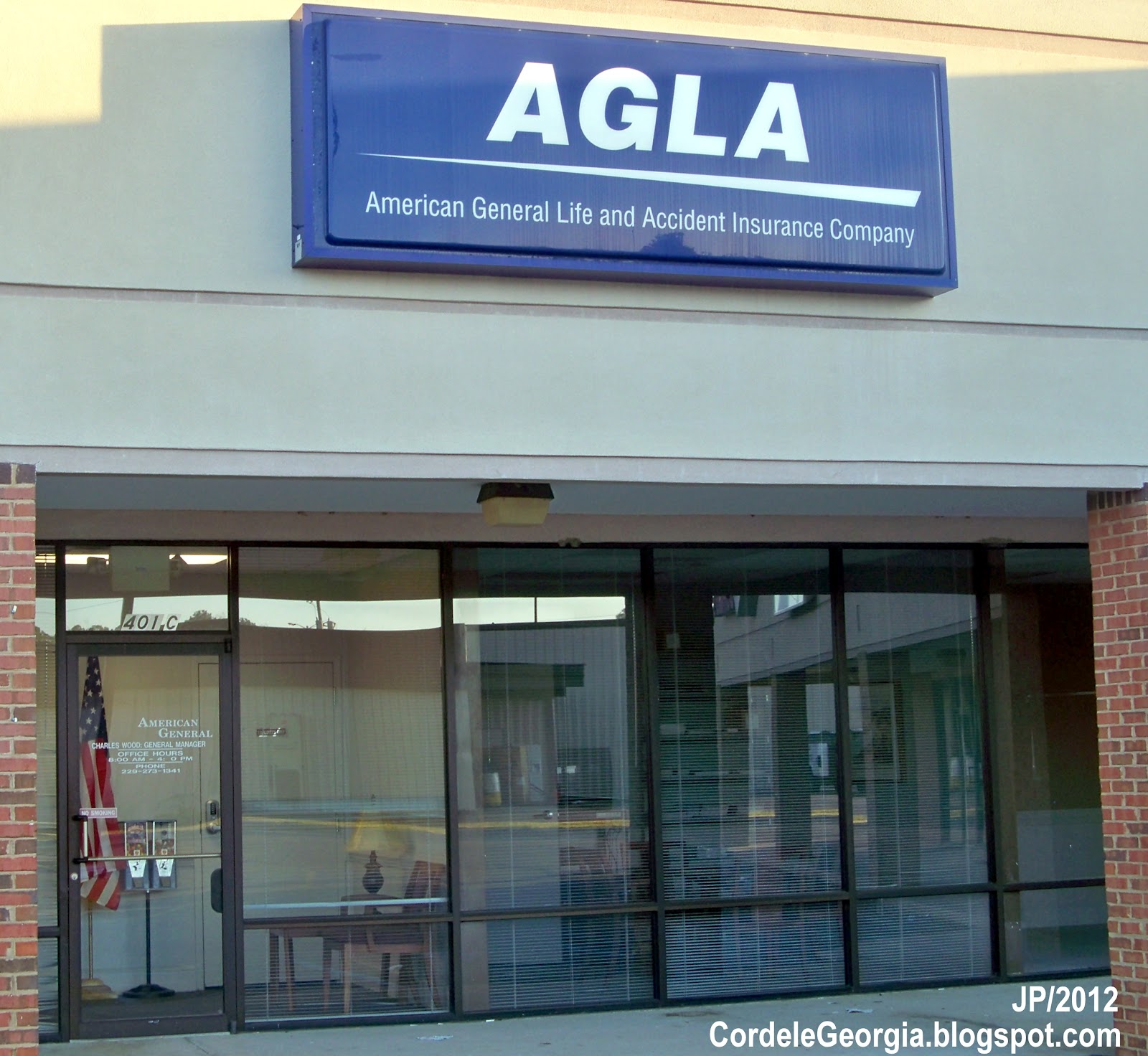
Accident death benefits under American General Life Insurance provide a supplemental payout to beneficiaries if the insured individual dies as a direct result of a covered accident. Often structured as a "rider" attached to a standard term or permanent life insurance policy, this benefit pays an additional sum—sometimes doubling the face value of the policy—provided the death meets specific contractual criteria regarding the cause and timing of the incident.
Accident death benefits (ADB) are a critical component of many financial plans, particularly for those in high-risk occupations or individuals looking for cost-effective ways to increase their total coverage. As of 2026, American General Life Insurance Company, which operates as a core subsidiary of Corebridge Financial, continues to offer these benefits through various policy structures. Understanding the nuances of this coverage requires a deep dive into how the company defines an "accident," the specific exclusions that can void a claim, and the administrative process for securing a payout.
The Relationship Between American General and Corebridge Financial
To understand your accident death benefits, it is first necessary to clarify the corporate landscape. American General Life Insurance Company has a history spanning over a century. However, in recent years, it became a primary brand under the AIG Life & Retirement umbrella, which subsequently rebranded and spun off as Corebridge Financial.
By 2026, while the name "American General" remains on many existing policy documents and is still used as the legal underwriting entity for new contracts in several jurisdictions, the service and digital interface are managed through Corebridge. When you review your accident death benefit, you are looking at a contract issued by American General but serviced by Corebridge. This distinction is vital for policyholders when filing claims or requesting policy updates, as the official correspondence and online portals reflect the Corebridge branding.
What is an Accidental Death Benefit (ADB)?
At its core, an accidental death benefit is a form of supplemental insurance. It is not a replacement for a standard life insurance policy because it only pays out under very specific circumstances. If a policyholder dies of natural causes—such as a heart attack, cancer, or old age—the ADB portion of the policy pays nothing, even if the base life insurance policy pays out in full.
In the context of American General policies, this benefit is frequently referred to as "Double Indemnity." This colloquialism stems from the fact that many ADB riders are set to a value equal to the base policy’s death benefit. For example, if you have a $500,000 Select-a-Term policy with an accidental death rider of $500,000, a qualifying accidental death would result in a total payment of $1,000,000 to your beneficiaries.
Rider vs. Standalone Coverage
American General typically offers accident death benefits in two ways:
- As a Rider: This is an add-on to a base life insurance policy (like term or whole life). It is the most common way to obtain this coverage.
- Accidental Death & Dismemberment (AD&D): In some group or voluntary benefit packages offered through employers, American General may provide standalone AD&D. This not only covers death but also provides "living benefits" for the loss of limbs, sight, or hearing due to an accident.
Qualifying for the Benefit: The Definition of "Accident"
The legal definition of an accident in an American General insurance contract is more restrictive than the everyday use of the word. For a death to qualify for the ADB payout, it must generally be "accidental, external, and violent."
The Direct Cause Requirement
American General policies stipulate that the accident must be the direct and sole cause of death. If a pre-existing medical condition contributed to the death, the claim for the accidental portion may be denied. For example, if an individual has a heart attack while driving and subsequently crashes their car, the insurance company may argue that the "proximate cause" was the heart attack (a natural cause), not the accident itself.
The 90-Day Rule
A standard provision in American General ADB riders is the timeframe between the accident and the resulting death. Usually, the death must occur within 90 to 180 days of the accidental injury. This is to ensure a clear causal link between the event and the fatality. If an individual is involved in a catastrophic accident but remains on life support for a year before passing away, the beneficiary may face challenges in claiming the accidental death portion, depending on the specific language of the policy issued in their state.
Common Exclusions and Limitations
One of the most important aspects of "American General life insurance explained" is understanding what is not covered. Exclusions are designed to prevent the company from paying out on high-risk behaviors that fall outside the actuarial assumptions of "accidental" risk.
1. Suicide and Self-Inflicted Injury
Regardless of the circumstances or the mental state of the insured, death by suicide is never covered under an accidental death benefit. While a standard life insurance policy usually covers suicide after a two-year "contestability period," the ADB rider remains permanently void for self-inflicted deaths.
2. Physical or Mental Illness
As mentioned previously, deaths caused by disease, bodily infirmity, or medical/surgical treatment are excluded. This includes infections, unless the infection occurred through an accidental cut or wound.
3. Substance Use and Intoxication
If the insured was under the influence of alcohol (above the legal limit) or non-prescription drugs at the time of the accident, American General often reserves the right to deny the ADB claim. This is particularly relevant in motor vehicle accidents where a toxicology report is standard procedure.
4. High-Risk Activities and Hobbies
Standard ADB riders often exclude deaths resulting from "hazardous avocations." These may include:
- Skydiving or paragliding.
- Auto racing or competitive speed trials.
- Scuba diving (depending on depth and certification).
- Piloting a non-commercial aircraft.
5. Criminal Acts and War
If the insured dies while committing a felony or participating in a riot, the benefit is typically excluded. Similarly, deaths resulting from acts of war (declared or undeclared) or service in the military are standard exclusions in many private life insurance contracts.
Comparing Base Life Insurance vs. Accidental Death Benefit
It is vital to distinguish between these two layers of coverage to manage expectations for beneficiaries.
| Feature | Base Life Insurance (Term/Permanent) | Accidental Death Benefit (Rider) |
|---|---|---|
| Primary Trigger | Death by any cause (after contestability) | Death by accidental injury only |
| Medical Underwriting | Required (exam, blood work, history) | Usually none or very minimal |
| Cost | Higher (based on age and health) | Very low (based on statistical accident risk) |
| Exclusions | Very few (Suicide in first 2 years, fraud) | Extensive (Illness, high-risk sports, intoxicants) |
| Duration | Lasts for the term or life of policy | Often expires at a specific age (e.g., 70 or 80) |
| Benefit Amount | Face value of the policy | Supplemental amount (often 1x or 2x base) |
The Cost of Adding ADB to an American General Policy
One reason the accidental death benefit is so popular is its affordability. Because the probability of dying in a specifically defined "accident" is statistically lower than dying from natural causes, the premiums are a fraction of the cost of the base policy.
In 2026, for a healthy adult in their 30s, adding an ADB rider to a Select-a-Term policy might cost as little as $5 to $10 per month for an additional $250,000 of coverage. However, the price increases with age, and many American General riders have an age-based termination clause. It is common for the ADB rider to automatically drop off the policy once the insured reaches age 70 or 75, as the risk of accidental falls and subsequent complications increases significantly for the elderly.
How to File a Claim for Accidental Death Benefits
Filing a claim with American General (Corebridge) for an accidental death benefit involves more documentation than a standard death claim. The burden of proof lies with the beneficiary to demonstrate that the death meets the "accidental" criteria.
Step 1: Notification
The beneficiary should notify Corebridge Financial as soon as possible. This can be done via their online claims portal or by calling their life insurance claims department. You will need the policy number and the Social Security number of the deceased.
Step 2: Standard Documentation
You must provide a certified copy of the Death Certificate. For an accidental death claim, the "Cause of Death" and "Manner of Death" fields on the certificate are scrutinized. If the manner of death is listed as "Natural," the ADB claim will likely be denied immediately.
Step 3: Supplemental Evidence
American General will typically require:
- Police Reports: If the death involved a motor vehicle or a potential crime.
- Autopsy and Toxicology Reports: To rule out pre-existing conditions or substance-related exclusions.
- Newspaper Clippings or Witness Statements: Sometimes used to provide context for the incident.
Step 4: Review and Determination
The claims examiner will review the evidence against the policy language. This process can take longer than a standard claim—often 30 to 60 days—because the company may need to wait for final toxicology or accident reconstruction reports from state authorities.
Common Pitfalls and How to Avoid Them
Many beneficiaries are surprised when an ADB claim is denied, even when the death seems "accidental" to a layperson.
- The "Contributed To" Clause: If an insured person has brittle bone disease and dies from a minor fall, American General might deny the ADB claim because the physical infirmity contributed to the death. To avoid surprises, policyholders should disclose all health conditions during the initial application, even if the ADB rider doesn't require a medical exam.
- Lapsed Riders: Sometimes, a policyholder may reduce their premium by removing riders. It is important to check your annual statement to ensure the ADB rider is still active and that the premiums are being paid.
- Incorrect Beneficiary Designations: Ensure that the beneficiary for the base policy is also the intended recipient of the rider. Usually, they are the same, but it is worth verifying during a periodic policy review.
Is the American General ADB Rider Worth It?
Whether this benefit is "worth it" depends on your lifestyle and financial goals. For a young family with a breadwinner who commutes long distances or works in a field with moderate physical risk (like construction or field engineering), the ADB rider provides a massive amount of "just-in-case" coverage for a very low price.
However, for an older individual or someone with significant health issues, the likelihood of a claim being denied due to the "contribution of illness" clause is higher. In these cases, it might be more effective to put that extra premium toward increasing the base death benefit, which covers both illness and accident.
Frequently Asked Questions
Does American General's accidental death benefit cover "broken heart" or stress-related deaths?
No. Deaths caused by emotional distress, even if triggered by a traumatic event, are considered natural or psychological causes and do not meet the "external, violent, and accidental" criteria required for an ADB payout.
If I am murdered, does American General pay the accidental death benefit?
Generally, yes. Homicide is typically classified as an accidental death from the perspective of the insured, provided the insured was not engaged in a felony or illegal act that led to the event. The claims department will wait for the police investigation to ensure the beneficiary was not involved in the crime (the "Slayer Rule").
Does the benefit cover accidental drug overdoses?
This is a complex area. As of 2026, most American General policies exclude deaths caused by the voluntary intake of drugs unless prescribed by a physician and taken as directed. Accidental overdoses on recreational drugs or the misuse of prescription medication are common grounds for denial.
Can I add an accidental death rider to an existing American General policy?
In many cases, yes, but it is subject to company approval. You may be required to answer a few basic health and lifestyle questions. It is generally easier and more cost-effective to add the rider at the time of the initial policy purchase.
Does American General pay if the accident was my fault?
Yes, usually. "Accidental" does not mean "no one was at fault." If you cause a car accident due to a lapse in judgment (like failing to stop at a red light) and die, the benefit should still pay out, provided you were not intoxicated or committing a felony.
Final Recommendation
If you currently hold an American General life insurance policy or are considering one through Corebridge Financial, the accidental death benefit rider is a powerful tool for enhancing your family's financial security. To ensure the benefit performs as expected, review your policy document for the specific list of exclusions and the age of termination. For those whose lives involve frequent travel or physical labor, the "Double Indemnity" feature offers peace of mind that a sudden tragedy won't leave their loved ones with insufficient resources. Always keep a copy of your policy and the contact information for Corebridge Financial in a location accessible to your beneficiaries.