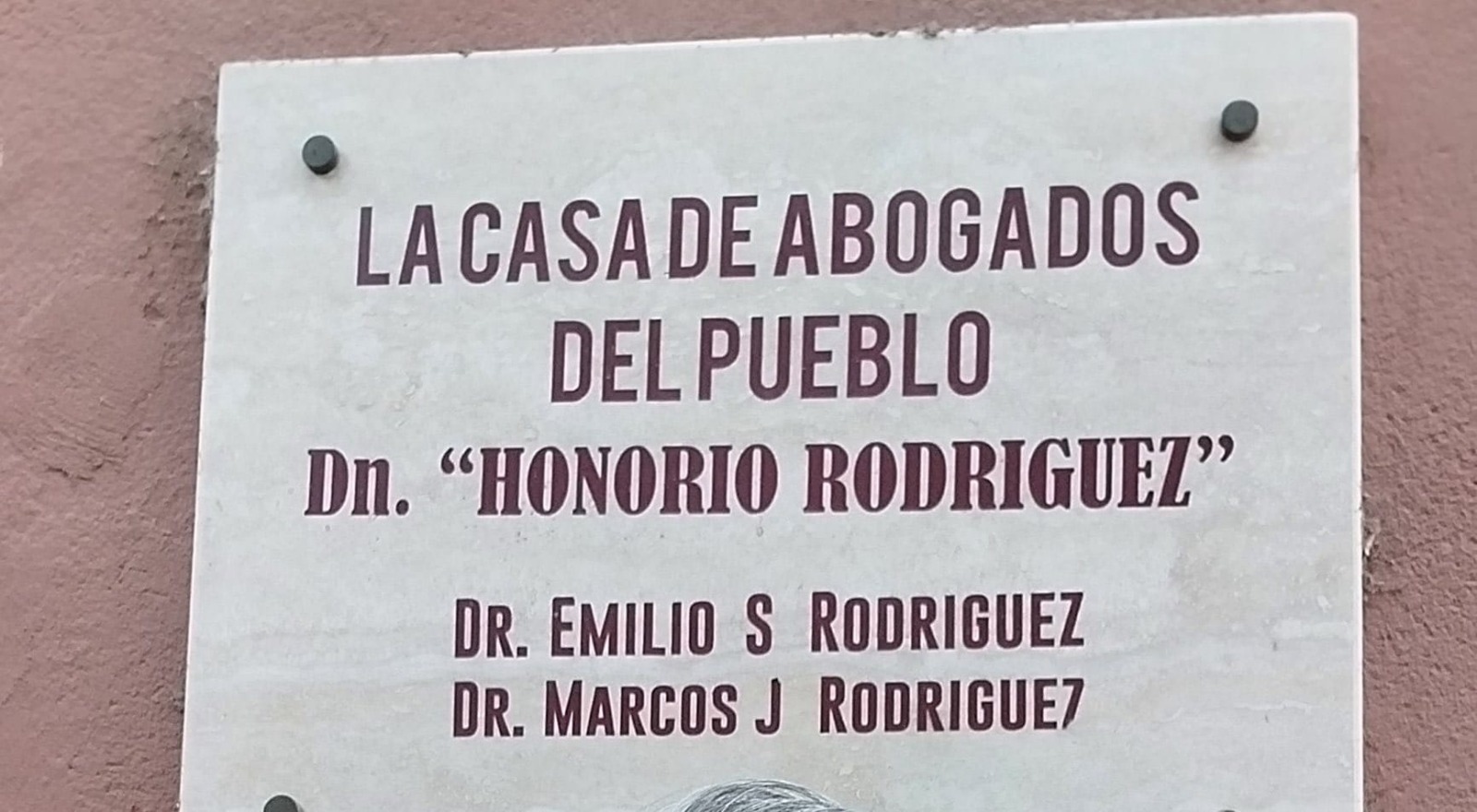
Navigating the legal system in a major metropolitan area like Chicago presents unique challenges for immigrant populations, working-class neighborhoods, and Spanish-speaking residents. "Abogados del pueblo chicago for the community" reflects a vital ethos of accessible, grassroots legal advocacy designed to bridge the justice gap, offering culturally competent counsel, community education, and representation to those who might otherwise be priced out of the legal market.
Understanding the Legal Landscape for Chicago Communities
Access to justice is rarely distributed equally. Across Cook County and the greater Chicago metropolitan area, low-income residents, non-English speakers, and marginalized communities frequently encounter systemic barriers when trying to resolve civil, housing, labor, or immigration disputes. Legal aid organizations, community-embedded law practices, and pro bono initiatives strive to address these disparities by meeting individuals where they live and work.
For community-focused legal services, the primary objective is empowerment. Rather than operating purely as transactional entities, community-oriented legal advocates focus on education, preventative counseling, and structural advocacy. This holistic approach ensures that vulnerable populations understand their rights under both Illinois state law and federal regulations, equipping them to withstand predatory practices, unfair evictions, or workplace exploitation.
The Role of Grassroots and Public Interest Law
Public interest law in Chicago operates through a complex network of legal aid foundations, federally funded clinics, law school legal clinics, and private practices dedicated to social justice. These entities handle everything from housing court defense to citizenship applications.
- Legal Aid Foundations: Organizations such as Legal Aid Chicago provide free civil legal assistance to people living in poverty.
- Community Law Clinics: Often embedded within neighborhoods like Pilsen, Little Village, or the Northwest Side, these clinics specialize in localized issues, such as small business support or neighborhood preservation.
- Private Practice Advocacy: Private attorneys who explicitly brand or position their services around community solidarity often focus on personal injury, worker compensation, and immigration law, operating on sliding scales or contingency fees to maintain accessibility.
Core Legal Services Essential for Community Well-Being
When community members search for community-centered legal representation, they typically require assistance in specific practice areas. Understanding these domains helps individuals identify the exact type of counsel needed for their situation.
Immigration and Naturalization Services
Immigration law remains one of the most critical needs in Chicago's diverse neighborhoods. Navigating United States Citizenship and Immigration Services (USCIS) procedures, consular processing, or defense in immigration court requires meticulous attention to detail and up-to-date knowledge of federal policy.
Community-focused immigration services generally assist with:
- Family-based petitions and adjustment of status.
- Deferred Action for Childhood Arrivals (DACA) renewals.
- U visas and T visas for victims of qualifying crimes or human trafficking.
- Naturalization and citizenship applications.
- Asylum applications and defensive removal proceedings before the Executive Office for Immigration Review (EOIR).
Housing and Tenant Rights
Chicago maintains robust tenant protections under the Chicago Residential Landlord and Tenant Ordinance (RLTO), yet many renters remain unaware of their rights regarding security deposits, habitability, and unlawful eviction practices. Community legal advocates play a decisive role in housing stabilization by representing tenants in eviction court, negotiating lease disputes with landlords, and holding negligent property owners accountable for building code violations.
Labor and Employment Protection
Workers across the restaurant, construction, manufacturing, and service sectors in Chicago are frequently vulnerable to wage theft, discrimination, unsafe working conditions, and retaliation. Community-oriented legal advocates help workers file claims with the Illinois Department of Labor (IDOL), the Equal Employment Opportunity Commission (EEOC), or pursue civil litigation to recover unpaid wages, overtime compensation, and damages for workplace injuries.
Navigating Legal Support: A Comparative Overview
Choosing the right type of legal assistance depends on eligibility requirements, financial circumstances, and the nature of the legal matter. The following breakdown compares the primary avenues for obtaining legal help in Chicago.
| Type of Legal Provider | Primary Focus | Cost Structure | Eligibility Criteria |
|---|---|---|---|
| Legal Aid Organizations | Civil rights, housing, public benefits, family law | Free or nominal administrative fees | Income-restricted (typically below 200% of the federal poverty level) |
| Law School Clinics | Specialized civil matters, criminal defense, immigration | Free | Varies by clinic; often tied to educational case selection and income |
| Community-Focused Private Practice | Immigration, personal injury, worker rights, criminal defense | Contingency, flat fee, or sliding scale | Open to all, with flexible payment arrangements |
| Consulate-Affiliated Legal Programs | Consular protection, initial guidance, referrals | Free | Nationals of the specific home country (e.g., Mexican Consulate legal programs) |
Steps to Accessing Community Legal Assistance
Securing reliable legal representation requires a systematic approach to ensure that clients do not fall victim to unauthorized practice of law (notario fraud) or predatory fee structures.
1. Verify Credentials and Licensing
In Illinois, all practicing attorneys must be registered with the Illinois Attorney Registration and Disciplinary Commission (ARDC). Individuals should verify that any person offering legal advice holds an active license to practice law in the state. For immigration matters, ensure the practitioner is either an active attorney or a DOJ-accredited representative working for a recognized organization.
2. Prepare Documentation
Legal consultations require thorough preparation. Clients should gather all relevant documents, including:
- Lease agreements, notices to quit, or court summonses for housing issues.
- Pay stubs, time records, and written communications with employers for wage claims.
- Prior immigration filings, receipts, and biographical documents for immigration cases.
3. Inquire About Costs and Retainers
Transparency regarding legal fees is a hallmark of ethical practice. Clients should explicitly ask whether the attorney charges a flat fee, hourly rate, or contingency fee. For those utilizing sliding scale services, providing accurate proof of household income is essential to determine the correct fee tier.
Frequently Asked Questions
What is the difference between a private attorney and a legal aid lawyer?
Private attorneys charge fees for their services, whereas legal aid lawyers provide free services funded by grants, donations, or government programs. Legal aid organizations usually have strict income eligibility caps, meaning individuals earning above a certain threshold must hire private counsel or seek sliding-scale services.
How can I avoid immigration fraud or "notarios"?
In the United States, "notario público" does not confer legal authority to practice law, unlike in many Latin American countries where notaries are attorneys. Only licensed attorneys or Department of Justice (DOJ) accredited representatives are legally authorized to give immigration legal advice or represent individuals before USCIS.
Are consultations with community legal clinics confidential?
Yes. Communications between an attorney and a client are protected by attorney-client privilege, ensuring that sensitive personal and legal information remains private, regardless of immigration or financial status.
Can I get free legal representation for an eviction in Chicago?
The Circuit Court of Cook County and various municipal programs have increasingly rolled out pilot initiatives and legal aid desks providing free or low-cost representation to qualifying tenants facing eviction. Contacting the Lawyers' Committee for Better Housing or the Metropolitan Tenants Organization serves as a reliable starting point.
What should I do if my employer fails to pay my wages?
Document all hours worked, keep copies of pay stubs, text messages, or schedules, and file a claim with the Illinois Department of Labor or consult with a labor rights attorney to evaluate your options for recovering back pay.
Next Actions and Resources
For residents seeking immediate legal guidance in Chicago, connecting with established community resources ensures reliable protection. Review the directories provided by the Chicago Bar Association Lawyer Referral Service or reach out directly to recognized legal aid providers such as Legal Aid Chicago, the National Immigrant Justice Center, or neighborhood-specific advocacy groups. Always confirm credentials, prepare your documentation in advance, and advocate actively for your rights within the legal system.