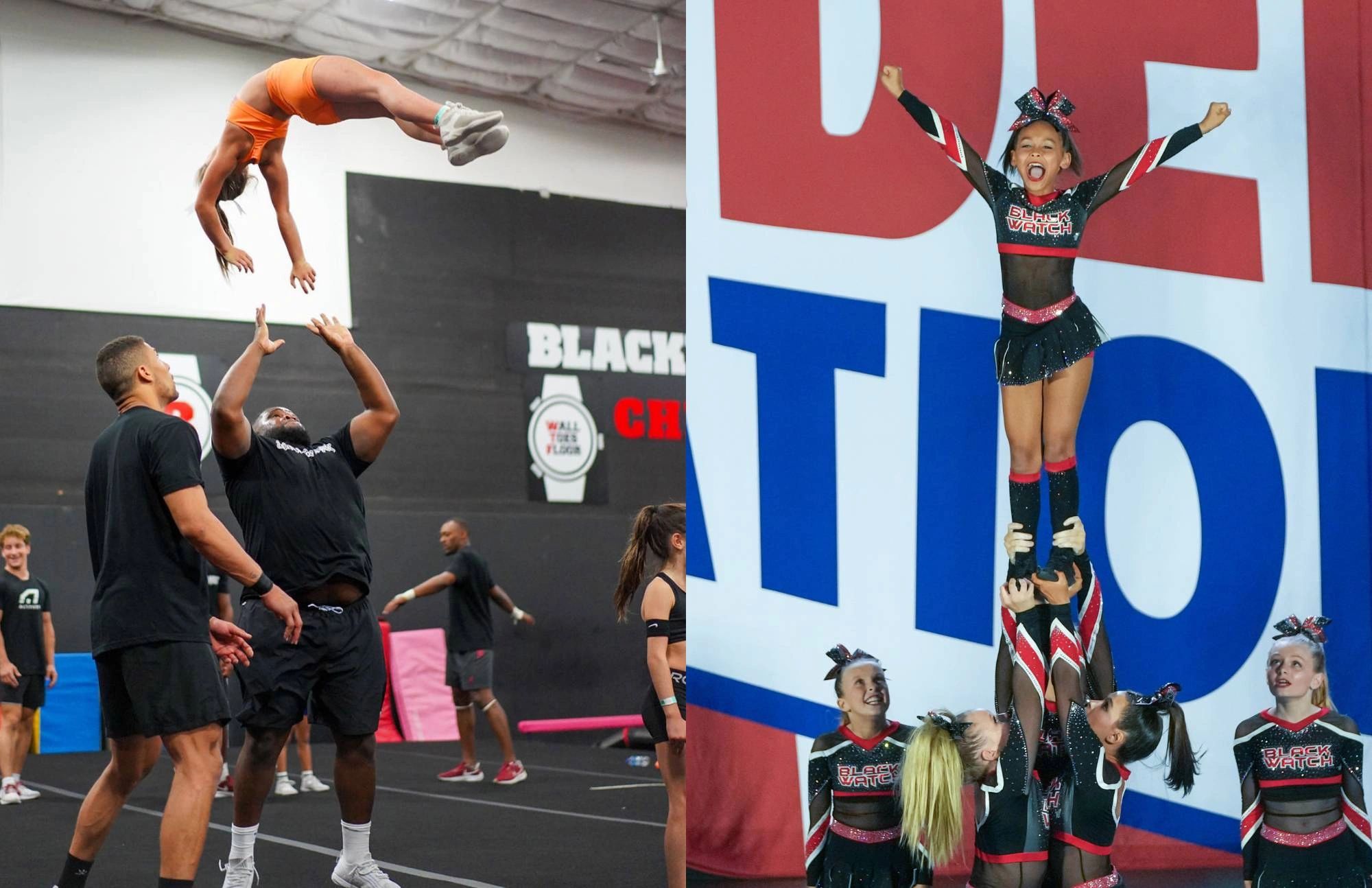
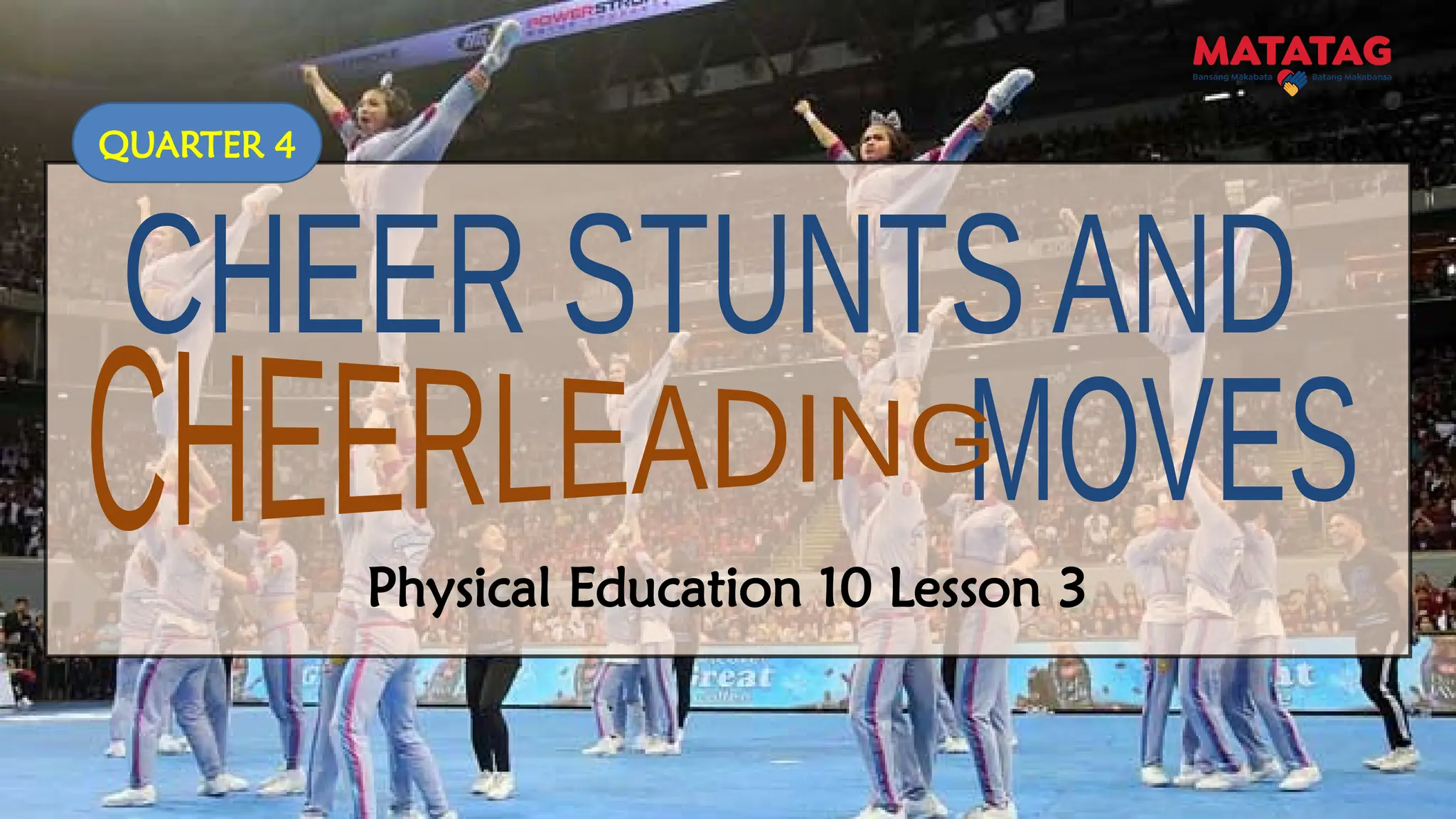
Level 3 cheer stunts represent a critical transition from foundational skills to advanced athleticism, introducing one-leg extended stunts, twisting transitions to prep level, and controlled release moves. To master this level in 2026, teams must focus on precision, timing, and strict adherence to USASF and IASF safety guidelines to maximize scores and ensure athlete safety.
The Significance of Level 3 in Competitive Cheerleading
In the hierarchy of competitive cheerleading, Level 3 is often considered the "bridge" level. While Level 1 and Level 2 focus on building the requisite strength and basic shapes, Level 3 introduces the complexities of elite stunting. It is the first level where flyers are consistently required to balance on one leg at an extended level (above the bases' heads) and where rotational energy becomes a primary component of stunt entries and dismounts.
For a team to be successful in 2026, they must move beyond simply "hitting" the stunt. Judges now look for "elite" execution, which includes sharp motions, high flexibility in body positions (like heels stretches and arabesques), and seamless transitions. The technical depth required at this level means that bases must have superior wrist mobility and flyers must possess exceptional core stability.
Prerequisites for Level 3 Stunting
Before attempting Level 3 stunts, a team must demonstrate mastery of Level 2 skills. This is not merely about being able to perform them but doing so with 100% hit-rate reliability.
Physical Conditioning
Athletes should follow a regimen focused on:
- Core Strength: Essential for flyers to maintain "hollow body" positions during twists.
- Leg Explosiveness: Crucial for bases during "toss" entries and for flyers during "pop" dismounts.
- Wrist and Forearm Stability: Necessary for bases to handle the torque of 360-degree rotations.
Technical Foundations
A team is ready for Level 3 when they can perform a "Straight Up Extension" with perfect "lock-out" and a "Half-Up to Extension" with zero bobbles. The flyer must also be comfortable with "cradle" dismounts from extended heights, showing no fear and maintaining a tight body line throughout the descent.
The 7 Essential Level 3 Cheer Stunts
The following seven stunts represent the core requirements and most popular elite variations seen in Level 3 routines for the 2026 season.
1. Extended Liberty (The "Lib")
The Liberty is the foundational one-leg stunt of Level 3. While Level 2 limits one-leg stunts to the "prep" level (shoulder height), Level 3 allows these stunts to be performed at the extended level.
- The Mechanics: The flyer stands on one leg—usually the right—while the other leg is bent with the foot placed against the standing knee. The bases must provide a stable platform. The "main" base holds the heel and toe, while the "side" base supports the middle of the foot and the arch.
- Key Detail: The backspot must reach high to support the flyer's ankle or calf, providing the "third point of contact" that ensures stability at such a height.
- Common Mistake: Flyers often "sit" into their hip, causing the stunt to lean. To correct this, the flyer must "pull up" out of their standing leg and engage their glutes.
2. Full Up to Prep Level
This stunt introduces a 360-degree rotation during the mount. In Level 3, the full rotation must land at the prep (shoulder) level. Landing a full-up at an extended level is generally reserved for Level 4.
- The Mechanics: As the bases dip, the flyer initiates a spin by pulling their arms in tight and looking over their shoulder. The bases must "hand-off" the flyer's feet, rotating their own wrists to follow the flyer's movement.
- Technical Tip: The "spin" should come from the flyer's core and the bases' "flick," not from the flyer throwing their weight to one side.
- 2026 Judging Insight: Judges are looking for a "clean" catch where the flyer stops rotating exactly at the front without "over-spinning."
3. The Switch Up (Tic-Toc) to Prep
A "Switch Up" is a release move where the flyer starts on one leg at a lower level and is tossed into the air, switching to the other leg and landing at the prep level.
- The Mechanics: Typically, the flyer starts in a "lib" position at the below-prep level. The bases toss the flyer upward. In mid-air, the flyer switches their feet. The bases must catch the new foot cleanly at shoulder height.
- Safety Requirement: Since this is a release move, the backspot must remain in constant visual contact with the flyer's hips to assist in the catch.
- Execution: The "switch" must be sharp and visible. A "lazy" switch where the feet move slowly will result in lower difficulty scores.
4. Half-Up to Extension
While the Full Up is limited to the prep level, Level 3 allows a 180-degree (half) rotation to go all the way to the extended level.
- The Mechanics: This stunt combines the power of a straight-up extension with the complexity of a twist. The bases dip and drive upward, rotating their hands 180 degrees.
- The Flyer’s Role: The flyer must remain "square" to the bases until the moment of the twist, then use a sharp hip snap to complete the half-turn.
- Advantage: This is an excellent transition for teams that have strong bases but are still perfecting their flyer's rotational balance.
5. Ground-Level Inversion to Prep
Level 3 allows for certain inversions (where the flyer’s hips go above their head) as long as they start from the ground and finish in a non-inverted position at the prep level or below.
- The Mechanics: A common version is the "Forward Roll" entry or a "Handstand" lift. The bases support the flyer's shoulders and waist as they move from an inverted state into a prep.
- Why it Matters: Inversions add significant "difficulty points" to a routine. They demonstrate superior control and trust between the bases and the flyer.
- Constraint: In Level 3, the flyer cannot remain inverted; the transition must be continuous.
6. Full-Down Dismount (From Two-Leg Stunts)
The "Full Down" is a 360-degree twisting cradle. In Level 3, this is permitted from two-leg stunts like the Extension or the Cupie.
- The Mechanics: From an extended height, the bases "pop" the flyer. As the flyer leaves the bases' hands, they initiate a full 360-degree horizontal rotation before being caught in a cradle.
- Safety Tip: The flyer must keep their body in a straight line ("pencil" shape) during the twist. If they "pike" (bend at the waist), they risk hitting the bases' heads.
- Bases' Role: Bases must catch high and "absorb" the flyer's weight with their legs to prevent jarring injuries.
7. Show-and-Go to Extension
While technically a transition, the "Show-and-Go" is a staple of Level 3 pacing. The flyer is lifted rapidly to an extended position, "shows" a shape or height, and is immediately brought back down or transitioned into another move.
- The Mechanics: This requires explosive leg power from the bases. It is often used to demonstrate that a team has the strength to hit extended levels even if they are using the move as a setup for a more complex pyramid.
- 2026 Trend: Teams are increasingly using "Show-and-Go" sequences to create visual "waves" across the floor, which helps in the "Overall Impression" scoring category.
Technical Comparison of Stunting Levels
To understand where Level 3 fits in the 2026 competitive landscape, it is helpful to compare its specific limitations and allowances against adjacent levels.
| Stunt Feature | Level 2 (Low Intermediate) | Level 3 (Intermediate) | Level 4 (Advanced) |
|---|---|---|---|
| One-Leg Height | Prep Level Only | Extended Level Allowed | Extended Level Allowed |
| Twisting Entry | Max 1/2 Twist to Prep | Max 1 Full Twist to Prep | Max 1 Full Twist to Extension |
| Dismounts | Straight Cradle / 1/4 Turn | Full Down (Two-Leg) | Full Down (One-Leg) |
| Release Moves | Not Allowed | Switch-Ups / Ball-Ups | Release to Extension |
| Inversions | Not Allowed | Ground to Prep Level | Prep to Prep Level |
Safety and Regulation Compliance
As of 2026, the United States All Star Federation (USASF) and the International All Star Federation (IASF) have maintained strict rules regarding "bracing" and "spotting" for Level 3.
- Spotter Requirements: All extended one-leg stunts require a dedicated spotter. This spotter must be a separate person from the primary bases and must be focused entirely on the flyer’s head and shoulder area.
- Release Move Limitations: Release moves in Level 3 cannot exceed a certain height above the bases' hands. The flyer must be caught by the original bases.
- Twisting Limits: Any rotation exceeding 360 degrees (such as a double-down) is strictly prohibited in Level 3 and will result in a significant point deduction or disqualification.
Professional Advice Limitation: While this guide provides technical overviews, cheerleading is a high-risk sport. All stunts should be practiced under the supervision of a AACCA or USASF-certified coach in a facility with appropriate matting.
Troubleshooting Common Level 3 Issues
Even the most talented teams encounter "stunt falls" or "wobbles." Here is how to diagnose and fix the most common problems in Level 3.
Problem: The "Full Up" is slow and under-rotated.
- The Cause: Usually, this is caused by the bases "waiting" for the flyer to spin.
- The Fix: Bases must "drive" the spin with their hands. The "main" base should think about "stirring a pot" with their wrist to initiate the torque. The flyer must keep their arms tight to their chest; wide arms create "drag" and slow the rotation.
Problem: The "Lib" leans toward the side base.
- The Cause: This usually happens when the "main" base is holding the foot too far to the outside, or the flyer is not "squaring" their hips to the front.
- The Fix: The backspot should pull the flyer's ankle slightly toward them to center the weight over the bases' chests. The flyer should focus on a spot at eye level to maintain balance.
Problem: Low "Full Down" cradles.
- The Cause: Bases are "dropping" their arms too early to prepare for the catch.
- The Fix: The "pop" must be completed fully before the bases separate their hands. The bases should reach their arms all the way up ("follow through") before opening them to catch the flyer.
Training Progression for 2026
To reach the elite tier of Level 3, coaches should follow a "drilling" progression rather than just attempting full stunts repeatedly.
- Static Holds: Have the flyer stand on a "stunt stand" or a floor block to practice "Lib" and "Stretch" shapes while squeezing their core.
- Bump-Downs: Practice the entry and the "hit" of the stunt, then "bump" the flyer down to the shoulders instead of cradling. This builds muscle memory for the catch.
- Timed Drills: Level 3 routines are fast. Practice hitting a "Lib" and holding it for exactly 4 counts, then transitioning.
- Video Analysis: In 2026, mobile apps allow for frame-by-frame analysis. Use these to check if the bases' wrists are rotating in sync during Full-Ups.
FAQs About Level 3 Cheer Stunts
Can you do a "Double Down" in Level 3?
No. Level 3 regulations strictly limit twisting dismounts to 1.25 rotations. A "Double Down" (720 degrees) is a Level 4 and Level 5 skill. Attempting this in a Level 3 routine will result in a rule violation.
Are "Toss Stunts" allowed in Level 3?
Yes, but with limitations. "Toss to Prep" is a common Level 3 skill. However, "Toss to Extension" or "Toss to One-Leg" are typically reserved for higher levels. The flyer must not perform any flips or more than a 1/2 twist during the toss.
What is the difference between a "Switch Up" and a "Tic-Toc"?
In Level 3, these terms are often used interchangeably, but technically, a "Switch Up" refers to the transition from the ground or a low level to a higher level with a foot change. A "Tic-Toc" generally refers to switching feet while staying at the same level (e.g., prep to prep). Both are legal release moves in Level 3.
Does a Level 3 pyramid require braces for one-leg stunts?
In Level 3, one-leg stunts at the extended level are legal "standalone" (without braces), provided they have a spotter. However, for "Elite" difficulty in the pyramid section, teams often use braces to perform more complex transitions or "flatback" flips into the stunt.
How many bases are required for Level 3 stunts?
Standard Level 3 stunts use a "full stunt group," which consists of a main base, a side base, and a backspot. Some elite teams may experiment with "toss" stunts using only two bases, but the safety requirements for a spotter remain mandatory for all extended skills.
Final Recommendations for Teams
As you prepare for the 2026 competition season, remember that consistency is the hallmark of a Level 3 champion. It is better to perform a perfectly executed "Half-Up to Extension" with high-scoring technique than a shaky "Full-Up to Prep" that nearly falls. Focus on the "cleanliness" of your transitions and the "sharpness" of your flyer's motions. Once the basic 7 stunts are mastered, focus on "gripping" and "re-gripping" speed to make your transitions look effortless. Success at this level will provide the necessary foundation to move into the high-flying world of Level 4 and beyond.