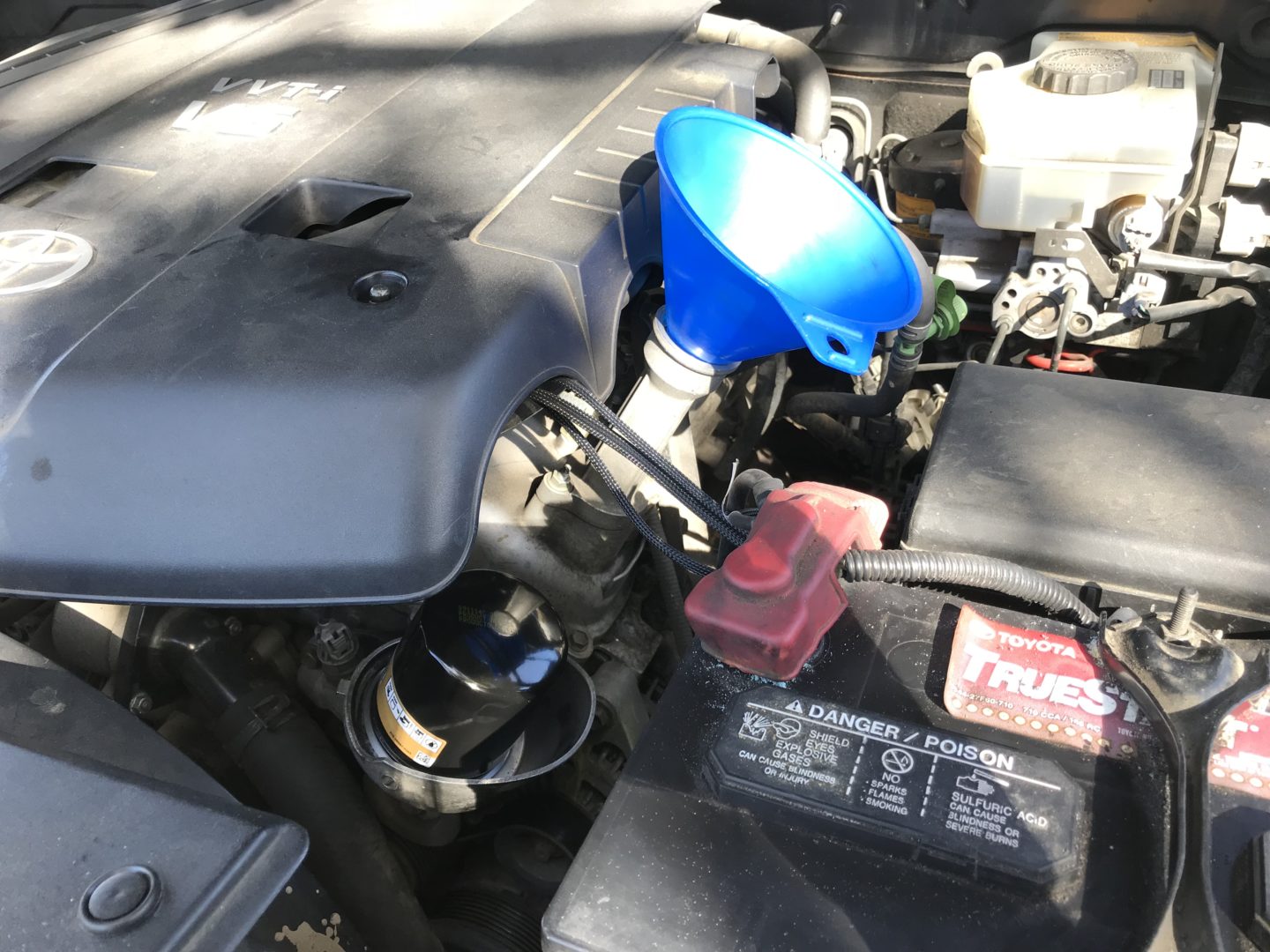
Maintaining a 5th generation Toyota 4Runner requires 6.6 quarts of SAE 0W-20 full synthetic oil and a high-quality cartridge-style filter. While Toyota specifies a 10,000-mile interval for "normal" driving, most mechanical experts and long-term owners recommend a 5,000-mile or 6-month service interval to ensure the longevity of the 4.0L 1GR-FE V6 engine.
The 5th generation Toyota 4Runner, spanning from its introduction in late 2009 through the 2024 model year, remains one of the most reliable SUVs on the road in 2026. Central to this reliability is the 4.0-liter 1GR-FE Dual VVT-i V6 engine. While this engine is famously "bulletproof," its longevity is predicated on strict adherence to lubrication requirements and specific maintenance procedures. This guide details the technical specifications, service options, and procedural nuances required to keep a 5th gen 4Runner running well into its second or third decade of service.
Technical Oil Specifications and Fluid Requirements
The 5th generation 4Runner is engineered to run on SAE 0W-20 synthetic oil. This specific viscosity is chosen by Toyota engineers to balance cold-start protection with fuel efficiency. In 2026, with many 5th generation units now well over the 100,000-mile mark, the choice of oil remains critical for the health of the variable valve timing (VVT-i) solenoids and the timing chain tensioners.
Viscosity and Oil Grade
The 0W-20 designation indicates that the oil has a "0" weight flow rating at cold temperatures and a "20" weight rating at operating temperature. The "W" stands for winter. Because the 1GR-FE engine utilizes tight internal tolerances, the thin 0W-20 oil flows quickly upon startup, reaching the overhead cams and valvetrain almost instantly.
Using a higher viscosity oil, such as 10W-30 or 20W-50, is generally discouraged unless operating in extreme desert environments or if specifically recommended by a specialist for a high-consumption engine. Furthermore, the oil must meet the API (American Petroleum Institute) Service Category SP or SN Plus "Resource Conserving" standards. These ratings ensure the oil has the necessary additives to prevent low-speed pre-ignition (LSPI) and timing chain wear.
Oil Capacity
The 5th gen 4Runner has a total oil capacity of 6.6 US quarts (6.2 liters) when the oil filter is replaced. If the filter is not replaced—a practice strongly discouraged—the capacity is approximately 6.0 quarts. It is standard practice to purchase seven individual quarts or a five-quart jug plus two individual quarts to ensure the oil level reaches the "Full" mark on the dipstick.
The Toyota Cartridge Filter System
Unlike many modern vehicles that use a "spin-on" canister filter, the 5th generation 4Runner utilizes a cartridge-style filter housing. This system involves a permanent plastic or aluminum housing located on the bottom of the engine, which contains a replaceable paper element.
The standard OEM part number for this filter is 04152-YZZA1. This kit typically includes:
- The pleated paper filter element.
- A large O-ring for the housing body.
- A small O-ring for the housing drain plug.
- A plastic drain tool to empty the housing before removal.
Many 4Runner owners opt to replace the factory-installed plastic housing with a Toyota genuine aluminum housing (often sourced from the Lexus or Toyota Tundra parts catalog) to prevent the cracking or seizing that can occur with the plastic version over time.
Recommended Service Intervals: The 5,000 vs. 10,000 Mile Debate
Toyota’s official maintenance schedule for the 5th generation 4Runner suggests an oil change every 10,000 miles or 12 months. However, this recommendation comes with a significant caveat regarding "Special Operating Conditions."
Severe Service Definition
According to Toyota’s official maintenance guides, you should change your oil every 5,000 miles or 6 months if you engage in any of the following:
- Driving on dirt roads or dusty roads.
- Towing a trailer or using a roof-top carrier.
- Repeated short trips under 5 miles in temperatures below freezing.
- Extensive idling or low-speed driving for long distances (such as police, taxi, or door-to-door delivery use).
In the 4Runner community, most owners treat the 5,000-mile interval as the standard. Because the 4Runner is frequently used for off-roading, overlanding, and towing, the engine oil is often subjected to higher thermal loads and contaminant ingress. Regular 5,000-mile changes are the single most effective way to prevent oil sludge and ensure the engine reaches 300,000 miles or more.
DIY Oil Change Requirements and Tool List
For the owner performing their own service in 2026, several specialized tools are required to handle the 4Runner's unique design.
Required Tools
- 64mm 14-Flute Oil Filter Wrench: A standard strap wrench will not work on the 4Runner’s cartridge housing. You need a specialized cap-style wrench that fits the notches of the Toyota housing. Brands like Motivx or genuine Toyota Service Tools are preferred to avoid stripping the housing.
- 14mm Socket: For the oil pan drain plug.
- 10mm and 12mm Sockets: To remove the engine skid plate (required to access the filter).
- Torque Wrench: To ensure the drain plug and housing are tightened to factory specifications.
- Large Drain Pan: Minimum 8-quart capacity.
Consumables
- 6.6 Quarts of 0W-20 Full Synthetic Oil.
- Toyota 04152-YZZA1 Filter Kit.
- Oil Drain Plug Crush Washer: Part number 90430-12031. This is a non-reusable aluminum or felt-coated washer that prevents leaks at the drain plug.
| Component | Specification / Part Number | Torque Value |
|---|---|---|
| Engine Oil | SAE 0W-20 Full Synthetic | N/A |
| Oil Capacity | 6.6 US Quarts (with filter) | N/A |
| Oil Filter | 04152-YZZA1 (Cartridge) | 18 ft-lb (25 Nm) |
| Filter Housing Drain Plug | Included in Filter Kit | 10 ft-lb (13 Nm) |
| Oil Pan Drain Plug | 14mm Bolt | 30 ft-lb (40 Nm) |
| Crush Washer | 90430-12031 | N/A |
Step-by-Step Service Procedure
Performing an oil change on a 5th generation 4Runner is more labor-intensive than on a standard sedan due to the skid plate removal process.
1. Skid Plate Removal
Most 4Runners are equipped with a front skid plate that covers the oil filter. Depending on the trim (SR5, Trail, or TRD Pro), you will need to remove between four and six bolts. The TRD Pro aluminum skid plate is significantly heavier and may require a floor jack to support it during removal. Some aftermarket skid plates include a "trap door" for the oil filter, which simplifies this step.
2. Draining the Oil Pan
Locate the 14mm drain plug at the rear of the oil pan. Ensure the engine is warm but not hot to facilitate better flow. Remove the plug and let the oil drain into the pan. This is the ideal time to inspect the old oil for any metallic flakes, which could indicate internal wear. Once drained, replace the old crush washer with a new one and torque the plug to 30 ft-lb.
3. Servicing the Filter Housing
The 4Runner’s filter housing has a two-stage removal process:
- Drain the housing: Remove the small metal cap on the bottom of the filter housing using a 3/8-inch drive extension. Insert the plastic drain tool included in your filter kit to empty the oil trapped inside the housing.
- Remove the housing: Use the 64mm filter wrench to unscrew the entire housing.
- Replace elements: Pull out the old paper filter. Remove the old large O-ring and replace it with the new one from the kit, ensuring it is seated in the correct groove (not at the top of the threads). Lubricate the new O-ring with fresh oil.
- Reinstall: Insert the new filter element, screw the housing back onto the engine, and torque to 18 ft-lb. Reinstall the small drain cap with its new small O-ring and torque to 10 ft-lb.
4. Refilling and Verification
Pour 6.6 quarts of oil into the filler neck on the driver-side valve cover. Start the engine and let it run for 30 seconds to circulate the oil through the new filter. Turn off the engine, wait 5 minutes for the oil to settle, and check the dipstick. The level should be exactly at the top dot.
Professional Service Options
If you prefer not to perform the service yourself, there are three primary options available in 2026.
Toyota Dealership Service
The dealership is the most expensive option but offers the benefit of OEM parts and a record of service in Toyota’s national database. For newer 4Runners (within their first two years), this service may be covered under ToyotaCare. Dealerships also perform a multi-point inspection, checking the 4Runner’s frame for rust and the grease points on the driveshaft (zerk fittings), which are often overlooked by general shops.
Independent Off-Road or Toyota Specialists
Given the 4Runner's popularity in the enthusiast community, many independent shops specialize specifically in Toyota trucks. These shops are often more thorough than dealerships, checking specialized components like aftermarket suspension and diff breathers during the oil change. They are also more likely to support the 5,000-mile interval over the 10,000-mile corporate recommendation.
Quick-Lube Centers
While convenient, quick-lube centers can be risky for the 5th generation 4Runner. Technicians at high-volume shops may not be familiar with the torque requirements of the cartridge housing or the necessity of the skid plate removal. There are frequent reports of these shops over-tightening the plastic housing with impact wrenches, leading to cracked components and oil starvation. If using a quick-lube center, always verify that they used 0W-20 synthetic oil and replaced the crush washer.
Common Pitfalls and Troubleshooting
Stuck Oil Filter Housing
The most common issue is a seized plastic housing. If the housing will not budge, do not use excessive force with a breaker bar, as the plastic tabs can shear off. Using a high-quality, snug-fitting aluminum wrench (like the Motivx tool) is essential. If the housing breaks, it must be replaced immediately. Many owners proactively switch to the Toyota Aluminum Housing (Part No. 15620-31060) to avoid this.
Skid Plate Bolt Stripping
The bolts holding the skid plate to the frame are prone to rust and cross-threading. It is recommended to apply a small amount of anti-seize to these bolts in 2026, especially in "Salt Belt" regions, to ensure they remain removable for the next service.
Oil Maintenance Reset
After the service, the "MAINT REQD" light must be reset.
- Turn the ignition to the "On" position (without starting).
- Set the odometer display to "Trip A."
- Turn the ignition off.
- While holding the odometer reset button, turn the ignition back to "On."
- Hold the button until the dashes on the screen disappear and the odometer shows zeros.
Frequently Asked Questions
Can I use 5W-30 oil instead of 0W-20?
While the engine will run on 5W-30, Toyota specifically recommends 0W-20 for the 1GR-FE Dual VVT-i engine to ensure proper flow through the VVT-i actuators. Using a heavier oil may slightly decrease fuel economy and could potentially trigger a check engine light related to cam timing in extremely cold weather.
How much does a professional oil change cost in 2026?
At a Toyota dealership, expect to pay between $90 and $130 for a full synthetic oil change including the filter and inspection. Independent shops may charge $80 to $110. DIY costs usually hover around $50 to $65, depending on the price of synthetic oil and OEM filters.
Do I really need to remove the skid plate every time?
Yes, on a stock 5th generation 4Runner, the oil filter is located directly above the front skid plate. Attempting to reach the filter without removing the plate will result in oil spilling into the plate, which will then drip onto your driveway for weeks.
Is a "high mileage" oil necessary for my 2015-2020 4Runner?
If your 4Runner has over 75,000 miles, high-mileage 0W-20 oils can be beneficial. These oils contain seal conditioners that help keep internal gaskets (like the valve cover gaskets and front main seal) pliable, reducing the likelihood of leaks as the vehicle ages.
What happens if I overfill the oil?
The 4Runner requires 6.6 quarts. Adding 7 full quarts (0.4 quarts extra) is generally considered safe and within the tolerance of the oil pan. However, adding 8 or more quarts can lead to "windage," where the crankshaft whips the oil into a foam, reducing its lubricating effectiveness. Always use the dipstick to verify.
Final Recommendation for 4Runner Owners
To maximize the lifespan of your 5th generation 4Runner, adopt a 5,000-mile/6-month oil change interval using high-quality 0W-20 full synthetic oil and a genuine Toyota filter. If you perform the service yourself, invest in a dedicated Toyota filter wrench and consider upgrading to an aluminum filter housing. For those seeking professional service, prioritize shops that demonstrate specific experience with Toyota's body-on-frame trucks to ensure the skid plates and cartridge housing are handled with the necessary care.