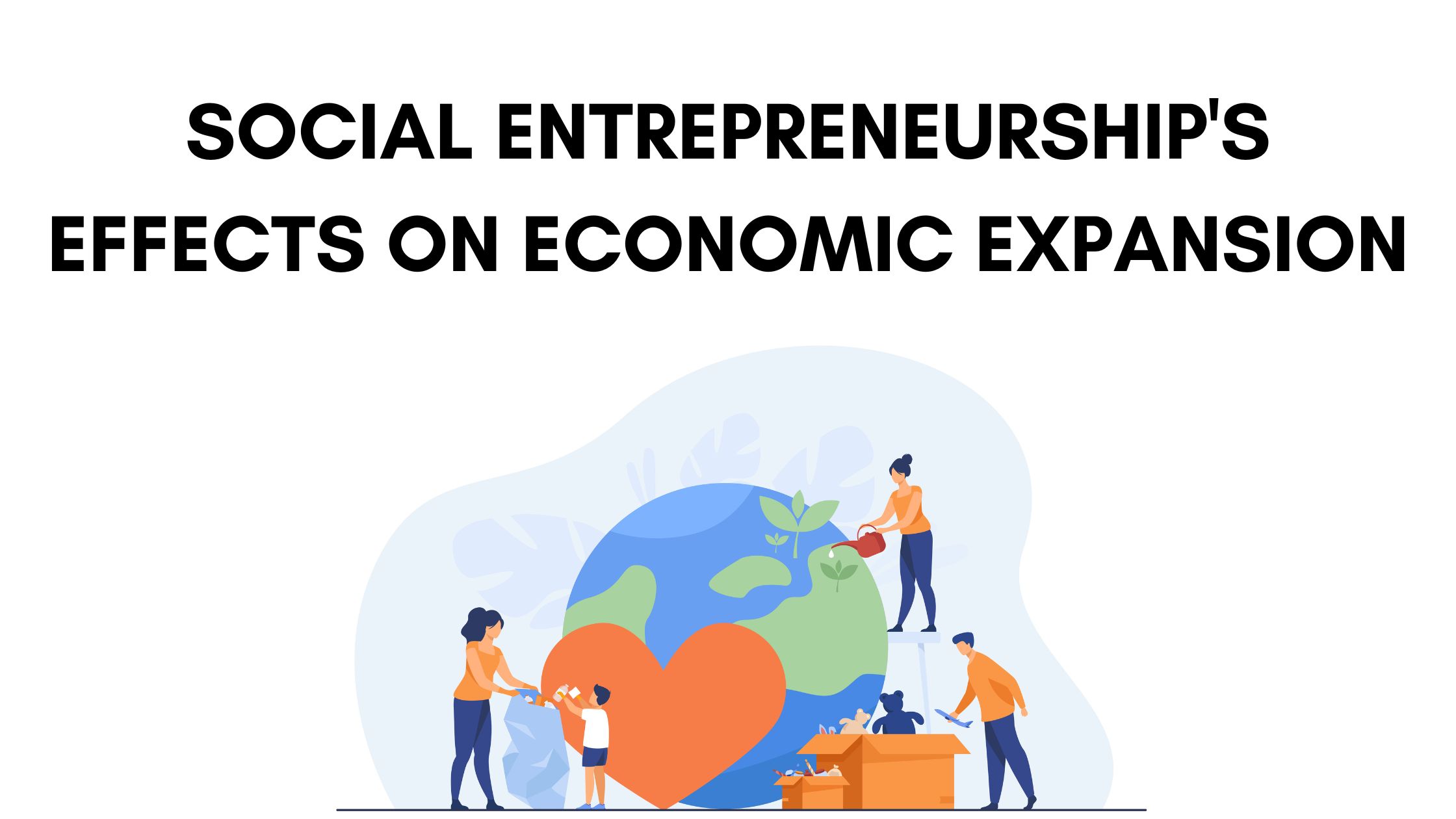
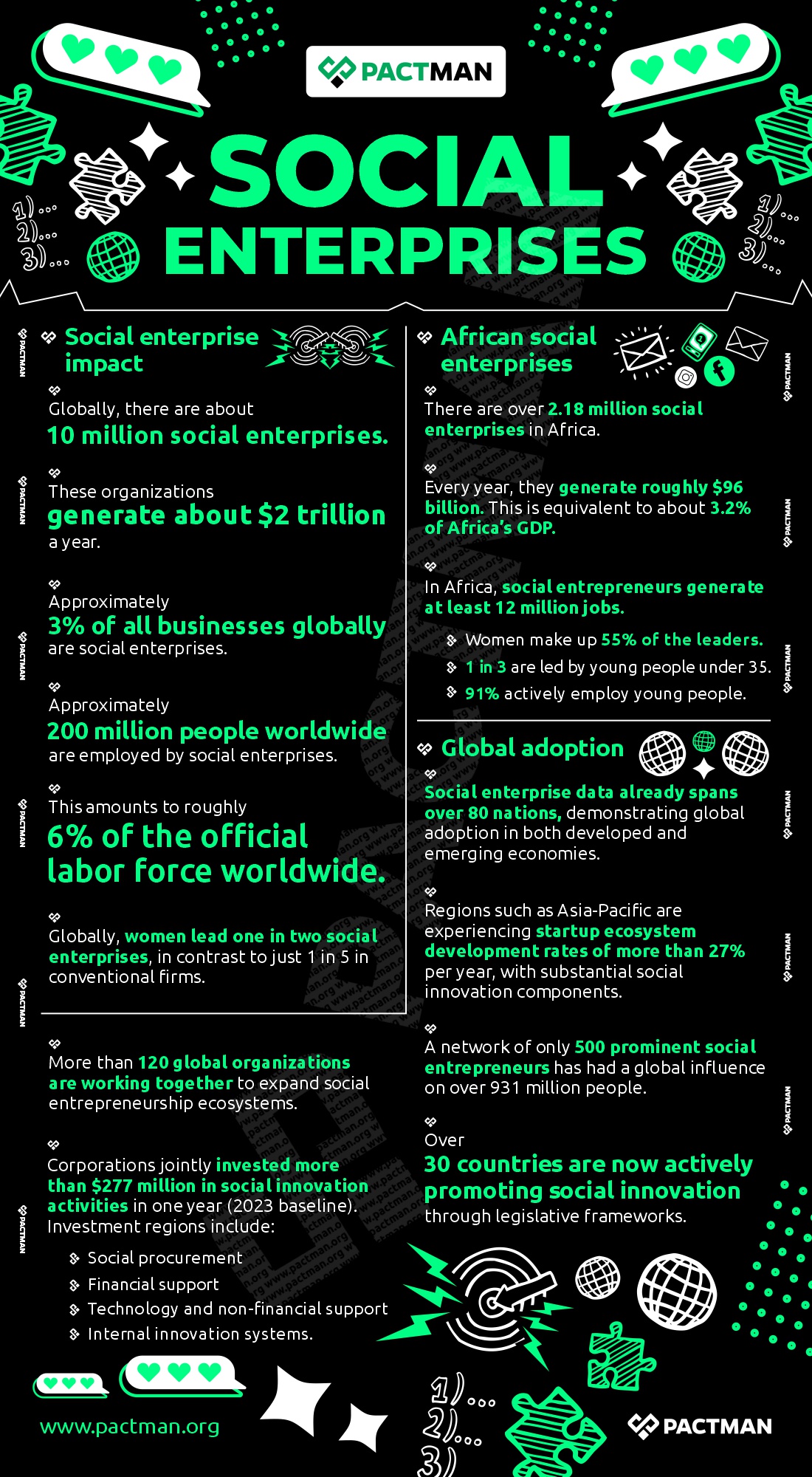
Social entrepreneurship is a business model that prioritizes addressing social, environmental, or cultural challenges alongside financial profitability. Five notable examples include TOMS, which pioneered the one-for-one model; Grameen Bank, the leader in microfinance; Warby Parker, which democratized vision care; Seventh Generation, an innovator in sustainable consumer goods; and Kiva, the premier platform for peer-to-peer micro-lending.
Understanding the Social Entrepreneurship Framework
Before examining specific organizations, it is essential to define what separates a social enterprise from a traditional corporation or a non-profit organization. Unlike standard businesses that focus solely on the Double Bottom Line (profit and growth), social enterprises typically pursue a Triple Bottom Line: people, planet, and profit.
By 2026, the global marketplace has shifted significantly toward "conscious consumerism." This evolution means that social impact is no longer a peripheral marketing strategy but a core operational requirement. Social entrepreneurs identify market failures—areas where traditional capitalism has left certain populations or environments underserved—and apply innovative business logic to create self-sustaining solutions. Unlike non-profits that rely heavily on recurring donations, these enterprises generate their own revenue, which allows for greater scalability and long-term autonomy.
1. TOMS: The Evolution of the One-for-One Model
TOMS is perhaps the most recognized name in social entrepreneurship. Founded in 2006 by Blake Mycoskie, the company initially gained fame for its "One-for-One" model: for every pair of shoes purchased, one pair was donated to a child in need. This simplicity resonated with consumers and sparked a global movement of retail-based giving.
From Direct Giving to Systemic Change
By 2026, TOMS has matured far beyond its original model. Following critical analysis that suggested direct shoe donations could sometimes disrupt local economies, the company pivoted in 2021 to a more flexible and impactful strategy. Today, TOMS commits 1/3 of its net profits to grassroots organizations that drive sustainable change in three key areas: promoting mental health, ending gun violence, and supporting equitable access to opportunity.
Operational Impact
The TOMS model demonstrates how a social enterprise must remain agile. Their current strategy involves deep partnerships with community-led organizations rather than just product distribution. This approach ensures that the capital provided addresses the specific, nuanced needs of a community—be it funding a local mental health clinic or supporting vocational training. This shift has allowed TOMS to maintain its identity as a "giving company" while mitigating the unintended consequences of traditional aid.
2. Grameen Bank: Pioneer of Microfinance
Founded by Nobel Peace Prize laureate Muhammad Yunus in Bangladesh, Grameen Bank revolutionized the financial sector by proving that the poor are "creditworthy." The bank focuses on microfinance, providing small loans (microcredit) to individuals who lack the collateral, steady employment, or verifiable credit history required by traditional banks.
The Mechanics of Social Lending
Grameen Bank operates on a system of mutual trust and social collateral. Borrowers often form small groups; while the bank lends to individuals, the group provides a support structure and collective pressure to ensure repayment. This model has maintained a repayment rate consistently above 96%, a figure that often outperforms traditional commercial banks.
Focus on Women and Empowerment
In 2026, Grameen continues to prioritize women, who make up over 95% of its borrowers. Data consistently shows that women are more likely to reinvest their earnings into their families' health, nutrition, and education. By providing the capital necessary to start small businesses—such as weaving, poultry farming, or retail—Grameen Bank has lifted millions out of extreme poverty and transformed the rural economy of Bangladesh and dozens of other countries that have adopted the Grameen model.
3. Warby Parker: Democratizing Vision Care
Warby Parker entered the eyewear market in 2010 with a clear social mission: to provide high-quality, affordable glasses while addressing the global crisis of impaired vision. According to the World Health Organization, over 2.5 billion people worldwide need glasses but do not have access to them.
The "Buy-a-Pair, Give-a-Pair" Strategy
Warby Parker utilizes a modified version of the buy-one-give-one model. Through their "Buy-a-Pair, Give-a-Pair" program, the company ensures that for every pair of glasses sold, a pair is distributed to someone in need. However, their approach is technically sophisticated; instead of simply handing out free glasses, they often partner with non-profits like VisionSpring to train individuals in developing countries to perform basic eye exams and sell glasses at affordable prices.
Economic Productivity and Vision
The impact of this model is measurable. Studies have shown that a pair of reading glasses can increase a worker's productivity by up to 35% and their monthly income by 20%. By 2026, Warby Parker has distributed more than 15 million pairs of glasses globally. Their success proves that a high-growth, publicly traded company (IPO in 2021) can maintain its B-Corp status and social mission while competing against industry giants.
4. Seventh Generation: Protecting the Next Seven Generations
Seventh Generation is a leader in the sustainable consumer goods sector, focusing on household and personal care products. Named after the Iroquois law that states, "In our every deliberation, we must consider the impact of our decisions on the next seven generations," the company has pioneered the use of plant-based ingredients and recycled packaging.
The Precautionary Principle
Technically, Seventh Generation operates on the Precautionary Principle. This means if an ingredient has a suspected risk of causing harm to the environment or human health, the company avoids it, even if scientific consensus is still developing. They were among the first to list all ingredients on their packaging—a practice that was not industry standard at the time—and have pushed for federal legislation regarding ingredient transparency.
Corporate Influence and Acquisition
In 2016, Seventh Generation was acquired by Unilever. In the world of social entrepreneurship, acquisition often signals a risk of "mission drift." However, as of 2026, Seventh Generation has maintained its rigorous B-Corp certification and continues to influence its parent company's sustainability goals. This example shows that social enterprises can serve as "beacons" within larger corporate structures, proving that sustainable sourcing and non-toxic chemistry are commercially viable at a massive scale.
5. Kiva: Crowdfunding for Financial Inclusion
Kiva is a non-profit social enterprise that uses a digital platform to connect individual lenders with entrepreneurs in underserved communities. While it is a 501(c)(3), it functions as a high-tech financial intermediary, using a "crowdfunded" model to facilitate micro-loans.
How the Kiva Platform Scales Impact
Kiva does not lend money directly. Instead, it works with a global network of Field Partners—local microfinance institutions, schools, or social enterprises—that vet borrowers and administer loans. When a lender on Kiva.org contributes as little as $25, that money goes toward a specific borrower’s goal, such as purchasing a tractor, paying for tuition, or installing solar panels.
The 0% Interest Model
One of the most notable technical aspects of Kiva is that it provides 0% interest capital to its Field Partners. This allows those partners to lower the interest rates they charge to borrowers, making credit more accessible. By 2026, Kiva has facilitated over $2 billion in loans with a global repayment rate that remains incredibly high. It serves as a prime example of how technology can be leveraged to remove the geographical and financial barriers between those with capital and those who need it to build a better life.
Comparative Analysis of Notable Social Enterprises
The following table compares the operational models and primary impact areas of these five organizations to illustrate the diversity within the sector.
| Organization | Business Model | Primary Impact Area | Scalability Mechanism |
|---|---|---|---|
| TOMS | Profit-Sharing (1/3 Net Profits) | Mental Health & Equity | Retail Sales & NGO Partnerships |
| Grameen Bank | Microfinance / Banking | Poverty Alleviation | Social Collateral & Group Lending |
| Warby Parker | Buy-a-Pair, Give-a-Pair | Vision Correction | D2C Retail & Vocational Training |
| Seventh Generation | Sustainable Product Manufacturing | Environmental Health | Retail Distribution & Supply Chain Innovation |
| Kiva | Peer-to-Peer Crowdfunding | Financial Inclusion | Global Field Partner Network |
Common Challenges and Troubleshooting in Social Entrepreneurship
Navigating the intersection of profit and purpose is notoriously difficult. Even the most successful examples face significant hurdles.
Managing Mission Drift
As companies grow or take on venture capital, the pressure to prioritize short-term financial returns can jeopardize the social mission.
- The Solution: Many social enterprises, such as Warby Parker and Seventh Generation, adopt Benefit Corporation (B-Corp) legal status. This provides a legal framework that protects the mission, even during ownership changes or IPOs.
Measuring Social Return on Investment (SROI)
Unlike traditional ROI, measuring "impact" is complex. How do you quantify the value of a child receiving glasses or a family gaining access to non-toxic cleaning supplies?
- The Solution: In 2026, advanced impact reporting using Impact Management Project (IMP) standards has become common. Companies now use third-party auditors to verify their claims, moving beyond anecdotal success stories to rigorous, data-driven impact reports.
Avoidance of Dependency
Direct-giving models (like the early days of TOMS) have been criticized for creating a "handout" culture that can stifle local businesses.
- The Solution: Modern social entrepreneurship focuses on capacity building. Instead of giving a product, enterprises focus on creating jobs, providing training, or offering loans that must be repaid, thereby fostering local economic independence.
Frequently Asked Questions
What is the difference between a social enterprise and a B-Corp?
A social enterprise is a general term for a business with a social mission. A B-Corp is a specific certification issued by the non-profit B Lab to companies that meet high standards of social and environmental performance, accountability, and transparency. While all B-Corps are social enterprises, not all social enterprises have gone through the formal B-Corp certification process.
Can social enterprises actually be profitable?
Yes. Companies like Warby Parker and Seventh Generation generate hundreds of millions in annual revenue. Profit is necessary for the "enterprise" part of the name; it ensures the business can continue its mission without relying on the fluctuating availability of grants or donations.
How does microfinance help if the borrowers still have to pay interest?
Microfinance provides access to capital where none existed. While the interest rates at micro-banks can be higher than those at standard commercial banks (due to the high cost of administering small loans in remote areas), they are significantly lower than the rates charged by predatory local moneylenders. The goal is to provide a fair, transparent path to capital that enables business growth.
Why did TOMS change its One-for-One model?
The change occurred because the company realized that cash grants to local NGOs were often more effective than physical shoe donations. Cash allows local experts to address the most pressing needs of their specific community—whether that is clean water, mental health support, or education—rather than receiving a shipment of shoes that might not be the highest priority.
How can I start a social enterprise in 2026?
The first step is to identify a "pain point" or a market failure in a community you understand. Develop a business model where the social impact is "baked in"—meaning the more you sell, the more good you do. Secure initial funding through impact investors or platforms like Kiva, and consider seeking B-Corp status early to protect your mission as you scale.
Practical Next Actions for Aspiring Social Entrepreneurs
If you are looking to enter the field of social entrepreneurship or support existing ventures, consider the following steps:
- Identify a Specific Problem: Avoid broad goals like "ending poverty." Focus on a narrow, solvable problem, such as "improving irrigation for smallholder farmers in sub-Saharan Africa."
- Analyze the Supply Chain: Ensure your social impact isn't offset by environmental damage or poor labor practices in your own supply chain. Transparency is the currency of 2026.
- Choose the Right Legal Structure: Research the benefits of becoming a Public Benefit Corporation (PBC) or a L3C (Low-profit Limited Liability Company) to ensure your social goals are legally protected.
- Leverage Technology: Use platforms like Kiva or specialized impact-investing networks to find capital that is aligned with your values.
Social entrepreneurship represents a fundamental shift in how we perceive the role of business in society. By 2026, these five examples have proven that the most successful companies of the future are those that can solve the world’s greatest problems while remaining financially robust.