A 5 day east coast tour typically focuses on the high-density Northeast Corridor, connecting Washington, D.C., Philadelphia, and New York City. This specific timeframe allows for approximately 36 to 48 hours in two major hubs or a staggered three-city "Heritage Loop" utilizing the Amtrak Acela or high-speed regional rail for efficient transit.
The East Coast of the United States spans nearly 2,000 miles, from the rugged coast of Maine to the tropical tip of Florida. However, for a traveler with a five-day window, the "East Coast Tour" almost universally refers to one of two distinct regions: the Northeast Megalopolis (The Heritage Trail) or the New England Coastal Loop. Attempting to cover both, or venturing further south to the Carolinas or Georgia, generally proves counterproductive due to transit times.
In 2026, the East Coast is particularly significant as the United States celebrates its Semiquincentennial (250th Anniversary). This milestone makes the corridor between Washington, D.C. and Boston the epicenter of global tourism, with special exhibitions, restored historical sites, and upgraded transit infrastructure. To maximize a 5 day east coast tour, strategic planning regarding multi-modal transport and timed-entry reservations is essential.
Choosing Your 5-Day East Coast Route
Before booking flights or trains, you must resolve the geographic scope of your trip. Because the East Coast is topographically and culturally diverse, a five-day itinerary requires a "hub and spoke" or a "linear progression" model.
The Heritage Trail: D.C., Philly, and NYC
This is the most popular 5 day east coast tour. It focuses on the political, historical, and financial hearts of the United States. It is best served by rail, specifically the Amtrak Northeast Regional or the Acela. In 2026, the transit between these cities is faster than ever due to the full deployment of the Avelia Liberty train sets, which have reduced travel times on the Northeast Corridor.
The New England Loop: Boston and the North Coast
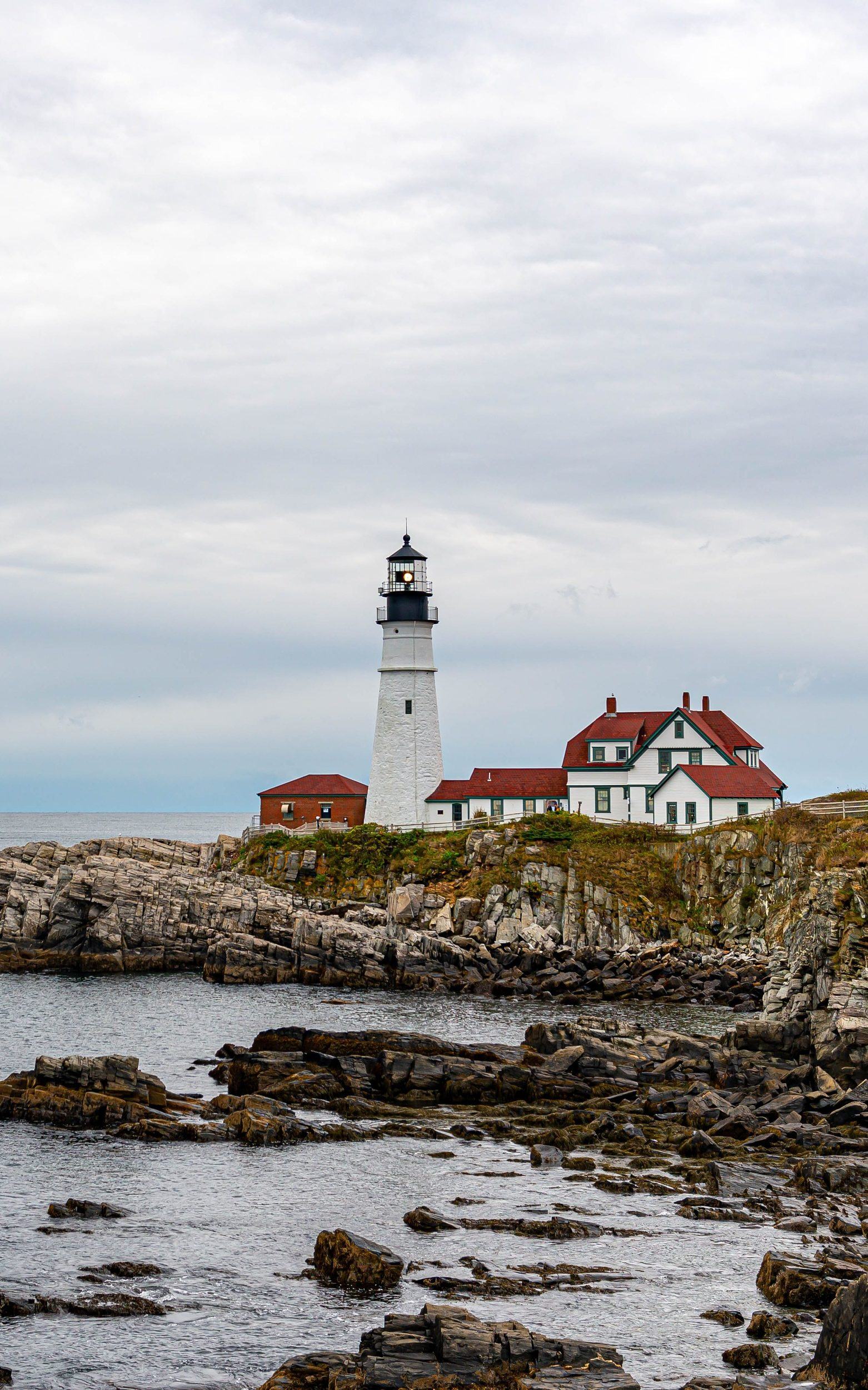
Ideal for travelers seeking maritime history, seafood, and scenic landscapes. This route typically starts and ends in Boston, incorporating stops in Salem, Massachusetts; Portsmouth, New Hampshire; and Portland, Maine. This route is best navigated by car to access the smaller coastal towns that rail lines bypass.
The Southern Coastal Run: Savannah and Charleston
For those preferring a slower pace with a focus on "Lowcountry" culture and antebellum architecture, a 5-day tour of the South focuses on the stretch between Charleston, South Carolina, and Savannah, Georgia. While geographically smaller, the depth of culinary and historical tours in these cities requires the full five days.
Detailed Itinerary: The 250th Anniversary Heritage Route
Given the historical significance of 2026, the following itinerary is the optimized gold standard for a 5 day east coast tour, focusing on the birthplaces of the American experiment.
Day 1: Washington, D.C. – The Power Center
Arrive at Union Station, an architectural marvel in itself. Focus your first day on the National Mall. Since 2024, most Smithsonian museums and the National Archives require free but mandatory timed-entry passes.
- Morning: The National Museum of African American History and Culture or the National Air and Space Museum.
- Afternoon: A walking tour of the Monuments (Lincoln, Vietnam Veterans, and World War II).
- Evening: Dining in the Georgetown district or the Wharf, which has seen significant waterfront development leading into 2026.
Day 2: Washington, D.C. to Philadelphia
Spend the morning at the Library of Congress or the U.S. Capitol. By early afternoon, board an Amtrak train toward Philadelphia (approximately a 1 hour and 45-minute ride).
- Late Afternoon: Check into a hotel in Center City or Old City.
- Evening: Visit Reading Terminal Market, one of America's largest and oldest public markets, to sample local cuisine, including the iconic Philly cheesesteak or roast pork sandwich.
Day 3: Philadelphia – The Cradle of Liberty
In 2026, Philadelphia is the "Host City of the World" for the 250th anniversary. Expect high security and festive atmospheres around Independence National Historical Park.
- Morning: Independence Hall and the Liberty Bell. Reservations for Independence Hall are strictly enforced and should be booked six months in advance via Research.gov.
- Afternoon: The Museum of the American Revolution or the Franklin Institute.
- Evening: Walk the Benjamin Franklin Parkway to the Philadelphia Museum of Art, famous for the "Rocky Steps" and its world-class Impressionist collection.
Day 4: New York City – The Global Hub
Depart Philadelphia early via Amtrak for Moynihan Train Hall in New York City (1 hour and 10 minutes). Drop your luggage and head straight to Midtown.
- Morning: Rockefeller Center and St. Patrick’s Cathedral. For 2026, the "Top of the Rock" offers updated interactive exhibits on the city’s skyline evolution.
- Afternoon: Central Park. Consider a bike rental to cover the loop from the Bethesda Terrace up to the Reservoir.
- Evening: A Broadway show. Use the TKTS booth in Times Square for last-minute discounts or book "Hamilton" or "Wicked" months in advance for 2026 performances.
Day 5: Lower Manhattan and Departure
On your final day, focus on the southern tip of Manhattan, which holds the city’s oldest history and its newest skyscrapers.
- Morning: The 9/11 Memorial & Museum and the One World Observatory.
- Lunch: Stone Street, a cobblestone alley filled with outdoor taverns.
- Afternoon: The Battery and a view of the Statue of Liberty (if time permits, the ferry to Ellis Island takes roughly 3 hours round-trip).
- Departure: Head to JFK, LaGuardia, or Newark for your flight out.
Logistics and Transit Strategy
Navigating the East Coast efficiently is the difference between a relaxing vacation and a stressful commute. For a 5-day window, every hour of transit matters.
Rail vs. Car vs. Air
- Amtrak (The Winner): For the D.C.-Philly-NYC-Boston corridor, the train is superior. It deposits you in the city centers, offers free Wi-Fi, and avoids the unpredictable congestion of I-95.
- Car Rental: Only recommended if your 5 day east coast tour focuses on New England or the Blue Ridge Mountains. In cities like NYC or D.C., parking can exceed $60–$100 per night, and traffic is prohibitive.
- Regional Flights: Generally inefficient for this route. Once you factor in TSA security and airport transfers (e.g., getting from JFK into Manhattan), the train is often faster door-to-door.
2026 Transit Updates
By 2026, the Gateway Program and other infrastructure projects have aimed to improve tunnel capacity between New Jersey and New York. However, travelers should still check the Amtrak Service Alerts page for any weekend maintenance schedules that might shift travel times.
Cost Analysis: Budgeting for 2026
The East Coast is one of the most expensive regions in the United States. A 5 day east coast tour requires a realistic budget for lodging and "last mile" transportation (Ubers, subways).
| Category | Budget (Per Person) | Mid-Range (Per Person) | Luxury (Per Person) |
|---|---|---|---|
| Lodging (4 Nights) | $600 (Hostels/Outer Boroughs) | $1,200 (Boutique Hotels) | $2,500+ (5-Star/Suites) |
| Transportation | $150 (Regional Bus/Subway) | $350 (Amtrak Regional) | $600+ (Acela First Class) |
| Food & Dining | $250 (Street Food/Groceries) | $500 (Sit-down Dinners) | $1,200+ (Michelin Star) |
| Attractions | $150 (Free Museums/1 Tour) | $300 (CityPASS/Broadway) | $700+ (Private Guides) |
| Total Estimated | $1,150 | $2,350 | $5,000+ |
Strategies for Saving
- Multi-City Attraction Passes: Use services like Go City or CityPASS for New York and Philadelphia. These can save up to 40% on admission fees for major landmarks.
- The "Reverse" Route: It is often cheaper to fly into Baltimore (BWI) or Newark (EWR) rather than the major hubs of Reagan National (DCA) or JFK.
- Dining: Lunch is almost always cheaper than dinner for the same menu items at high-end East Coast bistros.
Seasonal Considerations for 2026
The timing of your 5 day east coast tour significantly impacts the experience, especially with the 250th-anniversary events distributed throughout the year.
- Spring (March–May): The Cherry Blossom Festival in D.C. usually peaks in late March or early April. Temperatures are mild (55°F–70°F), but this is peak tourism season for school groups.
- Summer (June–August): July 2026 will be the most crowded month in the history of the East Coast due to the Semiquincentennial. Expect heat and high humidity (85°F+), along with massive crowds in Philadelphia and D.C.
- Autumn (September–November): Often considered the best time to visit. The "leaf-peeping" season in New England peaks in October, while the Mid-Atlantic stays comfortably cool.
- Winter (December–February): New York City is iconic during the holidays (Rockefeller Tree, window displays). However, January and February bring "Nor'easters" (intense snowstorms) that can ground flights and halt trains.
Common Mistakes to Avoid
- Overpacking the Schedule: Many travelers try to see D.C., Philly, NYC, and Boston in five days. This results in spending 40% of the trip in transit. Limit yourself to three cities maximum.
- Ignoring Transit Hubs: Don't just look for "flights to New York." Search for the "NYC Area" which includes EWR, JFK, and LGA. Often, Newark (EWR) is faster to reach from Midtown Manhattan than JFK.
- Missing Reservations: In 2026, you cannot "wing it." The U.S. Mint, the White House (requires Congressional request), and the Statue of Liberty pedestal/crown tours require months of lead time.
- Underestimating Walk Times: East Coast cities are "walkable," but "walkable" in NYC might mean 10 miles in a day. Wear broken-in athletic shoes; leave the dress shoes for dinner.
FAQ: 5 Day East Coast Tour
Is 5 days enough for an East Coast tour?
Five days is sufficient for a focused regional tour, such as the "Heritage Corridor" (D.C., Philly, NYC). It is not enough time to see the entire coast. To avoid burnout, select two anchor cities and spend two days in each, with one day dedicated to transit and a smaller stop-over city like Philadelphia or Baltimore.
Should I rent a car for a 5 day east coast tour?
If you are staying in the major cities (D.C., Philly, NYC, Boston), do not rent a car. The Northeast Corridor has the best public transit in the U.S. Traffic on I-95 is notoriously heavy, and parking fees in Manhattan or D.C. are prohibitively expensive. Only rent a car if you are exploring rural New England or the Virginia countryside.
How much should I budget for a 5-day trip in 2026?
A mid-range traveler should budget approximately $2,350 per person, excluding transcontinental flights. This includes Amtrak tickets, moderate hotel accommodations in city centers, daily meals, and admission to 3-4 major attractions.
What is the best way to travel between D.C. and NYC?
The Amtrak Acela is the premier option, offering business-class seating and speeds up to 150 mph. For a more budget-friendly alternative, the Amtrak Northeast Regional takes about 30 minutes longer but often costs half the price if booked at least 21 days in advance.
Are museums free in Washington, D.C.?
Yes, all Smithsonian Institution museums and the National Zoo are free to the public. However, due to high demand in 2026, many require timed-entry passes which must be reserved online in advance. Private museums, such as the International Spy Museum, do charge admission.
Final Recommendation
For the most impactful 5 day east coast tour in 2026, prioritize the Philadelphia-New York axis. Begin in Philadelphia to experience the Semiquincentennial celebrations at Independence Hall, then take the Amtrak to New York City for the final three days. This pairing offers a perfect balance of colonial history and modern urban energy. Secure all train tickets and museum reservations at least four to six months prior to arrival to ensure availability during this historic year.