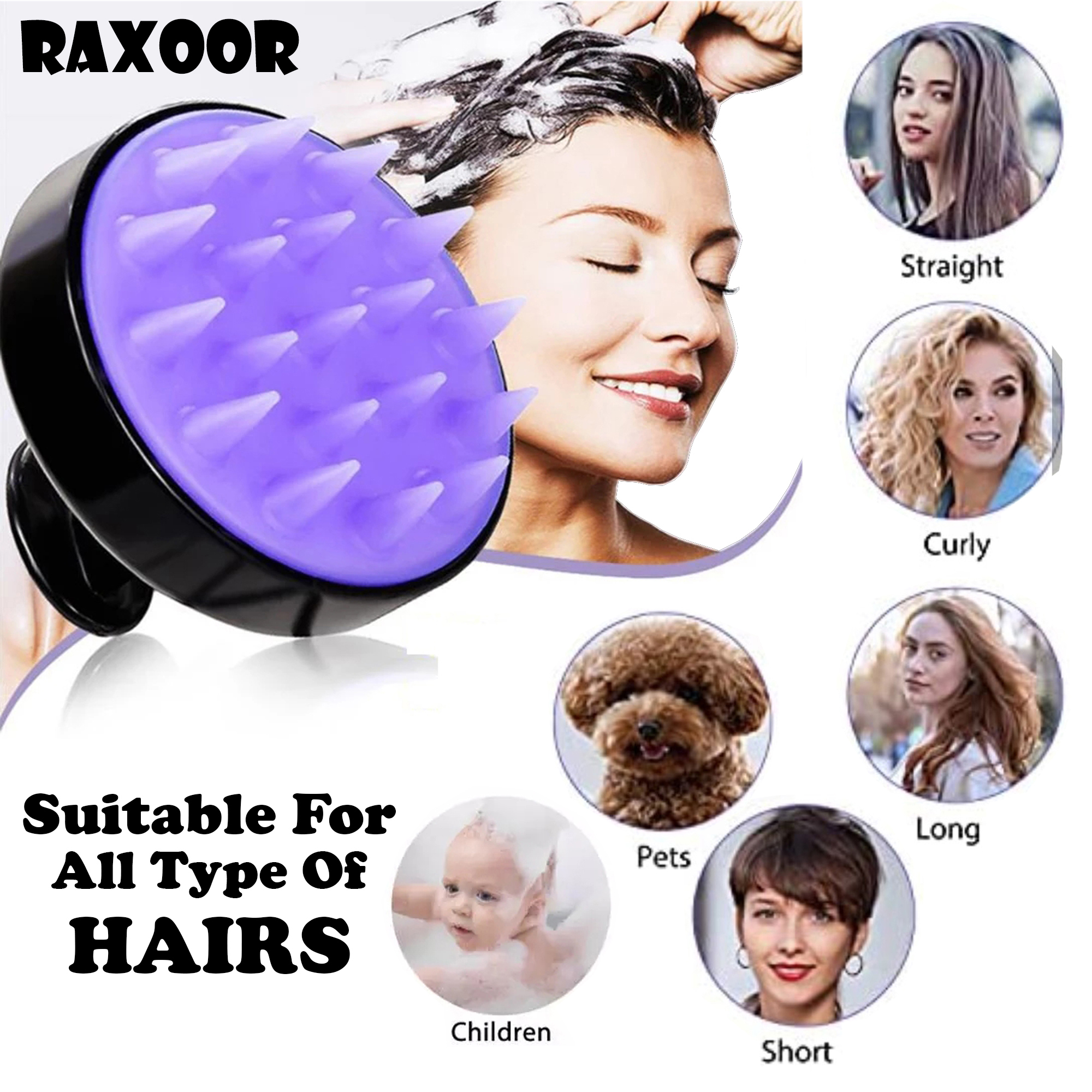
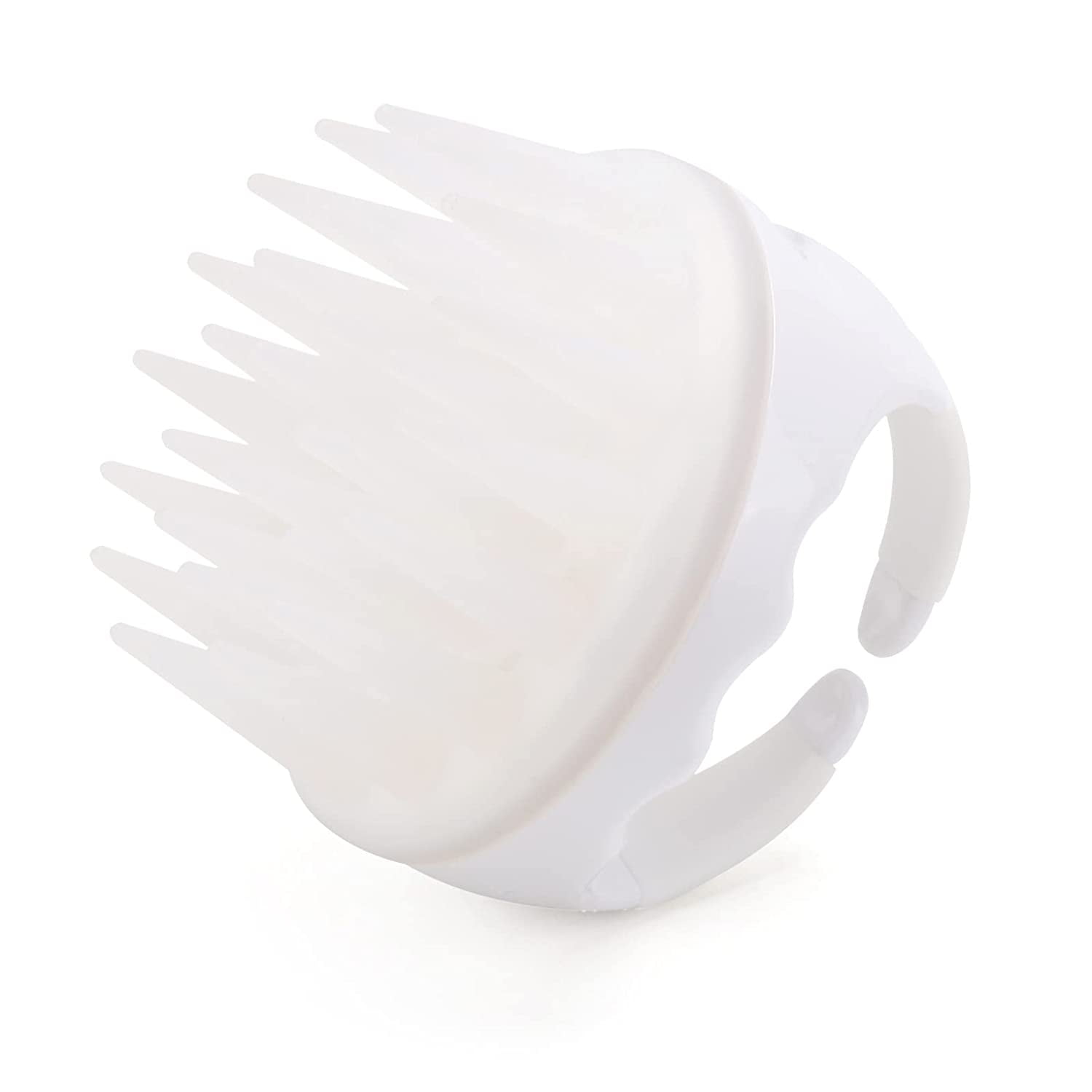
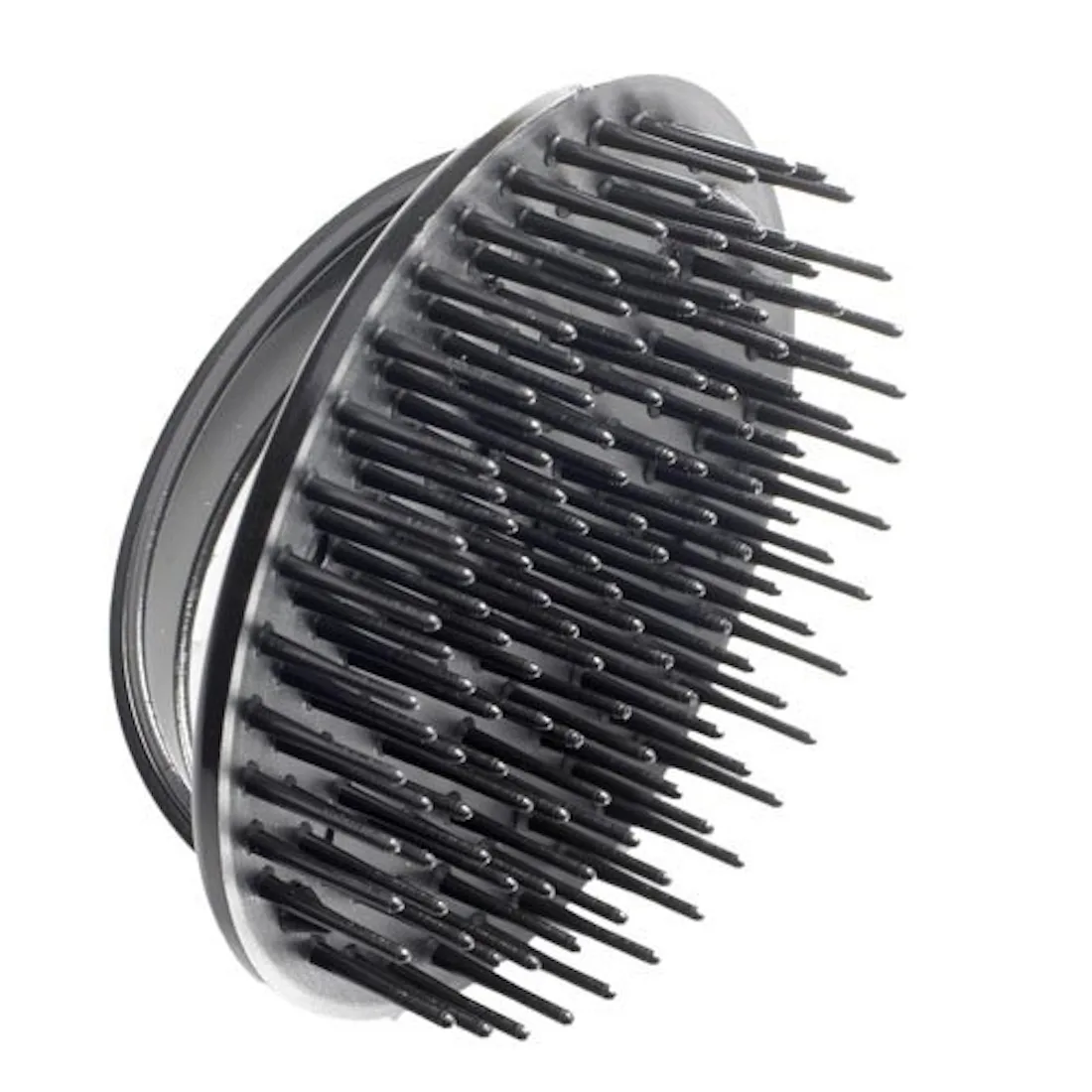
Choosing the right dandruff brush can significantly improve scalp exfoliation, dislodge stubborn flakes, and enhance the distribution of natural oils or medicinal treatments. The best options—ranging from silicone scalp massagers to specialized exfoliating brushes—depend on your specific hair texture, scalp sensitivity, and whether you are managing dry skin, seborrheic dermatitis, or product buildup.
Managing dandruff and stubborn scalp flaking often requires more than just a standard anti-dendruff shampoo. While topical treatments containing active ingredients like ketoconazole, zinc pyrithione, or selenium sulfide target the root causes of flaking, the physical barrier of dead skin cells and sebum can prevent these washes from reaching the scalp effectively. This is where a dedicated dandruff brush—frequently referred to as a scalp scrubber or exfoliating brush—plays an essential role in a comprehensive hair care routine.
Understanding how to select and use these tools safely ensures you protect your skin barrier while maximizing the efficacy of your hair washing regimen.
Understanding Dandruff Brushes: What They Are and How They Work
A dandruff brush, more accurately known in many dermatological and hair care contexts as a scalp massager or silicone shampoo brush, is a handheld manual tool designed to cleanse, exfoliate, and stimulate the scalp. Unlike traditional hair brushes meant for detangling or styling the lengths of your hair, a dandruff brush features short, flexible silicone, rubber, or soft plastic bristles engineered to navigate the hair roots and make direct contact with the skin.
The Mechanics of Scalp Exfoliation
The primary function of a dandruff brush is mechanical exfoliation. The scalp sheds dead skin cells similarly to the skin on the rest of the body. When an overgrowth of Malassezia yeast occurs—the microscopic fungus heavily implicated in dandruff—it accelerates skin cell turnover, leading to clumps of visible flakes.
Using a specialized brush during your shower helps:
- Dislodge dead skin cells: Gentle friction breaks apart clusters of flakes before they become visible on clothing or hair shafts.
- Remove product buildup: Residue from dry shampoos, styling gels, and heavy conditioners can accumulate near hair follicles, creating a breeding ground for irritation and flakes. A brush helps lift this debris.
- Enhance shampoo penetration: By clearing away the initial barrier of sebum and flakes, medicated or clarifying shampoos can make direct contact with the scalp epidermis.
Benefits Beyond Flake Reduction
Beyond managing flaking, integrating a scalp brush into your routine offers secondary benefits supported by anecdotal and dermatological observations. The massaging action stimulates microcirculation in the scalp, increasing blood flow to hair follicles. While a dandruff brush will not cure pattern hair loss, a well-oxygenated and healthy scalp environment supports optimal hair growth conditions. Furthermore, the tactile stimulation provides significant stress relief by releasing tension in the cranial muscles.
The 5 Best Dandruff Brushes and Scalp Scrubbers
To help you navigate the market, here are five highly regarded dandruff brushes and scalp scrubbers evaluated for their ergonomic design, bristle material, ease of cleaning, and suitability for various scalp types.
1. Maxsoft Scalp Care Brush
- Material: 100% food-grade silicone bristles with a rigid plastic handle.
- Best For: All-around daily use, sensitive scalps, and thick hair types.
The Maxsoft Scalp Care Brush is widely considered a gold standard in manual scalp exfoliation. Its soft, flexible silicone tips bend easily, making it virtually impossible to scratch or abrasively tear the scalp skin, even when applying moderate pressure.
Performance and Design: The ergonomic handle features a finger groove that fits securely between your fingers, preventing the tool from slipping out of soapy, wet hands during a shower. The silicone bristles are spaced widely enough to prevent long hair from getting severely tangled, yet densely packed enough to capture loose flakes. It performs exceptionally well when paired with liquid or gel shampoos, working up a rich lather while scrubbing away buildup.
Pros:
- Extremely gentle on sensitive or easily irritated scalps.
- Ergonomic grip prevents slipping when wet.
- Durable, mold-resistant silicone construction.
- Affordable price point.
Cons:
- The hollow cavity beneath the removable silicone pad can trap water if not dried properly, requiring occasional dismantling for deep cleaning.
2. Heeta Hair Scalp Massager Brush
- Material: Soft, thick silicone bristles with a waterproof, solid-body design.
- Best For: Travel, durability, and deep lather distribution.
The Heeta Hair Scalp Massager shares similarities with the Maxsoft model but features a distinct solid-body, one-piece or tightly sealed construction that prevents water from seeping into the interior cavity. This makes it a hygienic option for humid bathrooms and travel kits.
Performance and Design: The bristles on the Heeta brush are slightly firmer than ultra-soft alternatives, making them ideal for individuals with thick, dense hair or curly textures that require extra penetration to reach the scalp surface. It acts as an effective tool for distributing thick conditioning treatments or scalp oils during pre-shampoo treatments.
Pros:
- Sealed design prevents water accumulation and mold growth inside the handle.
- Excellent at penetrating thick, coarse, or curly hair textures.
- Sturdy build quality with a long operational lifespan.
Cons:
- Firmer silicone tips may feel too intense for individuals with severe inflammatory scalp conditions or open sores.
3. Vitagoods Scalp Massaging Shampoo Brush
- Material: Rubberized exterior with vibrating motor and rubber tips.
- Best For: Enhanced relaxation and deep mechanical stimulation.
For those looking to upgrade from a standard manual brush, the Vitagoods Scalp Massaging Shampoo Brush incorporates a battery-powered vibrating mechanism designed to amplify the cleansing and relaxing experience.
Performance and Design: Operating on standard batteries, this device delivers high-frequency micro-vibrations to the scalp while you manually move it across your head. The vibration helps shake loose stubborn, adherent scales that manual scrubbing alone might miss. The rubber tips are gentle, and the textured, water-resistant handle ensures a secure hold.
Pros:
- Vibrating action provides superior mechanical dislodgment of stubborn flakes.
- Offers a spa-like massaging experience.
- Battery-operated for cordless shower use.
Cons:
- Requires battery replacements and proper sealing maintenance to avoid water damage to the battery compartment.
- Heavier and bulkier than manual silicone brushes.
4. Briogeo Scalp Revival Stimulating Therapy Brush
- Material: Custom-designed plastic handle with flexible, rounded rubber tips.
- Best For: Precision detangling and pairing with exfoliating scalp scrubs.
The Briogeo Scalp Revival Brush is a premium aesthetic tool engineered specifically to complement exfoliating hair care regimens, such as sugar- or salt-based scalp scrubs.
Performance and Design: Unlike circular palm-grip scrubbers, this brush features a traditional handle shape with a wide, paddle-like head covered in conical rubber bristles. The design allows for precise directional control, making it easy to sweep through hair sections. The tips are firm enough to work gritty physical scrubs through thick hair without scratching the scalp.
Pros:
- Traditional handle offers familiar maneuvering.
- Excellent pairing for pre-shampoo exfoliating scrubs and clarifying treatments.
- Sleek, high-end design.
Cons:
- Higher price point compared to basic silicone palm brushes.
- Handle may feel slightly slick when coated in heavy hair oils or conditioner.
5. Koala Eco Wooden Scalp Brush
- Material: Sustainably sourced wood handle with natural rubber bristles.
- Best For: Eco-conscious consumers and dry scalp massage.
The Koala Eco Wooden Scalp Brush offers an environmentally sustainable alternative to synthetic plastic and silicone scrubbers, utilizing biodegradable or natural components.
Performance and Design: Featuring a polished wooden grip and flexible natural rubber pins, this brush is exceptionally well-suited for dry scalp massages outside of the shower. It helps distribute natural sebum from the roots down the hair shaft while gently lifting dry flakes before a wash.
Pros:
- Made with sustainable materials, reducing plastic waste.
- Ideal for dry brushing and scalp oil distribution.
- Attractive minimalist aesthetic.
Cons:
- Wood components require careful drying after showers; prolonged exposure to standing water can degrade the finish or warp the material.
- Less effective for heavy wet-shampoo lathering compared to 100% silicone models.
Comparison of the Top Dandruff Brushes
| Product Name | Bristle Material | Primary Benefit | Best Hair Type | Water Resistance |
|---|---|---|---|---|
| Maxsoft Scalp Care Brush | 100% Silicone | Gentle daily exfoliation | Fine to Medium | Moderate (hollow cavity) |
| Heeta Hair Scalp Massager | Thick Silicone | Deep penetration | Thick, Curly, Coarse | High (sealed body) |
| Vitagoods Scalp Massager | Rubber Tips + Motor | Vibrating flake removal | All Hair Types | Moderate (battery-powered) |
| Briogeo Scalp Revival | Rounded Rubber | Scrub and product pairing | All Hair Types | High |
| Koala Eco Wooden Brush | Natural Rubber/Wood | Dry brushing and oils | Straight, Wavy | Low (wood maintenance required) |
How to Choose the Right Dandruff Brush for Your Scalp Type
Selecting the correct brush requires assessing your scalp's sensitivity level and hair architecture. Using an overly aggressive tool on an inflamed scalp can worsen irritation, while a brush that is too soft may fail to penetrate thick hair densities.
Assessing Scalp Sensitivity
- Mild Dryness & Simple Flaking: If your dandruff is mild and primarily caused by seasonal dryness or minor product buildup, standard silicone brushes (like Maxsoft or Heeta) provide ample exfoliation without risking micro-tears.
- Severe Seborrheic Dermatitis: If you suffer from thick, yellowish scales, redness, or inflammation characteristic of seborrheic dermatitis, proceed with caution. Choose ultra-soft silicone tips and use extremely light pressure. Never use a brush over open, bleeding, or severely cracked skin.
- Psoriasis: Individuals with scalp psoriasis should consult a dermatologist before using physical scrubbers, as mechanical friction can trigger the Koebner phenomenon (where skin trauma induces new psoriatic plaques).
Hair Texture Considerations
- Fine or Thin Hair: Requires softer, flexible silicone bristles. Firmer plastic pins can pull or snag fine strands, leading to breakage.
- Thick, Coarse, or Curly Hair: Requires firmer bristles or greater bristle length to push past dense hair layers and make direct contact with the scalp. Soft bristles may bend uselessly against thick hair curls.
Step-by-Step Guide: How to Use a Dandruff Brush Properly
Using a dandruff brush incorrectly can result in tangled hair and skin irritation. Follow these structured steps to maximize effectiveness and safety during your hair washing routine.
- Pre-Detangle Your Hair: Before stepping into the shower or applying shampoo, gently brush your hair with a standard detangling brush. Trying to use a scalp scrubber on tangled wet hair will cause severe knotting and hair breakage.
- Apply Shampoo to the Scalp: Wet your hair thoroughly, then apply your preferred anti-dendruff or clarifying shampoo directly to the roots and scalp. Work it in slightly with your fingertips.
- Use Circular Motions (Avoid Scrubbing Back and Forth): Hold the brush handle comfortably in your palm. Place the bristles against your scalp and use gentle, small circular motions. Avoid aggressive back-and-forth scrubbing or vigorous scratching with the tips, as this tangles hair and abrades the skin.
- Work Systematically: Start at the front hairline and slowly work your way back toward the crown and nape of the neck, ensuring you cover the entire scalp evenly.
- Regulate Pressure: Let the flexibility of the bristles do the work. Pressing down hard does not clean better; it only increases friction and potential irritation. Spend about 2 to 3 minutes massaging the scalp.
- Rinse Thoroughly: Rinse your hair and scalp completely to remove all loosened flakes and residual shampoo. Follow up with your conditioner applied strictly to the mid-lengths and ends.
Common Mistakes to Avoid
Even with the best tools, improper handling can diminish results or damage hair health. Avoid these frequent pitfalls:
- Pressing Too Hard: Believing that "more pressure equals cleaner skin" is a common error. Excessive pressure can inflame hair follicles, cause contact dermatitis, and break hair strands at the root.
- Skipping Post-Use Cleaning: Dead skin cells, sebum, and shampoo residue cling to brush bristles. If left unwashed, the brush becomes a breeding ground for bacteria and mold. Always rinse your brush thoroughly after every use and let it air dry in a well-ventilated area.
- Using on Dry, Tangled Hair (With Wet-Use Brushes): Unless you are using a specific dry-brushing tool like the Koala Eco wooden brush, never drag a wet-shampoo brush through dry, unwashed hair. It will catch on knots and rip hair shafts.
- Sharing Your Brush: Scalp conditions like seborrheic dermatitis involve microbial imbalances (Malassezia yeast). Sharing your scalp brush with family members can cross-contaminate and spread skin oils or irritation.
Maintaining and Cleaning Your Dandruff Brush
To ensure your dandruff brush remains hygienic and functional over months of use, proper maintenance is essential:
- Daily Rinse: Immediately after your shower, run hot water over the bristles and squeeze or tap the brush to expel trapped water and soap suds.
- Weekly Deep Clean: Once a week, remove the silicone pad from the plastic handle (if your model is detachable) or soak the entire brush in a bowl of warm water mixed with a few drops of clarifying shampoo or antibacterial dish soap. Use an old toothbrush to scrub between the bristles and remove trapped lint or oils.
- Sanitization: If you are managing a stubborn fungal flare-up, periodically sanitize your silicone brush by submerging it in a mixture of water and isopropyl alcohol, or place it in a bowl of boiling water for 1 to 2 minutes (verify that the manufacturer's material can withstand high heat).
- Replacement Schedule: Inspect your brush every few months. If silicone bristles become warped, stiff, or split, or if mold begins to form in unreachable internal cavities, discard and replace the tool.
When to See a Professional
While a high-quality dandruff brush is an excellent accessory for managing everyday flakes, product buildup, and mild seborrheic dermatitis, it is not a cure-all medical treatment.
You should consult a board-certified dermatologist if you experience:
- Persistent scaling and itching that does not improve after 4 to 6 weeks of using over-the-counter anti-dendruff shampoos and proper brushing techniques.
- Severe redness, swelling, oozing, or crusting on the scalp.
- Hair loss or patchy thinning accompanying the flaking.
- Intense burning or pain on the scalp surface.
A dermatologist can accurately diagnose underlying conditions such as severe scalp psoriasis, contact dermatitis, or stubborn fungal infections and prescribe targeted topical treatments or oral medications.
Conclusion
Incorporating a dandruff brush into your hair care routine transforms how you cleanse and exfoliate your scalp, helping to clear away stubborn flakes and optimize the performance of medicated shampoos. By selecting a tool tailored to your hair texture and scalp sensitivity—such as the gentle Maxsoft silicone brush or the heavy-duty Heeta massager—and practicing correct circular washing techniques, you can maintain a healthier, cleaner, and flake-free scalp environment. Always prioritize gentle pressure, keep your tools impeccably clean, and consult a medical professional if symptoms persist.