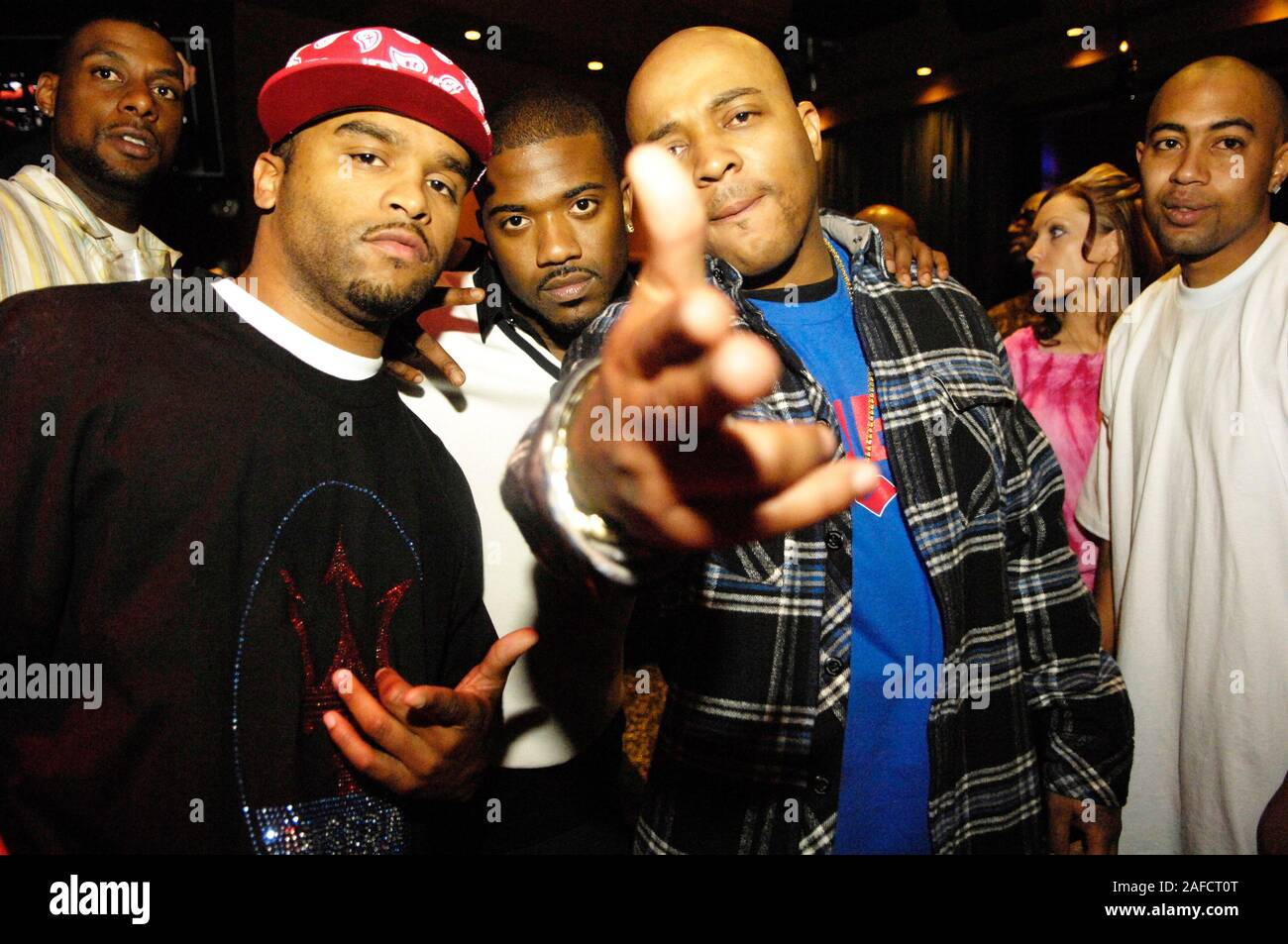
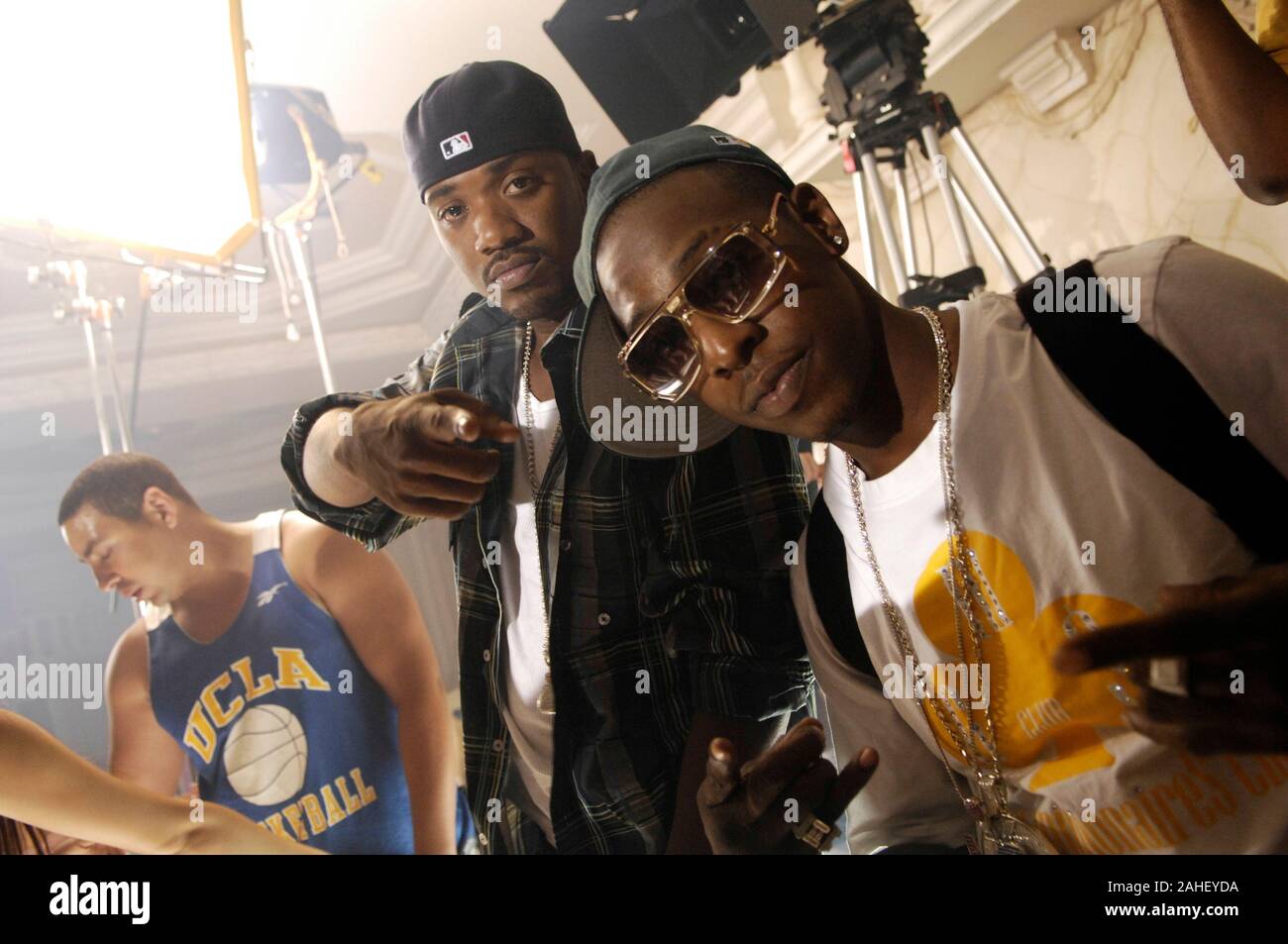
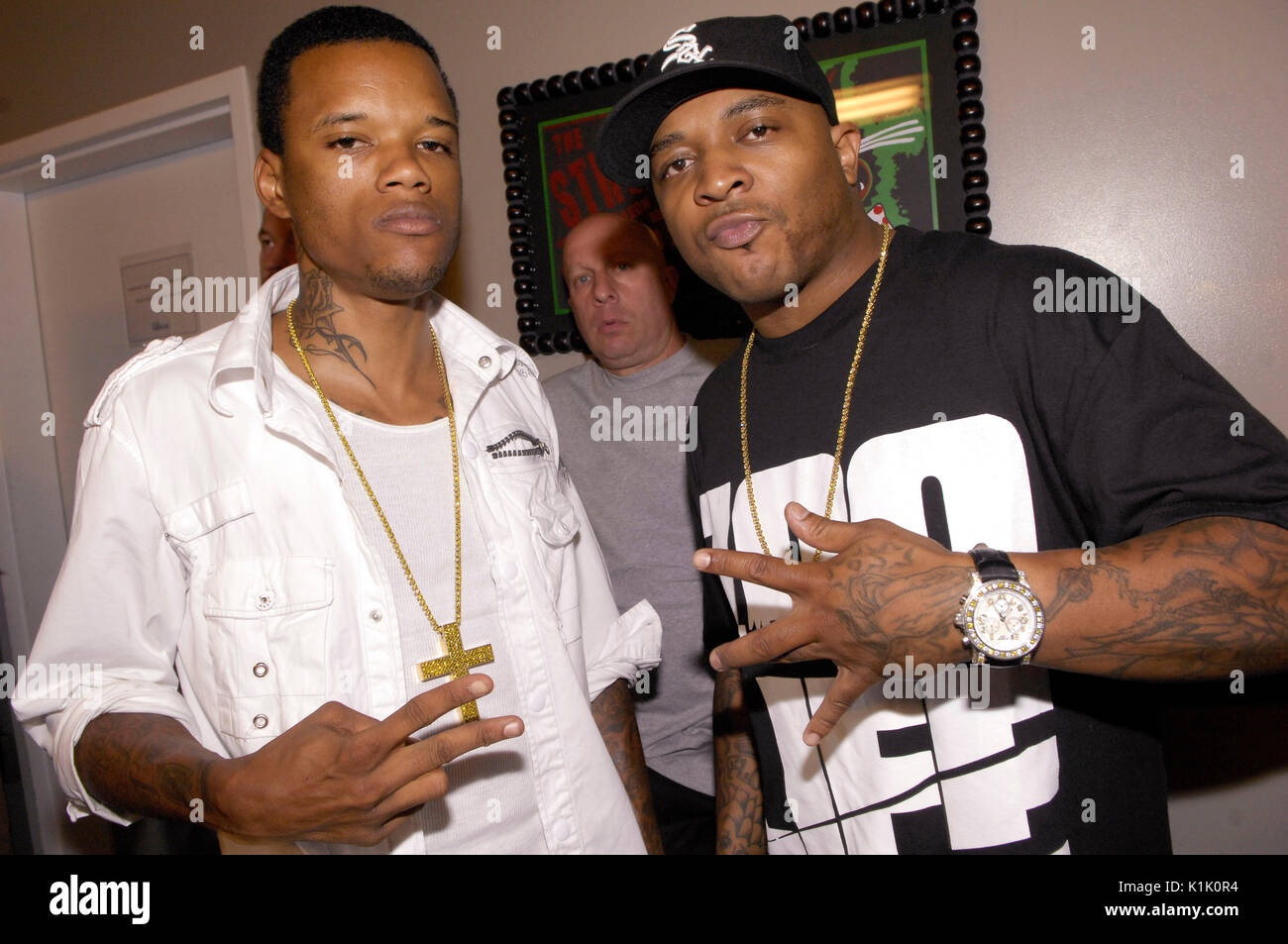
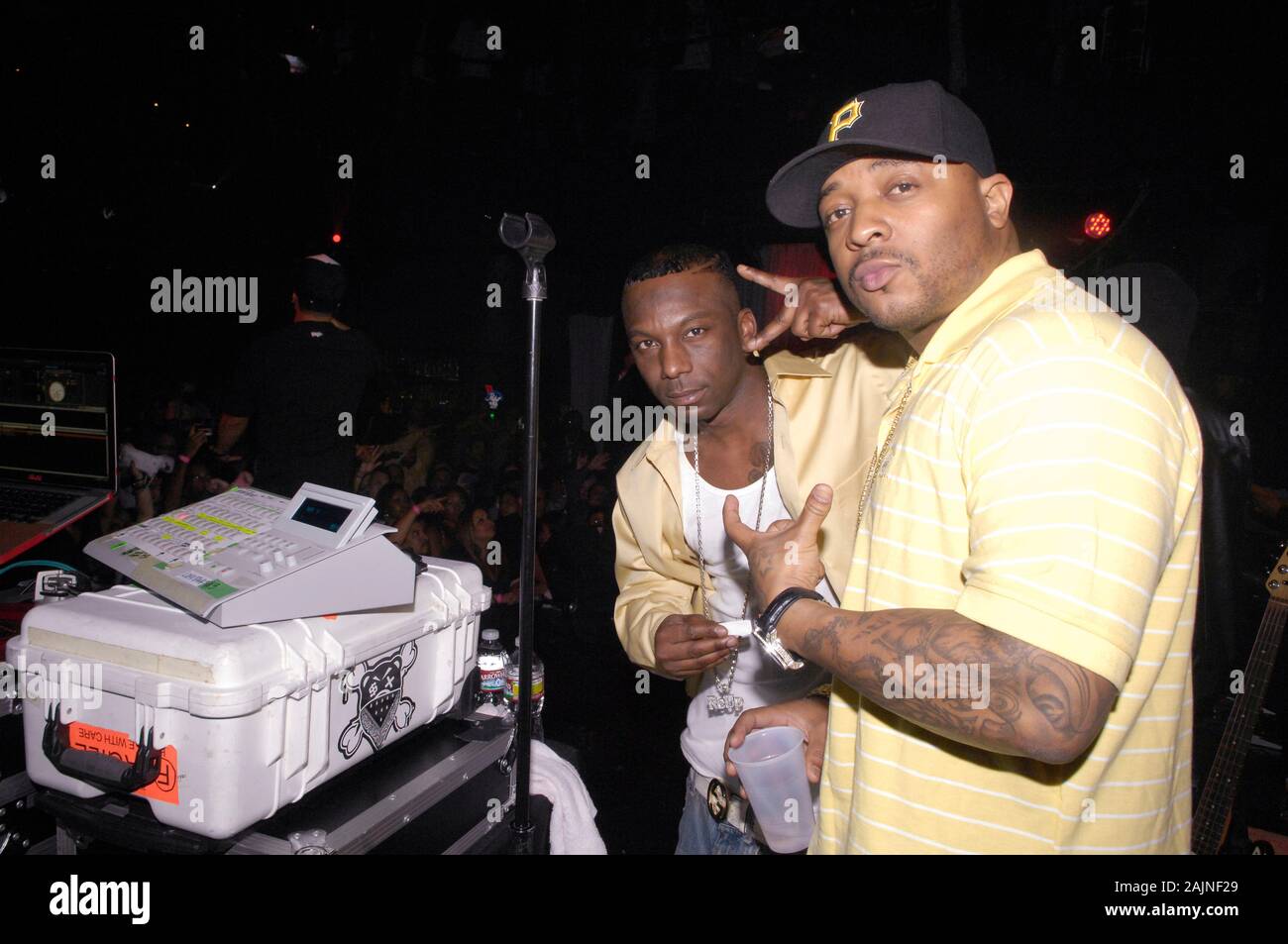
40 Glocc, born Lawrence Tyree White, is a West Coast rapper and member of the Zoo Life Entertainment collective, primarily known for his association with G-Unit and Mobb Deep. His career is defined by gritty street lyricism, high-profile industry feuds, and significant legal challenges, including a widely publicized physical altercation and lawsuit involving the rapper The Game.
In the landscape of West Coast hip-hop, few figures have occupied as polarizing a space as 40 Glocc. While many artists transition from street life to the music industry as a means of escape, White’s career often saw the two worlds collide in ways that generated as many headlines for his extracurricular activities as for his music. As of 2026, he remains a significant figure in the historical context of the mid-2000s "G-Unit era," representing a specific brand of hyper-aggressive, gang-affiliated rap that dominated the regional scene during that period.
The Origins of Lawrence White and the Rise of the Zoo Crew
Born in Galveston, Texas, in 1975, Lawrence White moved to Colton, California, during his youth. Colton, a city in the Inland Empire region of Southern California, became the backdrop for his formative years and his eventual entry into the "Colton City Crips." This geographic identity is central to his persona; he frequently references the "909" area code and the "Zoo," a nickname for the apartment complex and neighborhood where he and his associates operated.
The formation of the Zoo Crew—later stylized as Zoo Life Entertainment—was White’s first major step into the music business. The collective was more than just a rap group; it was a branding effort for his neighborhood’s lifestyle. Unlike the polished, radio-friendly sounds coming out of Los Angeles at the time, 40 Glocc’s early work was characterized by a raw, unrefined energy that prioritized street authenticity over commercial viability. This authenticity caught the attention of industry veterans who were looking for the next "hard" sound to follow the success of 50 Cent’s G-Unit.
The G-Unit and Infamous Records Connection
The trajectory of 40 Glocc’s career changed significantly when he aligned himself with Mobb Deep, the legendary Queensbridge duo consisting of Prodigy and Havoc. At the time, Mobb Deep had signed with 50 Cent’s G-Unit Records, and they brought 40 Glocc into the fold under their own imprint, Infamous Records.
This partnership was strategic for both parties. For G-Unit, 40 Glocc provided a legitimate West Coast "enforcer" presence, which was valuable during an era when 50 Cent was engaged in multiple regional beefs. For 40 Glocc, the association provided a global platform and access to high-level production. During this period, he appeared on various G-Unit mixtapes and collaborated with heavy hitters like Tony Yayo, Lloyd Banks, and Young Buck.
The Significance of "The Ocean Drive"
In 2003, White released The Ocean Drive, an album that many fans consider his most cohesive body of work. Released through Empire Music Group, the project featured guest appearances from Tray Deee and Bad Azz, grounding the album firmly in the West Coast G-funk tradition while incorporating the harder edge of the burgeoning "trap" sound. The album served as a proof of concept for his potential as a solo artist, demonstrating that he could carry a full-length project beyond guest verses.
The Infamous Feud with The Game
No discussion of 40 Glocc is complete without addressing his long-standing and often violent rivalry with fellow California rapper The Game. This feud represents one of the most documented "street beefs" in the digital age of hip-hop, transitioning from lyrical disses to physical confrontations captured on video.
The tension peaked in July 2012 during a party in the Hollywood Hills. A video surfaced online showing The Game and his entourage confronting 40 Glocc. In the footage, The Game appears to strike 40 Glocc multiple times while 40 Glocc attempts to retreat. The video went viral, significantly damaging 40 Glocc’s "tough guy" reputation within the hip-hop community.
Legal Aftermath and the Lawsuit
Following the incident, 40 Glocc took the unorthodox step—within the context of gang-affiliated rap—of filing a lawsuit against The Game. He sought millions of dollars in damages, citing battery, emotional distress, and defamation. 40 Glocc argued that the video was edited to make the encounter look one-sided and that he was held at gunpoint by The Game’s security during the assault.
The legal battle lasted for years. In 2016, a judge ruled in favor of 40 Glocc, but the financial victory was far from what he had requested. The court awarded him roughly $3,000 in damages—a nominal amount compared to the millions sought. The lawsuit further polarized his fan base; while some saw it as a legitimate pursuit of justice for an unprovoked attack, others in the hip-hop community criticized the "snitching" nature of taking a street dispute to a courtroom.
Legal Challenges and Career Stalls
Throughout his career, 40 Glocc’s momentum was frequently interrupted by the legal system. His criminal record, which includes charges ranging from weapons possession to grand theft, often mirrored the themes of his music, creating a cycle of incarceration and attempted "comebacks."
The 2017 Identity Theft Case
One of the most significant blows to his career occurred in 2017 when he was arrested in Minnesota. White was charged with multiple felonies related to an identity theft and credit card fraud ring. Investigators alleged that he and his associates were involved in a sophisticated scheme to use stolen personal information to create fraudulent credit cards.
In 2018, he pleaded guilty to identity theft and was sentenced to prison. This incarceration effectively removed him from the music scene during a time when streaming platforms were revolutionizing how independent artists earned revenue. By the time he was released, the landscape of West Coast rap had shifted toward a new generation of artists like Roddy Ricch and Blueface, leaving 40 Glocc to navigate a much different industry environment.
Musical Analysis and Style
40 Glocc’s musical style is best described as "Reality Rap" or "Street Reportage." He does not employ the complex metaphors of an East Coast lyricist or the melodic sensibilities of the modern "mumble rap" era. Instead, his strength lies in his delivery—a raspy, aggressive bark that conveys a sense of immediate danger.
Discography Highlights
| Project Title | Year | Notable Features | Primary Label |
|---|---|---|---|
| The Ocean Drive | 2003 | Tray Deee, Bad Azz | Empire Music Group |
| That New Nigga | 2011 | Akon, Snoop Dogg | Zoo Life / Infamous |
| Seedless | 2012 | E-40, Snoop Dogg | Zoo Life |
| Concrete Jungle | 2012 | G-Unit, Mobb Deep | Infamous Records |
His 2011 album, That New Nigga, was intended to be his commercial breakthrough. It featured high-profile guest spots from Akon and Snoop Dogg, attempting to blend his street sound with more melodic, radio-friendly hooks. While the album received moderate attention from West Coast enthusiasts, it failed to achieve the mainstream success enjoyed by his G-Unit counterparts.
The "Zoo Life" Brand and Independent Hustle
Despite his setbacks, 40 Glocc remained a pioneer in the independent "hustle" of the mid-2000s. He was an early adopter of using social media and digital platforms to maintain his brand. Through Zoo Life Entertainment, he marketed apparel, promoted DVD magazines, and managed a roster of local talent.
This entrepreneurial spirit allowed him to remain relevant in the "underground" circuit even when he lacked a major label deal. He understood that in the modern era, a rapper's brand is often more valuable than their actual music sales. By maintaining a constant presence on platforms like WorldStarHipHop and Twitter (now X), he kept his name in the conversation, for better or worse.
Legacy in the West Coast Rap Scene
As we look at his position in 2026, 40 Glocc is viewed as a bridge between the traditional gangsta rap of the 1990s and the social media-driven "clout" culture of the 2010s. He was one of the first artists to experience the devastating power of a viral video on a street reputation, a phenomenon that has since become commonplace in the industry.
His legacy is one of missed opportunities and raw talent overshadowed by conflict. While he possessed the charisma and the backing (via 50 Cent and Prodigy) to become a major star, his inability to separate his professional life from his street affiliations ultimately limited his ceiling. However, for historians of the Inland Empire rap scene, he remains a foundational figure who put Colton on the map.
Frequently Asked Questions
Is 40 Glocc still signed to G-Unit?
No, 40 Glocc is no longer officially signed to G-Unit Records. His association with the label was primarily through Mobb Deep’s Infamous Records during the mid-to-late 2000s. While he maintains a relationship with some former members, he has operated as an independent artist under his own Zoo Life Entertainment imprint for over a decade.
What happened in the lawsuit between 40 Glocc and The Game?
After a physical altercation in 2012, 40 Glocc sued The Game for assault and defamation. While he eventually won the case in 2016, the judge only awarded him approximately $3,000, citing that his damages were not as extensive as claimed. The lawsuit was highly controversial within the hip-hop community.
What are 40 Glocc's most popular songs?
Some of his most recognized tracks include "Cali Boy," "Hustle It Up" (featuring Akon), and his various guest appearances on G-Unit mixtapes. His collaboration with Mobb Deep and the G-Unit roster on projects like Concrete Jungle also remains popular among fans of that era.
Has 40 Glocc released any new music recently?
Since his release from prison following his 2018 sentencing, his output has been sporadic. He has focused more on digital content and promoting his Zoo Life brand. However, he continues to release singles and features through independent digital distribution channels.
What is the meaning behind the name "40 Glocc"?
The name is a reference to the .40 caliber Glock handgun, a common firearm referenced in street rap. It aligns with his persona of being "strapped" and ready for conflict, a theme that pervades almost his entire discography.
Final Recommendation for Fans and Researchers
For those looking to understand the evolution of West Coast hip-hop in the 21st century, studying 40 Glocc’s career offers valuable insights into the intersection of gang culture, digital media, and the music industry. To get the best sense of his musical contribution, start with The Ocean Drive (2003) for a glimpse of his raw potential, then move to his G-Unit era mixtapes to see how he fit into the larger national hip-hop landscape of the 2000s. Researchers should view his career as a cautionary tale of how the "authenticity" required by the rap genre can sometimes become a professional liability.