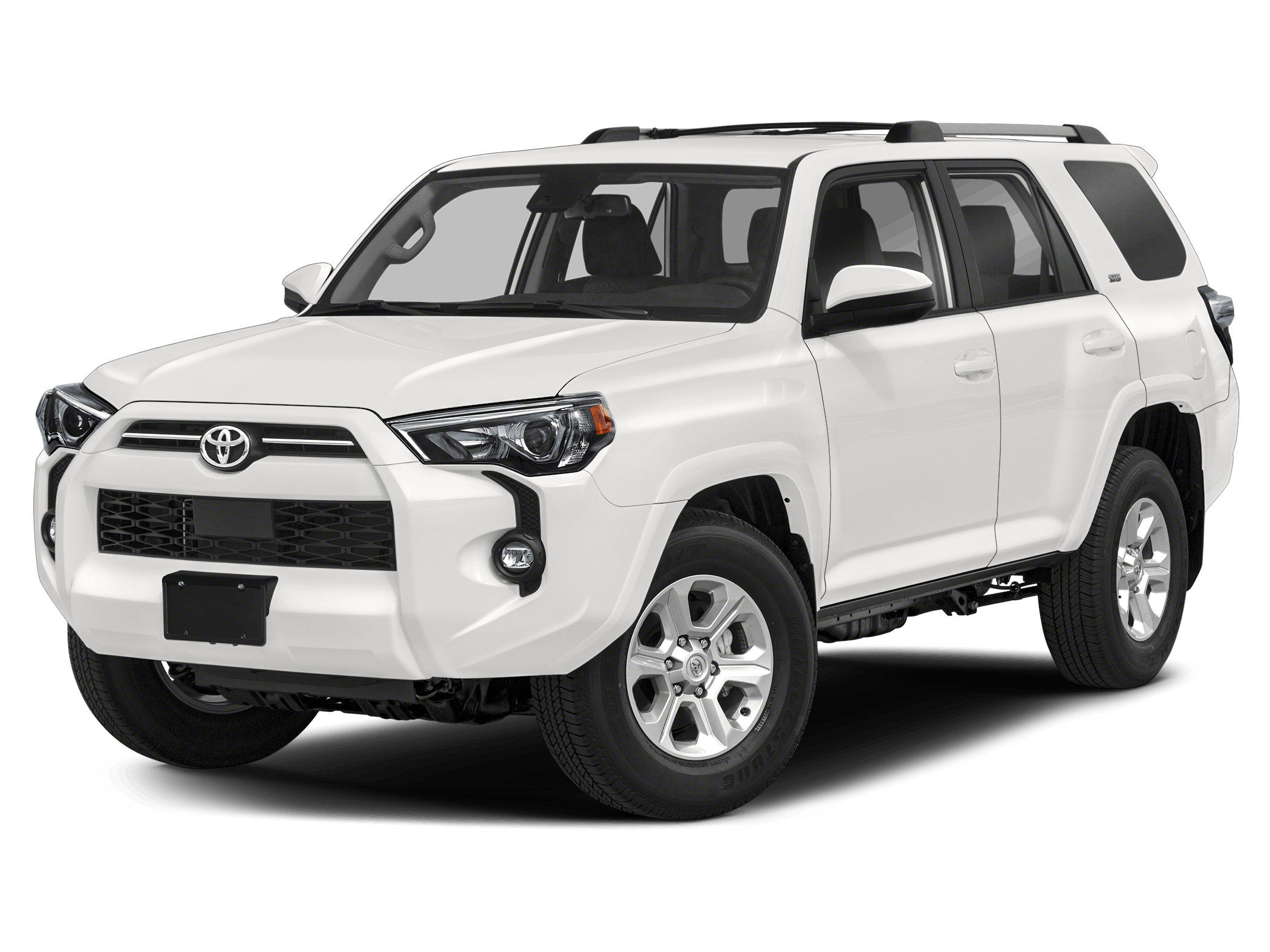
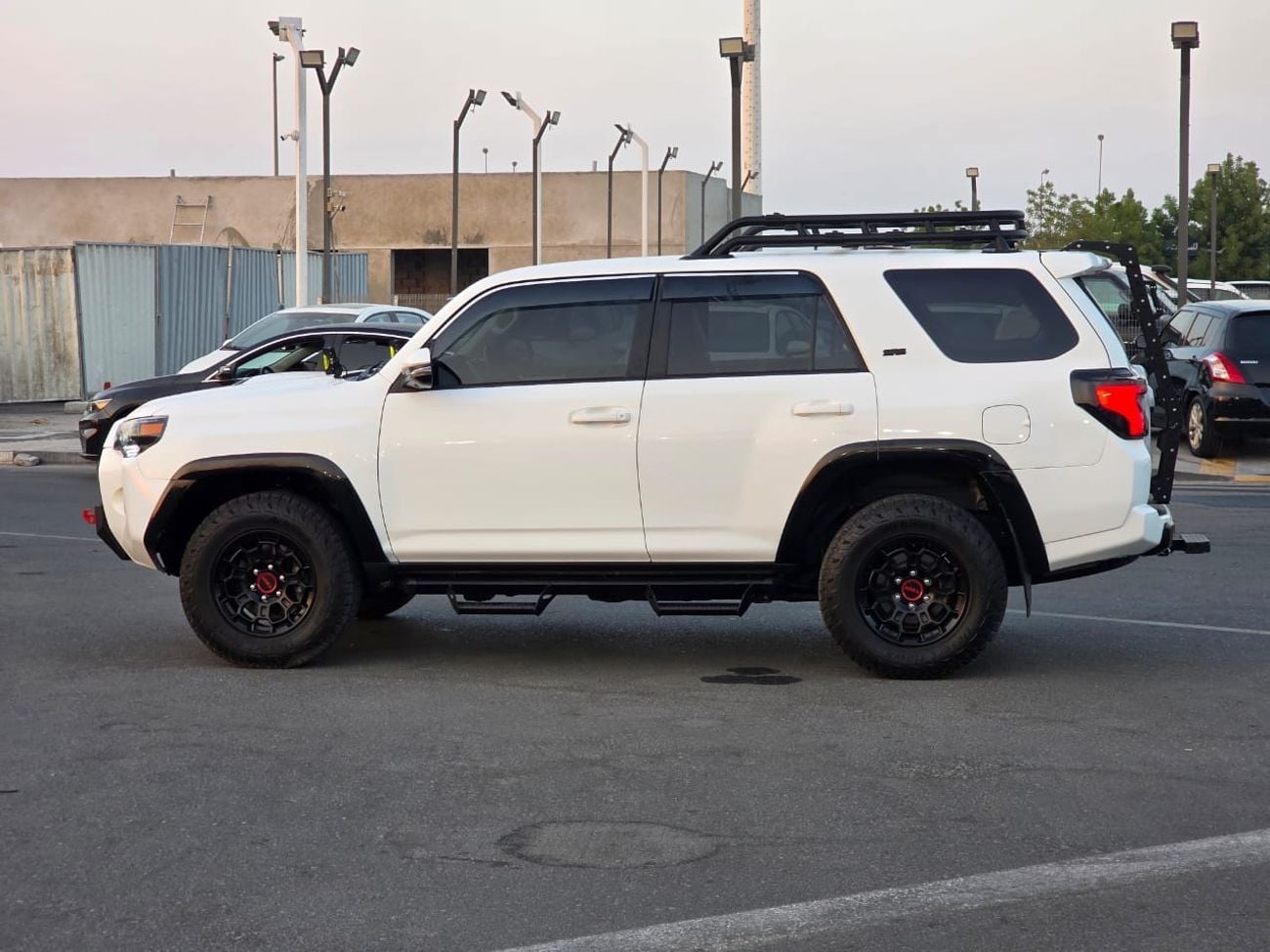
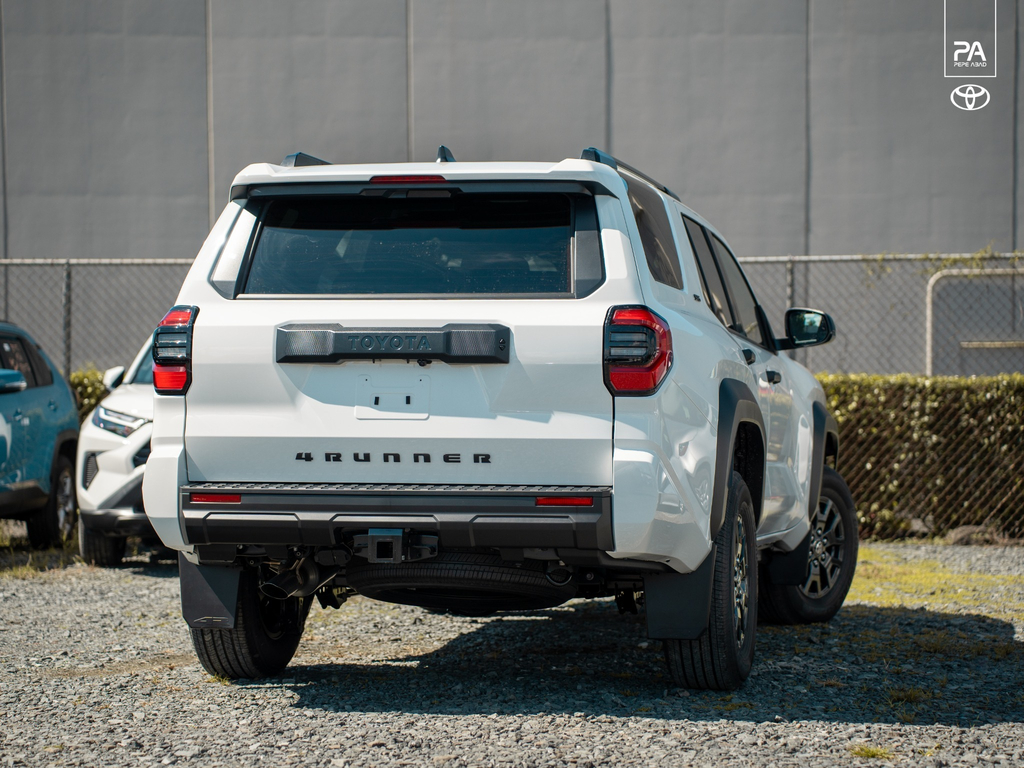
Choosing between the Toyota 4Runner SR5 and the Limited requires balancing rugged utility against premium comfort. The SR5 serves as the quintessential off-road-ready base, featuring a part-time 4WD system and 17-inch wheels. Conversely, the Limited offers a sophisticated full-time 4WD system, X-REAS sport-tuned suspension, and luxury-grade leather upholstery for superior on-road refinement.
The Toyota 4Runner has long been a staple of the SUV world, known for its "body-on-frame" construction and legendary reliability. As we navigate 2026, the distinction between the SR5 (Sport Rally 5-Speed) and the Limited remains a pivotal decision point for buyers. While they share the same DNA—including the high-clearance architecture and the powerful i-FORCE turbocharged engines introduced in the newest generation—their intended environments differ significantly.
One is a blank canvas for enthusiasts and weekend warriors; the other is a feature-rich cruiser designed to tackle inclement weather and daily commutes with executive-level grace. To decide which fits your lifestyle, we must analyze the drivetrain mechanics, interior appointments, and long-term ownership costs.
Drivetrain and Mechanical Differences: The Core Distinction
The most significant technical divergence between the SR5 and the Limited lies beneath the floorboards. While both are highly capable, they utilize different philosophies of power delivery.
SR5: The Traditional Part-Time 4WD
The SR5 typically comes standard with rear-wheel drive (RWD), with an available part-time 4WD system. This system uses a manual or electronic transfer case that allows the driver to switch between 2WD (for fuel efficiency on dry pavement) and 4WD High or 4WD Low.
In a part-time system, the front and rear axles are locked together when 4WD is engaged. This is ideal for loose dirt, deep snow, or mud. However, because there is no center differential to allow the wheels to spin at different speeds, you cannot drive the SR5 in 4WD on dry, high-traction pavement without risking "driveline bind," which can damage the transmission and axles.
Limited: The Sophisticated Full-Time 4WD
The Limited trim takes a different approach by utilizing a Full-Time 4WD system equipped with a Torsen limited-slip center differential with a locking feature. This is a major selling point for those living in regions with "variable" road conditions—such as patches of ice followed by dry asphalt.
The center differential allows the vehicle to distribute torque to the wheels that need it most while still allowing for the speed differences required for turning on dry pavement. You can leave the Limited in 4WD indefinitely. For serious off-roading, you can still lock the center differential to mimic the locked performance of the SR5. This makes the Limited the more versatile "set it and forget it" option for daily safety.
Performance and Handling: X-REAS vs. Standard Suspension
In 2026, the 4Runner's ride quality has reached new heights, but the Limited still holds a unique advantage in on-road handling.
X-REAS Sport Enhancement Suspension
The Limited trim is exclusively equipped with the X-REAS (Cross-Linked Relative Absorber System). This technology links the shock absorbers at opposite corners of the vehicle (front-left to rear-right and front-right to rear-left) via a central control valve.
When the vehicle enters a corner, the system cross-regulates the oil pressure in the shocks to counteract body roll and "nose dive" during braking. The result is a 4Runner that feels much more planted and less "boaty" on winding roads. However, off-road enthusiasts should note that X-REAS can be expensive to repair and is often the first thing removed when installing aftermarket lift kits.
SR5 Standard Coil-Spring Suspension
The SR5 uses a traditional coil-spring independent double-wishbone front suspension and a multi-link rear suspension. It is tuned for a balance of durability and compliance. While it exhibits more body roll on the highway than the Limited, it is easier and cheaper to modify. If your plan is to install a reputable suspension lift kit, the SR5 is the logical choice because you aren't paying for the expensive X-REAS hardware you intend to discard.
Interior Comfort and Technology: Utility vs. Premium
Stepping inside these two trims reveals two very different environments. While the layout is identical, the materials and convenience features create a stark contrast.
Seating and Materials
- SR5: The base SR5 comes with durable fabric seating, though the SR5 Premium sub-trim upgrades this to SofTex. SofTex is a synthetic leather that is highly resistant to spills and UV rays, making it a favorite for dog owners and hikers.
- Limited: The Limited features genuine perforated leather-trimmed seats. Beyond the material, the Limited adds heating and ventilation (cooling) to the front seats, whereas the SR5 is generally limited to heating only on higher sub-trims.
Audio and Connectivity
Technology is another area where the Limited pulls ahead. As of 2026, the Limited comes standard with a premium JBL 15-speaker audio system, including a subwoofer. The SR5 makes do with a standard 8-speaker setup. While both support wireless Apple CarPlay and Android Auto, the Limited’s cabin is noticeably quieter due to additional sound-deadening materials and acoustic glass, allowing for a better listening experience.
Convenience Features
The Limited trim includes several "life-simplification" features not found on the SR5:
- Dual-Zone Automatic Climate Control: Allows the driver and passenger to set independent temperatures.
- Memory Settings: Links the driver’s seat and outside mirrors to specific driver profiles.
- Front and Rear Parking Assist: Integrated sonar sensors that help navigate the 4Runner’s large footprint in tight parking garages.
- Panoramic View Monitor: A 360-degree camera system that is standard on the Limited but usually an optional extra on the SR5.
Exterior Aesthetics and Wheel Selection
The visual identity of these two trims helps buyers identify their "mission" at a glance.
The SR5 sits on 17-inch alloy wheels. From a technical standpoint, 17-inch wheels are superior for off-roading because they allow for a "taller" tire sidewall. A taller sidewall can be "aired down" to a lower pressure to increase the tire's footprint on sand or rocks, and it provides more cushion against trail impacts.
The Limited is characterized by its 20-inch alloy wheels and significant use of chrome accents on the front grille, door handles, and rear trunk garnish. The 20-inch wheels provide a sharper steering response on pavement because there is less sidewall flex, but they result in a slightly firmer ride over potholes. The Limited also features a unique front fascia that sits slightly lower than the SR5, which marginally reduces its "approach angle" for extreme rock crawling.
Technical Specifications Comparison
| Feature | 4Runner SR5 | 4Runner Limited |
|---|---|---|
| Drivetrain | RWD or Part-Time 4WD | Full-Time 4WD w/ Torsen Center Diff |
| Wheels | 17-inch Alloy | 20-inch Alloy |
| Suspension | Standard Coil-Spring | X-REAS Sport-Tuned |
| Seating Material | Fabric (SofTex available) | Perforated Leather |
| Climate Control | Manual (Single Zone) | Dual-Zone Automatic |
| Audio System | 8-Speaker Standard | JBL 15-Speaker Premium |
| Headlights | LED High/Low Beam | LED High/Low + LED Fog Lights |
| Smart Key System | Front Doors & Trunk | All Doors & Trunk |
Pricing and Long-Term Value in 2026
In 2026, the price gap between a base SR5 and a fully-loaded Limited typically ranges from $8,000 to $12,000.
The SR5 offers the highest "value per dollar" for those who want a reliable vehicle that will hold its value. Because the SR5 lacks some of the complex electronic systems found in the Limited (like X-REAS or ventilated seats), it has fewer components that may require expensive repairs after the 100,000-mile mark.
The Limited has a higher entry price but tends to appeal to a different secondary market: the family-oriented buyer looking for a safe, luxury-adjacent SUV. Historically, the 4Runner Limited retains its value remarkably well—often better than luxury SUVs from European brands—making the higher initial investment easier to stomach when it comes time for resale or trade-in.
Which One Should You Buy?
The choice between these two trims depends on your primary "use case."
Choose the SR5 If:
- You plan to modify the vehicle: If you are looking at aftermarket bumpers, winches, and lift kits, start with the SR5. You won't be paying for premium parts (like X-REAS) that you are going to replace anyway.
- You are on a budget: The SR5 provides the core 4Runner experience—durability, space, and capability—without the $50k+ price tag of the higher trims.
- You prefer a "pure" truck feel: Some drivers prefer the manual-control nature of a part-time 4WD system and simpler interior controls.
Choose the Limited If:
- It is your daily driver in a cold climate: The Full-Time 4WD system is a massive safety advantage on snowy or icy roads where conditions change block-by-block.
- You want luxury without the "Luxury Brand" stigma: The Limited offers the comfort of a Lexus with the rugged, approachable image of a Toyota.
- On-road handling is a priority: If you spend 95% of your time on the highway, the X-REAS suspension and 20-inch wheels make the 4Runner significantly more composed at high speeds.
Frequently Asked Questions
Can the SR5 go everywhere the Limited can?
In most off-road scenarios, yes. In fact, the SR5 may perform slightly better in deep mud or rocks because its 17-inch wheels allow for better tire choices and it has a slightly better approach angle due to the different front bumper design. However, the Limited’s locking center differential makes it just as capable in most "overlanding" situations.
Is the Limited's Full-Time 4WD worse for gas mileage?
Technically, yes, but the difference is marginal. Because the Full-Time 4WD system in the Limited always has more moving parts engaged, it typically sees a 1-2 MPG decrease compared to an SR5 running in 2WD mode. For most 2026 owners, this equates to a negligible difference in annual fuel costs.
Does the Limited have more safety features than the SR5?
Both trims come standard with Toyota Safety Sense (TSS), which includes pre-collision systems, lane departure alerts, and adaptive cruise control. However, the Limited adds "blind-spot monitoring" and "rear cross-traffic alert" as standard features, which are sometimes optional or part of a package on the SR5.
Can I get a 3rd row in both trims?
Yes, both the SR5 and the Limited offer an optional 50/50 split-folding third-row seat. Keep in mind that the third row in a 4Runner is best suited for children, as legroom is limited. Choosing the third row also reduces the total cargo capacity when the seats are in use.
Is X-REAS expensive to fix?
Yes. Unlike a standard shock absorber which can be replaced individually for a few hundred dollars, X-REAS is a linked system. If one shock leaks, it can affect the pressure of its "partner" shock. Repairs often involve replacing multiple components and specialized bleeding of the hydraulic lines, which can cost significantly more than a standard suspension service at a certified Toyota service center.
Practical Next Actions
Before making a final decision, visit a dealership and perform a back-to-back test drive. Pay specific attention to the "steering weight" and "body roll" during cornering; this is where you will feel the X-REAS suspension of the Limited. If you find the SR5's ride too bouncy or the seats too firm, the Limited is likely worth the upgrade.
If you are leaning toward the SR5, ensure you check out the SR5 Premium package. It serves as a "middle ground," offering the SofTex interior and navigation of the higher trims without the mechanical complexity and price of the Limited.