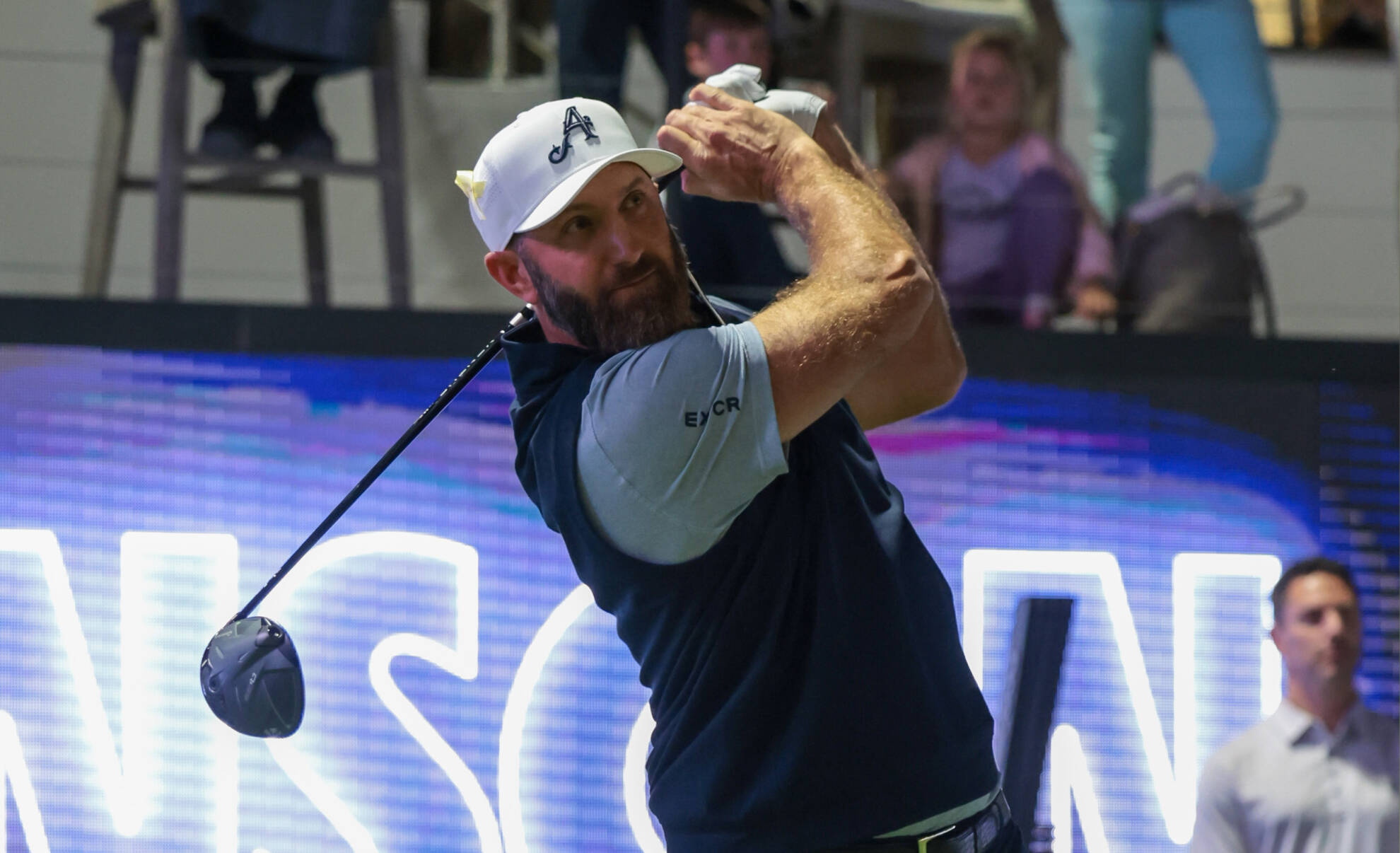
The phrase "30 year old dustin" frequently points to specific internet personalities, meme culture references, or biographical figures who reach a milestone age in public view, prompting discussions on digital aging, content evolution, and audience retention. When examining this subject, audiences typically look to understand who the individual is, the context of their digital footprint, how internet culture treats aging creators, and what lessons can be drawn from long-term digital visibility.
Navigating online identities requires distinguishing between viral sensations, fictional characters, and real public figures who happen to cross significant age thresholds. This comprehensive exploration examines the dynamics of aging within digital media, the implications of long-term online presence, and the broader cultural frameworks that shape how audiences perceive creators as they move from youth into their thirties.
The Evolution of Digital Identities and Aging Creators
The internet has matured significantly over the past two decades. Early platforms launched when many breakout stars, meme subjects, and digital pioneers were in their teens or early twenties. As time progresses, those same individuals are now reaching milestone ages such as thirty. This generational shift creates a unique cultural phenomenon where audiences and creators age alongside one another.
When a public figure associated with a specific viral moment or long-running channel turns thirty, it often triggers a reassessment of their content strategy. Creators must balance the nostalgia of their early work with the reality of their current life stage. Audiences who grew up watching these individuals are experiencing similar life transitions, moving from school and early adulthood into careers, relationships, and family life.
Key Milestones in a Digital Creator's Thirties
- Content Pivots: Shifting from fast-paced, youth-oriented trends to lifestyle, commentary, or mature long-form content.
- Audience Maturation: Watching the core subscriber base grow older, which alters engagement metrics, comment sections, and monetization opportunities.
- Work-Life Balance: Managing burnout, privacy concerns, and the physical realities of maintaining a public-facing career for over a decade.
- Brand Evolution: Securing corporate partnerships that appeal to adults rather than teenagers or college students.
The Psychology of Internet Nostalgia and Aging
Internet culture is notoriously youth-centric, often treating creators as perpetual twenty-somethings. When a personality reaches thirty, it forces a confrontation with the passage of time. This section breaks down the psychological mechanisms at play when audiences process the aging of digital figures.
Nostalgia acts as a powerful driver of engagement. Viewers look back at early videos, tweets, or viral clips with fondness, contrasting the carefree nature of the past with present responsibilities. For the creator, navigating this nostalgia can be restrictive. If their audience expects them to remain the exact person they were at nineteen or twenty-two, growing up in public can lead to friction and creative stagnation.
Furthermore, parasocial relationships play a critical role. Fans feel they know these individuals intimately because they have watched them grow up. Consequently, a thirtieth birthday is not just a personal milestone for the creator; it is a shared psychological marker for the community that supports them.
Comparative Analysis of Digital Eras
To understand the landscape in which figures like Dustin operate as thirty-year-olds, it helps to examine how digital media production and audience expectations have transformed across different eras.
| Era | Primary Platforms | Creator Age Demographics | Audience Expectations | Monetization Models |
|---|---|---|---|---|
| Early Web (2005–2012) | YouTube, Blogs, Forums | Teens to Late Twenties | Raw, unpolished, experimental | AdSense, direct merchandise |
| Social Media Boom (2013–2019) | Instagram, Vine, Twitch | Tweens to Early Thirties | Curated aesthetics, live interaction | Brand deals, subscriptions, donations |
| Modern Ecosystem (2020–Present) | TikTok, Shorts, Podcasts | All age brackets | Authenticity, multi-platform presence | Diversified revenue, equity ventures |
Common Challenges Faced by Long-Term Digital Figures
Reaching the age of thirty while maintaining a public profile introduces distinct operational and emotional hurdles. Understanding these challenges sheds light on why some creators step back from the spotlight while others successfully reinvent themselves.
Privacy and Boundary Management
As creators enter their thirties, their personal lives often expand to include marriages, children, and complex financial investments. Balancing the desire to share one's life with an audience against the necessity of privacy becomes increasingly difficult. Oversharing can lead to security risks, while withholding too much information can alienate fans who feel entitled to complete transparency.
Algorithm Shifts and Burnout
Social media algorithms constantly favor novelty and rapid output. Creators in their thirties often find it physically and mentally exhausting to keep pace with the relentless demands of daily short-form content. Transitioning to sustainable production schedules requires building loyal communities that value depth over frequency.
Economic Sustainability
Relying solely on ad revenue is rarely viable over a decade-long career. Successful thirty-year-old creators typically diversify their income through consulting, product lines, real estate, or traditional media ventures. Managing taxes, legal structures, and business entities becomes a vital part of professional survival.
Frequently Asked Questions
Why is turning thirty a significant milestone for internet personalities?
Reaching thirty marks a formal transition from youth culture to adulthood. For digital creators, it often coincides with shifts in audience demographics, content styles, and personal responsibilities, forcing a re-evaluation of their brand and career longevity.
How do creators manage burnout as they age online?
Many creators combat burnout by stepping away from daily posting schedules, hiring production teams, diversifying into passive income streams, or shifting focus to long-form projects like podcasts and documentaries that require less frequent uploads.
What role does nostalgia play in audience retention?
Nostalgia keeps older fans attached to a creator's channel. By referencing past milestones and evolving alongside their audience, creators can turn short-term viral fame into long-term career stability.
Is the modern creator economy sustainable for a lifelong career?
While early internet pioneers improvised their career paths, today's digital infrastructure provides robust pathways for long-term sustainability, including diversified monetization, professional management, and cross-platform syndication.
Strategic Next Steps for Long-Term Digital Presence
For individuals managing a public identity or analyzing the lifecycle of digital creators, recognizing the value of adaptability is paramount. Whether navigating career pivots at thirty or building a brand designed to withstand generational shifts, success relies on prioritizing sustainable output, protecting personal boundaries, and aligning content with the natural evolution of both the creator and their audience.