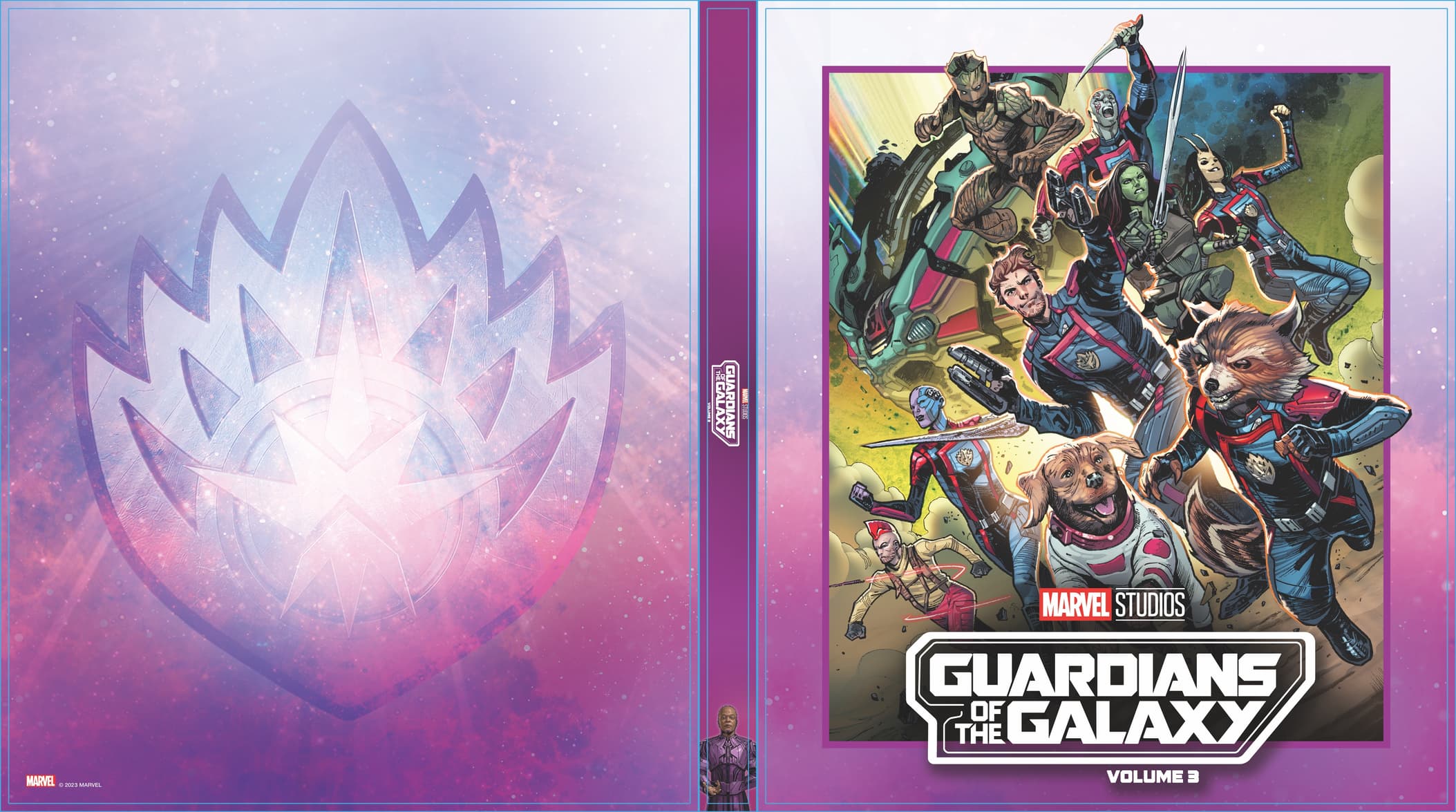
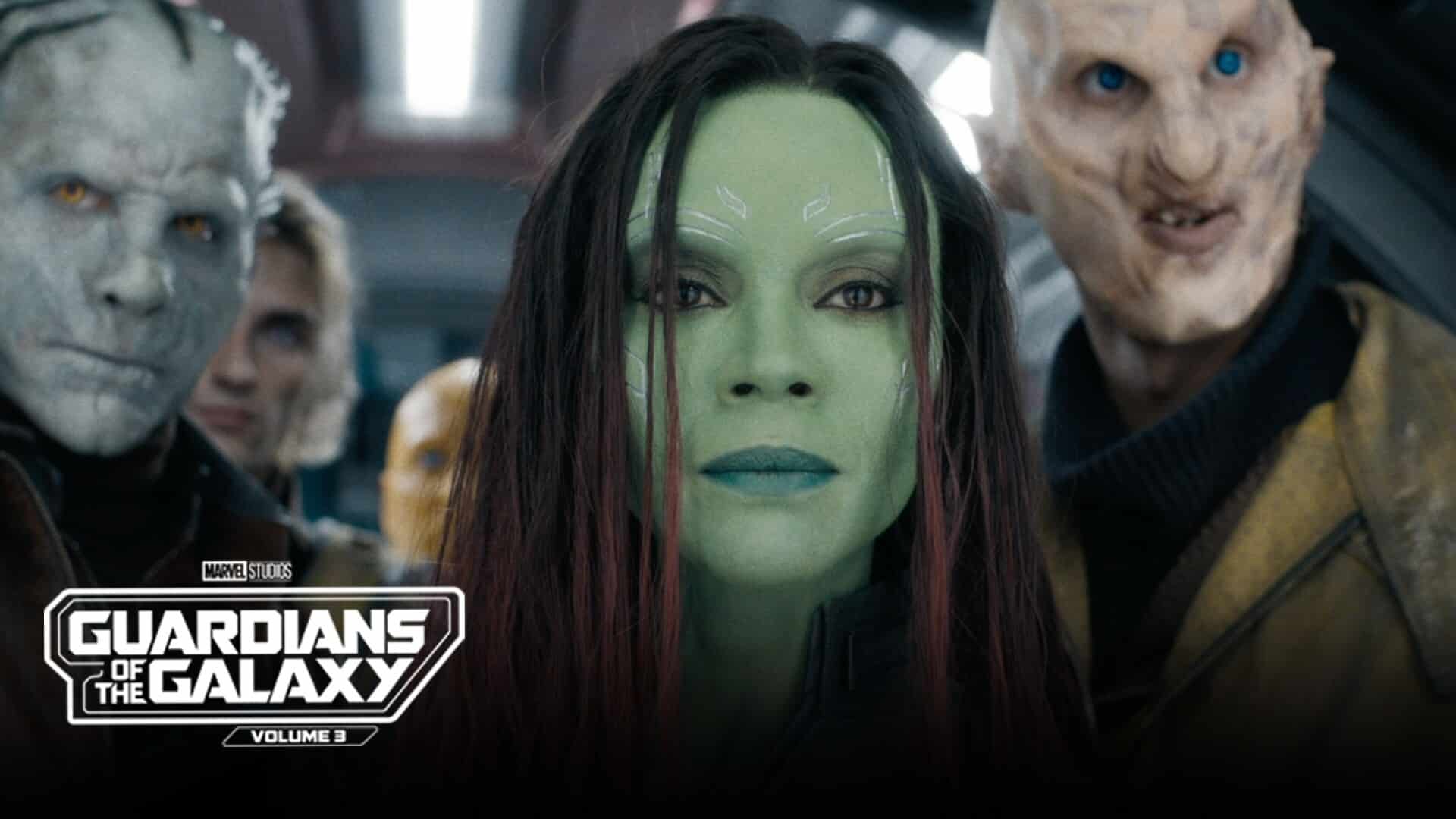
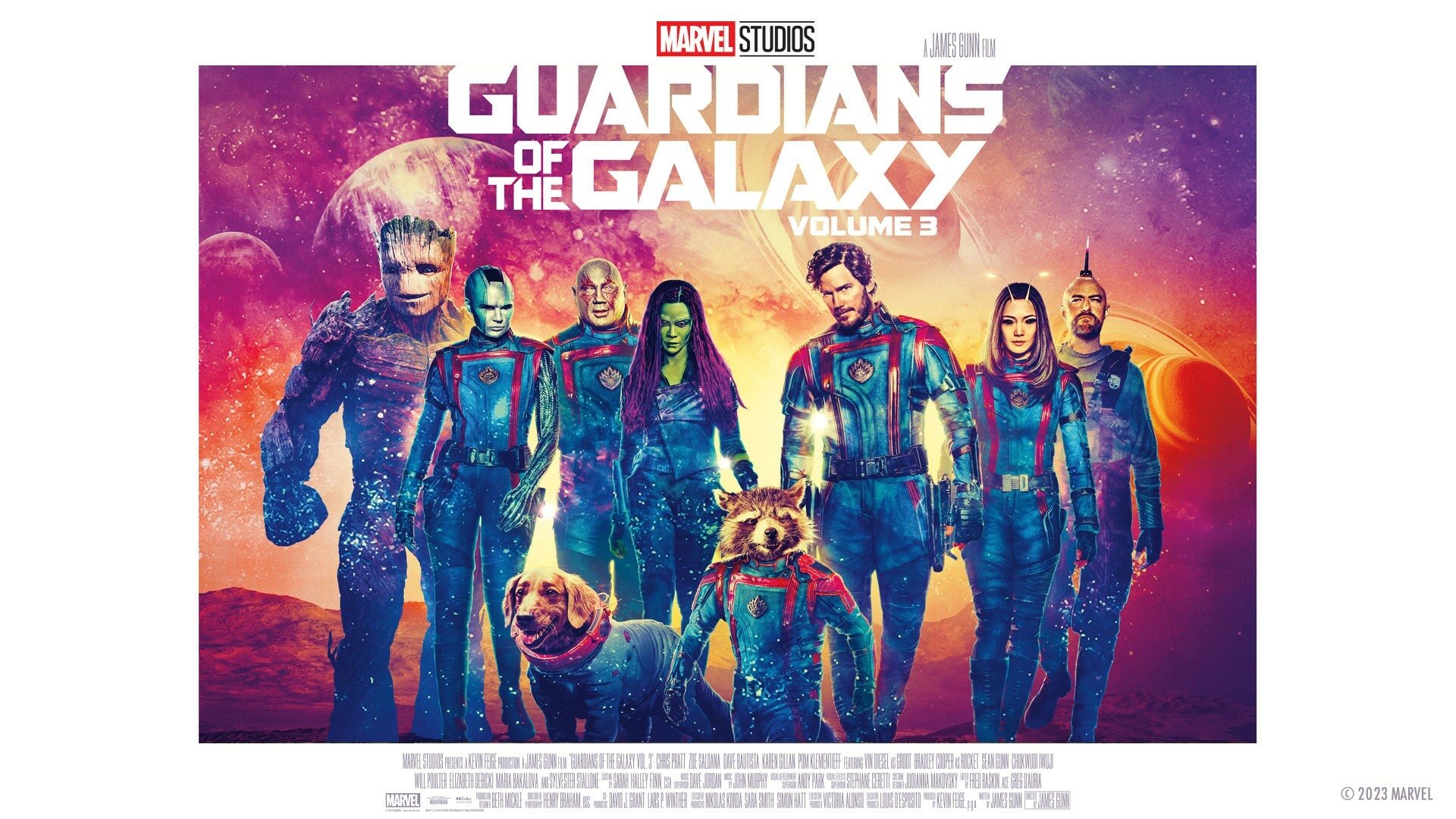
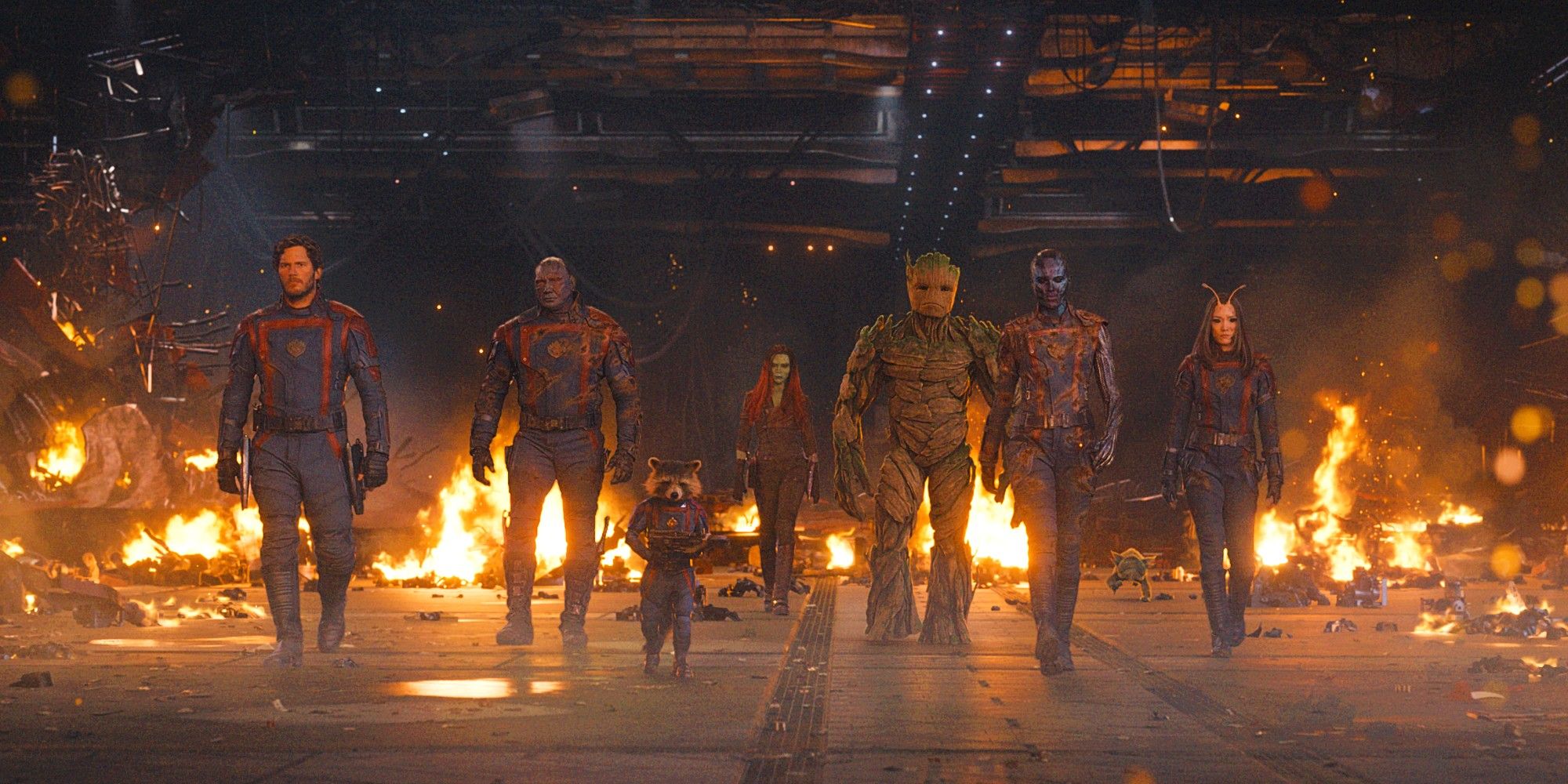
Guardians of the Galaxy Vol. 3 delivers an emotional conclusion to James Gunn’s Marvel Cinematic Universe trilogy by focusing primarily on Rocket Raccoon’s tragic origin, the finalization of the original team's roster, and the thematic evolution of found family into individual maturity. Rather than relying solely on cosmic spectacle or setting up future franchise installments, the narrative grounds its stakes in deeply personal history, offering a definitive resolution for characters who spent years running from their pasts.
Introduction to the Trilogy's Emotional Finale
When examining a comprehensive narrative summary of Guardians of the Galaxy Vol. 3 (2023), the story moves away from the broader, universe-ending conflicts typical of superhero blockbusters to explore an intimate, high-stakes character study. Set after the events of Avengers: Endgame and The Guardians of the Galaxy Holiday Special, the film finds the team establishing a new headquarters on Knowhere. However, this fragile peace is shattered by an unexpected, lethal assault from Adam Warlock, a powerful artificial being created by the Sovereign.
This attack leaves Rocket Raccoon mortally wounded. Because of genetic kill-switches and cybernetic enhancements hardwired into Rocket's body by his creator, standard medical technology fails to heal him. To save their friend, Peter Quill, Drax, Nebula, Mantis, and Groot must embark on a desperate mission into the inner workings of Orgosphere, a monolithic bio-corporation, to find the override codes. This quest forces the characters to confront uncomfortable truths, unresolved grief, and the very architecture of Rocket's trauma. Understanding the narrative requires breaking down three core pillars that drive the entire plot, character development, and ultimate resolution of the film.
1. Rocket Raccoon’s Origin Story and the Cruelty of the High Evolutionary
The emotional and structural anchor of the entire film is the harrowing exploration of Rocket’s past. Through a series of extended flashbacks, the audience learns how Rocket evolved from a helpless, wild otter pup into a genetically engineered, highly intelligent sentient being. These sequences introduce the High Evolutionary, a megalomaniacal geneticist obsessed with purging imperfection from the universe and engineering a utopian society known as Counter-Earth.
The Experiments on Counter-Earth
The High Evolutionary viewed creatures not as living beings with inherent dignity, but as raw materials for his evolutionary experiments. In his hidden laboratories, Rocket was subjected to agonizing cybernetic and genetic modifications. It was during these dark days that Rocket formed a deep, soul-sustaining bond with fellow experimental subjects:
- Lylla: An empathetic otter who served as Rocket's emotional anchor and first love.
- Teefs: A gentle-hearted walrus whose simple outlook provided comfort amid the horror.
- Floor: An innocent, modified rabbit whose mechanical voice box limited her speech to basic, poignant phrases.
These characters represented the purest form of friendship Rocket had ever known. They shared a collective dream of escaping their confinement to run across the green fields of Counter-Earth together. However, when Rocket’s soaring intellect allowed him to solve a complex neurological flaw that the High Evolutionary had struggled to correct, the scientist revealed his true, callous nature. Viewing his creations as obsolete prototypes destined for incineration, the High Evolutionary ordered their eradication.
The Breakout and Lifelong Trauma
In a desperate rescue attempt, Rocket fought his way through the laboratory, but Lylla, Teefs, and Floor were ruthlessly gunned down before they could escape. Rocket managed to severely injure the High Evolutionary, disfiguring the scientist's face, before fleeing into the cosmos alone.
This tragic history explains every defensive mechanism, cynical outburst, and emotional barrier Rocket erected throughout the first two films. He was not merely a sarcastic criminal or an emotionally detached mercenary; he was a survivor carrying immense survivor's guilt. The main plot of Vol. 3 functions as Rocket's internal reckoning, proving that his worth was never defined by the twisted metrics of his creator, but by the love of the family he eventually found.
2. The High Evolutionary as the Antagonist and the Fall of Counter-Earth
While previous MCU villains often possessed cosmic or mystical motivations—such as Thanos wanting to balance universal resources—the High Evolutionary represents a uniquely grounded, deeply psychological brand of evil. He is driven by a narcissistic god-complex, viewing himself as the ultimate arbiter of evolution. His pursuit of perfection leads him to destroy entire civilizations whenever his manufactured societies fail to meet his impossible standards of behavioral and physical harmony.
The Destruction of Counter-Earth
Early in their search for the override codes, the Guardians track the High Evolutionary to Counter-Earth, a planet populated by humanoid animal-people designed to mimic human civilization. Far from a utopian paradise, Counter-Earth is shown to be decaying, plagued by social dysfunction, pollution, and the very vices the scientist sought to eliminate.
Enraged by the perceived failure of his experiment and his lingering desire to capture Rocket's superior brain, the High Evolutionary makes the horrifying executive decision to destroy Counter-Earth. From his orbiting command ship, he initiates a planetary purge, incinerating the entire world and everyone on it while escaping with his remaining forces. This sequence elevates the stakes of the film, transforming it from a personal rescue mission into a desperate race to stop a genocidal tyrant who views planetary slaughter as a minor administrative cleanup.
The Climax aboard Arête
The final confrontation takes place aboard the High Evolutionary’s massive, organic spaceship, known as Arête. Here, the Guardians discover thousands of caged children and captured species intended for a new, "improved" society. Rather than acting as a standard action-movie punch-fest, the battle emphasizes rescue, teamwork, and moral choice.
Peter Quill and the team refuse to leave the helpless captives behind. In a harrowing sequence, Quill nearly dies in the vacuum of space while retrieving Rocket's lifeless body, underscoring the theme of self-sacrificial love. The defeat of the High Evolutionary is ultimately achieved not through a single hero's lethal strike, but through collective effort. The Guardians dismantle his operation, expose his atrocities to his own traumatized henchmen, and dismantle his empire from within, stripping him of the divine authority he claimed for himself.
3. The Dissolution and Evolution of the Guardians Family
Perhaps the most culturally significant element of Guardians of the Galaxy Vol. 3 is how it redefines the status quo of the team. Superhero franchises frequently prioritize perpetual sequels and endless team rosters. Director James Gunn instead chose to treat this film as a definitive finale for this specific iteration of the Guardians, addressing the reality that families must evolve, grow, and sometimes separate as individuals change.
Peter Quill and His Terrestrial Roots
Throughout the trilogy, Peter Quill struggled to process the trauma of his mother’s death and his abandonment by his adoptive father, Yondu. In this chapter, Peter finally confronts his human lineage. Following the defeat of the High Evolutionary, Quill decides to leave the cosmic adventures behind temporarily. He travels to Earth to locate his aging grandfather, Jason Quill, in Missouri, bridging a decades-long emotional gap and accepting his earthly roots.
Individual Paths and New Beginnings
Other members of the team also choose to chart their own independent courses, realizing that true maturity requires stepping away from the collective codependency that defined their early years:
- Mantis: Decides to leave the group to travel the galaxy alone, learning how to discover her own identity and desires independent of others for the first time in her life.
- Nebula and Drax: Choose to remain on Knowhere to establish a permanent, safe haven and governance structure for the hundreds of rescued children and refugees.
- Gamora: Having resolved her timeline displacement and complex relationship with Quill, she finds a sense of belonging with the Ravagers, comfortable in her own skin without needing to belong to a traditional romantic or familial pairing.
The New Guardians Roster
The film concludes with Rocket Raccoon stepping up as the new captain of a reorganized team. Alongside Groot, the newly integrated Adam Warlock, Cosmo the Spacedog, Kraglin, and Blurp, this new iteration of the Guardians continues to protect the galaxy. This transition symbolizes healing: Rocket, once a lonely, traumatized creature terrified of attachment, is now the leader, protector, and father figure of a new generation of defenders.
| Character | Primary Arc in Vol. 3 | Final Status / Destination |
|---|---|---|
| Rocket Raccoon | Confronts his traumatic past and creator; learns his true worth. | Becomes captain of the new Guardians roster. |
| Peter Quill | Heals from lifelong grief; accepts his human ancestry. | Retires from the team to live with his grandfather on Earth. |
| Mantis | Seeks personal independence and self-discovery. | Leaves the team to travel alone across the universe. |
| Nebula & Drax | Transitions from warriors to nurturers and protectors. | Stays on Knowhere to raise and protect the rescued children. |
| Gamora | Finds peace with her identity outside of Quill's expectations. | Rejoins the Ravagers, finding a community that suits her. |
Frequently Asked Questions
What happens to Rocket Raccoon at the end of Guardians of the Galaxy Vol. 3?
Rocket survives his near-fatal injuries after his friends successfully retrieve his medical override codes and defeat the High Evolutionary. By the end of the film, he overcomes the psychological ghosts of his past, accepts his identity, and takes over leadership of the newly formed Guardians of the Galaxy team.
Is the High Evolutionary killed in the movie?
No, the High Evolutionary is not killed. Although his ship is destroyed and his empire dismantled, the Guardians ultimately choose to spare his life. Drax explicitly states that killing him would make them no better than their tormentor, leaving the villain defeated, humbled, and physically disfigured among the rescued prisoners.
Will there be a Guardians of the Galaxy Vol. 4?
While the characters in the Marvel Cinematic Universe may appear in future crossover events or other cosmic properties, Guardians of the Galaxy Vol. 3 serves as the final installment for James Gunn's specific trilogy and this exact team lineup. The film was purposefully structured as a definitive conclusion to their collective story arc.
What is Counter-Earth in the context of the movie?
Counter-Earth is an artificial planet created by the High Evolutionary to serve as a utopian habitat for his genetically engineered, anthropomorphic animal creations. However, the experiment devolves into a facsimile of human social decay, prompting the creator to purge the entire planet.
Who makes up the new Guardians team at the end of the film?
The new roster features Rocket Raccoon as captain, accompanied by adult Groot, Kraglin Obfonteri, Cosmo the Spacedog, Adam Warlock, and a young alien child named Phyla whom they rescued from the High Evolutionary's ship.
Conclusion and Final Recommendation
Examining the core narrative of Guardians of the Galaxy Vol. 3 reveals a story that transcends standard comic book movie tropes by anchoring its cosmic scale in profound emotional truth. By centering the narrative on Rocket's origin, holding the High Evolutionary accountable for systemic cruelty, and allowing the characters to peacefully part ways, the film offers a masterclass in trilogy conclusions. For viewers revisiting the film or seeking a deeper appreciation of its themes, focusing on these three core points highlights how suffering can be transformed into empathy, and how broken individuals can heal by building a genuine community.