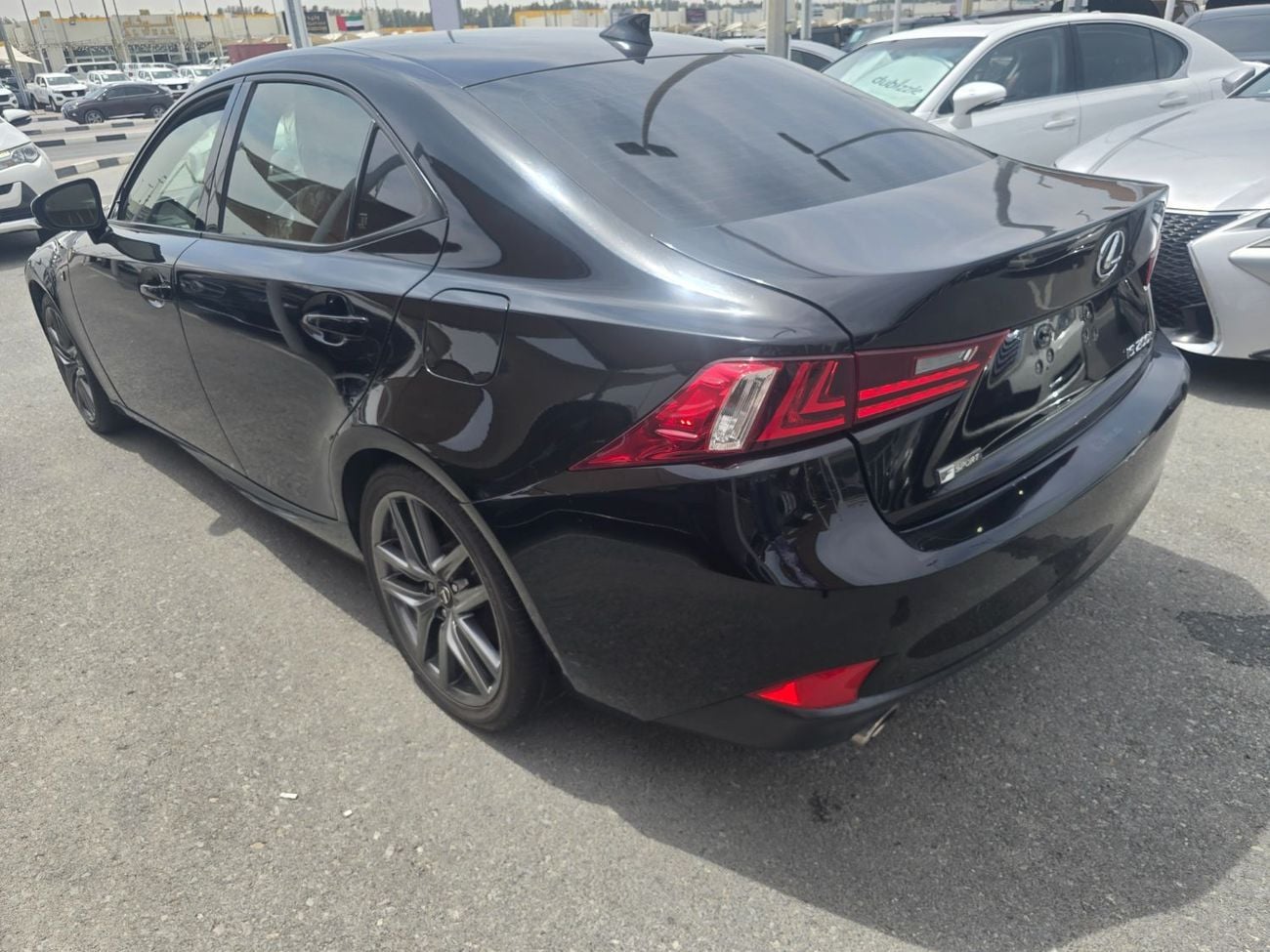
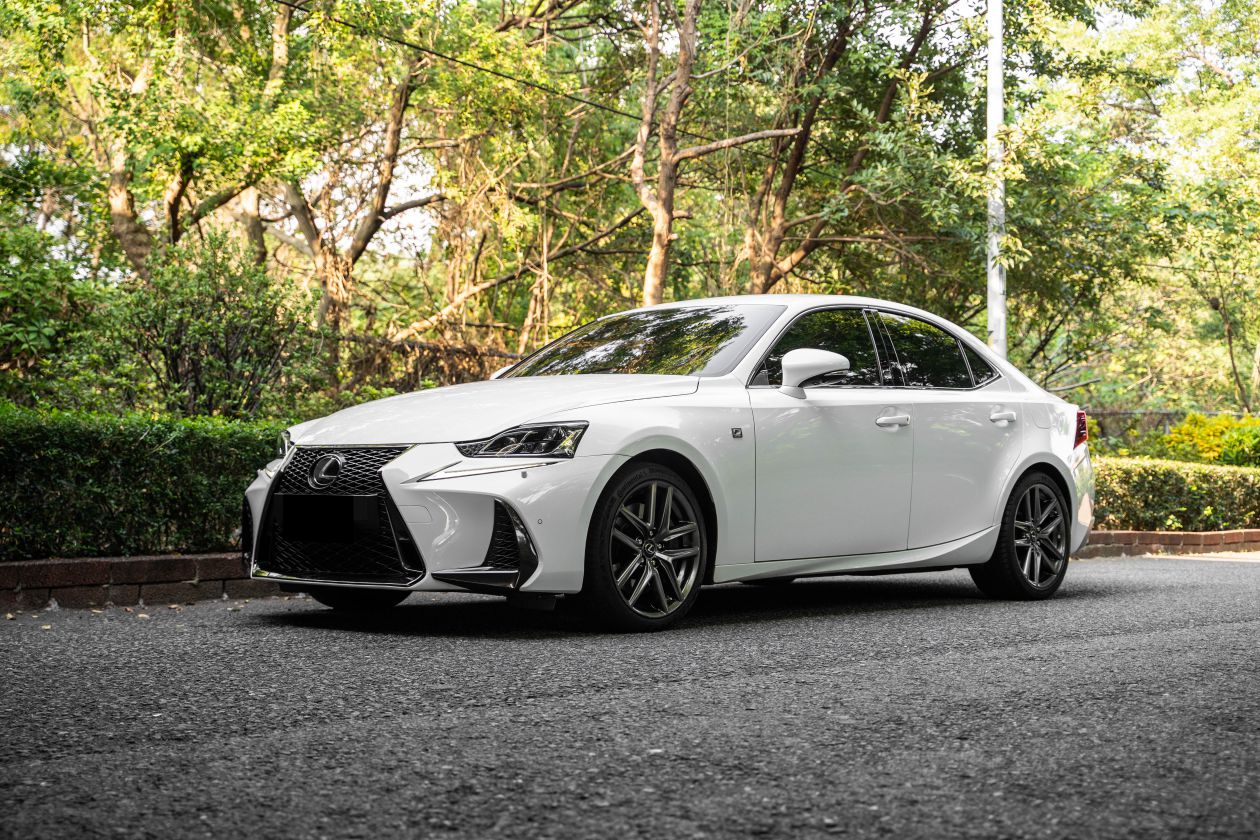
The Lexus IS200t F Sport utilizes a 2.0-liter turbocharged inline-four engine producing 241 horsepower and 258 lb-ft of torque. This powertrain provides a balanced blend of efficiency and responsive acceleration, specifically tuned for the F Sport trim to enhance driving dynamics through refined transmission logic and chassis adjustments, making it a distinct contender in the entry-level luxury sport sedan segment.
Defining the Lexus IS200t F Sport Powertrain
When discussing the Lexus IS200t F Sport, the primary focus is the 8AR-FTS engine. Introduced as part of Lexus’s transition toward smaller displacement, forced-induction powerplants, this engine replaced the older naturally aspirated V6 options in the base-level IS models during the mid-2010s. The 241 horsepower figure is achieved at 5,800 RPM, while the peak torque of 258 lb-ft is available across a broad plateau from 1,650 to 4,400 RPM.
The "F Sport" designation does not alter the engine’s raw power output compared to the standard IS200t; rather, it introduces a suite of performance-oriented calibrations. This includes specific throttle mapping and transmission software within the 8-speed Sport Direct Shift (SPDS) automatic transmission. These modifications are designed to prioritize gear hold and quicker downshifts, providing a sportier experience that complements the 241 horsepower output.
Engine Technical Specifications
The 8AR-FTS engine is a masterpiece of thermal efficiency and mid-range torque delivery. It utilizes a twin-scroll turbocharger, which helps mitigate the "turbo lag" commonly associated with early forced-induction engines. By pairing the exhaust pulses into two separate channels before they reach the turbine wheel, the system spools faster, ensuring that the 241 horsepower is accessible without excessive waiting.
Key Technical Data Table
| Feature | Specification |
|---|---|
| Engine Type | 2.0L Inline-4, Turbocharged |
| Horsepower | 241 hp @ 5,800 RPM |
| Peak Torque | 258 lb-ft @ 1,650–4,400 RPM |
| Valvetrain | DOHC 16-valve, VVT-iW |
| Transmission | 8-Speed Sport Direct Shift (SPDS) |
| Drivetrain | Rear-Wheel Drive (RWD) |
| Compression Ratio | 10.0:1 |
The implementation of VVT-iW (Variable Valve Timing-intelligent Wide) allows the engine to switch between the Otto cycle and the more efficient Atkinson cycle. This flexibility ensures that the car remains fuel-efficient during highway cruising while maintaining the full 241 horsepower when the driver demands performance.
The Role of the F Sport Trim in Power Delivery
The "F Sport" trim package functions primarily as an enhancement of the vehicle's handling and sensory feedback rather than an engine tuning upgrade. For the IS200t owner, the F Sport trim provides access to the Adaptive Variable Suspension (AVS). While AVS does not change the 241 horsepower output, it alters the ride stiffness, which influences how that power is transferred to the pavement during cornering.
In the IS200t F Sport, the Sport+ drive mode is where the "power spec" feels most utilized. In this mode, the transmission's G-force Artificial Intelligence (G-AI) system detects lateral acceleration and holds lower gears longer, keeping the engine in the heart of its torque curve. This makes the 241 horsepower feel more immediate, allowing the vehicle to maintain momentum through sweeping bends where a standard transmission might otherwise hunt for a higher gear.
Performance Characteristics and Real-World Usage
For drivers evaluating the IS200t, it is important to distinguish between "peak" performance and "usable" performance. The 241 horsepower is more than adequate for daily commuting and spirited highway passing. Because the peak torque arrives as low as 1,650 RPM, the vehicle feels punchy in city traffic. Unlike high-revving naturally aspirated engines that require downshifting to access power, the turbocharger ensures that the car remains responsive at moderate speeds.
However, prospective owners should be aware that the 241 horsepower is tuned for linear delivery rather than explosive "pinned-to-the-seat" acceleration. The weight of the Lexus IS chassis means the power-to-weight ratio is optimized for a grand-touring experience rather than a track-focused sprint. The vehicle is designed to maintain high average speeds with composure, which is where the F Sport suspension tuning proves its value.
Maintenance Requirements for the Turbocharged Powerplant
Maintaining a turbocharged engine requires more vigilance than a naturally aspirated counterpart. Because the 8AR-FTS engine uses a turbocharger, oil quality and change intervals are critical. The high-temperature environment of the turbocharger can lead to oil degradation if standard service intervals are neglected.
- Synthetic Oil: Use only high-quality full synthetic oil (0W-20 is typically specified) to ensure thermal stability at the turbo shaft bearings.
- Air Filtration: Ensure the engine air filter is replaced according to the manual; a clogged intake starves the turbocharger, which can lead to increased stress on the compressor.
- Warm-up/Cool-down: While modern turbochargers are robust, allowing the engine to idle for a moment before turning off after a spirited drive helps ensure that oil continues to circulate through the turbo bearings, preventing "heat soak" coking.
Comparing the IS200t to Alternative Variants
The IS200t occupied a unique space in the Lexus lineup. When comparing it to the naturally aspirated IS300 (which used a V6) or the higher-performance IS350, the IS200t offers the most agile front end. The lighter weight of the four-cylinder engine reduces mass over the front axle, leading to sharper turn-in characteristics.
Power and Drivetrain Comparison
- IS200t: 241 hp, 258 lb-ft, RWD only. Optimized for efficiency and balance.
- IS300 (V6): Often featured higher weight, resulting in different handling dynamics.
- IS350: Offers significantly higher horsepower (over 300 hp), but at the cost of increased front-end weight and lower fuel economy.
The choice for many buyers comes down to whether they prioritize the specific torque delivery of the turbo four-cylinder or the linear, higher-revving nature of the Lexus V6.
Troubleshooting Common Performance Concerns
If an IS200t owner feels the car is not meeting its 241 horsepower potential, they should check several common areas. First, consider the quality of fuel; the 8AR-FTS engine is designed for premium gasoline. Running lower octane fuel can trigger the knock sensors, causing the Engine Control Unit (ECU) to retard ignition timing, which noticeably reduces power output.
Second, check for boost leaks. A small tear in a rubber intake hose or a loose clamp on the intercooler piping will prevent the turbocharger from reaching target boost pressure, resulting in a "flat" feeling during acceleration. Finally, carbon buildup on the intake valves is a known concern for direct-injection engines. If the vehicle has high mileage, a professional intake service may be required to restore the airflow efficiency necessary to reach the factory-rated power output.
Conclusion and Next Actions
The 241 horsepower Lexus IS200t F Sport remains a benchmark for the balance between luxury comfort and driver engagement. It provides sufficient power for all modern driving scenarios while maintaining the legendary reliability associated with the brand.
For those looking to optimize their vehicle:
- Verify your current maintenance: Ensure you are using premium fuel and that your oil change intervals are strictly followed.
- Evaluate your drive modes: If you find the car sluggish, ensure you are utilizing the Sport or Sport+ mode to take full advantage of the transmission's tuning.
- Consult a specialist: If you suspect you are not receiving the full 241 horsepower, have a technician monitor the live data (boost pressure and timing advance) to identify potential issues with the intake or fueling system.
By understanding the technical capabilities of the 8AR-FTS engine and the specific role of the F Sport calibration, owners can ensure their vehicle continues to perform at its peak.