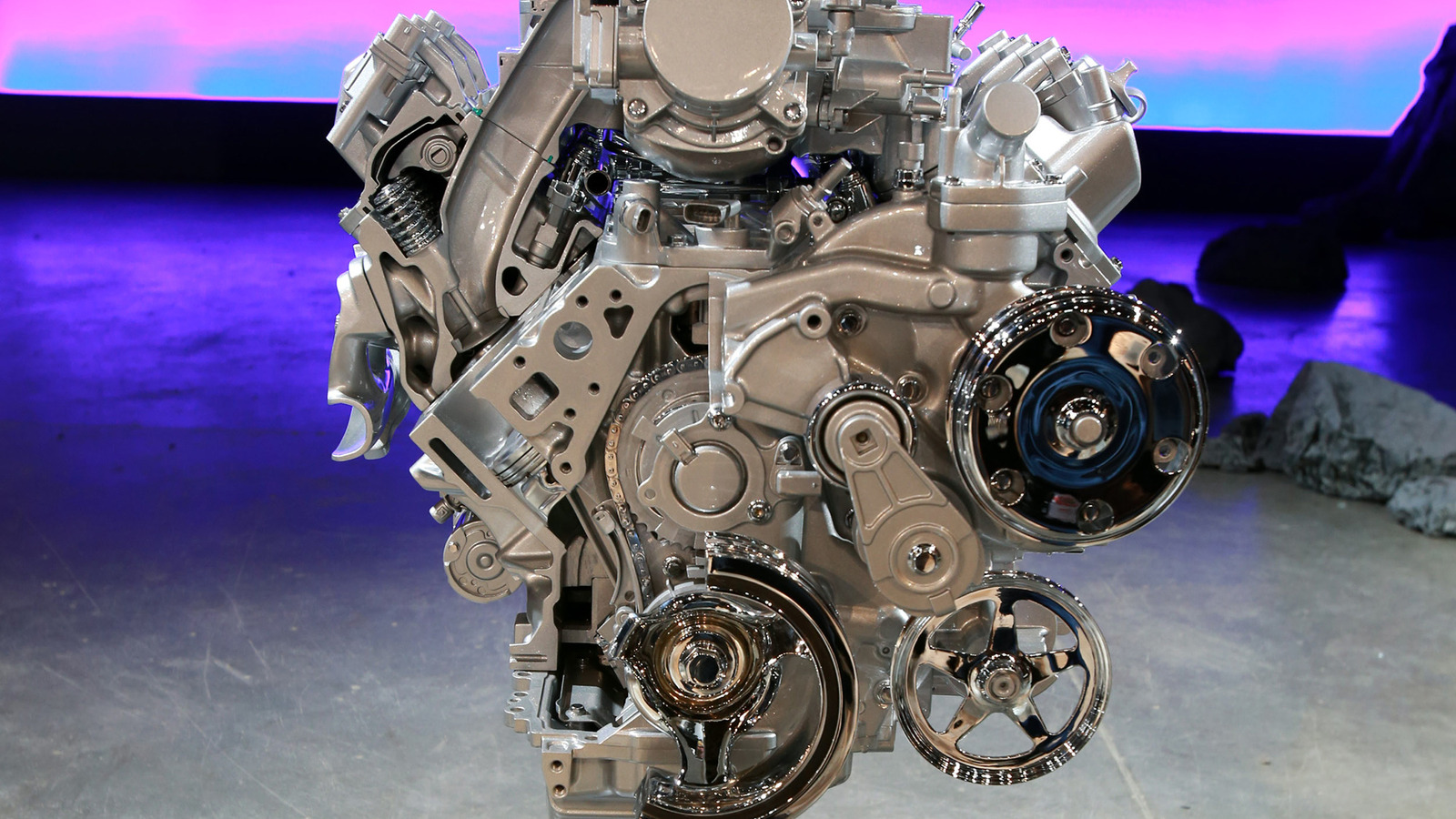
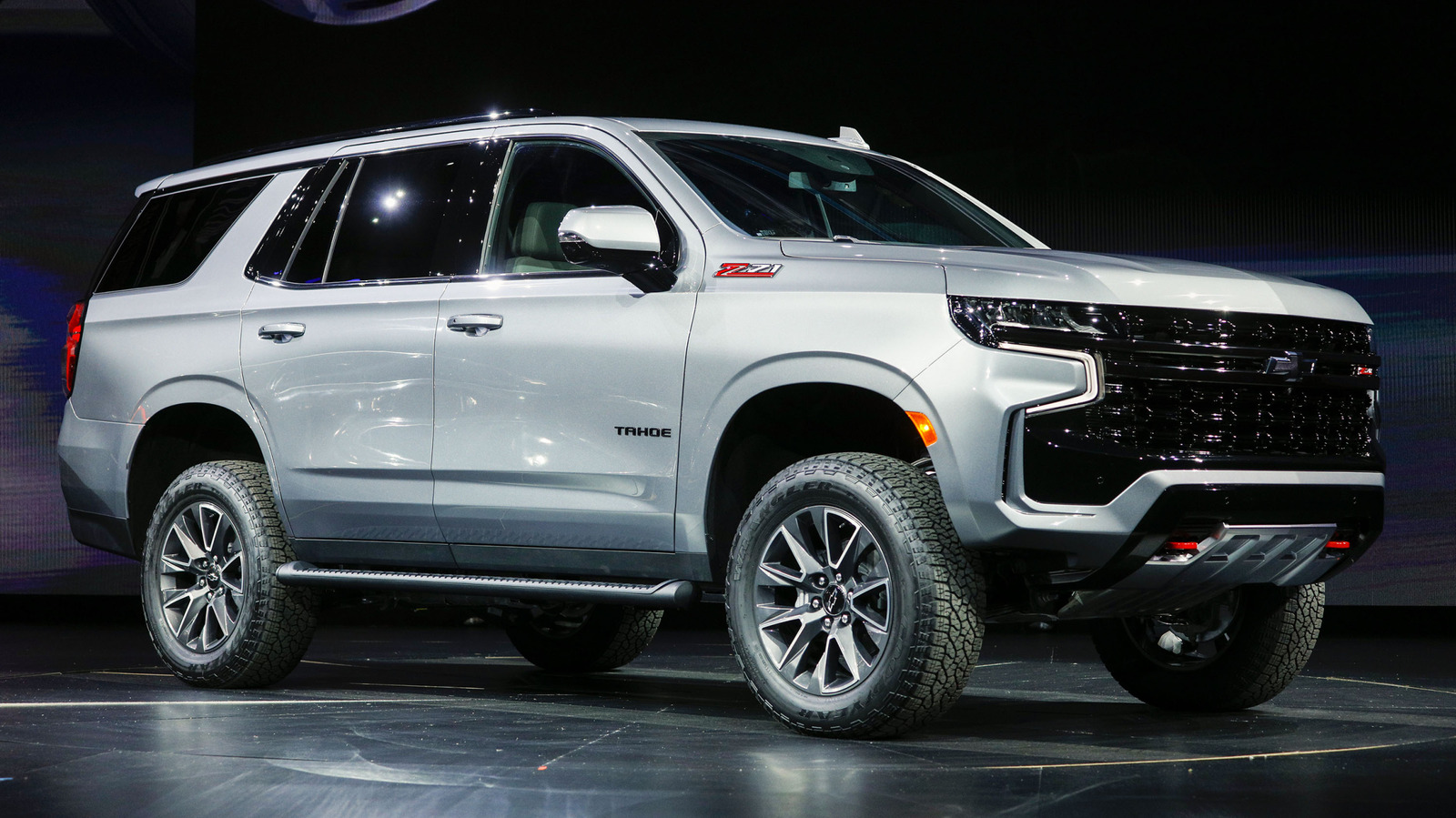
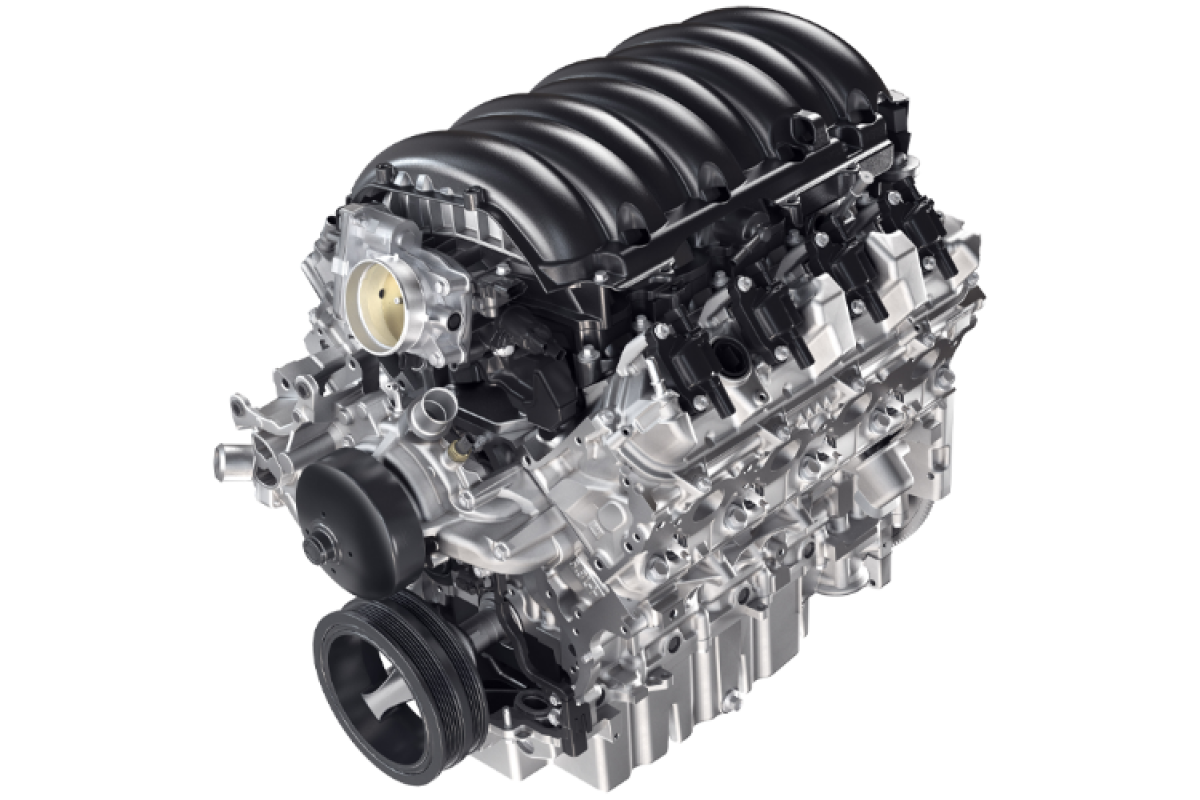
The 2026 5.3L EcoTec3 V8 engine represents the latest iteration of General Motors’ long-standing small-block architecture, powering a significant portion of their full-size truck and SUV fleet. It balances traditional pushrod V8 power with modern efficiency technologies, including Dynamic Fuel Management (DFM), direct injection, and variable valve timing, designed to meet contemporary fuel economy standards while maintaining the towing capability expected by truck owners.
Evolution of the EcoTec3 Small-Block Architecture
The EcoTec3 family was introduced over a decade ago as a modernization of the legendary General Motors small-block platform. By 2026, the 5.3L variant has moved beyond its initial development goals to become a highly refined powertrain. The engine retains the classic 90-degree V8 configuration, but its internals are engineered for the high-pressure demands of modern emission regulations and the torque-heavy requirements of heavy-duty towing and hauling.
The core of the engine's identity remains its aluminum block and head construction, which helps manage overall vehicle weight while providing thermal efficiency. The move to a sophisticated direct-injection fuel system allows the engine to achieve higher compression ratios than traditional port-injected engines, which directly translates to improved thermal efficiency and power output across the entire RPM range.
Core Technical Features and Performance Metrics
The 2026 5.3L EcoTec3 V8 is defined by its ability to modulate its power output based on real-time load requirements. While it features a standard displacement, it rarely operates at its full capacity during highway cruising or light-duty tasks.
Dynamic Fuel Management (DFM)
The most critical feature of the 2026 5.3L engine is the Dynamic Fuel Management system. Unlike older Active Fuel Management (AFM) systems that could only toggle between eight and four cylinders, DFM uses a sophisticated controller to monitor engine load and throttle position. It can activate and deactivate cylinders in 17 different firing patterns. This allows the engine to operate in configurations ranging from one cylinder to all eight, ensuring that the engine only burns the amount of fuel strictly necessary for the immediate torque demand.
Variable Valve Timing (VVT)
Variable Valve Timing remains a staple of the EcoTec3 design. By adjusting the timing of the intake and exhaust valves, the engine can optimize its performance characteristics—prioritizing low-end torque for towing or high-RPM airflow for highway merging. This seamless adjustment is electronically managed to ensure that the engine remains within its optimal efficiency band regardless of driving conditions.
Direct Injection and Combustion Control
The direct injection system sprays fuel at high pressure directly into the combustion chamber rather than the intake manifold. This creates a cooling effect in the cylinder, which reduces the likelihood of engine knock and allows for a higher compression ratio. The 2026 model benefits from refined high-pressure fuel pumps and injectors that minimize carbon deposit accumulation, a common point of concern for previous generations of direct-injection engines.
Comparison of Key Technical Specifications
When comparing the 5.3L EcoTec3 to other engines in the GM stable or historical small-block variants, the focus shifts toward efficiency and operational longevity.
| Specification | 2026 5.3L EcoTec3 V8 |
|---|---|
| Configuration | 90-degree V8 |
| Valve Train | OHV (Overhead Valve), 2 valves per cylinder |
| Compression Ratio | 11.0:1 |
| Fuel Delivery | Direct Injection |
| Cylinder Deactivation | Dynamic Fuel Management (17 patterns) |
| Typical Application | Light-duty pickup and full-size SUV |
Maintenance Requirements and Long-Term Reliability
Reliability for the 2026 5.3L EcoTec3 V8 is closely linked to adherence to manufacturer-specified maintenance intervals. Because this engine relies on complex hydraulic systems to actuate the DFM lifters, the quality and condition of the engine oil are paramount.
The Role of Engine Oil
The hydraulic lifters that manage cylinder deactivation are sensitive to oil viscosity and cleanliness. Owners are strongly advised to follow the Oil Life Monitoring system, which uses an algorithm based on engine revolutions, temperature, and idle time rather than simple mileage. Using the correct dexos-approved synthetic oil is not merely a recommendation; it is a mechanical requirement to ensure the longevity of the DFM hardware.
Common Maintenance Considerations
- Air Intake Systems: Direct injection engines can be susceptible to intake valve buildup. While the 2026 iteration features improved oil separation in the PCV system to mitigate this, owners should ensure that high-quality air filters are used to prevent contaminants from entering the intake tract.
- Cooling System: The high compression ratio and load-sensing nature of the engine require a robust cooling system. Routine inspection of coolant levels and the condition of the thermostat is vital to preventing localized overheating, which can stress the aluminum block.
- Ignition Components: High-voltage ignition systems in modern V8s are designed for long intervals, but they remain wear items. If the engine experiences a misfire or a drop in fuel efficiency, spark plug and ignition coil health should be the first points of diagnostic investigation.
Practical Performance: Towing and Hauling
The 2026 5.3L engine is widely favored for its "get up and go" feeling in everyday traffic, coupled with enough grunt for moderate towing. Unlike turbocharged engines that may exhibit lag, the naturally aspirated EcoTec3 offers an immediate, linear power delivery.
When towing, the DFM system is designed to provide full eight-cylinder power when the transmission detects a heavy load, effectively "locking out" the deactivation features to ensure consistent power. This transition is typically transparent to the driver, designed to feel like a standard V8 experience during high-load scenarios. However, owners should consult their owner’s manual regarding specific "Tow/Haul" modes, as these settings alter the transmission shifting behavior to keep the engine in its power band longer, which is essential for preserving the transmission's health during extended climbs.
Troubleshooting Common Concerns
Owners of the 2026 5.3L engine may occasionally encounter issues related to its advanced electronic management. Below are common areas for diagnostic assessment:
Engine Hesitation or Rough Idle
If the engine exhibits a rough idle or hesitation, the most frequent cause is often related to the fuel system or ignition. Given the complexity of the direct injection setup, verify that there are no stored trouble codes related to fuel rail pressure. Furthermore, a dirty throttle body can often cause erratic idle speeds. Cleaning this component is a relatively straightforward task that can restore smooth operation.
DFM System Concerns
The most common question regarding DFM is whether the system can be "deleted" or disabled. While aftermarket programmers exist, altering the engine management software can impact vehicle warranty coverage and potentially cause emissions non-compliance. Instead of attempting to disable the system, owners should prioritize smooth driving habits, as the system is designed to respond to pedal input. If the transition between cylinder modes feels abrupt, it often points to a need for a software update at a dealership, rather than a hardware failure.
Oil Consumption
While modern manufacturing tolerances have significantly reduced oil consumption compared to earlier V8 iterations, it is still standard practice to check oil levels every few thousand miles. If unusual oil consumption is noted, the first step is to confirm the PCV system is functioning correctly, as this is the most common path for excess oil to be introduced into the combustion chamber.
Expert Guidance: Operating the 2026 5.3L Engine
To get the most out of the 2026 5.3L EcoTec3 V8, drivers should adopt a proactive maintenance mindset.
- Warm-up cycles: Even in 2026, it remains best practice to allow the oil pressure to stabilize for a few seconds upon startup before engaging a gear, especially in colder climates.
- Fuel Quality: While the engine is designed for regular unleaded, higher octane fuels can sometimes provide a slight edge in efficiency during high-load towing due to the engine’s ability to adjust timing to prevent knock.
- Warranty Preservation: Keep detailed records of all oil changes and filter replacements. In the event of an engine-related claim, proving that the vehicle was serviced according to the manufacturer's schedule is essential.
- Listen to the Engine: As a pushrod V8, the EcoTec3 produces a distinct sound. Changes in this acoustic signature—such as ticking or tapping—should be investigated promptly, as they can be early indicators of valvetrain wear.
Frequently Asked Questions
Does the 2026 5.3L EcoTec3 V8 require premium fuel? No, the engine is designed to run on 87-octane regular gasoline. However, it is capable of taking advantage of higher-octane fuel for slightly better performance under heavy towing conditions, as the computer can adjust ignition timing to avoid pre-ignition.
How often should I change the oil in this engine? You should rely on the onboard Oil Life Monitor, which calculates oil degradation based on how the vehicle is actually driven. For most users, this aligns with an interval between 5,000 and 7,500 miles, but you should never exceed the manufacturer’s maximum interval specified in the manual.
Is the DFM system reliable for the long term? The DFM system is a proven technology that has been refined through years of fleet testing. While any electronic-hydraulic system requires maintenance, it is robust when using the correct, high-quality synthetic oil and ensuring the engine is not consistently under-serviced.
Can I modify the exhaust to make it sound more aggressive? Yes, aftermarket cat-back exhaust systems are popular. However, be aware that many of these systems can change the tone of the engine when the DFM system switches to four-cylinder mode, often resulting in a droning sound. Research systems specifically designed for DFM-equipped engines to minimize this effect.
What is the best way to extend the life of the 5.3L V8? The single most effective way to extend the engine's life is to keep the cooling system and oiling system in peak condition. Avoid short-tripping the vehicle consistently, which prevents the engine from reaching full operating temperature, and always use dexos-rated engine oil.
Final Recommendation
The 2026 5.3L EcoTec3 V8 is a mature, highly capable powertrain that rewards the owner who follows the manufacturer's maintenance schedule. If your primary goal is balancing daily usability with towing capability, this engine remains one of the most reliable choices on the market. For the best longevity, prioritize the use of high-quality, full-synthetic motor oil and ensure your maintenance logs are kept up to date to protect your investment and maintain the vehicle's long-term value.