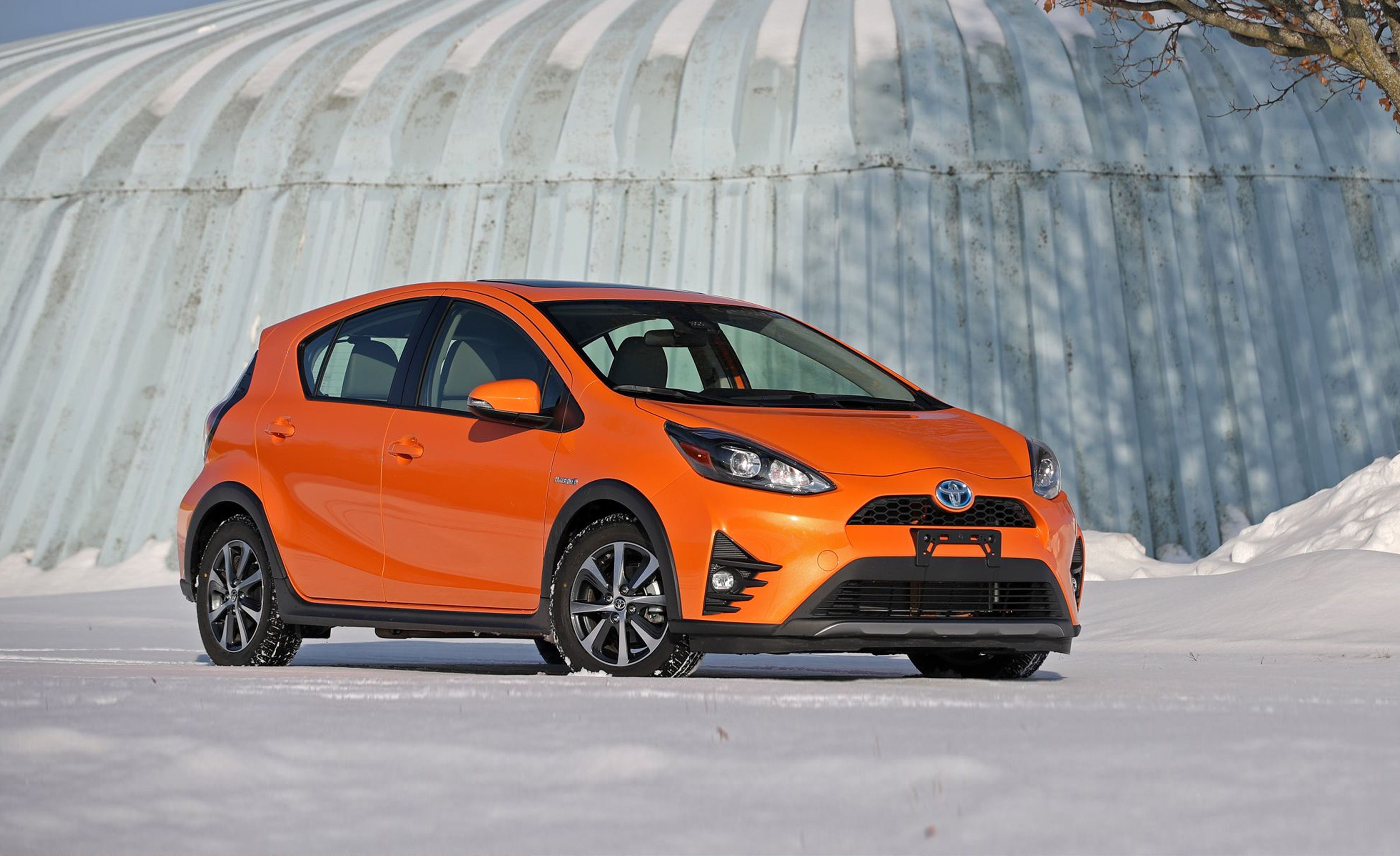
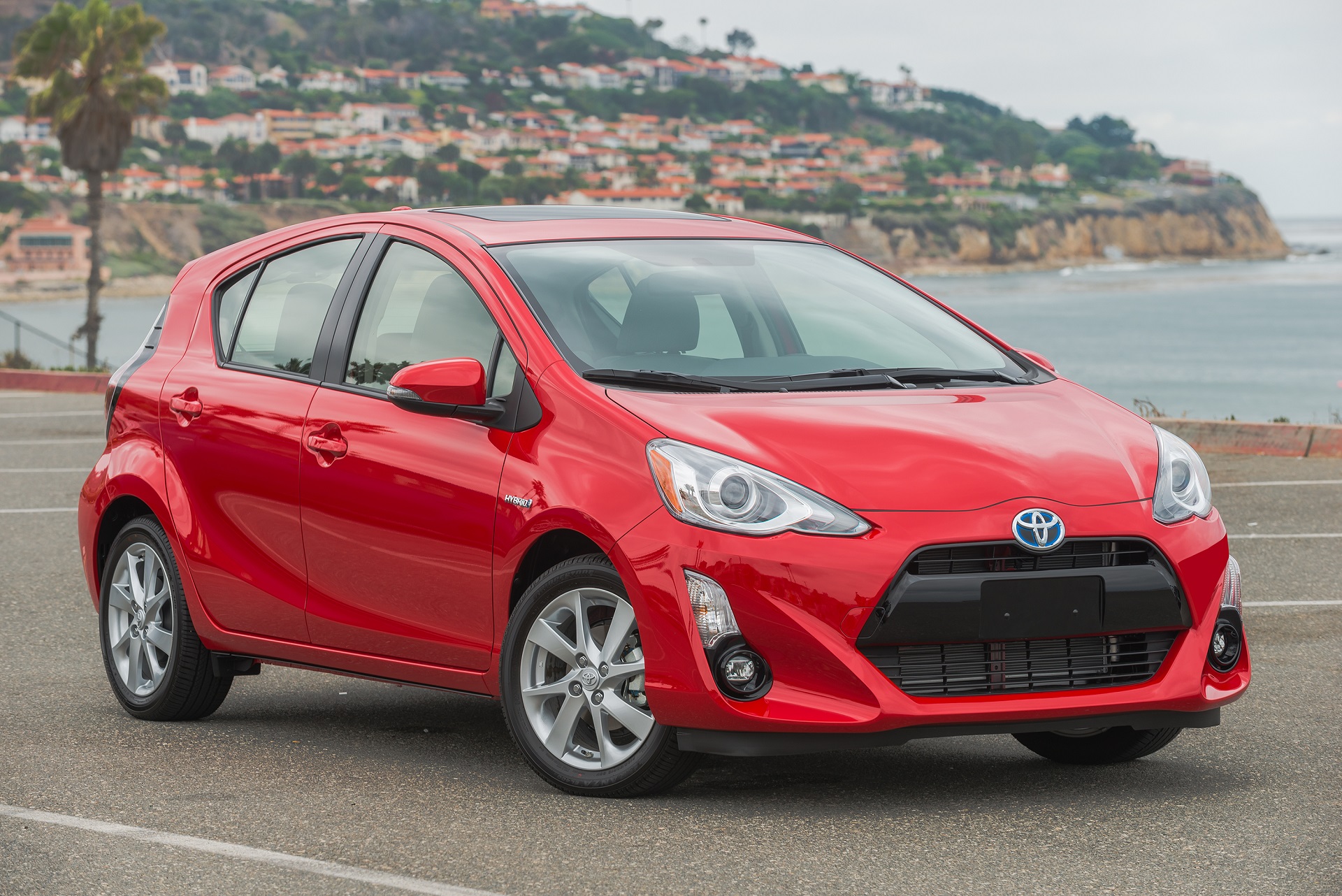
In 2023, the 2018 Toyota Prius c remained a premier choice for urban commuters prioritizing fuel efficiency and long-term reliability. As a five-year-old vehicle during that period, its compact footprint, standard safety technology, and proven Hybrid Synergy Drive system offered a practical, cost-effective solution for drivers navigating dense city environments and fluctuating fuel prices.
Understanding the Prius c: The "City" Hybrid Strategy
The Toyota Prius c, where the "c" stands for "city," was designed to provide a smaller, more affordable entry point into the hybrid market than the standard Prius liftback. By 2023, the 2018 model year had reached a "sweet spot" in the used car market. It was modern enough to include essential driver-assistance features but old enough to have bypassed the steepest part of its depreciation curve.
While the larger Prius moved to the TNGA (Toyota New Global Architecture) platform in 2016, the Prius c continued to utilize a modified version of the Toyota B platform, which it shared with the Yaris. This choice allowed Toyota to keep the vehicle’s price point low while focusing on maneuverability. In 2023, drivers continued to value the Prius c for its 157-inch length, which allowed it to fit into parking spaces that larger sedans and SUVs simply could not occupy.
The 2018 model year was particularly significant because it featured a refreshed exterior design. Toyota added black wheel-arch moldings and side rockers to several trims, giving the hatchback a slightly more aggressive, "crossover-inspired" aesthetic. This visual update helped the 2018 model feel more contemporary in the 2023 automotive landscape compared to the more rounded versions of earlier years.
Performance and Powertrain: Efficiency over Speed
The 2018 Toyota Prius c utilized a 1.5-liter four-cylinder Atkinson-cycle engine paired with an electric motor and a nickel-metal hydride (NiMH) battery pack. This combination produced a total system output of 99 horsepower. While this figure was modest compared to contemporary turbocharged hatchbacks, the powertrain was engineered for a specific purpose: maximum efficiency in stop-and-go traffic.
The Hybrid Synergy Drive System
The heart of the 2018 Prius c is the Hybrid Synergy Drive, which uses a planetary gear set to act as an electronically controlled continuously variable transmission (eCVT). This system manages the handoff between the gasoline engine and the electric motor seamlessly. In 2023, this system was lauded for its durability. Unlike traditional automatic transmissions with clutches or bands that can wear out, the eCVT uses two motor-generators to control the engine's speed, significantly reducing mechanical complexity and failure points.
Driving Modes and Real-World Usage
The 2018 Prius c offered two specific driving modes to help users maximize their efficiency:
- EV Mode: This allowed the vehicle to operate solely on electric power for short distances (typically under a mile) at low speeds, such as in a parking garage or heavy congestion.
- ECO Mode: This mode throttled the climate control and adjusted the throttle response to discourage aggressive acceleration, thereby conserving fuel.
From a 2023 perspective, the driving experience was often described as "unhurried." The 0–60 mph sprint took approximately 11 seconds. However, for the target demographic of city dwellers and delivery drivers, the low-end torque provided by the electric motor made the car feel zippy enough for lane changes and pulling away from stoplights.
Fuel Economy: The Primary Selling Point in 2023
Fuel economy is the cornerstone of the Prius c's value proposition. According to the U.S. Department of Energy, the 2018 Toyota Prius c earned an EPA-estimated 48 MPG in the city and 43 MPG on the highway, for a combined rating of 46 MPG.
These figures were particularly attractive in 2023 as fuel prices remained volatile. Interestingly, the Prius c was one of the few vehicles where the city mileage outperformed the highway mileage. This is due to the regenerative braking system, which captures kinetic energy during deceleration and stores it in the battery. In a city environment with frequent stops, the battery remains charged, allowing the electric motor to assist more frequently. On the highway, the small 1.5-liter engine must work harder to maintain high speeds, which explains the lower highway rating.
Interior Design and Practicality
Inside the 2018 Prius c, the design focused on utility. The dashboard featured a centrally mounted digital instrument cluster, a signature of the Prius family intended to keep the driver's eyes closer to the road.
Passenger Space and Comfort
Despite its subcompact dimensions, the Prius c offered a surprisingly spacious front cabin. However, the rear seat was tighter, with 35 inches of legroom. In 2023, owners often noted that while four adults could fit for short trips, the rear was best suited for children or additional cargo. The "Four" trim level offered SofTex-trimmed seats, which provided a more premium feel and better durability than the standard cloth found in the lower trims.
Cargo Capacity
The Prius c featured a traditional hatchback design with 17.1 cubic feet of cargo space behind the rear seats. This was competitive for the subcompact segment in 2023. The 60/40 split-folding rear seats allowed for significant expansion of the cargo area, making it capable of hauling small furniture or a week's worth of groceries for a family. One limitation noted by users was the relatively high lift-over height of the hatch, which required lifting heavy items higher than in some rival hatchbacks.
Technology and Infotainment Features
By 2023 standards, the infotainment system in the 2018 Prius c was functional but lacked some of the modern connectivity features that became standard in later years.
- Entune Audio: The base models came with a 6.1-inch touchscreen display, Bluetooth connectivity, and a USB port.
- Navigation: The "Three" and "Four" trims included integrated navigation and the Entune App Suite.
- Connectivity Limits: A common critique in 2023 was the lack of Apple CarPlay and Android Auto, which Toyota did not begin widely integrating until the 2019 and 2020 model years. Many 2023 owners resolved this by using phone mounts or installing aftermarket head units.
Despite the lack of smartphone mirroring, the physical knobs for volume and tuning, along with dedicated climate control buttons, were often praised for their ease of use while driving, contrasting with the touch-heavy interfaces of newer 2023 vehicles.
Safety and Driver Assistance: Standard Protection
One of the strongest arguments for the 2018 Prius c in 2023 was the inclusion of Toyota Safety Sense C (TSS-C) as standard equipment across all trim levels. In a market where safety tech was often gated behind expensive packages on older used cars, the Prius c democratized these features.
The TSS-C suite included:
- Pre-Collision System (PCS): Used a camera and laser to detect vehicles ahead and provide alerts or autonomous braking to avoid or mitigate a crash.
- Lane Departure Alert (LDA): Provided audible and visual warnings if the vehicle began to drift out of its lane.
- Automatic High Beams (AHB): Switched between high and low beams automatically based on detected traffic.
According to the National Highway Traffic Safety Administration (NHTSA), the 2018 Prius c maintained a solid safety profile, though it faced stiff competition from newer designs that benefited from more advanced structural engineering. The Insurance Institute for Highway Safety (IIHS) gave the Prius c "Good" ratings in several crashworthiness categories, though it struggled in the passenger-side small overlap front test—a common issue for vehicles designed before that specific test was introduced.
Maintenance and Long-Term Reliability in 2023
In 2023, the 2018 Prius c was viewed as a low-maintenance vehicle. Toyota's reputation for reliability was well-earned here, specifically regarding the hybrid components.
Battery Longevity
A primary concern for used hybrid buyers in 2023 was the health of the hybrid battery. The 2018 Prius c used a nickel-metal hydride (NiMH) battery, a chemistry Toyota had perfected over two decades. Most batteries were expected to last between 150,000 and 200,000 miles. Furthermore, Toyota provided an 8-year/100,000-mile warranty (or 10-year/150,000-mile in California-emissions states) on hybrid components, meaning many 2018 models were still under warranty in 2023.
Routine Service
The 2018 Prius c required synthetic oil changes every 10,000 miles or 12 months. Because of the regenerative braking system, brake pads on the Prius c often lasted significantly longer than on traditional cars, sometimes exceeding 100,000 miles before needing replacement. This low cost of ownership was a significant factor in its high resale value during 2023.
Comparing the 2018 Prius c Trims
The 2018 Prius c was offered in four simplified trim levels, logically named One, Two, Three, and Four. Each step up added specific convenience or tech features.
| Trim Level | Key Features | 2023 Used Market Appeal |
|---|---|---|
| One | TSS-C, 6.1" Touchscreen, LED Headlights, Bluetooth | Best for budget-first buyers and delivery fleets. |
| Two | 60/40 Split Fold Seats, Cruise Control, 6-Speaker Audio | The "standard" choice for most commuters. |
| Three | Smart Key System, Push Button Start, Navigation | Targeted at tech-conscious buyers. |
| Four | SofTex Seats, Heated Front Seats, Moonroof, Backup Camera | The "luxury" small hybrid experience. |
2023 Market Value and Competition
By 2023, the used car market had begun to stabilize after the extreme price hikes of 2021 and 2022. However, fuel-efficient vehicles like the Prius c remained in high demand. A well-maintained 2018 Prius c with average mileage (approx. 50,000–60,000 miles) often commanded prices between $16,000 and $19,000, depending on the trim and location.
Competitors in 2023
- Honda Fit: While not a hybrid, the Fit offered much better interior flexibility (Magic Seats) and a more engaging driving experience, though its fuel economy (approx. 33–36 MPG combined) lagged far behind the Prius c.
- Hyundai Ioniq Hybrid: A newer competitor in 2023 that offered higher MPG (up to 58 combined) and more modern tech, but it lacked the proven long-term track record of Toyota’s hybrid system.
- Toyota Prius (Standard): The larger sibling offered more room and better highway manners, but it was generally more expensive on the used market and harder to park in tight city spots.
Common Issues and Considerations
While the 2018 Prius c is remarkably reliable, 2023 buyers were advised to check for a few specific issues:
- 12V Battery Failures: Like all hybrids, the Prius c has a traditional 12V battery to power the electronics. These often fail after 4-5 years, and a weak 12V battery can cause various "ghost" codes or starting issues.
- Road Noise: Due to limited sound insulation and its lightweight build, the Prius c can be noisy at highway speeds. This was a frequent complaint in 2023 reviews.
- Ground Clearance: The car sits relatively low to the ground. In regions with heavy snow or poorly maintained roads, the front air dam is prone to scraping.
Frequently Asked Questions
Is the 2018 Toyota Prius c good for long highway trips?
While the Prius c can handle highway speeds, it is not its primary strength. The 1.5-liter engine can be loud under hard acceleration, and the short wheelbase makes the ride less composed than larger sedans. It is most comfortable on trips under two hours or in heavy commuter traffic where its efficiency shines.
How long does the hybrid battery last in a 2018 Prius c?
In 2023, most 2018 models were only five years old and showing very little battery degradation. The NiMH batteries in these cars typically last 10 to 15 years or roughly 150,000 to 200,000 miles. Factors such as extreme heat or long periods of inactivity can shorten this lifespan.
Does the 2018 Prius c have Apple CarPlay?
No, the 2018 Prius c does not support Apple CarPlay or Android Auto natively. It uses Toyota’s Entune system. Users in 2023 generally relied on Bluetooth streaming for audio and navigation or replaced the factory head unit with an aftermarket version to gain smartphone integration.
What is the difference between the Prius c and the Prius?
The Prius c is smaller (subcompact vs. compact), less powerful, and uses an older engine design compared to the standard Prius of the same year. The standard Prius offers better highway fuel economy (52+ MPG) and more interior room but comes at a higher price point and has a larger physical footprint.
Is the 2018 Prius c expensive to insure?
Generally, no. In 2023, insurance rates for the Prius c were average for the subcompact class. Its high safety ratings and standard driver-assistance features often helped keep premiums stable, though the cost of hybrid components can sometimes lead to higher repair estimates in the event of a major accident.
Final Recommendation for the 2018 Prius c
Looking back at the 2023 automotive landscape, the 2018 Toyota Prius c stands out as a pragmatic triumph. It was never intended to be a performance car or a luxury cruiser; rather, it was a tool designed for the specific challenges of urban living.
For those who prioritized low operating costs, ease of parking, and the peace of mind that comes with Toyota's safety suite, the 2018 Prius c was one of the best used-vehicle values available in 2023. Its legacy is one of extreme efficiency and functional simplicity, making it an ideal choice for first-time car buyers, students, and city-based professionals who need a vehicle that simply works, day after day, with minimal fuss.