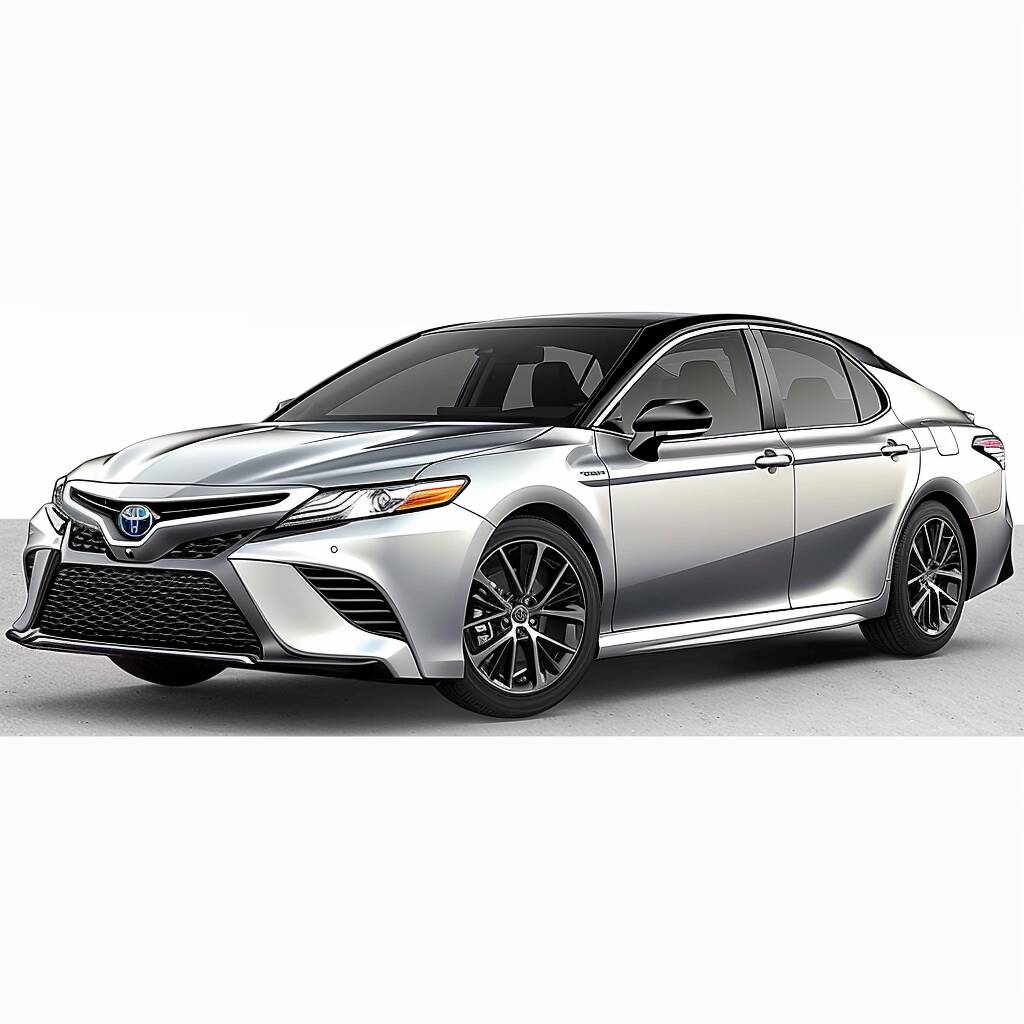
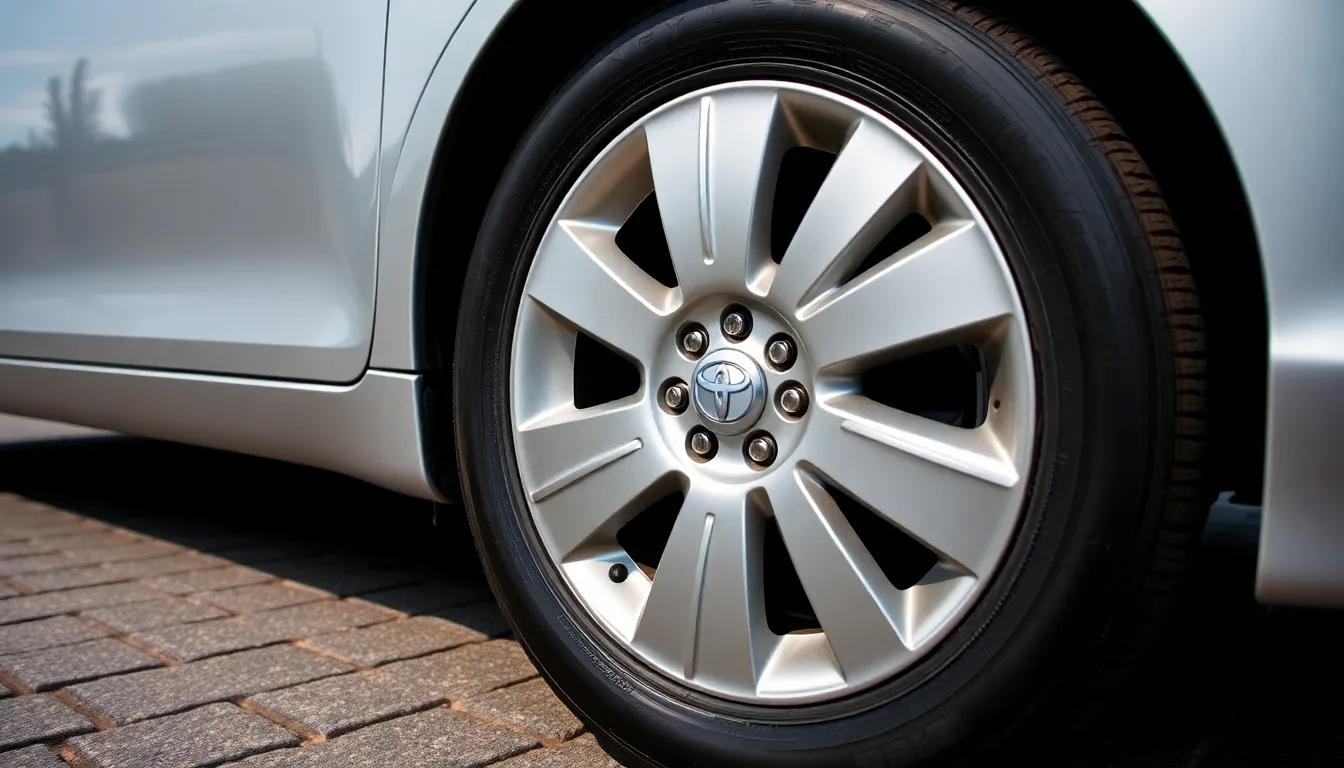
For the 2016 Toyota Camry, the "sport" designations apply primarily to the SE, XSE, and the Special Edition trims. The 2016 Camry SE comes standard with 17 x 7.0-inch alloy wheels paired with 215/55R17 tires, while the XSE and Special Edition trims feature larger 18 x 7.5-inch alloy wheels fitted with 225/45R18 tires. All trims share a 5x114.3mm bolt pattern and a 60.1mm center bore.
Understanding the specific wheel dimensions for these trims is essential for maintaining original equipment (OE) performance, selecting winter tires, or upgrading to aftermarket wheels. As of 2026, many of these vehicles are reaching a decade of service, making wheel refurbishing or replacement a common maintenance task for owners looking to preserve the vehicle’s handling characteristics and aesthetic appeal.
Breaking Down the Sport Trim Wheel Specifications
The 2016 Toyota Camry was designed with a clear distinction between its "luxury/commuter" trims (LE and XLE) and its "sport" trims (SE and XSE). The sport trims were engineered with firmer suspension tuning, which is complemented by specific wheel and tire combinations designed to provide better lateral stability and a more responsive steering feel.
The Camry SE: The 17-Inch Standard
The SE (Sport Edition) was the entry point into the Camry's sportier side. Toyota equipped this trim with a 17-inch aluminum alloy wheel. These wheels typically feature a graphite or machined finish, depending on the specific package options chosen at the time of manufacture.
- Wheel Size: 17 x 7.0 inches
- Tire Size: 215/55R17
- Material: Cast Aluminum Alloy
The 17-inch diameter is widely considered the "sweet spot" for the 2016 Camry. It provides a larger contact patch and shorter sidewall than the base 16-inch steel wheels found on the LE, leading to sharper turn-in. However, the 55-series sidewall still offers enough air volume to absorb road imperfections, maintaining the Camry’s reputation for a comfortable ride.
The Camry XSE and Special Edition: The 18-Inch Performance Choice
The XSE and the limited-production Special Edition moved the Camry into more aggressive territory. These trims utilized an 18-inch wheel, which was the largest factory option available for the 2016 model year.
- Wheel Size: 18 x 7.5 inches
- Tire Size: 225/45R18
- Material: Machined-finish alloy with black accents (XSE) or unique gloss black/blue-tinted finish (Special Edition).
The jump to an 18-inch wheel isn't just about looks. The 7.5-inch rim width (0.5 inches wider than the SE) allows for a wider 225mm tire. This wider footprint improves mechanical grip during cornering. Furthermore, the 45-series tire has a much shorter, stiffer sidewall. This reduces tire "squirm" during aggressive maneuvers, though it does result in a firmer ride where road textures are more noticeably transmitted into the cabin.
Critical Technical Specifications for Fitment
When replacing wheels on a 2016 Camry Sport, the diameter and width are only part of the equation. To ensure the wheels clear the brake calipers and do not rub against the suspension struts or fender liners, you must adhere to the following technical parameters.
Bolt Pattern (PCD)
The 2016 Camry uses a 5 x 114.3mm bolt pattern (also commonly referred to as 5 x 4.5 inches). This is a very standard Japanese and American mid-size car fitment. It means there are five lug holes arranged in a circle with a diameter of 114.3mm. Using any other bolt pattern is impossible without adapters, which are generally not recommended for daily driven vehicles due to safety and vibration concerns.
Center Bore
The center bore is the large hole in the middle of the wheel that fits over the car's hub. For the 2016 Camry, the hub diameter is exactly 60.1mm.
- Hub-Centric Design: Toyota uses a hub-centric design, meaning the wheel is centered by the hub, not the lug nuts.
- Aftermarket Warning: If you purchase aftermarket wheels, they often have a larger center bore (like 73.1mm) to fit multiple car brands. In this case, you must use hub-centric rings to bridge the gap between the 60.1mm Camry hub and the larger wheel bore to prevent high-speed vibrations.
Offset (ET)
Offset determines how far the wheel sits in or out of the wheel well. The factory 2016 Camry sport wheels typically have an offset between +35mm and +45mm.
- A higher offset (e.g., +50mm) moves the wheel further inward toward the suspension.
- A lower offset (e.g., +30mm) pushes the wheel outward toward the fender. For the Sport trims, staying within the +38mm to +45mm range ensures that the wider 225mm tires don't rub against the front struts or the rear fender lip when the car is fully loaded.
Lug Nut Specifications
The 2016 Camry uses M12 x 1.5 thread pitch lug nuts.
- Seat Type: Factory Toyota wheels use a "Mag Style" seat with a flat washer.
- Caution: Most aftermarket wheels use a "Conical" or "Tapered" seat. You cannot use factory Toyota lug nuts on aftermarket wheels, nor can you use aftermarket conical lug nuts on factory wheels. Doing so prevents the wheel from being secured properly and can lead to the wheel detaching while driving.
Detailed Wheel and Tire Compatibility Table
This table compares the various configurations found on the 2016 Camry to help you identify your specific "Sport" setup versus the standard models.
| Trim Level | Wheel Diameter | Rim Width | Tire Size | Offset (ET) | Bolt Pattern |
|---|---|---|---|---|---|
| Camry SE (Sport) | 17" | 7.0" | 215/55R17 | +45mm | 5x114.3 |
| Camry XSE (Sport) | 18" | 7.5" | 225/45R18 | +40mm | 5x114.3 |
| Special Edition | 18" | 7.5" | 225/45R18 | +40mm | 5x114.3 |
| Camry LE (Base) | 16" | 6.5" | 205/65R16 | +40mm | 5x114.3 |
| Camry XLE (Luxury) | 17" | 7.0" | 215/55R17 | +45mm | 5x114.3 |
Impact of Wheel Size on Performance and Comfort
Choosing between the 17-inch SE wheel and the 18-inch XSE wheel involves a trade-off between aesthetics, performance, and daily usability.
1. Ride Quality and Noise
The SE’s 17-inch wheels use tires with a 55% aspect ratio. This "taller" sidewall acts as a secondary cushion for the suspension. By 2026, as infrastructure in many areas has aged, the extra cushion of the 17-inch setup is often preferred by drivers who prioritize comfort. The 18-inch XSE setup, with its 45% aspect ratio, transmits more "road feel." While this is great for spirited driving, it can result in a busier, noisier cabin environment on concrete highways or potholed city streets.
2. Steering Response and Handling
The 18-inch wheels on the XSE provide a distinct advantage in steering "crispness." Because there is less rubber sidewall to flex when you turn the steering wheel, the car reacts more immediately. If you enjoy the "Sport" aspect of your Camry, the 18-inch wheel is the superior choice for maintaining that mechanical connection to the road.
3. Fuel Economy (MPG)
Larger wheels are almost always heavier. An 18-inch XSE wheel and tire combo weighs several pounds more than the 17-inch SE setup. This increases "unsprung weight" and rotational inertia. In real-world driving, the 18-inch wheels can cause a slight decrease in city fuel economy (typically 1-2 MPG) because the engine must work harder to get the heavier wheels spinning from a stop.
4. Replacement Costs
Standard maintenance in 2026 shows a clear price gap between these sizes.
- 215/55R17 (SE): This is a very common size. Tires are generally more affordable and widely available in various categories (All-Season, Touring, Performance).
- 225/45R18 (XSE): This is a more performance-oriented size. These tires usually cost 15-25% more per tire than the 17-inch equivalents and tend to have a shorter tread life due to the softer rubber compounds often used in this size category.
Aftermarket Considerations: Up-sizing and Down-sizing
Many 2016 Camry owners look to change their wheel sizes for either style or seasonal practicality.
Can I put 18-inch XSE wheels on a Camry SE?
Yes. Since the suspension geometry is nearly identical across the trims, 18-inch wheels from an XSE or Special Edition will bolt directly onto an SE or even an LE. The speedometer will remain accurate because the total rolling diameter of the 225/45R18 tire is almost identical to the 215/55R17.
Down-sizing for Winter (16-inch wheels)
If you live in a region with heavy snow, it is a common practice to "size down" for winter tires.
- Compatibility: A 16x6.5-inch wheel (standard on the LE) will fit over the brake calipers of the SE and XSE.
- Benefit: Using a 205/65R16 winter tire provides a narrower footprint that "cuts" through snow better than the wide 225mm tires. It also provides a massive sidewall to protect the rims from hidden potholes under the snow.
Up-sizing to 19-inch Wheels
While not offered by the factory in 2016, the Camry wheel wells can accommodate 19-inch wheels. If you go this route, a 235/40R19 tire size is usually recommended to keep the speedometer calibrated. However, be aware that the extremely thin sidewall makes the wheels highly susceptible to bending or cracking if you hit a significant road hazard.
Maintenance and Installation Best Practices
Properly maintaining your wheels is critical for safety, especially on a vehicle that is now a decade old.
Lug Nut Torque
Whenever the wheels are removed—whether for a tire rotation or brake job—they must be torqued to the correct specification. For the 2016 Camry, the lug nut torque is 76 lb-ft (103 Nm).
- The Danger of Over-torquing: Using an impact wrench without a torque stick can stretch the wheel studs or warp the brake rotors.
- The Danger of Under-torquing: Loose lug nuts can lead to wheel vibration and, eventually, the wheel falling off.
Tire Pressure Monitoring System (TPMS)
The 2016 Camry uses a direct TPMS, meaning there is a sensor inside each wheel attached to the valve stem.
- Battery Life: By 2026, many original TPMS sensors are reaching the end of their 10-year battery life. If you are buying new wheels or tires, it is highly recommended to replace the sensors at the same time to avoid paying for labor twice when the batteries eventually fail.
- Programming: New sensors must be programmed to the car's ECU using a specialized OBD-II tool.
Wheel Rotation Schedule
To maximize the life of your tires, Toyota recommends rotating the wheels every 5,000 to 7,500 miles. For the front-wheel-drive Camry, the front tires wear significantly faster because they handle both the steering and the power delivery. A "Forward Cross" rotation pattern is typically used for non-directional tires.
Frequently Asked Questions
What is the bolt pattern for a 2016 Camry SE?
The bolt pattern is 5x114.3mm (or 5x4.5 inches). This is consistent across all 2016 Camry trim levels, including the LE, SE, XLE, XSE, and Special Edition.
Will 18-inch wheels fit my 2016 Camry SE without modifications?
Yes, 18x7.5 or 18x8 inch wheels will fit without any modifications to the fenders or suspension, provided you use the correct offset (+35 to +45) and a 225/45R18 tire.
What is the factory offset for the 2016 Camry XSE?
The factory 18-inch wheels on the XSE typically have an offset of +40mm. This keeps the wheel tucked slightly inside the fender for a clean look while providing plenty of clearance for the suspension components.
What is the center bore size for the 2016 Camry?
The center bore is 60.1mm. If you are buying aftermarket wheels, ensure they are either bored to 60.1mm or that you purchase hub-centric rings to ensure the wheel is perfectly centered on the hub.
Can I use 16-inch wheels on a Camry XSE for the winter?
Yes, 16-inch wheels will clear the front and rear brake calipers on the XSE. This is a popular choice for winter driving as it allows for cheaper tires and better protection against road damage.
Summary and Recommendations
When dealing with the 2016 Camry Sport wheel size, your primary focus should be on the trim-specific requirements. If you drive an SE, stick with the 17-inch setup for the best balance of value and comfort. If you own an XSE or Special Edition, the 18-inch wheels are integral to the car’s sharper handling and "aggressive" persona.
For those looking to replace damaged wheels or upgrade, always verify the 60.1mm center bore and 5x114.3mm bolt pattern. By 2026, if you are still using the original alloy wheels, inspect them closely for "bead leaks" caused by corrosion or minor bends. Replacing or refurbishing these wheels can significantly improve the ride quality and safety of your vehicle as it enters its second decade on the road.