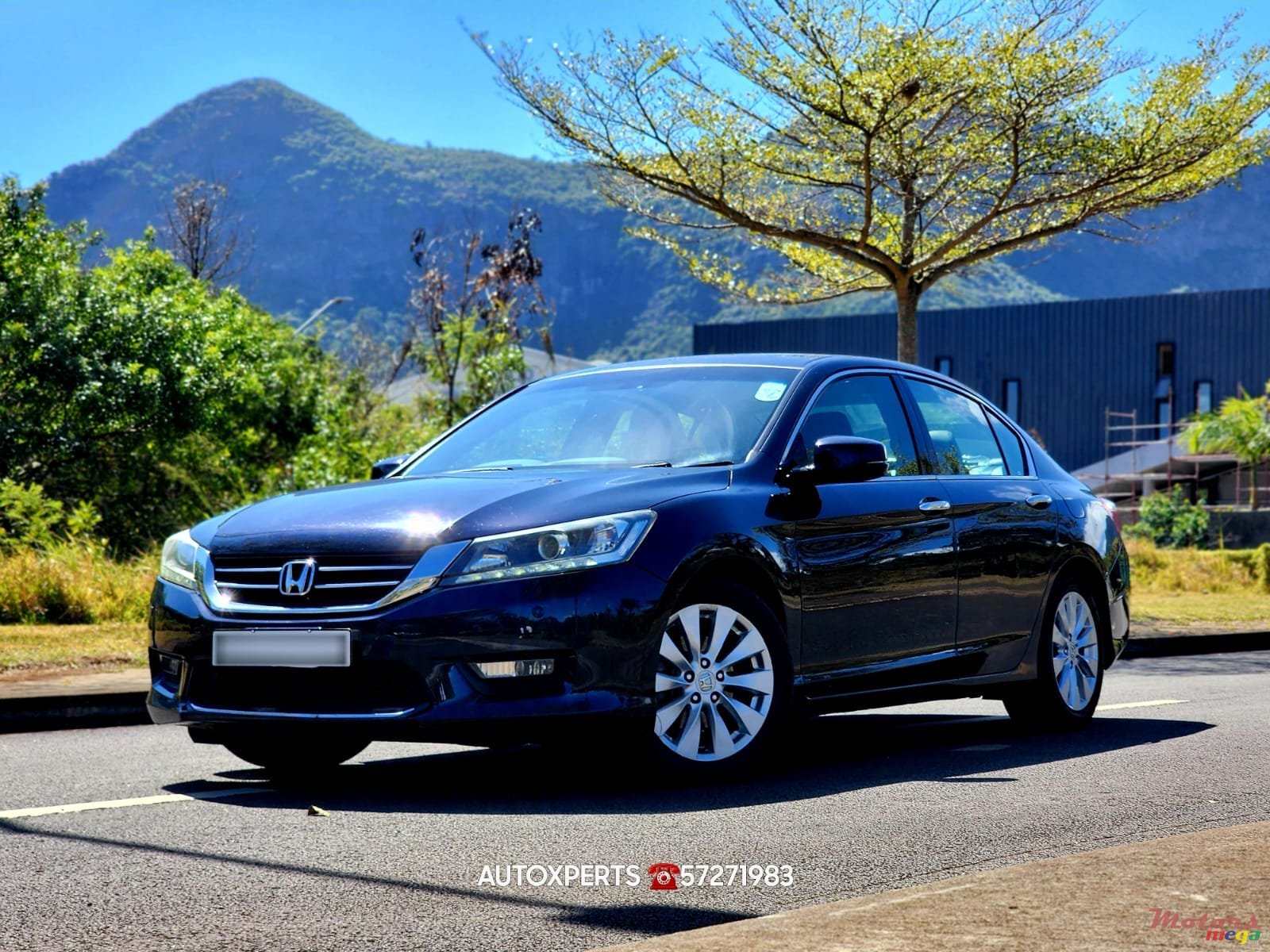
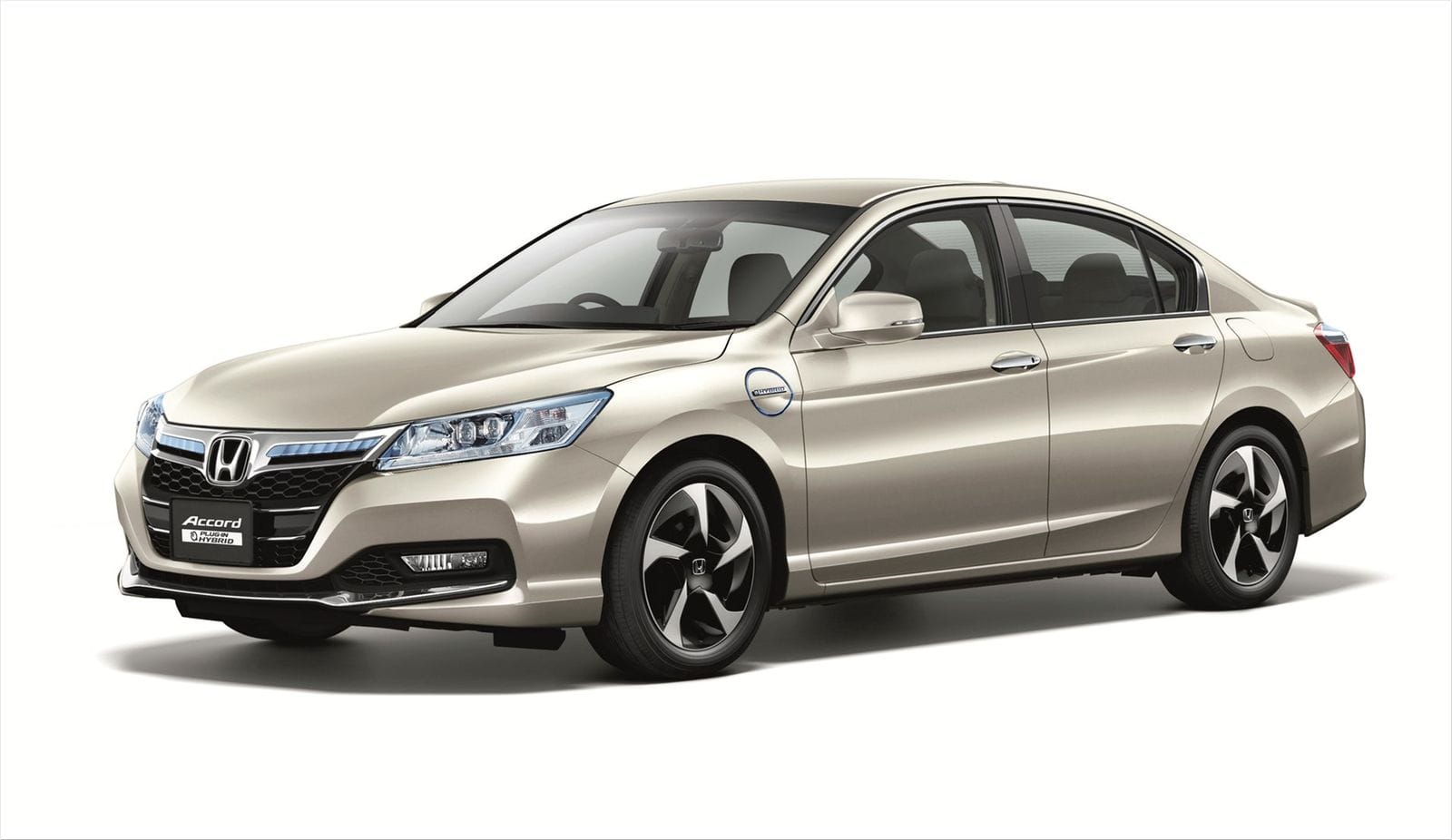
The 2014 Honda Accord maintains a strong reputation for long-term mechanical reliability, regularly exceeding 200,000 miles when properly serviced. While its core powertrains—the 2.4-liter four-cylinder and 3.5-liter V6—are exceptionally durable, prospective owners must navigate documented failure points, including premature starter failure, early continuously variable transmission hesitation, and oil consumption on V6 models.
Entering its second model year of the ninth generation (2013–2017), the 2014 Accord addressed several first-year assembly quirks. However, it also cemented several mechanical patterns that buyers should understand before purchasing. Whether you are cross-shopping used midsize sedans or evaluating the remaining lifespan of an Accord already in your driveway, this guide breaks down real-world reliability metrics, powertrain trade-offs, critical trouble spots, and maintenance requirements.
2014 Honda Accord Snapshot: Powertrains and Specifications
The 2014 Accord was sold in sedan and coupe body styles across several trim levels: LX, Sport, EX, EX-L, and Touring. Mechanically, the vehicle splits into two distinct internal combustion configurations, alongside a low-volume conventional Hybrid and a rare Plug-in Hybrid (PHEV).
| Powertrain Variant | Engine Architecture | Horsepower / Torque | Transmission Options | Primary Reliability Profile |
|---|---|---|---|---|
| 2.4L I4 (K24W1 / Earth Dreams) | 2.4-liter inline-4, direct injection, DOHC i-VTEC | 185 hp (189 hp on Sport) / 181 lb-ft | 6-speed manual or Continuously Variable Transmission (CVT) | High durability; watch for starter motor failure and direct-injection carbon buildup. |
| 3.5L V6 (J35Y2 / J35Y1) | 3.5-liter V6, multi-point fuel injection, SOHC i-VTEC | 278 hp / 252 lb-ft | 6-speed manual (Coupe only) or 6-speed automatic | Robust bottom end; requires timing belt service; Variable Cylinder Management (VCM) can trigger oil consumption and mount wear. |
| 2.0L Hybrid / PHEV | 2.0-liter inline-4 Atkinson-cycle + electric motor | 196 total system hp / 226 lb-ft | Electric-CVT (e-CVT) | Mechanically sound; long-term battery degradation and inverter cooling maintenance are the primary age concerns. |
The overwhelming majority of used inventory features either the 2.4-liter four-cylinder paired with a CVT or the 3.5-liter V6 paired with a conventional six-speed automatic. Each powertrain possesses distinct maintenance demands that directly dictate long-term ownership costs.
Powertrain Reliability: 2.4L Four-Cylinder vs. 3.5L V6
The 2.4-Liter Earth Dreams Inline-4 (K24W1)
The K24W1 engine introduced direct injection to the Accord lineup. Direct injection sprays pressurized fuel straight into the combustion chamber rather than the intake ports, yielding superior fuel economy and low-end torque.
From an internal mechanical standpoint, this engine is bulletproof. The timing chain rarely stretches or skips unless the engine has been run chronically low on oil. The cylinder walls, bearings, and crankshaft regularly endure 250,000 miles without internal failure.
However, because fuel washes over the backs of the intake valves in traditional port-injected engines, the absence of this wash in direct-injected engines can allow carbon deposits to accumulate over time. While the K24W1 suffers from carbon fouling far less than contemporary European direct-injection engines, cars past 130,000 miles that exhibit rough idle or subtle misfires often benefit from intake valve cleaning.
The pairing of this engine with Honda’s in-house CVT initially caused consumer friction. Early 2013 models suffered from shuddering and software bugs; by 2014, Honda had updated the transmission control module (TCM) calibration. The 2014 CVT is reliable provided it receives fresh Honda HCF-2 fluid every 30,000 to 40,000 miles. Neglecting this service can cause judder during light acceleration and premature push-belt wear.
The 3.5-Liter J-Series V6 (J35Y)
The 3.5-liter V6 offers effortless acceleration and traditional driving dynamics, utilizing a geared six-speed automatic transmission rather than a CVT. The J-series engine architecture has powered Honda and Acura vehicles for decades, but it presents two specific operational realities:
- Timing Belt System: Unlike the four-cylinder, the J35 uses a rubber timing belt and an interference engine design. If the timing belt snaps, the pistons strike the valves, resulting in catastrophic engine destruction. Replacement is required every 7 years or 105,000 miles, along with the water pump, tensioner, and serpentine belt.
- Variable Cylinder Management (VCM): The automatic V6 Accord uses VCM to deactivate three of the six cylinders during light cruising to conserve fuel. When cylinders deactivate, the pistons continue to pump without combustion, pulling oil past the piston rings due to crankcase vacuum. Over extended periods, this causes spark plug fouling, misfire codes (typically DTC P0301 through P0304), and elevated oil consumption. Furthermore, the active engine mounts designed to absorb the vibration of running on three cylinders frequently tear, resulting in heavy cabin vibration under deceleration.
Documented Problems and Known Failure Points
While owner satisfaction surveys from major outlets consistently award the 2014 Accord above-average marks, several specific systems generate repetitive repair orders.
Common 2014 Accord Trouble Areas:
- Starter Motor Assembly (Intermittent no-crank / gear grind)
- Variable Cylinder Management (V6 oil consumption & active mount wear)
- Electric Power Steering Torque Sensor (EPS warning light)
- Infotainment & Touchscreen Glitches (Dual-screen interface)
- Drive Axle / Half-Shaft Corrosion (Rust under rubber dynamic dampener)
1. Intermittent Starter Failure
The most widespread electrical complaint on the four-cylinder 2014 Accord involves the starter motor. Drivers experience an intermittent "click" or a single turn followed by complete silence when pressing the push-to-start button or turning the key.
Honda issued Technical Service Bulletins (TSBs) addressing starter alignment and premature brush wear. In many instances, the problem is dual-faceted: the starter motor's internal contacts wear prematurely, and the starter pinion gear can intermittently misalign with the flywheel ring gear.
Replacing the starter with an updated, high-torque aftermarket or revised OEM unit typically resolves the failure permanently. When replacing the starter, technicians should inspect the ring gear teeth on the torque converter or flywheel for chipping.
2. Electronic Power Steering (EPS) Failures
A documented issue on 2013–2015 Accords involves the Electronic Power Steering control unit and torque sensor. Drivers may notice the steering wheel suddenly stiffen at low speeds or when starting the car, accompanied by an illuminated EPS warning light on the gauge cluster.
Diagnostic scans often reveal trouble codes related to the steering torque sensor or internal EPS control module communication. While complete rack replacements were once common, diagnostic procedures now allow independent shops to isolate whether the issue is a faulty steering control module, harness corrosion, or a physical rack-and-pinion failure.
3. Infotainment and Touchscreen Freezes
The 2014 model year used Honda’s controversial dual-screen layout: a lower touchscreen dedicated to audio controls and an upper non-touch display for navigation, trip computer, and backup camera feeds.
Common anomalies include:
- The lower screen freezing on the Honda splash screen.
- Unresponsive capacitive touch controls.
- Complete screen blackout during cold starts until the cabin warms up.
- Bluetooth connection dropouts with modern smartphones.
Hard resets (disconnecting the 12-volt battery for 15 minutes) often resolve temporary glitches. Permanent screen failures typically require replacing the lower audio unit or upgrading to an aftermarket head unit equipped with modern smartphone integration.
4. Drive Axle Corrosion
Owners in the rust-belt regions must pay attention to Honda's drive axle safety recall. On four-cylinder models operated in areas where road salt is used, water and de-icing chemicals seep beneath the rubber dynamic dampener located midway along the front passenger-side drive axle.
Over time, moisture trapped beneath the rubber boot causes the steel shaft to rust away out of sight. Under heavy acceleration from a stop, the weakened axle can shear entirely, leaving the vehicle without drive power and unable to hold park if the parking brake is not engaged. Honda launched a safety campaign to inspect and replace vulnerable axles free of charge.
Safety Recalls and Technical Service Bulletins
Verifying that all recall work has been performed is a prerequisite when assessing a used 2014 Accord. Owners and prospective buyers can confirm completion status by entering the vehicle's 17-digit Vehicle Identification Number (VIN) into the National Highway Traffic Safety Administration (NHTSA) Recalls Database.
Notable Safety Recalls for the 2014 Accord
- Drive Shaft Fractures (NHTSA Campaign 20V770000): Addressed corrosive failure of drive axles under dynamic dampeners in salt-belt states. Dealers replace the drive shafts if rust pitting exceeds allowable depth.
- 12-Volt Battery Sensor Corrosion (NHTSA Campaign 17V418000): The original battery management sensor located on the negative battery terminal was not adequately sealed against moisture ingress. Salt and moisture could cause an electrical short circuit, potentially resulting in an under-hood fire. The remedy involves installing an updated, sealed sensor.
- Fuel Tank Sealing / Manufacturing Defect (NHTSA Campaign 14V423000): A limited batch of 2014 Accords had fuel tanks where the neck was improperly welded to the tank, risking fuel vapor leaks or liquid fuel leakage during an impact. Affected tanks were replaced.
Beyond safety recalls, key TSBs include updates for CVT shift-feel shudder (TSB 13-053) and software calibrations designed to mitigate V6 spark plug fouling (TSB 13-078).
Expected Lifespan, Maintenance Schedules, and Running Costs
With ordinary preventive maintenance, a 2014 Honda Accord reliably reaches 200,000 to 250,000 miles before major component failures retire the vehicle. Reaching 300,000 miles is feasible on the original engine and transmission if oil and fluid changes are strictly maintained.
Long-Term Accord Maintenance Milestones
- Every 5,000–7,500 Miles: Engine oil & filter change (0W-20 Full Synthetic)
- Every 30,000 Miles: CVT fluid drain and refill (Honda HCF-2 only)
- Every 30,000–45,000 Miles: V6 automatic transmission fluid (Honda ATF DW-1)
- Every 60,000 Miles: Brake fluid flush, cabin/engine air filters
- Every 105,000 Miles or 7 Years:
- V6: Timing belt, tensioner, water pump, and spark plugs
- I4: Valve clearance inspection, spark plugs (Timing chain is lifetime)
Essential Maintenance Regimen
To keep running costs predictable and prevent expensive driveline repairs, adhere to these service intervals:
1. Engine Oil Management
Both the 2.4L and 3.5L engines run on 0W-20 full-synthetic oil. The Honda Maintenance Minder system calculates oil life based on operating conditions, but owners should change oil every 5,000 to 7,500 miles. Direct-injected four-cylinder engines can cause mild fuel dilution during short, cold-weather commutes; sticking to a 5,000-mile interval preserves chain guides and piston rings.
2. Transmission Fluid Care
- Four-Cylinder CVT: Use only genuine Honda HCF-2 fluid. Universal transmission fluids lack the precise friction modifiers needed for Honda's steel push-belt system. Drain and refill every 30,000 miles. A transmission fluid service costs approximately $120–$180 at an independent specialist.
- V6 6-Speed Automatic: Use genuine Honda ATF DW-1. Because torque converters trap a large percentage of fluid, shops perform a "drain-and-fill" rather than a pressurized flush. Doing a single drain-and-fill every 30,000 miles prevents the torque converter clutch chatter common on older J-series transmissions.
3. V6 Timing Belt Replacement
Budget roughly $800 to $1,400 for a timing belt and water pump service every 105,000 miles. Skipping this service gamble risks immediate, catastrophic internal valve-to-piston collisions.
2014 Accord vs. Contemporary Competitors
To assess the 2014 Accord's reliability accurately, it helps to compare it directly against its primary midsize competitors from the 2014–2015 era: the Toyota Camry, Nissan Altima, and Mazda 6.
| Model / Powertrain | Drivetrain Reliability Score | Dominant Mechanical Weakness | 10-Year Ownership Cost Risk | Best Use Case |
|---|---|---|---|---|
| 2014 Honda Accord | High | Starter failure, V6 VCM oil use, screen glitches | Low to Moderate (Higher on V6 due to timing belt) | Balanced driver engagement, spacious cabin, strong residual value. |
| 2014 Toyota Camry | Very High | Torque converter shudder (2012–2014), dashboard melting | Very Low | Buyers seeking the absolute lowest maintenance overhead and simple mechanics. |
| 2014 Nissan Altima | Poor to Mediocre | Catastrophic Jatco CVT failure, steering lock failure | Very High | Generally avoided due to widespread, expensive CVT replacement rates. |
| 2014 Mazda 6 | Above Average | Infotainment reboots, carbon buildup on SkyActiv engines | Low | Drivers seeking a sharper chassis with a conventional geared 6-speed automatic. |
While the Toyota Camry edged out the Accord in baseline powertrain durability due to its use of a conventional geared automatic transmission across all four-cylinder trims, the Accord delivers superior road handling, interior packaging, and structural safety. Against the Nissan Altima, the Accord's CVT is substantially more robust, with a fraction of the catastrophic structural failures seen in Jatco-sourced units.
Pre-Purchase Inspection Checklist for Used Buyers
When evaluating a 2014 Accord, use this targeted checklist to isolate known trouble spots before negotiating or signing paperwork:
Under the Hood
- Cold Engine Start: Have an assistant turn the key or press the start button while you stand by the engine bay. Listen for hesitation, grinding, or a rapid single click indicative of a failing starter.
- Front Axle Inspection: Turn the front wheels fully to one side. Shine a flashlight behind the wheel hub to inspect the passenger-side axle shaft for heavy blistering, flake rust, or peeling rubber dampers.
- Valve Cover Gasket & Oil Leaks: On the 2.4L engine, look around the cylinder head seam and the VTEC solenoid gasket on the back passenger side for oil seeping. On the V6, check the front spool valve housing above the alternator; leaks here can drip oil directly into the alternator, causing charging system failure.
During the Test Drive
- CVT Behavior (Four-Cylinder): Accelerate gently from a stop up to 35 mph. The car should accelerate smoothly without bucking, surging, or a metallic vibration through the pedal floorboard.
- Steering Resistance: While parked on dry pavement, rotate the steering wheel completely from lock to lock. The effort should remain completely uniform, with no sudden heavy resistance, whining, or EPS cluster warnings.
- V6 Cylinder Deactivation Check: Drive at 45 to 65 mph on a smooth highway. Watch for the green "ECO" light on the dashboard. When the light illuminates, pay attention to any low-frequency vibration, exhaust drone, or hesitation when gently tapping the accelerator to pass.
Frequently Asked Questions
Is the 2014 Honda Accord a reliable used car?
Yes. Major automotive scoring outlets, including Consumer Reports and J.D. Power, rate the 2014 Accord well above average for mechanical reliability. Its primary mechanical components—engine blocks, cylinder heads, chains, and transmissions—frequently last beyond 200,000 miles when standard maintenance schedules are observed.
How do I stop my 2014 Accord V6 from consuming engine oil?
Excess oil consumption on the 3.5L V6 is usually linked to the Variable Cylinder Management (VCM) system. Many long-term owners install an aftermarket VCM suppression device (often called a VCM disabler or tuner). These plug-and-play resistor harnesses connect inline with the engine coolant temperature sensor, subtly altering the temperature reading to prevent the engine control module from deactivating cylinders. This keeps all six cylinders firing full-time, eliminating vacuum-induced oil burning and extending active engine mount life.
How much does it cost to replace a 2014 Accord starter?
Replacing a starter on the 2.4L Accord typically costs between $450 and $750 at an independent repair shop, including parts and labor. The part itself costs roughly $150 to $300 for an OEM or quality aftermarket unit. The job requires removing the intake manifold runner or throttle body components on four-cylinder models to access the mounting bolts, which accounts for roughly 1.5 to 2.5 hours of labor.
Does the 2014 Honda Accord have a timing belt or a timing chain?
It depends entirely on the engine:
- The 2.4-liter four-cylinder (K24W1) uses a lifetime timing chain that requires no scheduled replacement under normal operating conditions.
- The 3.5-liter V6 (J35Y) uses a rubber timing belt that must be replaced every 105,000 miles or 7 years, whichever comes first, to prevent catastrophic internal engine damage.
Can a 2014 Honda Accord run on regular 87-octane gas?
Yes. Both the 2.4-liter four-cylinder and the 3.5-liter V6 engines are engineered to run on standard 87-octane unleaded gasoline. Premium fuel is not required and does not provide measurable improvements in reliability, fuel economy, or performance.
Final Recommendation: Is It Worth Buying?
The 2014 Honda Accord remains one of the safest, most practical purchases in the sub-$12,000 used vehicle market. It avoids the catastrophic transmission failures found in contemporary Nissan competitors and delivers a significantly more refined driving dynamic than equivalent Toyota Camrys.
For the lowest ownership costs, target a 2.4-liter four-cylinder model (LX, Sport, or EX) with documented CVT fluid changes. Ensure you have roughly $600 set aside in reserve for a potential starter replacement or infotainment reset. If you prefer the power and smooth acceleration of the 3.5-liter V6, demand proof of timing belt replacement within the last seven years, and consider installing a VCM disabler harness to protect the engine's rings and mounts for the long haul.