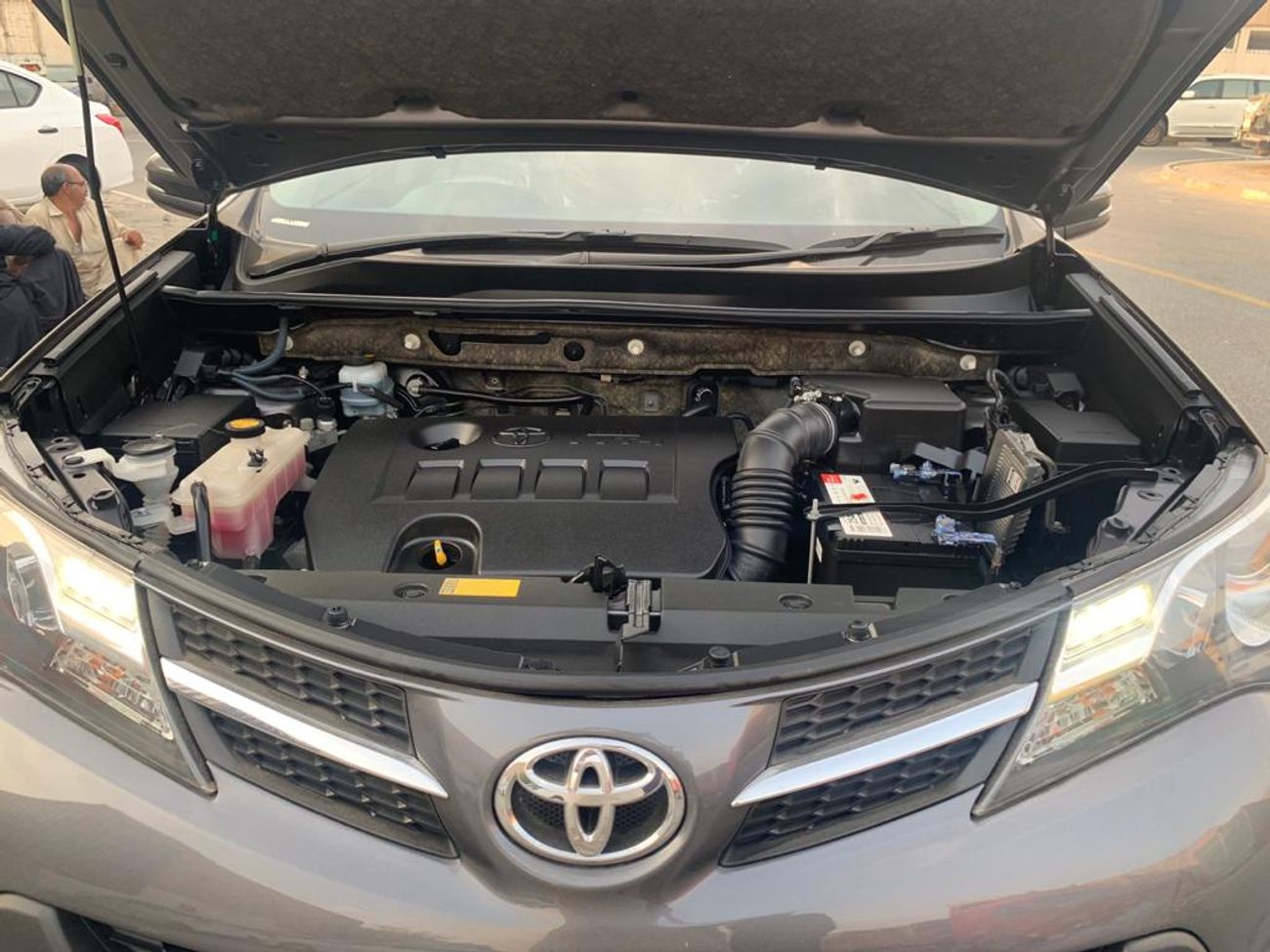
The 2013 Toyota RAV4 marked a complete redesign of the popular compact crossover, dropping the previous V6 engine option and rear-mounted spare tire while introducing a six-speed automatic transmission, improved fuel economy, and increased cargo space. This comprehensive guide details the technical specifications, powertrain options, dimensional layouts, trim levels, and practical considerations required for prospective buyers evaluating a used model.
Introduction to the 2013 Toyota RAV4 Redesign
When Toyota introduced the fourth-generation RAV4 for the 2013 model year, the vehicle underwent its most significant transformation since its inception. Abandoning the aging third-generation platform, Toyota aimed to capture a broader family and commuter demographic by smoothing out the exterior styling, modernizing the interior layout, and optimizing interior volume. For prospective buyers in the secondary market, understanding the exact specifications of this model year is essential.
The 2013 model year brought a departure from the V6 engine and the side-hinged rear door with an externally mounted spare tire. Instead, Toyota adopted a top-hinged liftgate, relocated the spare tire beneath the cargo floor, and streamlined the powertrain lineup around a single, highly efficient four-cylinder engine paired with a new six-speed automatic transmission. Evaluating a used 2013 RAV4 requires examining these core mechanical changes, the distinct trim levels, safety credentials, and day-to-day usability metrics.
Powertrain Specifications and Mechanical Performance
At the heart of every 2013 Toyota RAV4 is a naturally aspirated 2.5-liter inline-four engine (factory code 2AR-FE). This dual overhead cam (DOHC) power plant features Dual VVT-i (Variable Valve Timing with intelligence) to optimize combustion efficiency across various RPM ranges.
The engine produces 176 horsepower at 6,000 RPM and 172 pound-feet of torque at 4,100 RPM. Unlike its predecessor, which offered a 3.5-liter V6 option generating 269 horsepower, the 2013 lineup relies exclusively on this four-cylinder setup. While acceleration is more measured than the outgoing V6 models, the trade-off is realized in enhanced fuel efficiency and a lighter front-end feel.
Transmission and Drivetrain Configurations
The 2013 RAV4 replaced the older four-speed and five-speed automatic transmissions with a sequential shift six-speed automatic transmission (U760E). This transmission features an Eco mode to dull throttle response and optimize shift points for maximum fuel economy, as well as a Sport mode that sharpens throttle inputs, holds gears longer, and provides simulated rev-matched downshifts.
Buyers can choose between front-wheel drive (FWD) and Dynamic Torque-Control All-Wheel Drive (AWD). The AWD system utilizes an electromagnetic coupling device located at the rear differential. In Auto mode, the RAV4 operates primarily in front-wheel drive to save fuel, but automatically shifts up to 50 percent of torque to the rear wheels upon detecting wheel slippage or during cornering. Drivers can also engage a manual "AWD Lock" button at speeds below 25 mph, locking the torque distribution 50/50 for deep snow, mud, or loose gravel.
Fuel Economy Ratings
The combination of the 2.5-liter engine, six-speed transmission, and aerodynamic body shell (which achieves a drag coefficient of $C_d = 0.33$) yields competitive fuel economy figures for the compact crossover segment:
- Front-Wheel Drive (FWD): 24 MPG city / 31 MPG highway / 26 MPG combined.
- All-Wheel Drive (AWD): 22 MPG city / 29 MPG highway / 25 MPG combined.
Dimensions, Weight, and Cargo Capacity
Exterior and interior dimensions dictate how well the RAV4 accommodates passengers, cargo, and garage spaces. The 2013 model rides on a 104.9-inch wheelbase, with an overall length of 179.9 inches, a width of 72.6 inches, and a height of 65.4 inches. Ground clearance is rated at 6.3 inches across all standard trims.
Interior packaging represents a major improvement over the previous generation. Relocating the spare tire from the rear door to the under-floor storage compartment allowed engineers to lengthen the cargo floor and lower the liftgate threshold.
| Specification Category | 2013 Toyota RAV4 Metric / Imperial |
|---|---|
| Wheelbase | 104.9 inches (2,664 mm) |
| Overall Length | 179.9 inches (4,569 mm) |
| Overall Width | 72.6 inches (1,844 mm) |
| Overall Height | 65.4 inches (1,661 mm) |
| Ground Clearance | 6.3 inches (160 mm) |
| Cargo Volume (Rear Seats Up) | 38.4 cubic feet (1,087 liters) |
| Cargo Volume (Rear Seats Folded) | 73.4 cubic feet (2,078 liters) |
| Curb Weight (FWD / AWD) | 3,455 lbs / 3,605 lbs |
| Fuel Tank Capacity | 15.9 gallons (60 liters) |
The 60/40 split-folding rear seats feature a recline function. When folded completely flat, the cargo bay expands to 73.4 cubic feet, ranking near the top of its class for interior storage capacity.
Trim Levels and Standard Equipment
Toyota structured the 2013 RAV4 lineup into three primary trim levels: LE, XLE, and Limited. Each tier builds upon the mechanical foundation with distinct interior appointments and exterior styling upgrades.
LE (Base Trim)
The LE serves as the entry-level specification. Standard exterior features include 17-inch steel wheels with wheel covers, projector-beam halogen headlights, power-adjustable folding side mirrors, and intermittent wipers. Inside, the LE offers air conditioning, cruise control, power windows and door locks, a tilt-and-telescopic steering wheel with audio controls, a multi-information display, and a 6.1-inch touchscreen interface running Toyota's Entune audio system with a USB port, auxiliary input, and Bluetooth hands-free phone connectivity.
XLE (Mid-Tier Trim)
The XLE adds functional and aesthetic upgrades. Exterior additions include 17-inch alloy wheels, fog lights, integrated turn signals on the side mirrors, roof rails, and a power tilt/slide moonroof with a sunshade. Interior upgrades feature dual-zone automatic climate control, sport-bolstered front bucket seats with premium fabric, and a leather-trimmed steering wheel and shift knob.
Limited (Top-Tier Trim)
The Limited trim introduces luxury and convenience features. It rides on 18-inch unique alloy wheels and features a power rear liftgate with adjustable height memory. Inside, the Limited includes SofTex synthetic leather seating surfaces, an eight-way power-adjustable driver’s seat with memory functions and power lumbar support, heated front seats, an auto-dimming rearview mirror with an integrated backup camera display (or integrated into the central screen depending on audio package), and a smart key system with push-button start.
Safety Ratings and Driver Assistance Features
Safety engineering in the 2013 RAV4 includes a rigid body structure utilizing high-tensile steel in critical impact zones to manage crash energy.
- Airbag System: The vehicle is equipped with eight standard airbags, including driver and front passenger advanced airbags, front seat-mounted side airbags, a driver's knee airbag, a front passenger seat-cushion airbag, and side-curtain airbags covering both rows.
- Active Safety Systems: Standard active safety equipment includes the Star Safety System, which comprises Vehicle Stability Control (VSC), Traction Control (TRAC), Anti-lock Braking System (ABS), Electronic Brake-force Distribution (EBD), Brake Assist, and Smart Stop Technology.
- Crash Testing: The Insurance Institute for Highway Safety (IIHS) designated the 2013 RAV4 as a Top Safety Pick, earning the highest rating of "Good" in moderate overlap front, side, roof strength, and head restraint tests. However, it received a "Poor" rating in the newly introduced small overlap front crash test, a critical factor for buyers reviewing historical crash safety data. The National Highway Traffic Safety Administration (NHTSA) awarded the 2013 RAV4 an overall safety rating of 4 out of 5 stars.
Common Buyer Considerations and Potential Wear Points
Evaluating a used 2013 RAV4 requires inspecting specific mechanical and structural components that are common to this model year.
- Transmission Performance: While the U760E six-speed automatic is generally durable, prospective buyers should test-drive the vehicle to verify smooth shifts between gears, particularly when transitioning from second to third gear under moderate acceleration. Delayed engagement or harsh shifting may indicate worn transmission fluid or software calibration issues requiring a dealership update.
- Oil Leaks and Engine Gaskets: The 2.5-liter 2AR-FE engine is known for long-term reliability, but high-mileage examples should be inspected around the timing chain tensioner and valve cover gaskets for signs of oil seepage.
- Suspension Components: At over a decade old, original suspension components—including strut mounts, control arm bushings, and stabilizer bar links—frequently exhibit wear. Clunking noises over bumps during a test drive indicate that suspension refresh work may be required.
- Interior Electronics: Check the functionality of the Entune infotainment touchscreen, steering wheel controls, and power liftgate motor (on Limited trims), as electronic actuators and older head units can occasionally experience glitches or screen delamination.
Frequently Asked Questions
Does the 2013 Toyota RAV4 have a V6 engine option?
No. Toyota dropped the V6 engine option for the 2013 model year redesign. All 2013 RAV4 models are powered exclusively by a 2.5-liter four-cylinder engine producing 176 horsepower. Buyers seeking a V6 compact crossover from this era must look at 2012 or earlier models.
What is the towing capacity of a 2013 Toyota RAV4?
When properly equipped with the factory tow prep package, the maximum towing capacity for the 2013 Toyota RAV4 is 1,500 pounds. This capacity applies to both FWD and AWD models equipped with the 2.5-liter engine. Exceeding this limit can strain the transmission and cooling systems.
Is the 2013 Toyota RAV4 good in deep snow?
Yes, when equipped with the optional Dynamic Torque-Control All-Wheel Drive system and dedicated winter tires, the 2013 RAV4 performs well in snow. Engaging the AWD Lock button below 25 mph distributes torque evenly between the front and rear axles, providing stability in unplowed driveways or deep snow accumulation.
How reliable is the 2013 Toyota RAV4 transmission?
The six-speed automatic transmission introduced in 2013 is generally considered reliable and represents a major fuel-economy upgrade over older four-speed units. Routine fluid changes every 60,000 to 90,000 miles help ensure longevity, though buyers should verify smooth shifting behavior during a pre-purchase inspection.
What changed between the 2012 and 2013 Toyota RAV4 models?
The 2013 model year marked a complete generation shift. Changes included a new exterior and interior design, replacement of the side-hinged rear door with a traditional top-liftgate, relocation of the spare tire inside the cargo floor, introduction of a six-speed automatic transmission, removal of the V6 engine option, and increased overall cargo space.
Conclusion and Next Actions for Buyers
The 2013 Toyota RAV4 remains a practical, fuel-efficient, and versatile choice in the used compact crossover market. Its spacious interior, strong safety pedigree, and dependable four-cylinder mechanical layout make it well-suited for daily commuting and family transport. Prospective buyers should prioritize models with documented maintenance histories, perform a thorough inspection of the suspension and transmission shift quality during a test drive, and verify whether a front-wheel-drive or all-wheel-drive configuration aligns with their regional climate and driving requirements.