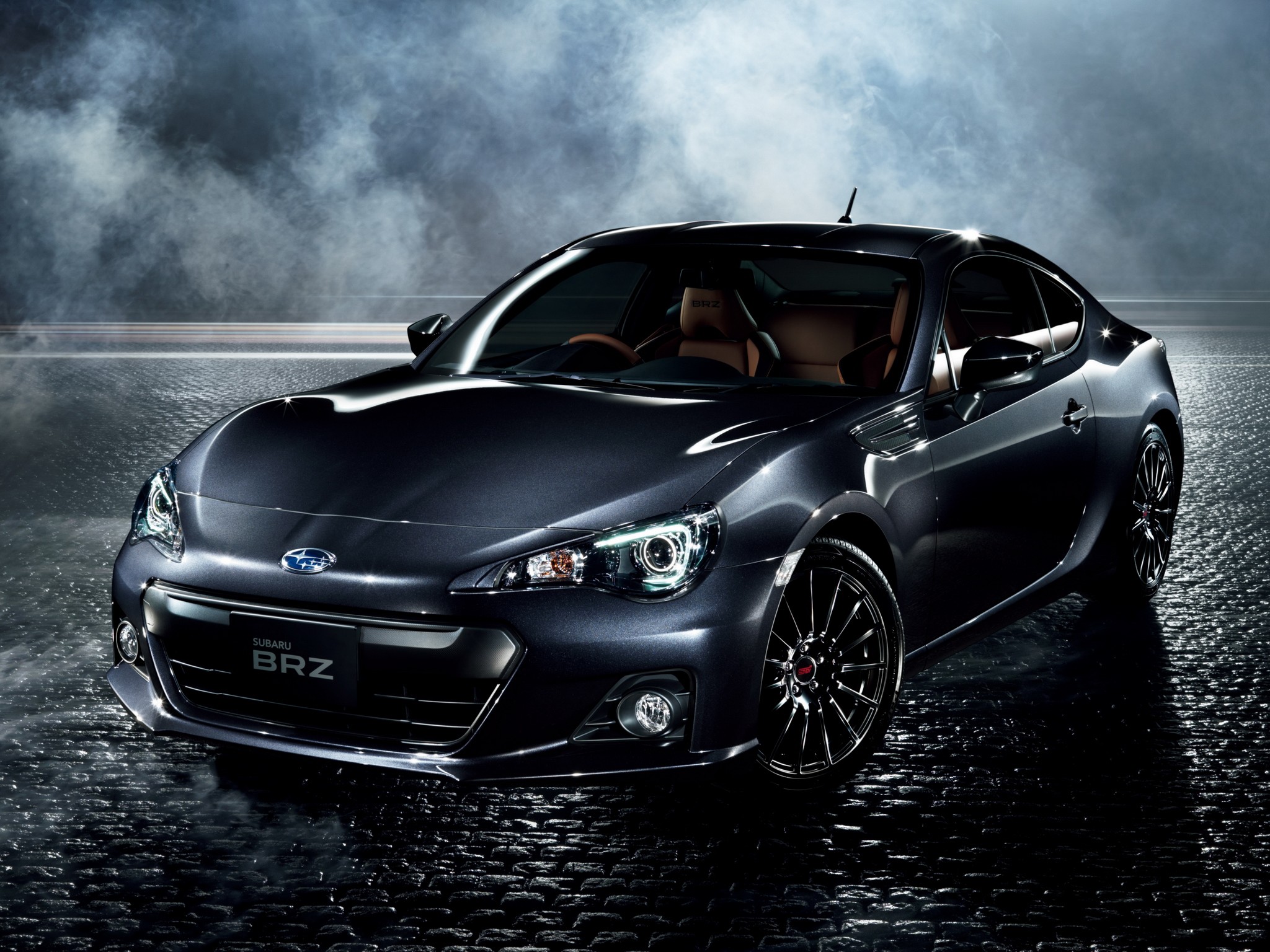
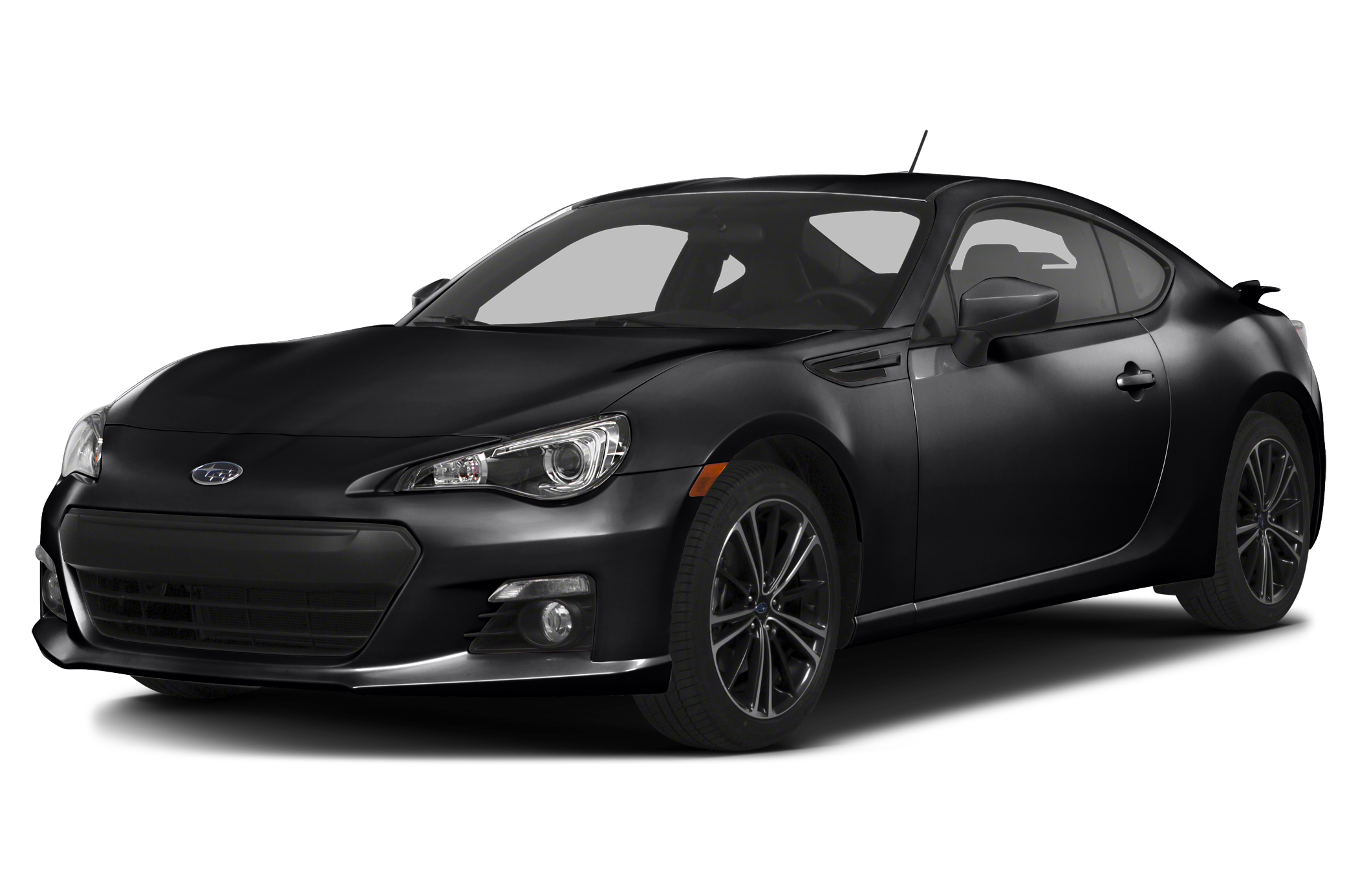
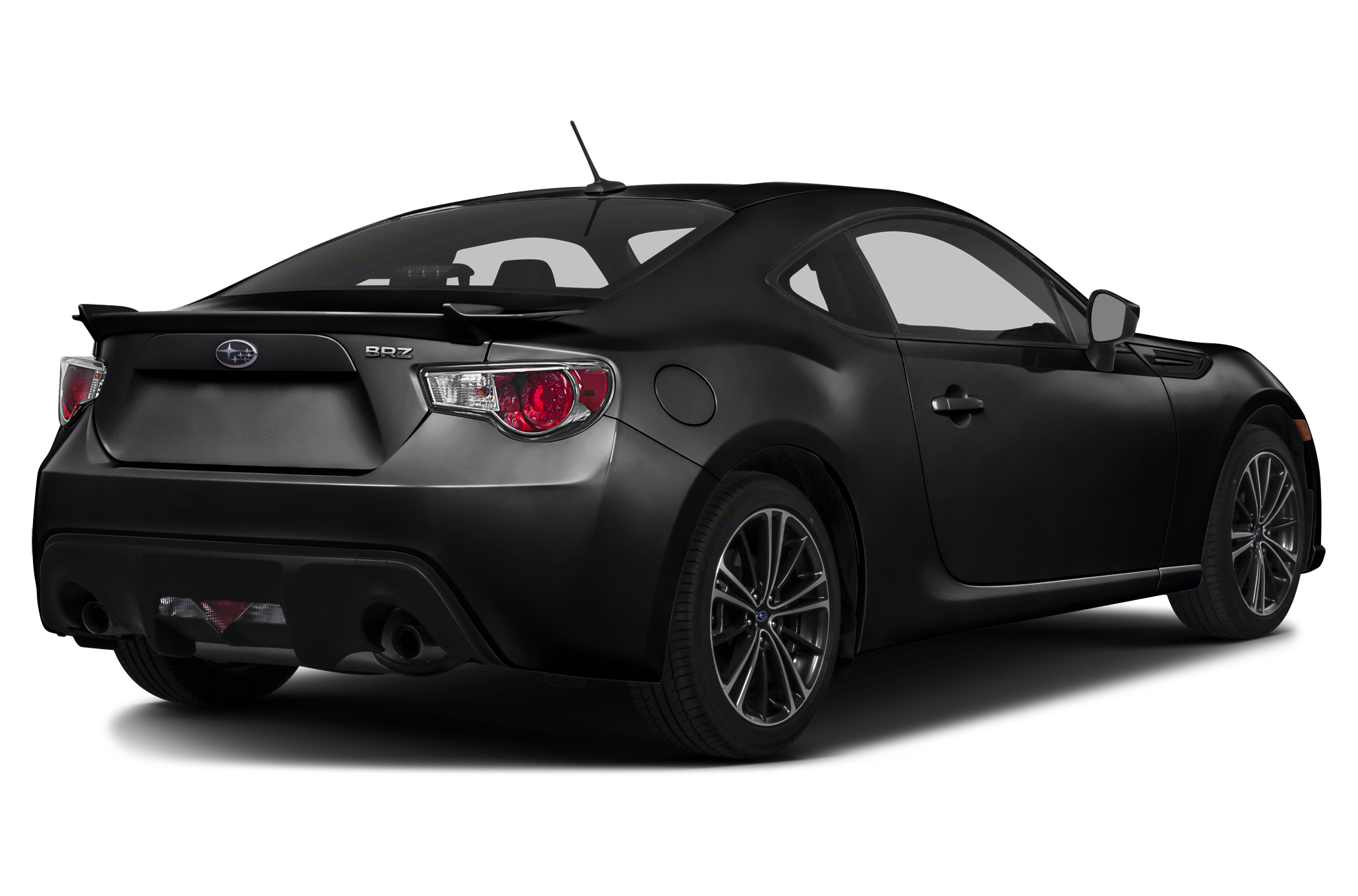
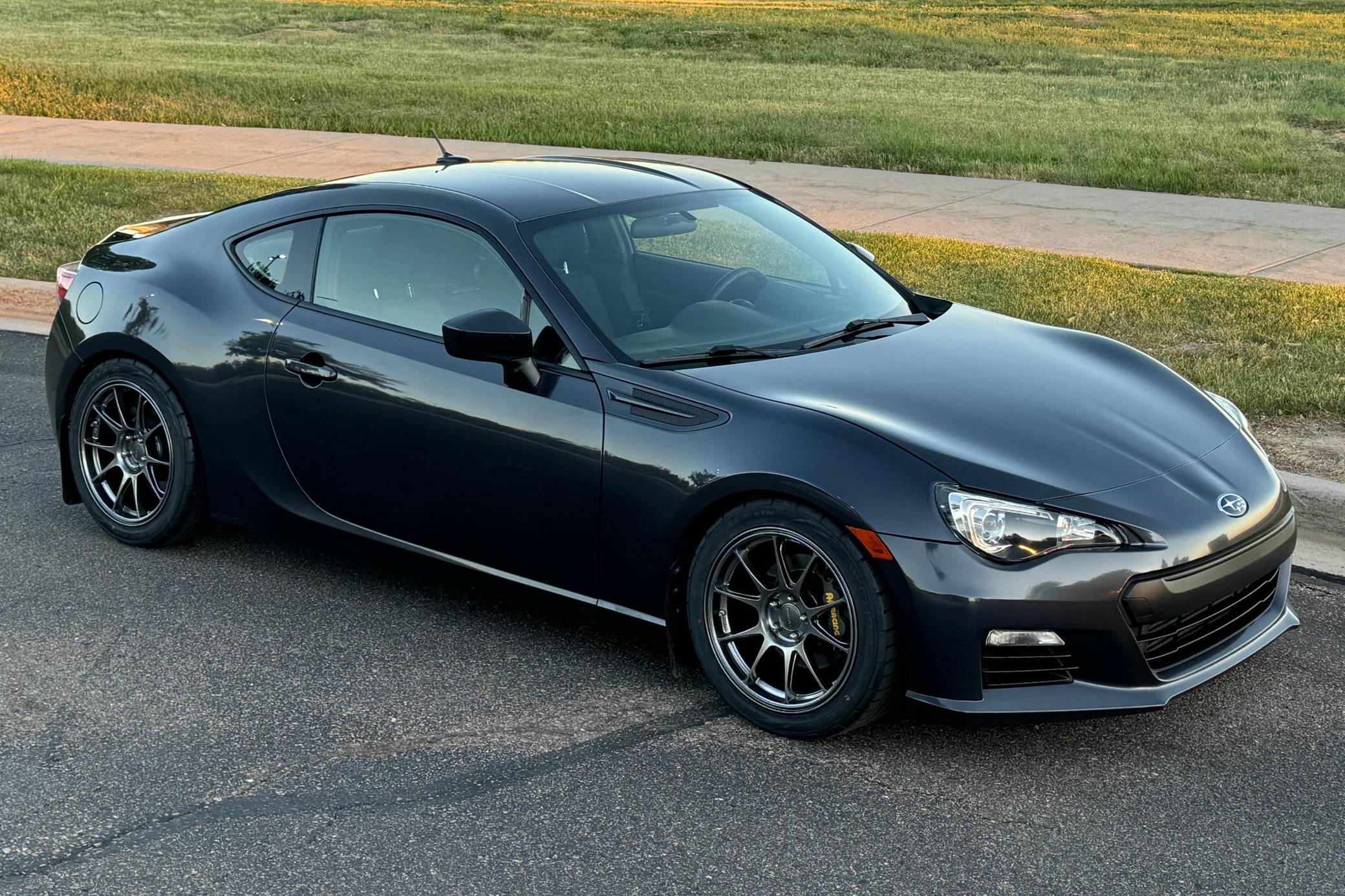
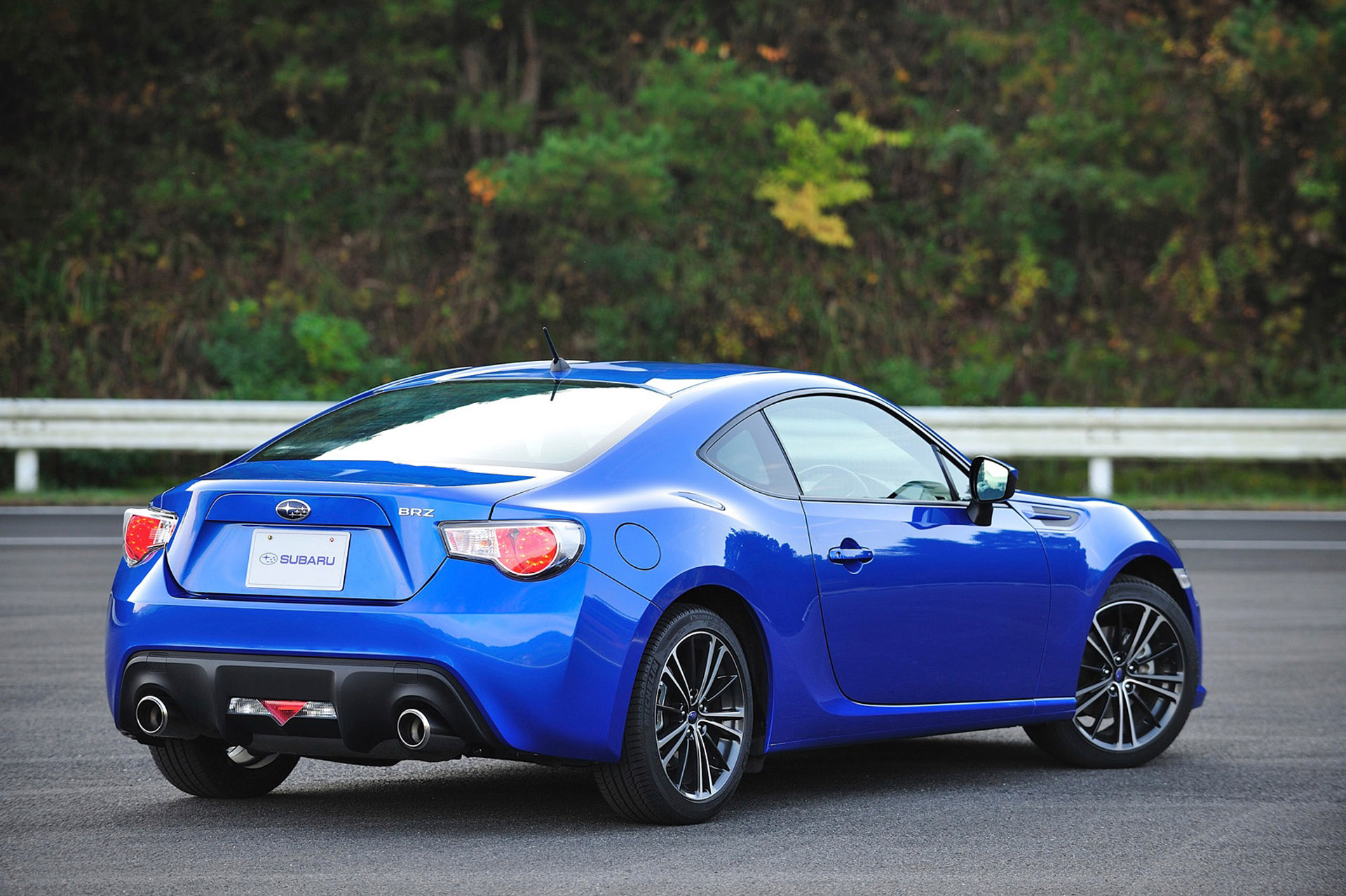
The 2013 Subaru BRZ produces 200 horsepower at 7,000 RPM and 151 lb-ft of torque at 6,400 RPM. This power is generated by a 2.0-liter naturally aspirated four-cylinder "Boxer" engine, specifically the FA20, which utilizes Toyota’s D-4S dual-injection system to balance efficiency with high-revving performance in a lightweight, rear-wheel-drive chassis.
The Engineering Behind the 2013 BRZ Horsepower
To understand the 2013 Subaru BRZ's horsepower, one must look at the unique collaboration between Subaru and Toyota. While Subaru provided the core engine architecture—the "flat" or "Boxer" layout—Toyota contributed its sophisticated D-4S (Direct-injection 4-stroke gasoline engine Superior version) fuel injection system. This system uses both port and direct injection to optimize the fuel-air mixture across different engine speeds and loads.
The result is the FA20 engine, a 2.0-liter power plant that achieved a specific output of 100 horsepower per liter. In the world of naturally aspirated engines, hitting the 100-hp-per-liter mark is a significant engineering milestone, typically reserved for high-end sports cars. For the 2013 BRZ, this meant 200 hp (crank) delivered at a relatively high 7,000 RPM, just shy of its 7,400 RPM redline.
Crank Horsepower vs. Wheel Horsepower
When discussing the 2013 BRZ's 200 horsepower, it is vital to distinguish between "crank" horsepower (measured at the engine) and "wheel" horsepower (measured at the tires on a dynamometer). Like all vehicles, the BRZ experiences drivetrain loss as power travels through the transmission, driveshaft, and differential.
On a standard chassis dynamometer, a stock 2013 BRZ typically records between 160 and 175 wheel horsepower (whp). The variance often depends on the type of dyno used (e.g., Mustang vs. Dynojet), the ambient temperature, and the fuel quality. For owners looking to quantify performance gains from modifications, the wheel horsepower figure is the more practical metric.
The Role of Torque and the "Torque Dip"
While the 200-horsepower headline caught the attention of enthusiasts in 2013, the torque figure of 151 lb-ft often sparked more debate. Because the engine is naturally aspirated and relatively small in displacement, it lacks the "low-end grunt" found in turbocharged rivals or larger V6 engines.
A defining characteristic of the 2013 BRZ’s power delivery is the infamous "torque dip." Between approximately 3,200 RPM and 4,800 RPM, the torque curve significantly drops before climbing again toward the peak.
Why the Torque Dip Exists
Engineering consensus suggests the torque dip was a byproduct of tuning for emissions and fuel economy standards of the time. The transition between port injection and direct injection, combined with the cam timing required to meet strict volumetric efficiency targets, resulted in this flat spot in the powerband. For drivers, this means the car feels most energetic either at low speeds in town or when being pushed hard toward the redline, with a noticeable lull in the middle of the rev range.
2013 Subaru BRZ Technical Specifications
The table below outlines the primary performance and engine specifications for the 2013 Subaru BRZ as it stood at launch and remains relevant for second-hand buyers in 2026.
| Feature | Specification |
|---|---|
| Engine Type | 2.0L 4-Cylinder Boxer (FA20) |
| Horsepower | 200 hp @ 7,000 RPM |
| Torque | 151 lb-ft @ 6,400 RPM |
| Compression Ratio | 12.5:1 |
| Bore x Stroke | 86.0 mm x 86.0 mm (Square) |
| Drivetrain | Rear-Wheel Drive (RWD) |
| Transmission | 6-Speed Manual / 6-Speed Automatic |
| Curb Weight | ~2,762 lbs (Manual) / ~2,822 lbs (Auto) |
| 0-60 MPH (Manual) | ~6.4 to 6.8 Seconds |
| Top Speed | ~143 MPH |
Weight-to-Power Ratio: The Real Performance Metric
Horsepower numbers do not exist in a vacuum. The 2013 BRZ was never intended to be a "stoplight dragster." Instead, its performance is defined by its power-to-weight ratio. Weighing in at roughly 2,762 pounds in its manual configuration, the BRZ is exceptionally light for a modern car.
With a ratio of approximately 13.8 pounds per horsepower, the 2013 BRZ prioritizes momentum and balance. The low center of gravity afforded by the Boxer engine—where the cylinders lie flat and low in the engine bay—allows the car to carry speed through corners that would unsettle heavier, more powerful vehicles. In 2026, as modern sports cars have generally become heavier and more reliant on electronic assists, the raw, analog feedback of the low-powered, lightweight BRZ remains a benchmark for purist driving dynamics.
Impact of Transmission Choice on Power Delivery
The 2013 BRZ was offered with two six-speed transmissions: a short-throw manual and a paddle-shifted automatic. While the engine's output remains 200 hp regardless of the gearbox, the felt performance differs significantly.
The 6-Speed Manual
The manual transmission is widely considered the "correct" pairing for the 2013 BRZ’s 200-hp engine. It allows the driver to keep the engine in the high-RPM powerband, effectively "driving around" the torque dip. The gearing is tight, favoring acceleration and engagement over highway cruising silence.
The 6-Speed Automatic
The automatic transmission, while featuring rev-matched downshifts, generally results in slightly slower acceleration times. The 0-60 mph sprint for an automatic 2013 BRZ usually falls in the 7.5 to 8.0-second range, compared to the mid-6-second range for the manual. Additionally, the automatic's gear ratios are longer, which can make the 151 lb-ft of torque feel even more modest during daily driving.
Common Modifications to Increase Horsepower
Because the 2013 BRZ was built as a "blank canvas" for enthusiasts, the aftermarket for increasing its 200-hp output is vast. As of 2026, the paths to more power are well-documented and reliable.
Bolt-On Performance (Stage 1 & 2)
The most common way to address the horsepower limitations and the torque dip is through "bolt-on" modifications:
- Headers: Replacing the factory exhaust manifold with an Unequal Length (UEL) or Equal Length (EL) header is the most effective way to eliminate the torque dip.
- EcuTek or OpenFlash Tuning: Re-mapping the Engine Control Unit (ECU) is required to take advantage of new headers. A typical "Stage 2" setup (header + tune) can bump wheel horsepower by 15-20 hp and significantly smoothen the torque curve.
- E85 Fuel: The FA20 engine responds exceptionally well to E85 ethanol fuel due to its high 12.5:1 compression ratio. Using a flex-fuel kit and a specific tune can add another 10-15 whp.
Forced Induction (Turbocharging and Supercharging)
For those who find 200 hp insufficient, forced induction is the primary solution. The 2013 BRZ’s stock internals are generally considered safe up to approximately 280 to 300 wheel horsepower. Beyond this point, the risk of "throwing a rod" or damaging the engine increases.
- Superchargers: Provide a linear power delivery that maintains the "natural" feel of the engine.
- Turbochargers: Offer higher peak power and more significant torque gains but introduce more heat and complexity into the engine bay.
Longevity and Maintenance of the 2013 FA20 Engine
Thirteen years after the 2013 BRZ's release, we have a clear picture of how these engines hold up. While the 200-hp output is modest, the engine is high-strung.
Valve Spring Recall
Early production models of the 2013 BRZ were subject to a major valve spring recall. If you are looking at a 2013 model in 2026, it is vital to verify if this service was performed. However, many owners noted that the actual recall process occasionally led to engine failures due to RTV (sealant) issues during reassembly.
Oil Management
The FA20 engine is sensitive to oil levels and temperatures, especially if driven on a track. High-G cornering can lead to oil starvation in the pan. Owners frequently install baffled oil pans and oil coolers to ensure the 200-hp engine remains reliable under stress. Regular oil changes with high-quality 0W-20 synthetic oil are mandatory to prevent premature wear on the cam phasers and bearings.
Comparing the 2013 BRZ to Modern Alternatives
In 2026, the 2013 BRZ occupies a specific niche in the used car market. When it was released, its main competitor was its twin, the Scion FR-S (later the Toyota 86). Both shared the same 200-hp engine, though the BRZ was marketed as the slightly more "premium" option with better interior appointments and a slightly stiffer front suspension setup.
2013 BRZ vs. Second Generation (2022+)
The most significant comparison is with the second-generation BRZ, which moved to a 2.4-liter engine (FA24) producing 228 horsepower and 184 lb-ft of torque. The second-gen car effectively "solved" the power complaints of the 2013 model by providing more displacement and removing the torque dip. However, the 2013 model remains popular for its lower entry price and its status as the "original" pure expression of the platform.
Summary of Horsepower Expectations
The 2013 Subaru BRZ is a car that requires the driver to work for its power. It does not provide effortless speed; rather, it rewards those who understand gear selection and momentum. If you are looking for a vehicle that pins you to the seat with torque, the 200-hp BRZ may feel underwhelming. However, if you value a car where you can use 100% of the available power on public roads without reaching illegal speeds instantly, the 2013 BRZ is a masterclass in balance.
Frequently Asked Questions
Can I make a 2013 BRZ fast without a turbo?
Yes, but "fast" is relative. By installing a high-quality header, running E85 fuel, and getting a professional tune, you can reach roughly 200–210 wheel horsepower. This makes the car much more responsive and eliminates the mid-range torque dip, making it feel significantly faster in daily driving without the complexity of forced induction.
Is 200 hp enough for the 2013 BRZ?
For many enthusiasts, 200 hp is sufficient because the car only weighs 2,762 lbs. The low power allows you to explore the limits of the chassis and the tires (originally the same low-grip tires found on the Toyota Prius) at relatively safe speeds. However, those used to modern turbocharged engines may find the lack of low-end torque frustrating.
Why is the 0-60 time so slow for a sports car?
The 0-60 mph time of ~6.4 to 6.8 seconds is primarily due to the lack of torque and the gearing. Because the peak power is so high in the rev range, a "soft" launch or shifting too early will result in slower times. Additionally, the car was designed for cornering agility rather than straight-line acceleration.
What is the most common engine problem for the 2013 BRZ?
The most publicized issue for the 2013 model year was the valve spring recall. Aside from that, early FA20 engines can suffer from "crickets" (a chirping sound from the high-pressure fuel pump) which is generally harmless but annoying, and occasional oil leaks from the "cam plate" at the back of the engine.
Does the automatic 2013 BRZ have less horsepower?
No, the engine output is the same 200 hp. However, the automatic transmission has different gear ratios and more parasitic power loss, which makes the car feel slower and less "punchy" than the manual version.
Next Steps for Owners and Buyers
If you are considering a 2013 Subaru BRZ in 2026, your first step should be to check the VIN for any outstanding recalls and service history regarding the valve springs. To experience the best of what this 200-hp engine offers, ensure the car is fitted with high-quality tires, as the original "Eco" tires do not provide enough grip to utilize the chassis's full potential. For those looking to improve performance, start with an ECU tune and a header before considering more expensive modifications like turbochargers.