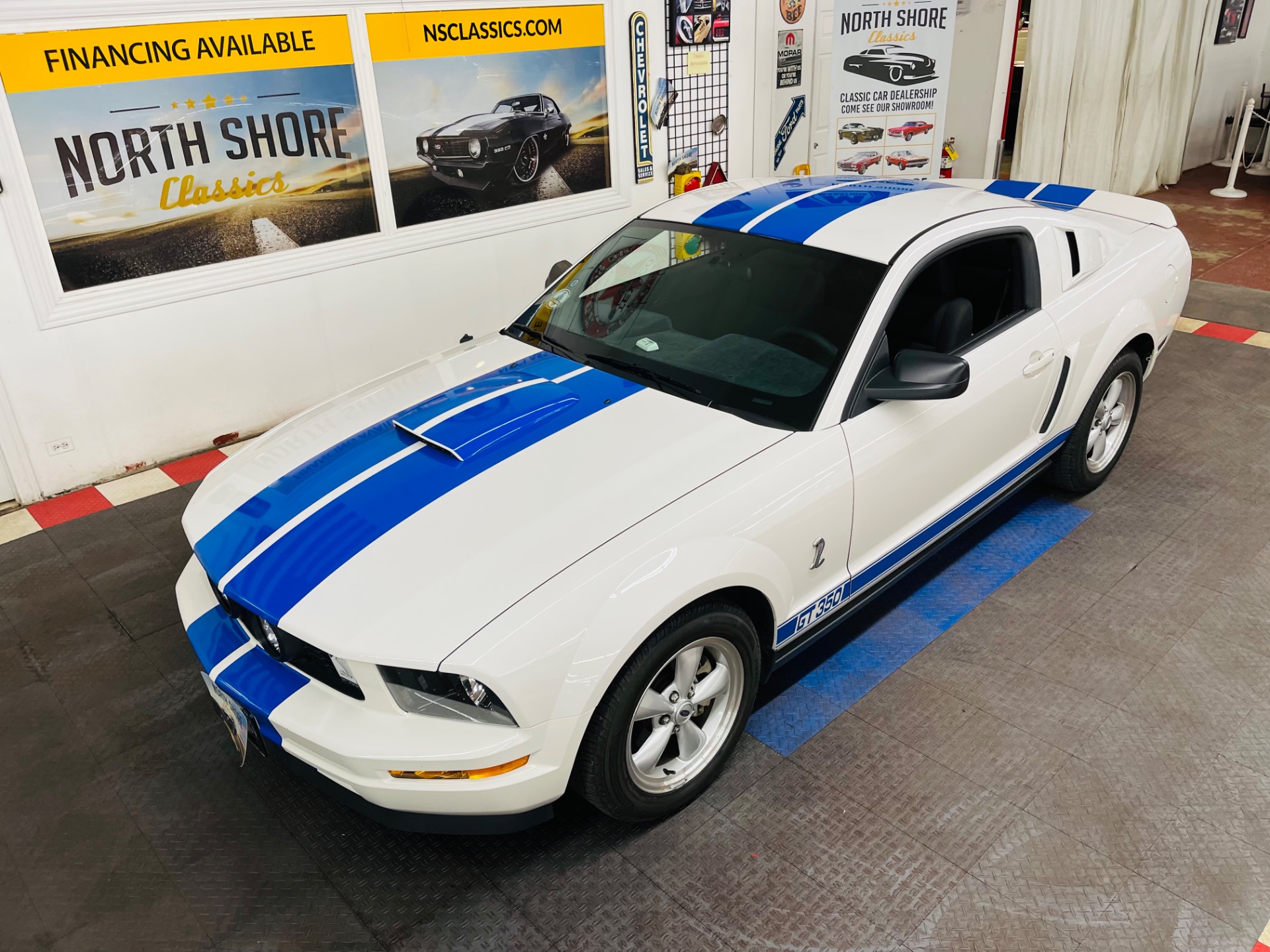
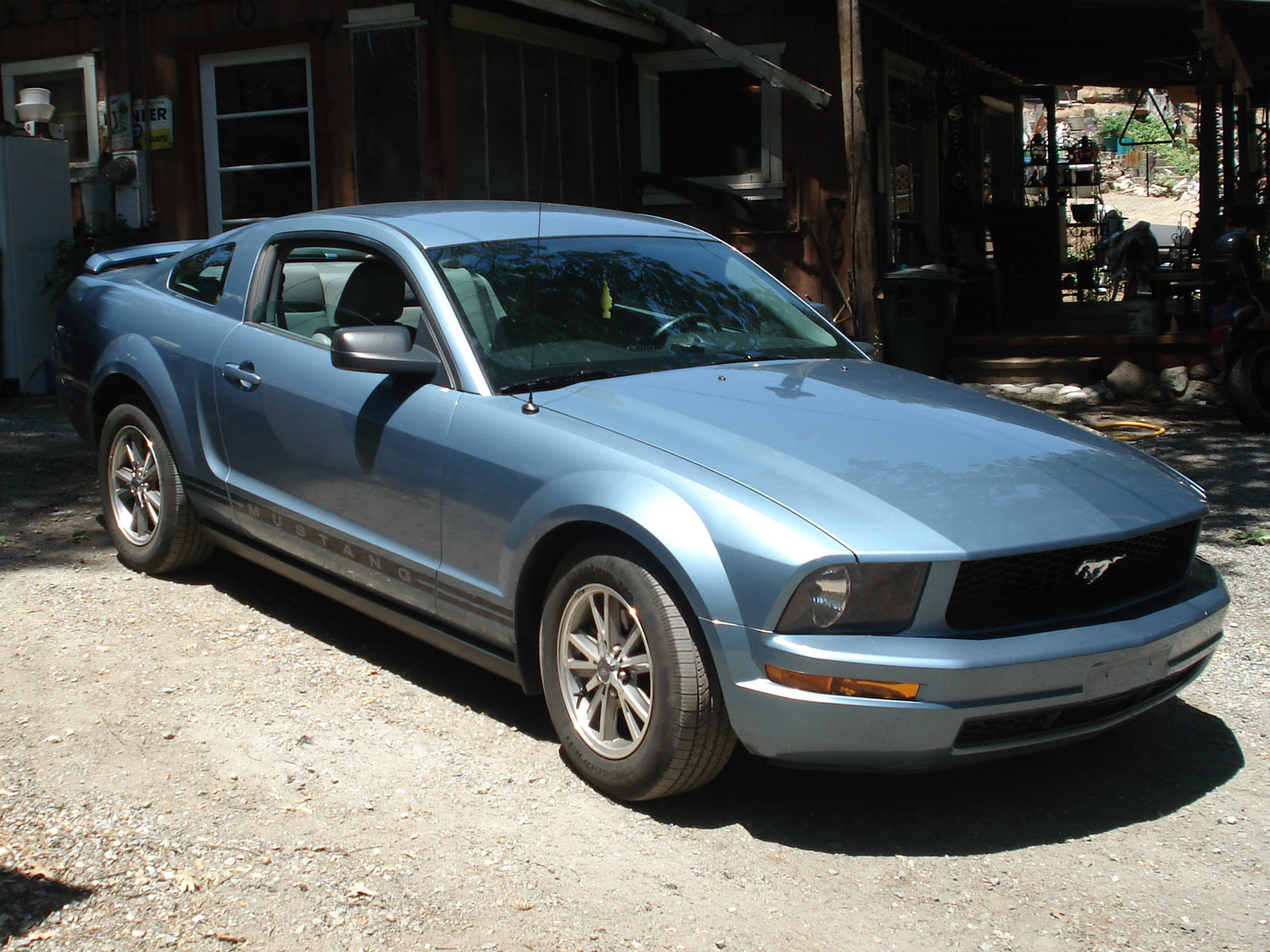
The 2005 Ford Mustang V6 Deluxe represents a watershed moment in automotive history, introducing the first complete clean-sheet redesign of the iconic pony car in 25 years. Combining retro-futuristic styling reminiscent of the classic 1960s fastbacks with modern engineering, the entry-level V6 Deluxe trim delivered accessible rear-wheel-drive performance, everyday drivability, and a platform that catalyzed a massive aftermarket tuning culture.
Introduction and Historical Context
When Ford introduced the fifth-generation Mustang for the 2005 model year, the automotive landscape was starved for affordable, rear-wheel-drive American muscle. Built on the brand-new S-197 platform, the 2005 Mustang moved away from the aging Fox-derived SN95 architecture that had underpinned the car since 1994. The design team, led by J Mays and Sid Ramnarace, drew heavy inspiration from the 1967–1968 Fastbacks, incorporating aggressive shark-bite front fascias, C-scoops stamped into the side body panels, and signature three-element taillights.
Within this lineup, the V6 Deluxe served as the volume-selling entry point. It was designed to capture the hearts of commuters, rental fleets, and enthusiasts on a budget who wanted the muscular aesthetic of a V8 car without the higher insurance premiums, purchase prices, and fuel consumption. Understanding the 2005 Mustang V6 Deluxe requires examining its powertrain architecture, interior packaging, suspension engineering, and long-term ownership considerations.
Powertrain and Mechanical Specifications
At the heart of the 2005 Mustang V6 Deluxe is a 4.0-liter "SOHC" (Single Overhead Cam) Cologne V6 engine. This powerplant replaced the older 3.8-liter Essex V6 used in previous generations, bringing improved refinement, better low-end torque, and a more durable cast-iron block with aluminum heads.
Engine Performance and Output
- Displacement: 4.0 liters (245 cubic inches)
- Horsepower: 210 hp at 5,300 RPM
- Torque: 240 lb-ft at 3,500 RPM
- Valvetrain: SOHC, 2 valves per cylinder
- Fuel Induction: Sequential multi-port electronic fuel injection
While 210 horsepower may appear modest by modern standards, it represented a significant 17-horsepower bump over the outgoing 2004 V6 model. The generous 240 lb-ft of torque peak arriving at a relatively low 3,500 RPM gave the car respectable off-the-line responsiveness, making it feel quicker in city driving than its peak horsepower figure might suggest.
Transmission Options
Buyers of the V6 Deluxe could choose between two transmissions:
- Tremec T-5 5-speed Manual: A traditional, driver-engaged gearbox featuring direct mechanical linkage. It offered a sporty feel, though some drivers noted long throws and a rubbery shift action compared to modern short-throw setups.
- Ford 5R55S 5-speed Automatic: An electronically controlled automatic transmission that provided smooth highway cruising and seamless gear changes, making it the preferred choice for daily commuters.
Exterior Styling and Aerodynamics
The S-197 exterior styling was universally praised upon release for successfully bridging the gap between nostalgic heritage and contemporary aggressive design. The Deluxe trim level balanced this aesthetic with clean, uncluttered lines and functional proportions.
Dimensions and Weight
- Wheelbase: 107.1 inches
- Overall Length: 187.6 inches
- Width: 73.9 inches
- Height: 54.5 inches
- Curb Weight: Approximately 3,350 lbs (Manual) / 3,400 lbs (Automatic)
Deluxe Exterior Features
The V6 Deluxe rolled off the assembly line with standard 16-inch painted cast-aluminum wheels wrapped in 215/65R16 all-season tires. Unlike the Premium trim, which featured standard fog lamps integrated into the grille, the Deluxe grille remained clean and unadorned, though the housings were present for aftermarket upgrades. Standard equipment also included power mirrors, dual stainless-steel exhaust tips, and variable intermittent wipers.
Interior Packaging, Comfort, and Technology
Stepping inside the 2005 Mustang V6 Deluxe reveals a cockpit heavily inspired by the 1965–1968 models, featuring a dual-cowl dashboard, round air vents, and deeply recessed instrument gauges.
| Feature Category | V6 Deluxe Specification |
|---|---|
| Seating Material | Premium cloth bucket seats with manual adjustability |
| Dashboard Design | Satin aluminum applique panels with retro gauge cluster |
| Audio System | AM/FM stereo with single-disc CD player and 4 speakers |
| Climate Control | Manual rotary air conditioning and heating controls |
| Steering Wheel | Tilt-adjustable, non-wrapped urethane wheel |
| Windows & Locks | Power windows with one-touch down driver feature, power door locks |
The rear seats featured a 50/50 split-fold design, expanding the cargo utility of the 13.1-cubic-foot trunk. While rear legroom was constrained—typical of 2+2 pony cars—the front cabin offered ample headroom and legroom for taller drivers.
Chassis, Suspension, and Handling
One of the most significant mechanical talking points of the 2005 redesign was the retention of a live-axle rear suspension. While automotive critics debated Ford's decision not to adopt an independent rear suspension (IRS) like its cross-town rival, the Dodge Challenger or contemporary sports cars, the engineering team heavily optimized the three-link solid rear axle with a panhard rod.
Suspension Layout
- Front Suspension: MacPherson strut setup with reverse-L lower control arms and a stabilizer bar.
- Rear Suspension: Three-link live axle with a panhard bar, coil springs, and gas-pressurized shock absorbers.
This configuration provided exceptional lateral stability and reduced axle hop during aggressive cornering compared to older Fox-body platforms. The ride quality on the Deluxe trim was tuned for comfort, absorbing road imperfections gracefully while maintaining predictable, neutral handling dynamics during daily driving. Braking was handled by vented front disc brakes with twin-piston calipers and solid rear discs, offering confident stopping power for a car of its era.
Fuel Economy and Real-World Efficiency
For drivers utilizing the 2005 Mustang V6 Deluxe as a daily driver, fuel economy was a major selling point compared to its V8 GT sibling.
- EPA Fuel Economy (Manual): 17 MPG city / 25 MPG highway
- EPA Fuel Economy (Automatic): 18 MPG city / 24 MPG highway
- Fuel Tank Capacity: 16.0 gallons
- Recommended Fuel: Regular unleaded (87 octane)
These figures made the V6 Deluxe an economical commuter option, capable of achieving over 350 highway miles on a single tank of regular fuel.
Pros and Cons of the 2005 Mustang V6 Deluxe
Advantages
- Striking Retro Design: Timeless S-197 exterior styling that continues to age gracefully.
- Affordability: Lower initial purchase price, cheaper insurance rates, and accessible maintenance compared to GT models.
- Aftermarket Support: Massive availability of performance parts, cosmetic upgrades, and replacement components.
- Reliable Cologne V6: The 4.0L engine is known for mechanical durability when properly maintained.
Limitations
- Interior Materials: Extensive use of hard plastics on the dashboard and center console.
- Base Audio and Tech: Sparse baseline electronics by modern standards, lacking auxiliary inputs or Bluetooth connectivity from the factory.
- Modest Straight-Line Performance: With a 0–60 MPH time of approximately 7.3 to 7.6 seconds, it prioritizes cruising over high-speed acceleration.
Common Maintenance and Reliability Considerations
Purchasing or maintaining a 2005 Mustang V6 Deluxe requires awareness of a few known mechanical tendencies documented over two decades of real-world operation:
- Timing Chain Guides: The 4.0L V6 utilizes a complex timing chain setup with plastic guides that can wear out over high mileage (typically past 150,000 miles), resulting in rattling noises and requiring extensive service.
- Thermostat Housing Leaks: The factory composite thermostat housing is prone to cracking and coolant leaks; aftermarket aluminum replacements are widely recommended as permanent fixes.
- Interior Water Leaks: Some models experience water intrusion into the footwells due to clogged cowl drains or weatherstripping degradation.
Frequently Asked Questions
Is the 2005 Mustang V6 Deluxe a good first car?
Yes, the 2005 Mustang V6 Deluxe is frequently recommended as an affordable first car. Its rear-wheel-drive dynamics teach fundamental vehicle control, its styling remains appealing, and replacement parts are inexpensive and widely available. However, drivers should exercise caution in wet or snowy conditions due to the lightweight rear end.
How does the V6 Deluxe differ from the V6 Premium?
The primary differences lie in comfort and interior appointments. The Premium trim added a Shaker 500 audio system with an in-dash 6-disc CD changer, leather-trimmed bucket seats, a power driver's seat, standard fog lamps, and larger 17-inch alloy wheels. The Deluxe trim provided a simpler, more utilitarian interior package at a lower price point.
What kind of fuel does the 2005 Mustang V6 require?
The 4.0-liter V6 engine is engineered to run efficiently on standard regular unleaded gasoline with an octane rating of 87. Premium fuel is unnecessary unless the vehicle has been modified with custom engine tuning.
Can the V6 engine be easily modified for more power?
While the 4.0L V6 responds well to basic bolt-on modifications—such as cold-air intakes, dual-exhaust conversions, and performance tuners—gaining significant horsepower is more expensive and complex compared to simply purchasing a V8 GT model. Most owners focus on suspension upgrades, wheels, and aesthetic enhancements.
Conclusion and Final Recommendation
The 2005 Ford Mustang V6 Deluxe successfully democratized the pony car experience, offering striking heritage-inspired design and dependable daily-driving dynamics without the financial overhead of a V8 engine. While its interior materials show their era and its straight-line speed is modest, it remains a robust, stylish, and highly customizable platform for budget-conscious automotive enthusiasts and daily commuters alike.