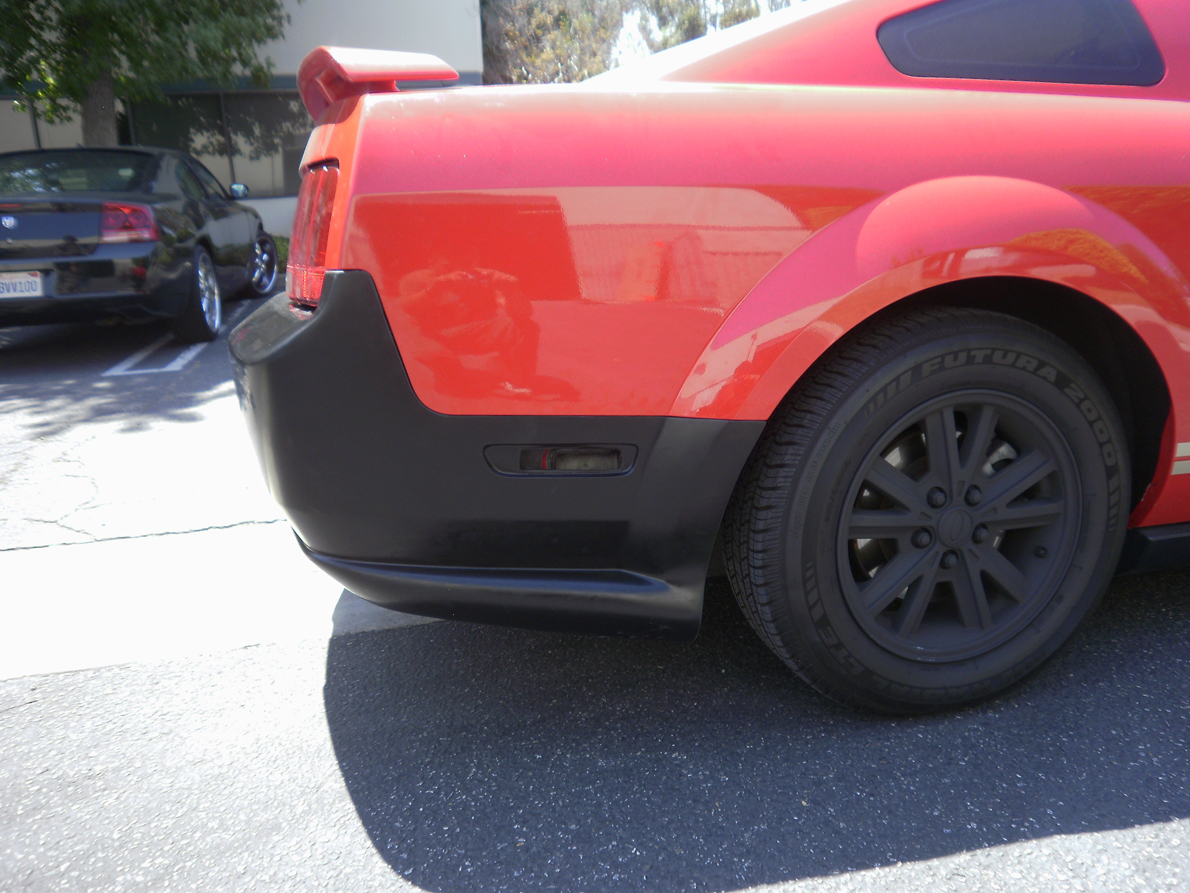
The 2005 Ford Mustang body style marked a radical departure from its predecessor by introducing a retro-futuristic "retro-design" movement that drew heavy inspiration from the iconic late-1960s fastbacks. Built on the brand-new S-197 platform, this generation combined vintage styling cues like sharp body lines, a long hood, a short deck, and circular headlamps with modern engineering, establishing a design language that defined modern American muscle cars for over a decade.
Introduction to the S-197 Era and Retro Design Philosophy
The automotive landscape in the early 2000s was shifting toward sleek, aerodynamic, and often rounded shapes. However, Ford made a bold gamble for the fifth-generation Mustang, designated internally as the S-197. Rather than chasing futuristic aerodynamics, chief designer Sid Ramnarace and exterior designer Doug Gaffka looked backward to move forward. They channeled the aggressive, confident stance of the 1967–1968 Fastback models.
This stylistic pivot proved to be a masterstroke. The 2005 Mustang body style captured the imagination of both older enthusiasts nostalgic for the original pony car era and younger buyers drawn to its muscular, uncompromised geometry. By anchoring the design in heritage, Ford created a visual identity that transcended fleeting trends. The car looked fast even when standing still, thanks to a pronounced forward-leaning grille, sharp character lines along the flanks, and a high beltline that gave it a hunkered-down, aggressive posture.
Exterior Design Cues and Dimensional Architecture
At the heart of the 2005 Mustang body style is its distinctive proportioning. The vehicle utilized a rear-wheel-drive architecture with a stretched wheelbase compared to the aging New Edge SN95 platform it replaced. This increase in wheelbase—stretching to 107.1 inches—not only improved cabin space and ride stability but also allowed designers to push the wheels out toward the corners, eliminating the awkward overhangs common in previous generations.
Several hallmark exterior features defined the 2005 model:
- The Shark-Bite Grille: A deep-set, rectangular grille opening featuring a floating galloping horse emblem, flanked by prominent round headlamps recessed into the front fascia.
- C-Scoops on the Flanks: Functional or aesthetic side scoops stamped into the sheet metal ahead of the rear wheels, paying direct homage to the 1965–1968 Shelby and fastback models.
- Tri-Bar Taillights: Distinctive three-segment vertical taillights set into a flat, vertical rear fascia, echoing the classic look of vintage Mustangs.
- Fastback Roofline: For the coupe, a sweeping roofline that flowed dramatically into a short rear deck lid, creating a classic two-door notchback or fastback silhouette depending on the glass treatment.
Structural Rigidity and Platform Engineering
Beneath the striking sheet metal lay the S-197 platform, a structure engineered specifically for this generation of the Mustang. Ford's engineering team prioritized torsional rigidity to eliminate the chassis flex that had plagued earlier unibody pony cars, particularly convertible variants.
The use of high-strength steel in key structural load paths increased torsional stiffness by a remarkable margin compared to the 2004 model. This rigid foundation allowed the suspension geometry to work more effectively, yielding a planted feel on the highway and predictable handling during spirited cornering. Furthermore, the increased structural integrity improved crash safety ratings, allowing the 2005 Mustang to perform well in rigorous frontal and side-impact safety evaluations of that era.
Comparing Coupe and Convertible Body Styles
The 2005 Mustang was offered in two primary body styles at launch: the hardtop Coupe and the soft-top Convertible. While both shared the same foundational S-197 architecture and front-end styling, each offered distinct engineering characteristics, weight distributions, and visual weights.
| Body Style | Curb Weight (Approx.) | Torsional Rigidity Factor | Distinct Structural Features | Target Driving Experience |
|---|---|---|---|---|
| Coupe | ~3,450 lbs (V6) to ~3,550 lbs (GT) | Highest baseline | Fixed steel roof, structural B-pillars, folding rear seat | Closed-cabin rigidity, track/sport orientation, classic fastback silhouette |
| Convertible | ~3,575 lbs (V6) to ~3,670 lbs (GT) | Moderate (reinforced) | Hydroformed underbody reinforcements, A-pillar strengthening, power soft top | Open-air cruising, scenic driving, relaxed weekend touring |
The Coupe Experience
The Coupe remains the quintessential representation of the S-197 design language. The fixed steel roof allowed designers to create a seamless sweep from the windshield header to the rear deck. Structurally, the coupe benefited from a closed-box perimeter that naturally resisted twisting forces. For enthusiasts looking to modify their vehicles for track days or autocross events, the coupe's stiffer baseline structure provided an ideal starting point for suspension upgrades, roll bars, and chassis bracing.
The Convertible Engineering
Converting the S-197 into an open-top vehicle required substantial engineering adjustments. Without a fixed roof to tie the front and rear bulkheads together, convertibles inherently suffer from cowl shake and chassis flex. To counteract this, Ford engineers heavily reinforced the underbody of the 2005 Mustang Convertible.
Thicker gauge steel was used in the rocker panels, and cross-bracing was integrated beneath the floorpan to maintain structural integrity. While these additions added roughly 100 to 150 pounds of dead weight compared to their coupe equivalents, the power-operated cloth top folded flush beneath a hard boot cover, preserving the clean, uncluttered beltline when stowed.
Trim-Specific Exterior Variations: V6 vs. GT
While the core body shell remained identical across the lineup, Ford introduced subtle yet significant exterior differentiators between the base V6 models and the performance-oriented GT variants. These visual cues allowed onlookers to immediately distinguish between an economy commuter pony car and a V8-powered muscle car.
2005 Mustang V6 Exterior Profile
- Front Fascia: A cleaner, simpler lower valance without integrated fog lamps.
- Wheels: Standard 16-inch alloy wheels with higher-profile tires designed for comfort and fuel efficiency.
- Exhaust: A single-exhaust exit tucked discreetly beneath the rear bumper.
- Badging: Standard galloping horse fender badges and a simpler rear decklid emblem.
2005 Mustang GT Exterior Profile
- Front Fascia: Aggressive lower front air dam housing large, round halogen fog lamps that mimicked vintage rally lights.
- Hood: A subtle power dome stamped into the hood sheet metal to clear the taller 4.6-liter 3-valve V8 engine.
- Wheels: Standard 17-inch painted cast-aluminum wheels wrapped in wider performance tires.
- Exhaust: Dual exhaust tips protruding through cutouts in the rear bumper valance, providing an unmistakable V8 acoustic signature.
- Rear Spoiler: A factory-installed pedestal rear spoiler that balanced the high-deck rear styling and added minor high-speed aerodynamic downforce.
Interior Integration with the Exterior Design
An overview of the 2005 Mustang body style would be incomplete without addressing how the exterior ethos bled into the cabin. The interior design team utilized a dual-cowl dashboard layout that mirrored classic 1960s Mustangs.
Deeply hooded round instrument gauges with white or aluminum-face accents sat directly in front of the driver, while the center stack featured large, tactile climate control knobs and an optional MyColor illumination system. This system allowed drivers to customize the gauge cluster backlighting with up to 125 different color combinations, blending retro analog instrumentation with modern customizable flair. The flat-bottom steering wheel hub and chunky door panels reinforced the muscular, industrial aesthetic established by the exterior sheet metal.
Common Exterior Wear Points and Maintenance Considerations
Years of exposure to road debris, ultraviolet radiation, and weather elements mean that surviving examples of the 2005 Mustang body style require careful inspection. When evaluating or maintaining an S-197 exterior, several specific areas demand attention:
- Aluminum Hood Corrosion: The aluminum hood panels on many 2005–2009 Mustangs are prone to galvanic corrosion along the front lip and inner seams, where moisture gets trapped beneath the factory hem flange.
- Convertible Top Mechanisms: The hydraulic motors and fabric top assemblies on convertibles can suffer from hydraulic fluid leaks or fabric tearing along the bows if left exposed to harsh winters without proper conditioning.
- Headlamp Oxidation: The large polycarbonate headlamp lenses are susceptible to UV degradation, turning yellow and hazy over time, which diminishes both night visibility and the car's aggressive front-end aesthetic.
- Door Glass Indexing: The S-197 utilizes frameless door glass that automatically drops a fraction of an inch when the door handle is pulled to clear the weatherstripping. Window motor switches and regulator alignment issues can occasionally disrupt this indexing mechanism.
Frequently Asked Questions
What platform is the 2005 Mustang built on?
The 2005 Mustang is built on the Ford S-197 platform, a rear-wheel-drive architecture developed specifically for this fifth-generation model. It featured a completely redesigned unibody structure that prioritized torsional rigidity and allowed for retro-inspired proportions with a longer wheelbase.
How can you visually tell a 2005 Mustang V6 from a GT?
The easiest way to distinguish a V6 from a GT on the exterior is by looking at the front grille and lower bumper. The GT features large, round fog lamps integrated into the lower front fascia, a power-dome hood, dual exhaust tips exiting the rear, and standard 17-inch alloy wheels, whereas the V6 lacks front fog lamps and utilizes a single exhaust pipe.
Did the 2005 Mustang coupe and convertible share the same body panels?
Most upper body panels, fenders, doors, and front fascias were shared between the coupe and convertible. However, the convertible required unique underbody structural reinforcements, reinforced A-pillars, and a modified rear decklid area to accommodate the folding soft top and its storage well.
Is the 2005 Mustang considered a classic car?
While opinion varies among purists, the 2005 Mustang is widely recognized as a modern classic or "neo-classic." It initiated the successful retro-design trend that swept the American automotive industry in the 2000s, making it historically significant as the car that revitalized the modern pony car war.
What are common exterior problem areas to check on a used 2005 Mustang?
Buyers and owners should inspect the leading edge of the aluminum hood for bubbling paint or corrosion, check the headlamp lenses for UV-induced yellowing, ensure the frameless door glass drops properly upon opening, and inspect the condition of the weatherstripping around the doors and convertible top.
Practical Next Actions and Restoration Guidance
If you are currently evaluating, purchasing, or restoring a 2005 Mustang, start by performing a thorough visual inspection of the lower rocker panels, frame rails, and hood seams for any signs of corrosion or structural modification. For cosmetic preservation, apply a quality UV-blocking ceramic coating or sealant to the polycarbonate headlamps and exterior paint to protect against sun damage. When sourcing replacement body panels or trim pieces, verify that parts match the specific sub-model (V6 or GT), as front fascias and exhaust valances differ significantly between powertrain configurations.