Matching just two numbers on a Powerball ticket wins a prize only if one of those numbers is the Powerball and the other is a white ball; matching any two white balls without the Powerball results in a non-winning ticket, as the standard minimum requirement for a cash payout is matching either just the Powerball alone or three white balls.
Navigating lottery rules, prize tiers, and ticket verification can quickly become confusing, especially for players who check their numbers and discover a partial match. When a player purchases a standard multi-state lottery ticket, they select five numbers from a pool of white balls and one number from a separate pool for the red Powerball. Finding out whether a partial match yields any financial return requires a careful examination of the official Multi-State Lottery Association (MUSL) prize structure. Understanding these precise mechanics helps prevent players from accidentally throwing away winning slips or misunderstanding the true value of their wagers.
Anatomy of a Powerball Play and Prize Structure
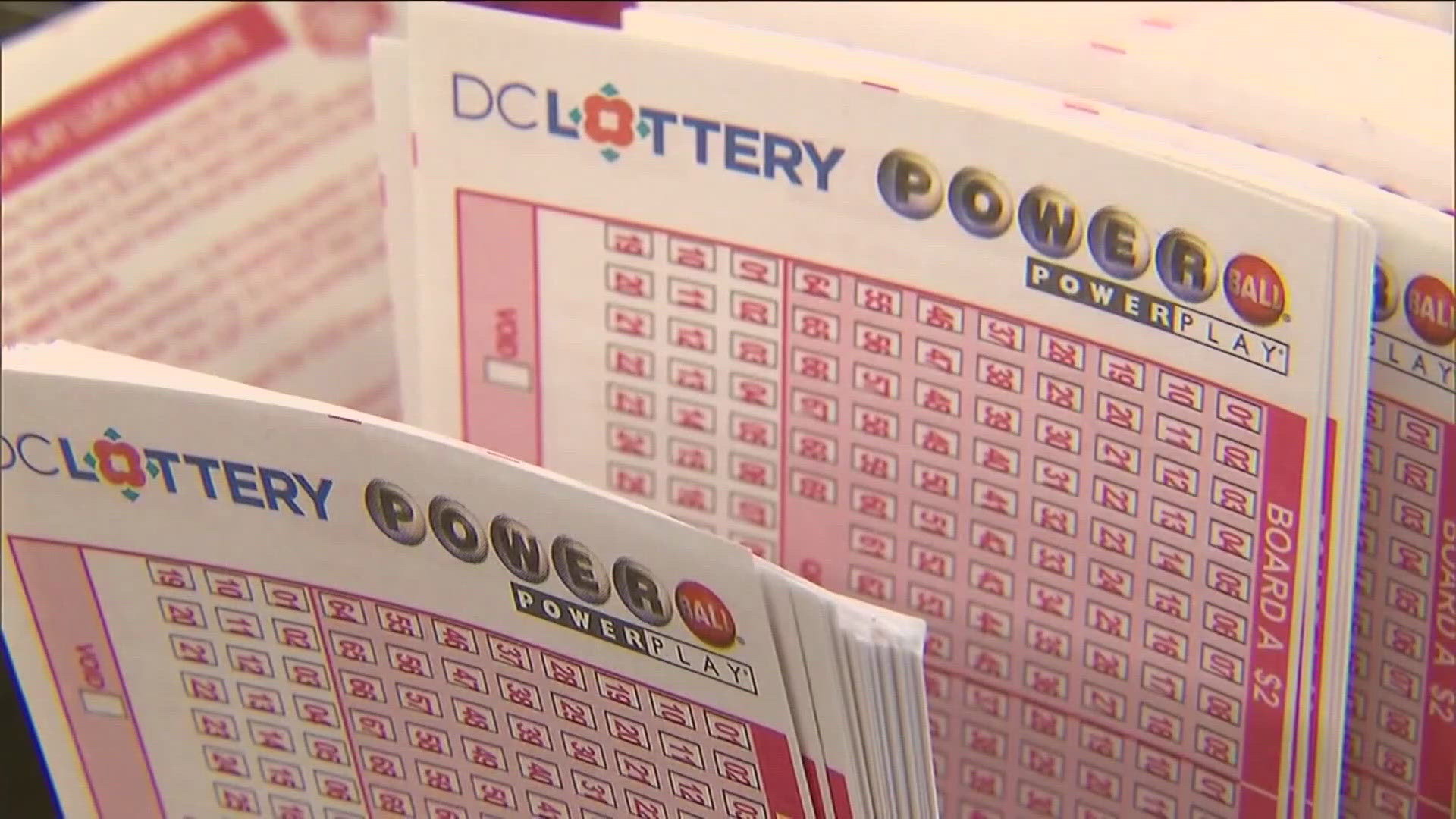
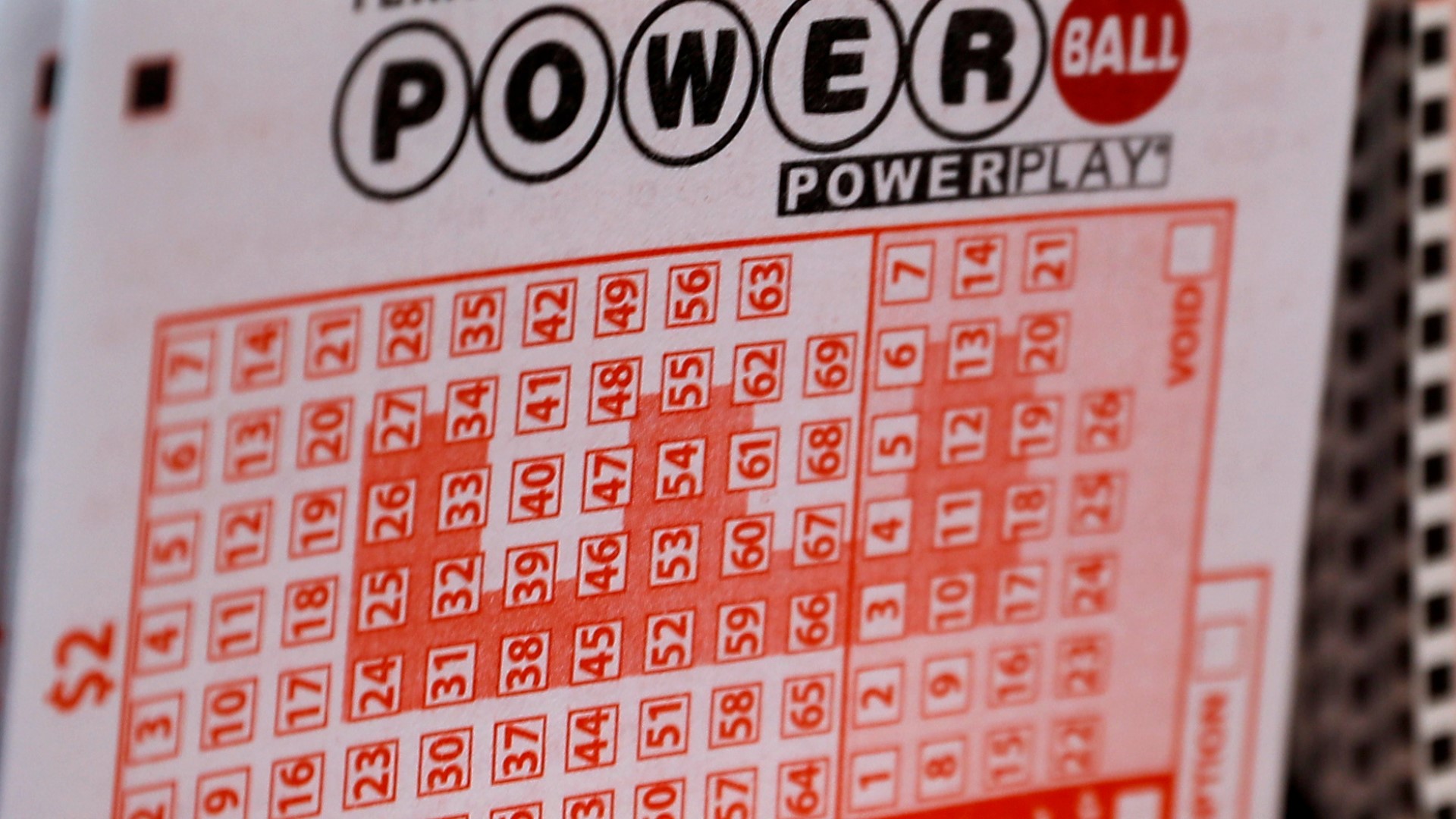
To understand what happens when a ticket lands on a specific combination, it is essential to examine how a standard Powerball selection works. Each standard play costs $2.00, during which a player selects five distinct numbers from 1 to 69 (the white balls) and one number from 1 to 26 (the red Powerball). Drawings take place three times a week—on Mondays, Wednesdays, and Saturdays—broadcast live from the Florida Lottery draw studio in Tallahassee.
The game features nine distinct prize tiers ranging from a modest baseline payout up to the multi-million-dollar jackpot. Every tier has strict cryptographic and mechanical drawing criteria. The payout table is uniform across almost all participating U.S. jurisdictions, though local state laws govern claim periods, tax withholding rates, and ticket validation procedures.
To clarify how various combinations translate to rewards, the official prize tier breakdown illustrates the exact matching criteria required for every winning combination:
| Matching White Balls | Matching Powerball | Prize Amount | Approximate Odds |
|---|---|---|---|
| 5 White Balls | Powerball | Grand Prize (Jackpot) | 1 in 292,201,338 |
| 5 White Balls | No Powerball | $1,000,000 | 1 in 11,688,053 |
| 4 White Balls | Powerball | $50,000 | 1 in 913,129 |
| 4 White Balls | No Powerball | $100 | 1 in 36,525 |
| 3 White Balls | Powerball | $100 | 1 in 14,494 |
| 3 White Balls | No Powerball | $7 | 1 in 579 |
| 2 White Balls | Powerball | $7 | 1 in 701 |
| 1 White Ball | Powerball | $4 | 1 in 92 |
| 0 White Balls | Powerball | $4 | 1 in 38 |
Decoding the "2 Number" Match Scenario
When people inquire about a "2 number powerball ticket," they usually mean one of two distinct scenarios. Analyzing both situations clarifies why one results in a payout while the other does not.
Scenario A: Two White Balls and Zero Powerballs
If a player matches two white numbers drawn from the main pool—for example, holding a ticket with numbers 12 and 34 while the draw selects 12, 22, 34, 45, 55—they have matched two white balls. According to official rules, matching two white balls without the red Powerball yields no prize. The threshold for winning cash strictly requires matching at least three white balls, or matching the Powerball itself. Many casual players incorrectly assume that matching any two numbers on the ticket guarantees a small return, but the combinatorial mathematics of the game exclude this tier.
Scenario B: One White Ball and the Powerball
If a player matches one white ball and the red Powerball, they have also matched two total numbers on their ticket. In this configuration, the ticket wins $4. This specific tier catches many players by surprise. Because the red Powerball is drawn from a separate pool and carries a higher individual probability of being matched, hitting just the Powerball combined with a single matching white ball triggers the lowest tier prize that yields a cash return greater than or equal to the cost of a single play.
The Role of the Power Play Option
For an additional $1.00 per play, players can select the "Power Play" feature at the time of purchase. This multiplier option can significantly alter the value of non-jackpot prizes.
When a drawing occurs, a separate Power Play multiplier—drawn from a pool containing 2x, 3x, 4x, 5x, and occasionally 10x (when the jackpot is under $150 million)—is selected. If a player holds a ticket that wins a fixed prize tier, such as the $4 prize for matching the Powerball plus one white ball, or the $7 prize for matching two white balls plus the Powerball, that payout is multiplied by the drawn Power Play number.
However, the Power Play feature does not create new winning tiers. A ticket with two matching white balls and no Powerball remains a non-winning ticket, even if the player purchased the Power Play option. The multiplier only applies to combinations that already qualify for a base cash prize under the official MUSL rules.
Common Misconceptions and Verification Pitfalls
Mistakes regarding ticket validation are common among retail lottery participants. Misinterpreting what constitutes a winning combination leads to several recurring issues.
- Assuming All Numbers Are Equal: Because white balls and the Powerball are drawn from two completely separate physical machines (or certified random number generators in digital jurisdictions), treating them as interchangeable numbers on a single sequence leads to confusion.
- Throwing Away Unchecked Tickets: Because minor wins like matching just the Powerball ($4) or matching two white balls plus the Powerball ($7) are easy to overlook, players sometimes discard tickets without scanning them. Utilizing official state lottery mobile applications or in-store ticket checkers prevents accidental disposal of valid claims.
- Ignoring Expiration Dates: Winning tickets do not remain valid indefinitely. Depending on the state where the ticket was purchased, statutory claim periods typically range from 90 days to one year from the date of the drawing. Unclaimed prize funds generally revert to state educational funds or go toward future jackpot pools according to local legislation.
Practical Steps for Checking Your Powerball Ticket
If you find yourself holding a ticket and want to verify its exact status without relying entirely on manual visual inspection, follow a secure verification workflow:
- Compare Visually First: Look at the official winning numbers published on the official Powerball website or reputable news outlets. Check your ticket's white numbers against the five drawn white numbers, and your red Powerball against the single drawn red number.
- Use Official Scanner Tools: Download the official mobile application for the state lottery where you purchased the ticket. Use the built-in barcode scanner or QR code reader to scan the physical ticket securely. The digital system reads the ticket's unique serial number and instantly cross-references it with central database records.
- Visit an Authorized Retailer: Take the physical ticket to any licensed lottery retailer (such as a convenience store or grocery store) and ask the clerk to run it through the terminal scanner. Terminal displays will explicitly state whether the ticket is a winner, the exact dollar amount, or if it is a non-winning ticket.
- Sign the Back: If the ticket is verified as a winner—even for a minor $4 or $7 prize—sign the back of the physical paper immediately to establish legal ownership, especially if you plan to redeem it later.
Managing Financial Expectations and Responsible Play
Participating in state-sanctioned lotteries should be approached strictly as a form of entertainment rather than an investment or financial strategy. The overall odds of winning any prize in Powerball are approximately 1 in 24.87, which means the vast majority of tickets purchased will result in a total loss.
Players should establish a strict personal budget for entertainment spending, never chase losses by purchasing additional tickets after a failed draw, and consult local resources if gambling begins to interfere with personal or financial well-being. Organizations such as the National Council on Problem Gambling (NCPG) provide confidential support and resources for individuals seeking guidance on gaming habits.