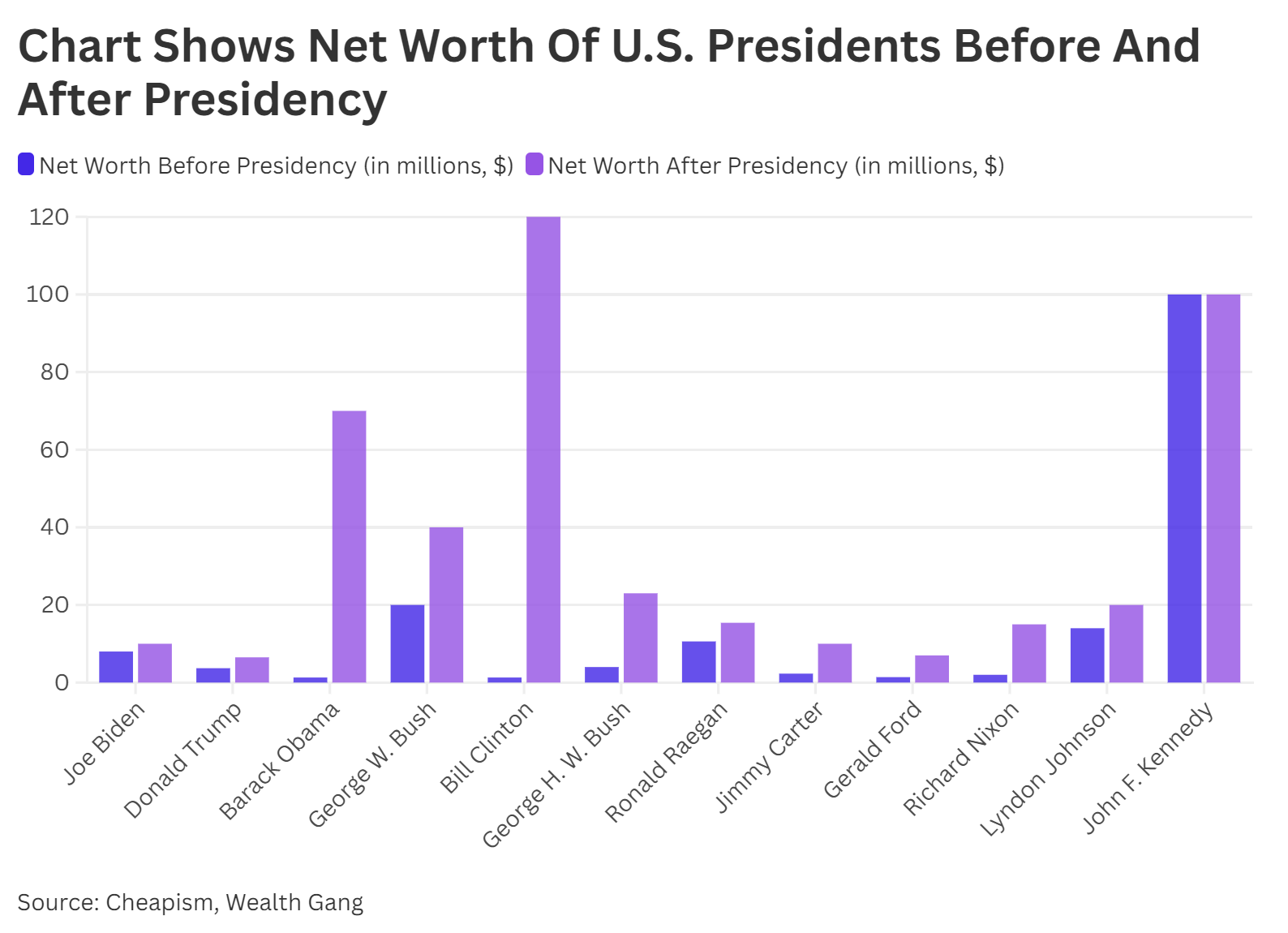
On Presidents Day 2017, which fell on February 20, Donald Trump’s estimated net worth was widely reported in the range of $3.5 billion to $3.7 billion. This valuation, calculated just weeks after his inauguration, reflected the complexities of auditing private real estate holdings, licensing agreements, and the volatility of branding-based assets in the immediate transition period of his presidency.
Understanding the Valuation Landscape in Early 2017
Determining the net worth of a high-profile real estate mogul who has just ascended to the presidency presents unique challenges for financial analysts. By early 2017, the methodology for tracking Trump’s wealth relied on a combination of public disclosures, real estate market reports, and debt-load assessments. When looking at the figure from Presidents Day 2017, it is critical to understand that this was a period of significant transition. The Trump Organization was shifting management control to his adult sons, and the public was gaining its first formal glimpse into his financial standing through the lens of government ethics requirements.
Most financial publications, such as Forbes and Bloomberg, maintained independent tracking models. These models were necessary because the assets in question—primarily skyscrapers, golf clubs, and branding contracts—are illiquid and difficult to value compared to publicly traded stocks. The 2017 valuation was a snapshot of a diversified portfolio that had been built over decades but was suddenly subjected to the intense scrutiny of the federal executive branch.
Methodology and Asset Classification
To arrive at the estimated $3.5 billion to $3.7 billion figure, analysts generally categorized assets into three primary buckets: real estate holdings, brand and licensing, and cash/securities. Each category carried a different risk profile and valuation standard.
- Real Estate Holdings: This segment formed the foundation of the valuation. It included landmark properties such as Trump Tower in New York City, 40 Wall Street, and various international commercial properties. The methodology for these assets involves calculating Net Operating Income (NOI) and applying capitalization rates—a standard commercial real estate practice.
- Brand and Licensing: This was the most contentious element of the valuation. The "Trump" name, applied to hotels, golf courses, and consumer products, created a "brand premium." During early 2017, analysts debated whether the political polarization associated with the 2016 election would increase the value of the brand or create long-term reputational risk that could diminish it.
- Debt Obligations: A net worth calculation is inherently a calculation of assets minus liabilities. By February 2017, observers were carefully watching the loan-to-value ratios on his major properties. Mortgages held by institutions like Deutsche Bank were significant line items that tempered the gross asset value.
Market Context and Economic Environment
The economic environment surrounding Presidents Day 2017 was characterized by optimism in the real estate sector and the stock market. The "Trump Bump"—a post-election rally in stock prices—suggested a favorable climate for real estate developers. However, for a private, debt-heavy portfolio, interest rate sensitivity was a constant factor.
Furthermore, the transition to the presidency necessitated a move toward "blind" trusts or, at minimum, a separation from daily business operations. This operational shift introduced a layer of administrative uncertainty. Investors and analysts were not just looking at the buildings; they were looking at whether the business model itself could sustain its value under the restrictions and ethical requirements of the executive office.
Comparison of Valuation Perspectives
Different financial entities arrived at slightly different conclusions regarding his net worth at that time. These discrepancies often stemmed from the valuation of intangible assets, specifically the brand.
| Financial Source | Estimated Valuation (Early 2017) | Primary Focus |
|---|---|---|
| Forbes | ~$3.7 Billion | Real estate and core assets. |
| Bloomberg | ~$3.0 Billion | Conservative debt/liquidity focus. |
| The Trump Organization | $8–$10 Billion | Includes intangible "brand value." |
The discrepancy between the Trump Organization's internal estimates and those of external media outlets highlights the difficulty in valuing the "Trump" brand. While the organization factored in the future earnings potential of his name, external analysts often discounted this heavily, fearing that the divisiveness of politics would reduce the effectiveness of the licensing model.
Impact of the Presidency on Wealth Tracking
The inauguration changed the nature of reporting on the president’s wealth. Before 2017, public records were limited. Following the filing of the first Office of Government Ethics (OGE) financial disclosure reports in mid-2017, the public gained access to lists of assets, income sources, and liabilities.
While the Presidents Day 2017 valuation remained an estimate, these subsequent disclosures provided a "floor" for the calculations. They revealed that the president held significant stakes in a wide array of properties, ranging from luxury resorts to television royalties. These reports also clarified the scale of his debt, which was often found to be in the hundreds of millions of dollars, helping analysts refine their models from the broad estimates of the campaign era to more granular, disclosure-based calculations.
Common Misconceptions Regarding Net Worth
A frequent point of confusion in 2017 was the difference between net worth and liquid cash. Many observers saw properties valued in the billions and assumed the president had equal liquidity. In reality, real estate wealth is rarely liquid. Even with a multi-billion dollar net worth, the president’s actual cash-on-hand was significantly lower, as his capital was tied up in equity across various projects and properties.
Another misconception involved the valuation of golf courses. Critics argued that golf course revenues were volatile and prone to weather and economic downturns, whereas supporters viewed them as prestigious, long-term assets that served as cornerstones of the brand. By February 2017, the industry was watching to see how the president’s travel schedule and security requirements would affect the operations of his high-end clubs.
Challenges in Valuation: Transparency and Ethics
The ethical framework of 2017 created a unique challenge: the need for transparency. As the president, there was intense pressure to disclose financial conflicts of interest. This pressure led to a more frequent, albeit sometimes imprecise, public discussion of his net worth. Unlike a CEO of a public corporation, who is mandated by the SEC to provide audited financial statements, the president was only required to provide OGE disclosures, which use broad ranges (e.g., "$5 million to $25 million") rather than exact figures.
Consequently, any attempt to define the net worth on a specific date—like Presidents Day 2017—remains an approximation based on the available data at the time. It is an exercise in aggregating public records with market-standard valuation techniques, accepting that an absolute, dollar-accurate figure is effectively impossible to confirm for a sprawling, privately held conglomerate.
Frequently Asked Questions
Why does the Trump Organization's estimate differ from financial media reports? The difference primarily stems from the valuation of the "Trump brand." The organization includes the intangible value of the name and its licensing potential, while independent financial analysts typically exclude or heavily discount these figures, focusing instead on hard assets and cash flows.
Was the net worth figure updated on Presidents Day 2017? No. There was no formal, audited valuation released on that specific holiday. The estimates referenced are compilations from financial journalists who were tracking the portfolio during that calendar period as part of their ongoing coverage of the new administration.
How does debt affect the valuation of real estate holdings? Debt is subtracted from the gross asset value to determine net equity. For large commercial properties, high leverage (the ratio of debt to value) means that even a small change in property value can have a significant, leveraged impact on the net worth of the owner.
Did the presidential election impact his net worth? The transition into the presidency impacted the brand’s licensing model. While some properties experienced a "prestige" boost, others in highly liberal urban areas faced challenges due to the polarizing nature of the 2016 campaign, which added complexity to the brand valuation in early 2017.
Where can one find the most accurate historical financial records? The most reliable primary source for this information is the Office of Government Ethics (OGE) 278e financial disclosure form. These forms provide a window into the president's assets and liabilities, though they use broad ranges rather than precise values.
Conclusion and Next Steps for Analysis
Analyzing the net worth of Donald Trump on Presidents Day 2017 requires a nuanced understanding of how real estate assets are valued and the limitations of private financial disclosure. For those interested in deeper research, the best next step is to examine the OGE disclosure reports from 2017 and 2018. These filings offer the most authoritative, albeit ranges-based, foundation for understanding the composition of his portfolio. By contrasting these disclosures with contemporary reporting from recognized financial outlets, one can reconstruct the most accurate picture possible of the financial position of the 45th President at the start of his term.