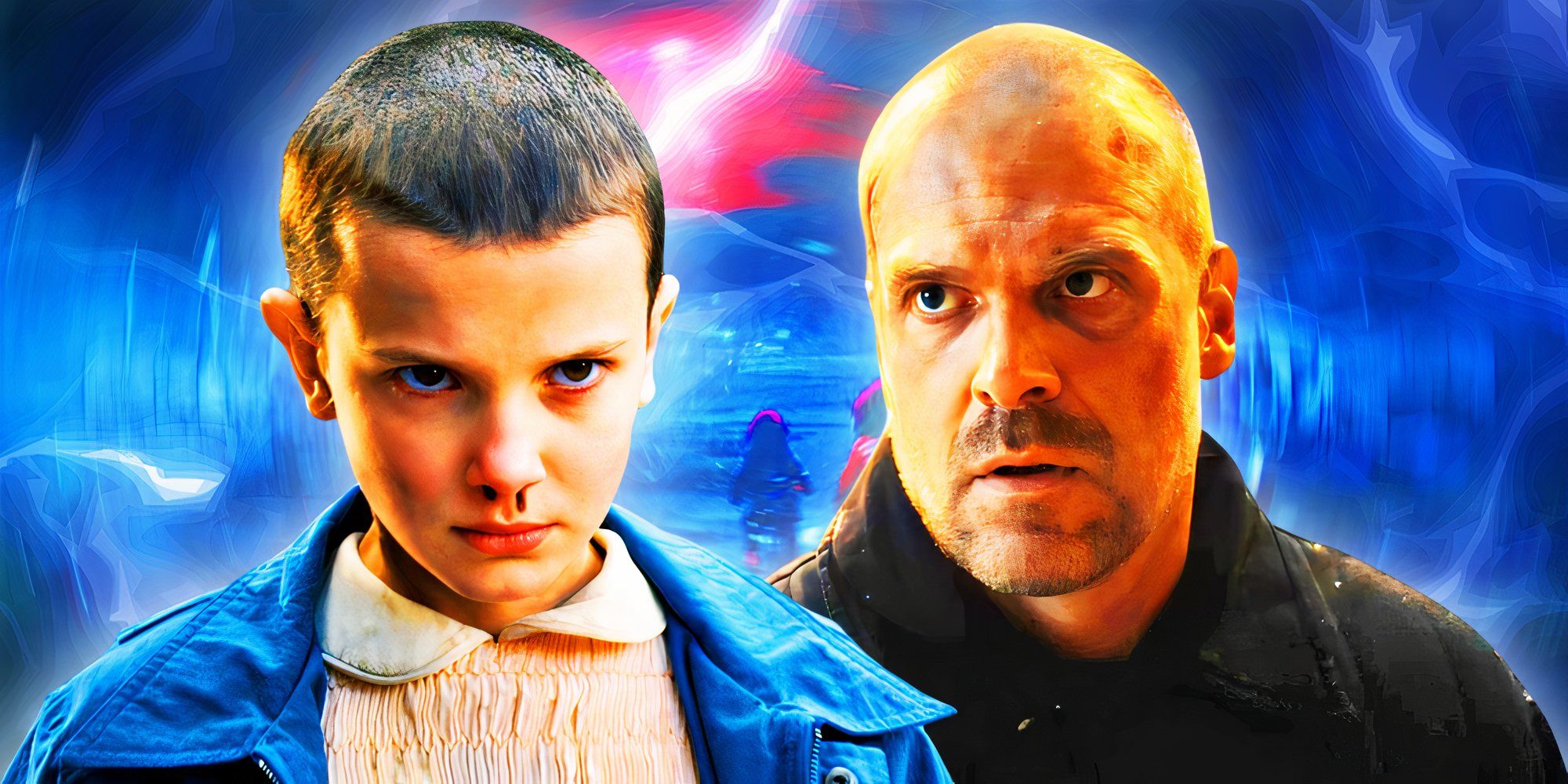
Stranger Things was originally conceived as a compact, four-season limited series rather than an open-ended television franchise, with early development treating the narrative as a tight arc that could theoretically wrap up after just three seasons. While the creators ultimately expanded their vision to accommodate the evolving story of Hawkins and its inhabitants, the initial blueprint for the Netflix flagship series relied heavily on a compressed storytelling model akin to classic cinematic trilogies or self-contained multi-part horror films.
The Original Conception of Stranger Things as a Limited Series
When creators Matt and Ross Duffer—professionally known as the Duffer Brothers—first pitched Stranger Things to various cable and streaming networks in 2015, the project was envisioned under the working title Montauk. At that stage, the concept was designed to function essentially as a prestige limited series. The narrative arc was meticulously mapped out to introduce a mysterious supernatural threat in a small-town setting, escalate the stakes across a concise timeline, and deliver a definitive conclusion before the central cast of child actors aged out of their roles.
In the early pitching phases, executives frequently pressured creators to adapt the series into a standard anthology format—similar to American Horror Story—where each season would feature a completely new cast and a different supernatural mystery. Alternatively, networks suggested framing the story as a traditional procedural drama where the kids solved a different monster-of-the-week mystery in every episode. The Duffer Brothers steadfastly rejected these formats. They insisted on a serialized narrative focused on the exact same group of characters, arguing that the emotional core of the series depended on the ongoing bonds between Eleven, Mike, Dustin, Lucas, Will, and their older siblings and parental figures.
However, committing to a serialized format for a multi-year television run presented unique creative challenges. Child actors change physically and emotionally at an accelerated rate compared to adults. Recognizing this reality, the initial writing room operated under the assumption that the story had a strict expiration date. The mythology of the Upside Down, the sinister experiments conducted by the United States Department of Energy at the Hawkins National Laboratory, and the existential threat posed by the Mind Flayer were structured to reach a narrative climax within a compressed multi-season window.
How Season 3 Shifted the Long-Term Narrative Strategy
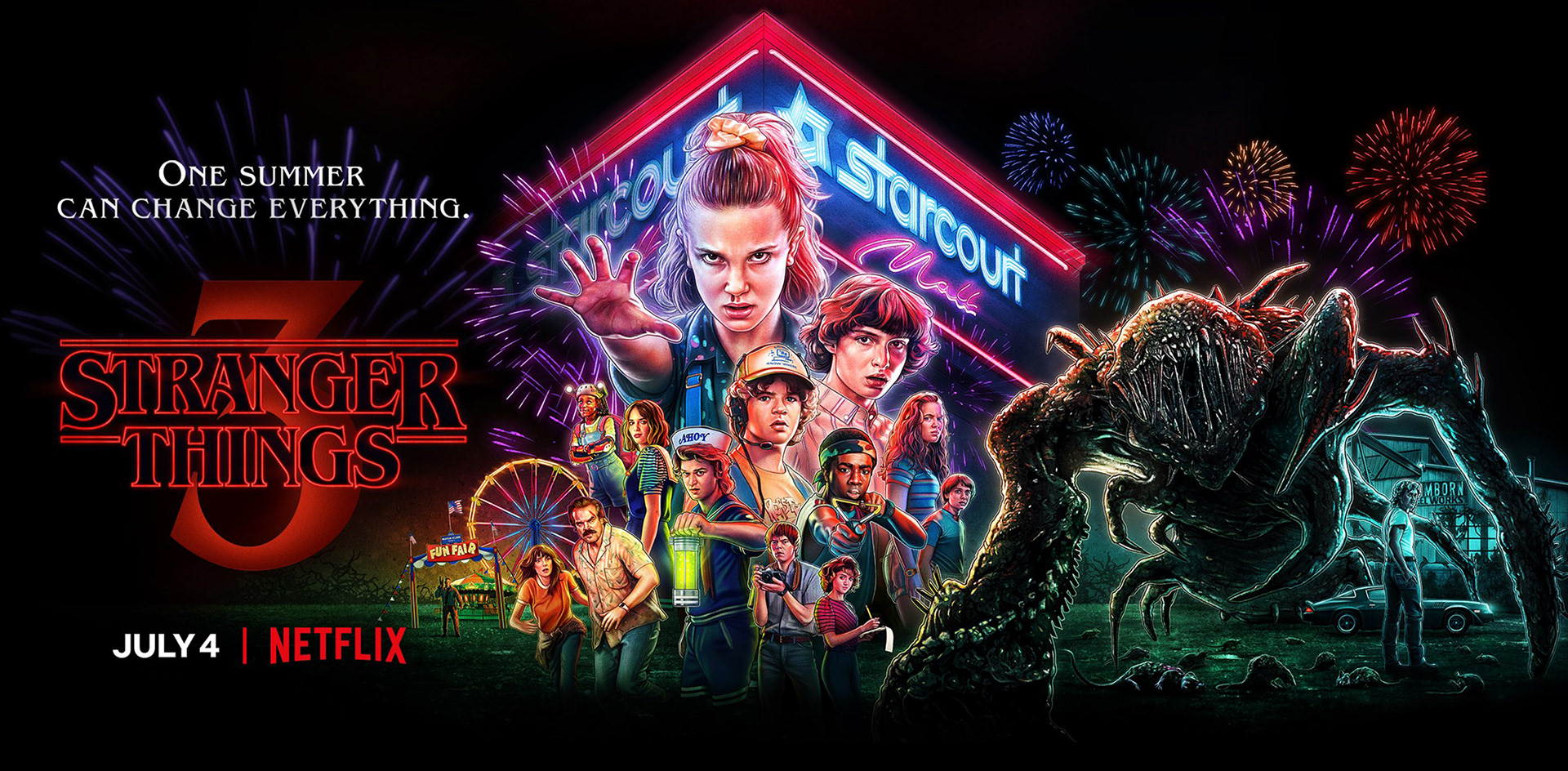
By the time production on Season 3 commenced in 2018, the cultural footprint of Stranger Things had far exceeded expectations, transforming it into a global pop-culture phenomenon for Netflix. This unprecedented success fundamentally altered the economic and creative calculus for both the creators and the platform. Season 3, released in July 2019, was designed with a much larger cinematic scope, shifting tone toward vibrant 1980s mall culture, blockbuster action sequences, and high-stakes espionage involving Soviet infiltration beneath Starcourt Mall.
Crucially, the conclusion of Season 3 left several major character arcs unresolved while introducing massive status-quo changes that made a definitive series finale impossible at that juncture. The apparent death of Jim Hopper, the relocation of Joyce Byers, Will, and Eleven out of Hawkins, and the ongoing expansion of the Soviet containment efforts signaled that the fictional universe was expanding rather than contracting.
| Production Phase | Original Vision (Pitch Era) | Executed Reality (Seasons 3–5) |
|---|---|---|
| Series Format | 4-season limited event | Open-ended blockbuster streaming franchise |
| Narrative Scope | Contained Hawkins-centric mystery | Global geopolitical and supernatural conflict |
| Character Arc Trajectory | Rapid convergence and swift closure | Gradual expansion of ensemble cast and deep mythology |
| Timeline Pacing | Close consecutive years matching child aging | Extended gaps between production cycles |
Behind the scenes, the Duffer Brothers realized during the writing of Season 3 that four seasons would not provide enough narrative runway to satisfactorily resolve the deep mythology they had built. The origins of the Upside Down, the exact nature of the Mind Flayer's hive mind, and the full extent of Dr. Martin Brenner's experiments required an entire additional season of television to explore properly. Consequently, during the production window of Season 3, the creative team officially recalibrated their roadmap, determining that Season 4 would serve as the penultimate chapter, paving the way for a supersized fifth season to close the book on Hawkins permanently.
The Impact of Streaming Economics and Franchise Expansion
The evolution of Stranger Things away from a strict three- or four-season model highlights broader structural shifts in modern streaming television. Traditional broadcast networks relied on syndicated episode counts—typically targeting 100 episodes to secure lucrative syndication deals. Premium streaming services like Netflix operate on subscriber acquisition, retention, and cultural dominance. A massive intellectual property like Stranger Things functions as a foundational pillar for the platform, driving merchandise sales, video game adaptations, live experiential events, and potential spin-off series.
This commercial reality introduced complex scheduling pressures. While the Duffer Brothers maintained creative control over the overarching plot, the production timelines between seasons began to stretch significantly. The gap between Season 3 in 2019 and Season 4 in 2022 spanned three years, exacerbated by industry-wide production halts and the sheer logistical complexity of visual effects-heavy storytelling. By Season 5, the actors who began the series as pre-teens were well into adulthood, cementing the reality that the series could no longer simulate a tight, consecutive multi-year childhood timeline.
Despite these external pressures, the creators resisted demands to stretch the narrative indefinitely. In interviews with entertainment trade publications, the Duffer Brothers repeatedly confirmed that they pitched a multi-season outline to Netflix executives that explicitly defined the endpoint. They argued that maintaining narrative integrity required a hard stop rather than a lingering cancellation due to declining viewership.
Frequently Asked Questions
Was Stranger Things officially cancelled after Season 3?
No, Stranger Things was never cancelled. The rumor that the show was supposed to end after Season 3 stems from early creative discussions where the Duffer Brothers mapped out a concise three-to-four-season arc to prevent the narrative from stretching out aimlessly. Netflix and the creators mutually agreed to expand the story into a fourth and fifth season to fully resolve the mythology.
How many total seasons will Stranger Things have?
The series concludes with its fifth season. Netflix officially confirmed that Season 5 will serve as the final chapter of the main storyline, though executive producers have hinted at potential live-action or animated spin-off projects set within the same fictional universe.
Why did the gaps between seasons become so long?
The extended delays between recent seasons are primarily driven by the massive cinematic scope of the production, extensive practical and digital visual effects requirements, and industry disruptions. Additionally, the writing and production process for each later season resembles blockbuster filmmaking rather than traditional episodic television production.
Did the actors' ages force the creators to end the show?
While the natural aging of the young cast members played a significant role in shaping the pacing of the narrative—particularly given the short in-universe timeline between seasons—the decision to conclude the series with Season 5 was primarily driven by the natural completion of the story arc established in the earlier seasons.
Final Recommendations for Fans and Viewers
For viewers analyzing the structural evolution of Stranger Things, understanding the transition from a tight, limited-series concept to a sprawling blockbuster franchise provides valuable context for the narrative shifts between earlier and later seasons. To fully appreciate the storytelling trajectory, rewatch the series while noting how the mythological clues planted in the early episodes directly inform the grand-scale conflicts of the final seasons. Pay close attention to how character relationships evolve under extreme duress, as the emotional core established in the first three seasons remains the anchor for the entire series finale.