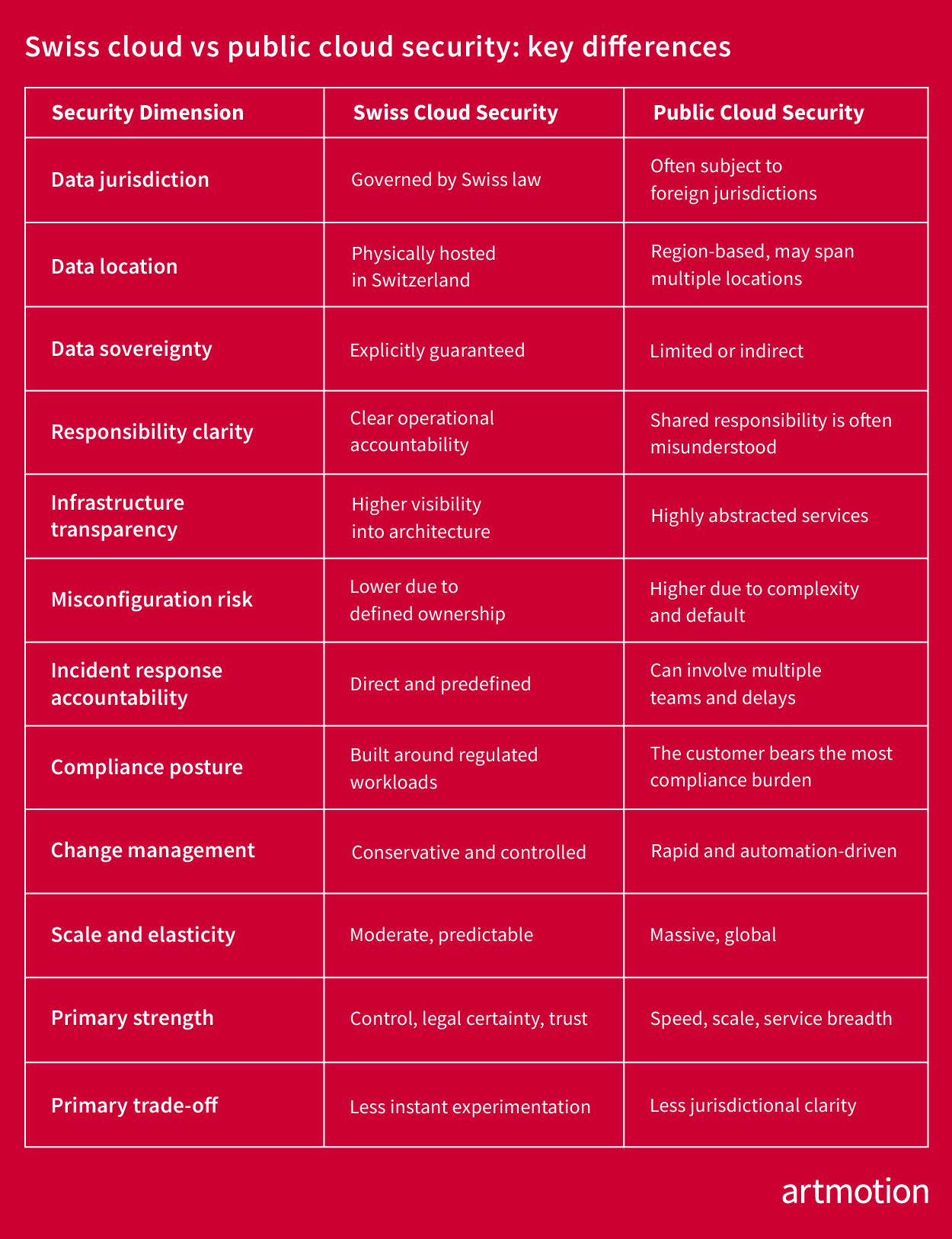
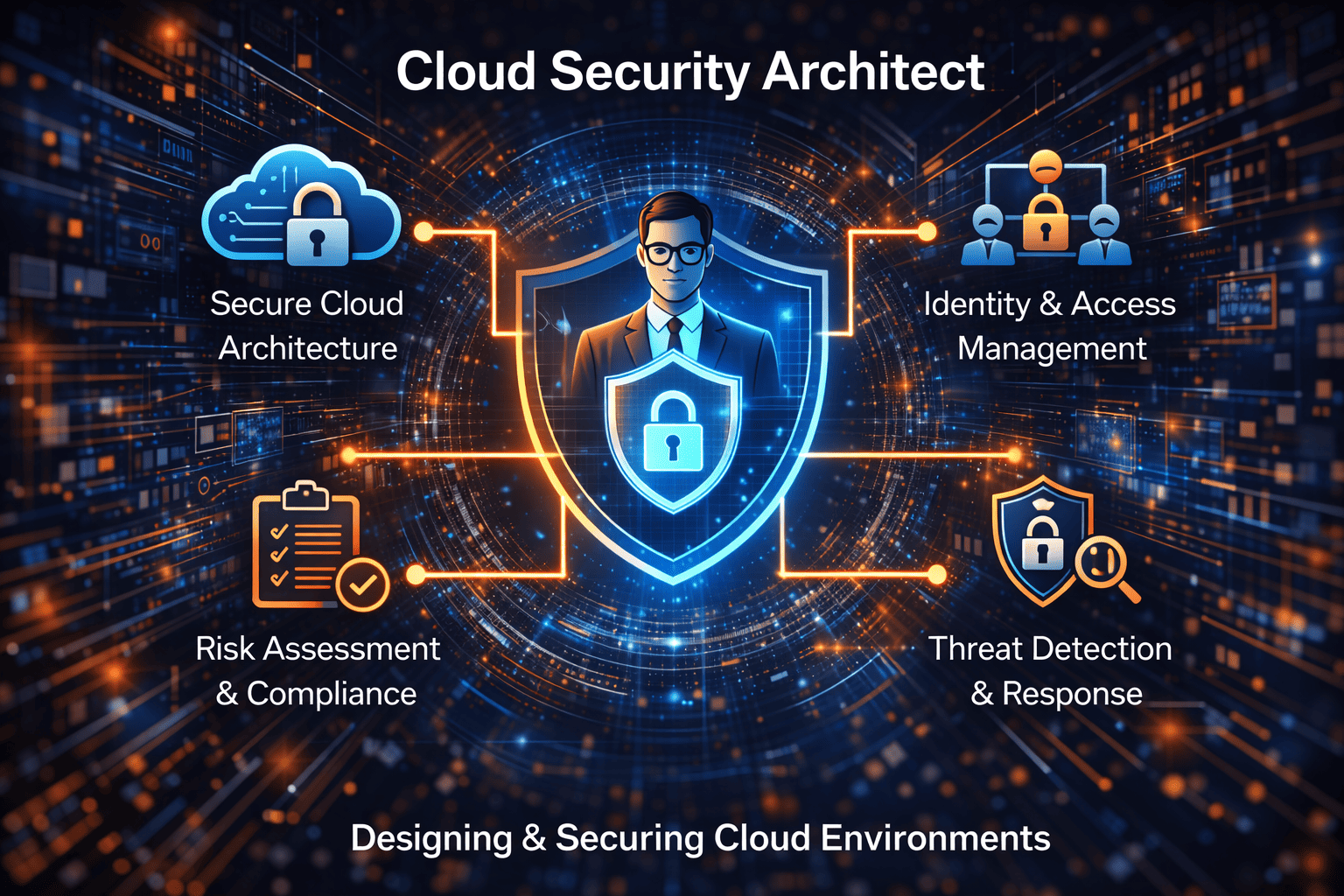
The primary shift in cloud security as of 2026 is the transition from perimeter-based defense to data-centric, identity-first security models, driven by the maturity of Zero Trust architecture and the integration of AI-automated threat detection. This fundamental realignment forces organizations to move away from securing the network edge toward granular control over identity and individual data assets across multi-cloud environments.
The Evolution of the Cloud Security Perimeter
In the early years of cloud adoption, security was modeled after traditional on-premises data centers. The strategy focused on a "castle-and-moat" approach, where the perimeter was guarded by robust firewalls, and internal traffic was implicitly trusted. As organizations transitioned to distributed, multi-cloud architectures, this model collapsed under the weight of remote work, software-as-a-service (SaaS) proliferation, and ephemeral containerized workloads.
By 2026, the industry standard has firmly shifted toward identity as the new perimeter. This means that access to resources is no longer granted based on a user’s network location. Instead, security teams must verify every access request against identity context, device health, and behavioral analytics. This shift requires a deep integration between Identity and Access Management (IAM) systems and Cloud Security Posture Management (CSPM) tools.
Key Shifts in Strategy: From Reactive to Proactive
Organizations are currently moving from reactive patching and log monitoring to proactive, AI-driven threat modeling. The complexity of modern cloud environments—comprising hundreds of microservices—renders manual oversight impossible.
1. The Rise of CNAPP
The Cloud-Native Application Protection Platform (CNAPP) has become the dominant architecture for consolidating security tools. Rather than juggling separate vendors for CSPM, Cloud Workload Protection (CWP), and infrastructure-as-code scanning, teams now leverage CNAPP to provide a unified view of risk throughout the entire development lifecycle.
2. Identity-First Security
Identity is the most consistent vector for cloud breaches. The shift here involves enforcing granular Just-in-Time (JIT) access. Instead of standing privileges, which remain active indefinitely, users and service accounts are granted elevated permissions only for the duration of a specific task. This drastically reduces the blast radius of compromised credentials.
3. Shift-Left Security
Security is no longer a final hurdle before production; it is now embedded into the CI/CD pipeline. By scanning infrastructure as code (IaC) for misconfigurations before deployment, developers can remediate vulnerabilities at a lower cost and with less friction. This requires a cultural shift where security teams act as enablers rather than gatekeepers.
Comparison of Security Approaches
To understand how these shifts impact operations, it is helpful to compare the legacy model with the modern, identity-first approach.
| Feature | Legacy Perimeter Security | Modern Identity-Centric Security |
|---|---|---|
| Trust Model | Implicit trust within the network | Zero Trust (never trust, always verify) |
| Primary Focus | Network firewall / VPN access | User identity and device posture |
| Visibility | Siloed by application or subnet | Unified across multi-cloud and SaaS |
| Access Control | Static, long-term permissions | Dynamic, Just-in-Time access |
| Configuration | Manual, ticket-based updates | Automated via CI/CD and IaC |
Ongoing Debates in the Cloud Security Landscape
Despite the technical progress, several debates continue to divide the cybersecurity community in 2026. These unresolved tensions highlight the challenges inherent in securing highly dynamic, distributed environments.
The Trade-off Between Automation and Human Oversight
As AI becomes central to cloud security, a debate persists regarding the "black box" nature of automated remediation. While automated tools can mitigate a DDoS attack or isolate a compromised container in milliseconds, there is a risk of false positives causing system-wide outages. Organizations are currently debating the extent to which they should allow automated systems to change production configurations without human approval.
Complexity vs. Consolidation
Another ongoing argument surrounds the "Platform vs. Best-of-Breed" debate. Many vendors now offer comprehensive platforms that cover all aspects of cloud security. However, security architects often worry that relying on a single vendor creates a single point of failure and may lead to "vendor lock-in," where the security toolset is too closely tied to one specific cloud provider's API structure.
Compliance in a Distributed World
As regulatory frameworks like the EU’s updated data protection directives evolve, the debate over data sovereignty remains heated. Cloud service providers (CSPs) offer global infrastructure, but legal requirements often mandate that data reside in specific jurisdictions. This creates a technical dilemma: how to maintain a global, high-performance cloud architecture while strictly enforcing regional data boundaries at the software layer.
Operationalizing Zero Trust in 2026
Implementing these shifts requires a methodical approach. Organizations that attempt to "bolt on" Zero Trust find it impossible; it must be designed into the infrastructure.
- Inventory and Asset Discovery: You cannot protect what you cannot see. Use automated discovery tools to map every microservice, API endpoint, and IAM role across your cloud footprint.
- Standardize Access Policies: Move away from role-based access control (RBAC) toward attribute-based access control (ABAC). ABAC considers user roles, environmental context, and the sensitivity of the data being accessed.
- Continuous Monitoring: Implement runtime observability that provides alerts based on behavioral anomalies rather than just signature-based detection.
- Automated Governance: Establish guardrails within the developer workflow. If a developer attempts to deploy a storage bucket without encryption, the CI/CD pipeline should automatically block the build.
Common Pitfalls to Avoid
Even with advanced tools, teams often encounter systemic issues during their transition. One common mistake is "permission creep," where service accounts are granted excessive permissions to avoid breaking functionality during migration. This leads to a bloated attack surface. Regular access reviews are mandatory, not optional.
Another pitfall is the failure to secure the software supply chain. With the heavy reliance on open-source libraries, cloud environments are vulnerable to vulnerabilities introduced in third-party dependencies. Integrating software composition analysis (SCA) into the development process is essential to verify the security of the components used to build cloud-native applications.
Frequently Asked Questions
Is Zero Trust just a buzzword in 2026? No, it is a functional requirement. While the term is often overused in marketing, the underlying principles—verification of every request, least-privilege access, and micro-segmentation—are essential for mitigating the risks associated with modern cloud-native architectures.
Does moving to the cloud make data encryption redundant? Absolutely not. Cloud providers offer encryption at rest and in transit, but users remain responsible for key management. Relying solely on the provider’s default encryption leaves data exposed if there is a failure in identity management or access control.
What is the role of AI in cloud security? In 2026, AI is primarily used for identifying behavioral patterns that indicate a breach, such as an identity suddenly accessing data outside of typical business hours or from an unusual geography. It is also used to automate the prioritization of thousands of security alerts, helping analysts focus on high-risk issues.
How do I justify the cost of advanced cloud security tools? Cloud security is often viewed as an insurance premium against the catastrophic cost of a data breach. ROI is best demonstrated by reduced "mean time to remediate" (MTTR) and the avoidance of regulatory fines, rather than just cost savings.
What is the biggest threat to cloud security currently? Misconfiguration remains the leading cause of cloud breaches. Even in 2026, the simplest errors—such as leaving an S3 bucket open to the public or using default credentials—account for the vast majority of preventable security incidents.
Recommended Next Steps
To address these shifts within your organization, prioritize a technical audit of your current IAM posture. Evaluate how many service accounts have static, long-term keys and begin a project to migrate these toward dynamic secrets or short-lived tokens. Simultaneously, conduct a gap analysis of your current CI/CD pipeline to ensure that automated security gates are active for every code commit. By focusing on these two areas—identity governance and developer-embedded security—you align your organization with the primary trends shaping cloud defense in 2026.