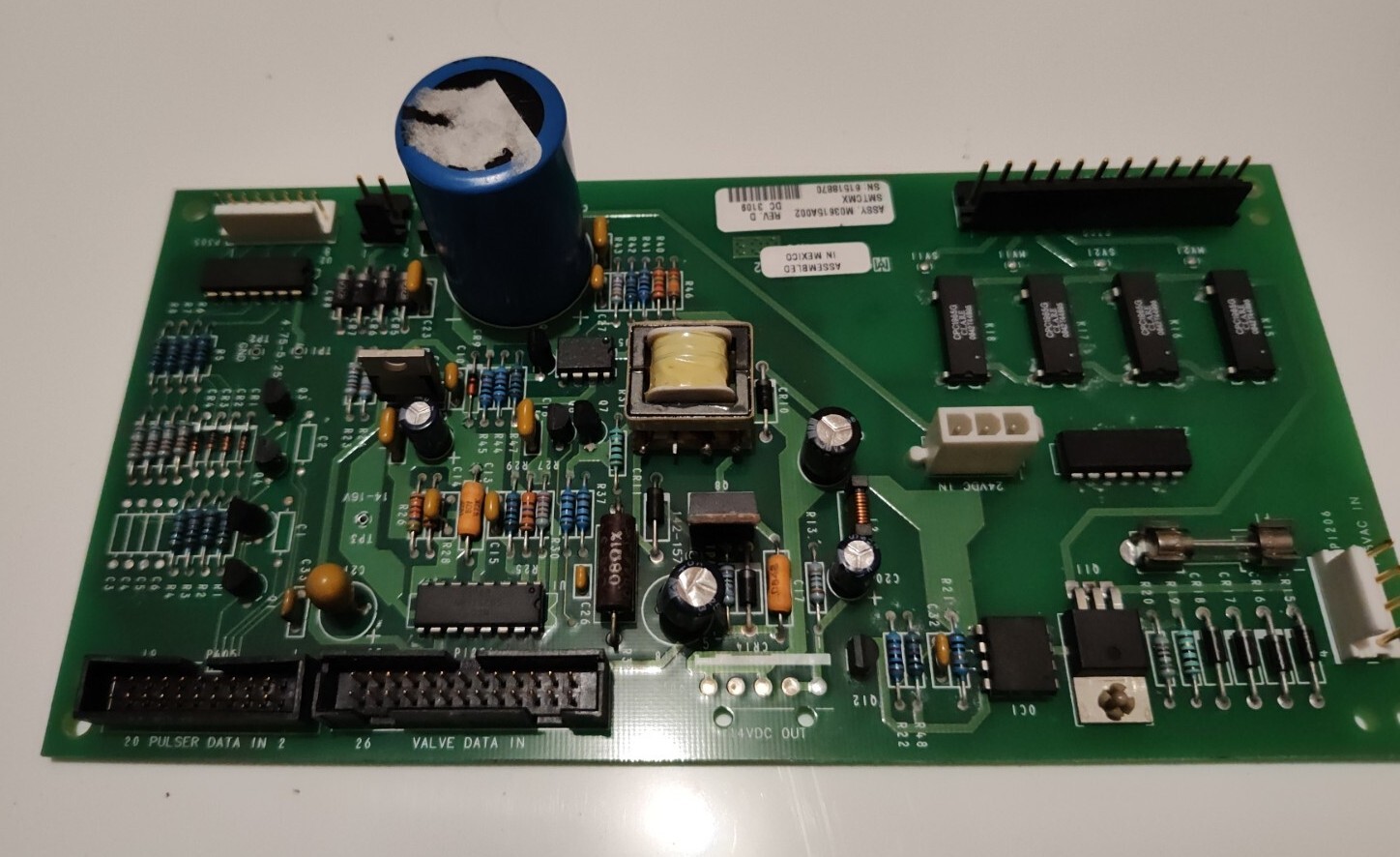
The Gilbarco Encore 500 is a prominent fuel dispenser model that set the standard for retail petroleum equipment throughout the early 2000s. Known for its durable design and modular architecture, it serves as the backbone for countless service stations globally, offering integrated payment systems, high-flow fueling options, and a highly customizable interface that continues to support daily operations in 2026.
Understanding the Gilbarco Encore 500 Architecture
The Gilbarco Encore 500, introduced as the successor to the Advantage series, represented a significant leap in how fuel dispensers interacted with station point-of-sale (POS) systems. Its primary objective was to combine the mechanical reliability required for high-volume fueling with the electronic sophistication demanded by modern payment security and media integration.
At its core, the Encore 500 utilizes a modular design. This means that individual components—such as the card reader, the display assembly, the pump hydraulics, and the circuit boards—are designed to be swapped or serviced independently. This architectural choice has been pivotal in the longevity of the model, allowing operators to perform mid-cycle upgrades rather than replacing the entire dispenser unit.
The unit’s structural framework consists of a robust stainless steel or high-durability coated chassis, designed to withstand the harsh environmental conditions of an outdoor forecourt, including extreme temperatures, moisture, and debris. The internal plumbing is arranged to maximize flow rates while maintaining strict adherence to safety standards, such as those mandated by Underwriters Laboratories (UL) and the National Fire Protection Association (NFPA).
Core Technical Features and Specifications
The Encore 500 is defined by several key subsystems that ensure accuracy, security, and ease of use. Understanding these components is essential for maintenance technicians and station managers alike.
Hydraulics and Metering
The hydraulic system of the Encore 500 features the standard Gilbarco positive displacement meter. These meters are renowned for their long-term calibration stability. The pumping unit is integrated with an air separator to ensure that the fuel delivered to the customer is free of air pockets, which is critical for maintaining accurate volume measurements and regulatory compliance with Weights and Measures departments.
Electronics and The CRIND
The "Card Reader in Dispenser" (CRIND) is perhaps the most iconic feature of the Encore 500. This unit allowed for the shift toward pay-at-the-pump convenience. The electronic heads of the Encore 500 are powered by a series of specialized logic boards that communicate directly with the station’s controller via a proprietary loop. In 2026, many of these original boards have been upgraded to support newer, more secure encryption standards required by the Payment Card Industry Data Security Standard (PCI DSS).
Display and User Interface
The standard display configuration uses monochrome or early-generation color LCDs. These displays provide clear instructions to the user regarding fuel selection, pricing, and payment status. Because the Encore 500 was designed for high customization, station owners can often configure the displays to show promotional messaging, which was a revolutionary marketing capability when the unit first launched.
Comparison of Dispenser Attributes
When evaluating the Encore 500 against modern alternatives or earlier models, it is helpful to view the technical landscape of the unit through its primary operational strengths.
| Feature | Gilbarco Encore 500 | Modern Equivalent (e.g., Encore 700) |
|---|---|---|
| Payment Interface | Legacy CRIND (Needs Upgrade) | Integrated EMV/Contactless |
| Connectivity | Proprietary Serial Bus | High-Speed Ethernet/IP |
| Serviceability | Modular Component Swap | Advanced Diagnostic Telemetry |
| Media Capability | Basic Text/Limited Graphics | Full HD Video/Targeted Ads |
| Flow Hardware | Standard Flow 10 GPM | High Flow/Ultra-High Flow Options |
Prerequisites for Maintenance and Operation
Maintaining an Encore 500 in 2026 requires specific knowledge and adherence to safety protocols. Before any internal work is performed, the following prerequisites must be met:
- Power Isolation: All dispensers must be de-energized at the circuit breaker before opening the head or accessing high-voltage components.
- Atmospheric Safety: Forecourts are hazardous locations. Only certified technicians should handle equipment, and all tools must be non-sparking.
- Software Verification: If replacing logic boards or electronic components, the technician must verify that the software version is compatible with the existing station controller software to prevent communication failures.
- Calibration Records: Under the oversight of local regulators, any adjustment to the meter or pulser requires re-calibration and official sealing of the meter to ensure legal compliance.
Common Operational Issues and Troubleshooting
Despite its robust design, the Encore 500 is susceptible to typical wear and tear given its age.
- Display Failures: Over time, the backlighting on the LCD screens can dim or flicker. This is often solved by replacing the backlight inverter or the display module itself.
- Card Reader Errors: If a reader fails to accept cards, the primary culprit is often debris in the card slot or a worn-out read head. Regular cleaning with manufacturer-approved cards is the first line of defense.
- Communication Timeouts: If the dispenser "drops" from the POS system, the issue usually lies in the wiring harness or the "pump board." Check for corrosion in the wiring junctions, which is common in older, humid climates.
- Flow Rate Issues: A significant reduction in fuel flow usually indicates a clogged fuel filter (located inside the dispenser cabinet) or, in rarer cases, an issue with the shear valve or the pump motor relay.
Safety and Regulatory Compliance
In 2026, the regulatory environment surrounding fuel dispensers is stringent. The Encore 500 remains compliant provided that it is maintained with original or authorized replacement parts.
Operators must ensure that all leak detection systems—integrated either within the pump or the tank sump—are fully functional. Furthermore, because of the age of many Encore 500 units, station owners should focus on the integrity of the vapor recovery system. Even if state regulations vary, the integrity of the hoses, nozzles, and breakaway valves remains a primary safety requirement to prevent environmental contamination and fire hazards.
Professional advice: Always consult the specific Gilbarco maintenance manual for your serial number range. Equipment configurations vary significantly based on the region of installation and the specific year of manufacture.
Frequently Asked Questions
Can I upgrade the Gilbarco Encore 500 to accept NFC/contactless payments?
Yes. Several third-party and manufacturer-authorized kits exist to modernize the card reader assembly. These kits replace the legacy CRIND card reader with a unit capable of reading EMV chips and NFC signals.
How do I identify my specific Encore 500 software version?
The software version is typically displayed on the startup screen when the power to the dispenser is cycled. Alternatively, it can be viewed through the internal diagnostic menu accessed via the technician’s handheld tool or the internal keypad.
Are replacement parts still manufactured for the Encore 500?
While some original OEM parts are no longer in production, there is a robust market for refurbished components and compatible aftermarket parts. Major distributors continue to support the Encore series due to its massive installed base.
What is the typical lifespan of an Encore 500 dispenser?
With consistent preventative maintenance—specifically replacing filters, belts, and electronic boards—these units are frequently kept in operation for 20 years or longer.
Why is my dispenser showing a "Communication Failure" error?
This is usually caused by a break in the communication loop between the pump and the store controller. Inspect the current loop wiring, ensure the pump's internal communication board is seated correctly, and verify that the pump's ID address is correctly set in the station POS software.
Next Actions for Station Owners
For those currently operating a site with Gilbarco Encore 500 equipment, the most important action for 2026 is a site-wide audit of all electronic security and payment compliance. Ensure that every unit has been upgraded to support current EMV standards. If a unit is showing signs of frequent mechanical failure, prioritize a scheduled component overhaul—specifically focusing on filters and high-wear hydraulic parts—to avoid costly emergency repairs. If planning a long-term capital investment, consult with a certified technician to evaluate whether individual retrofits or a full site migration to newer dispenser technology provides the best return on investment for your specific traffic volume.