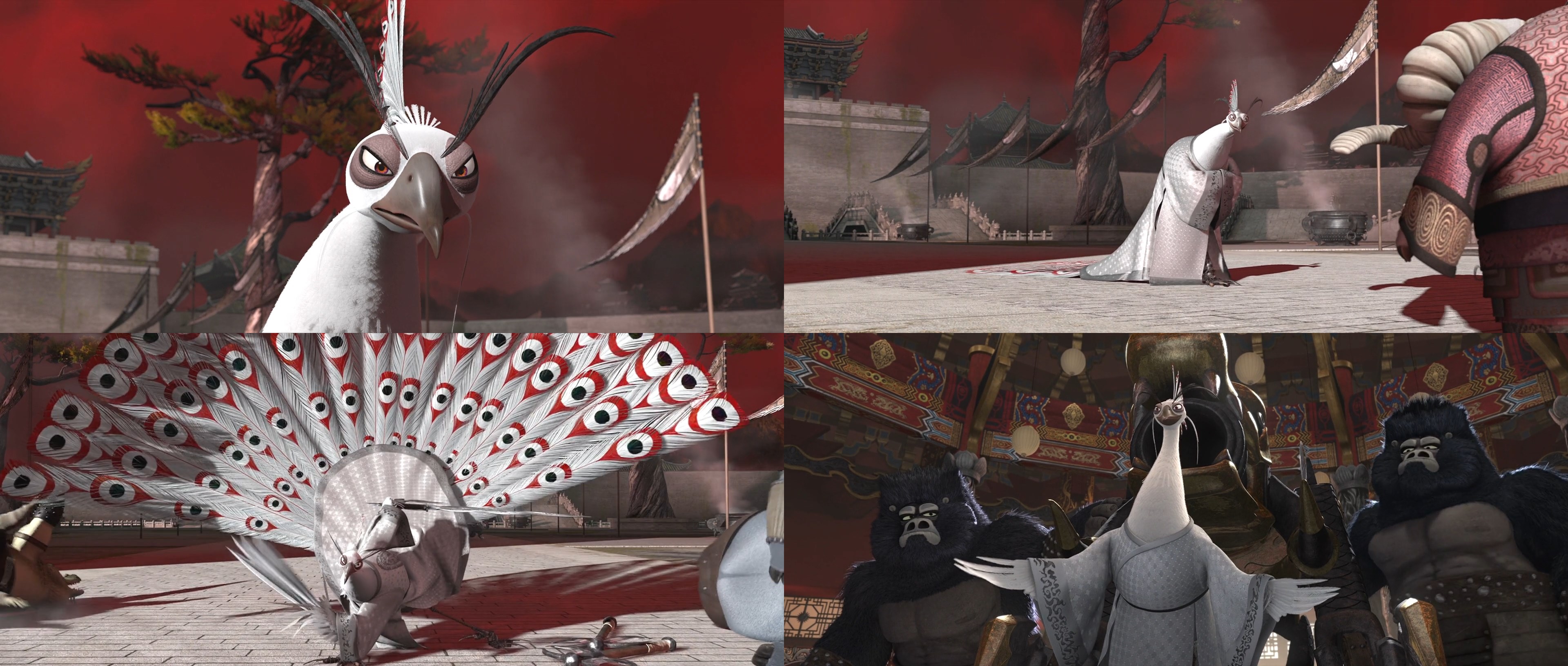
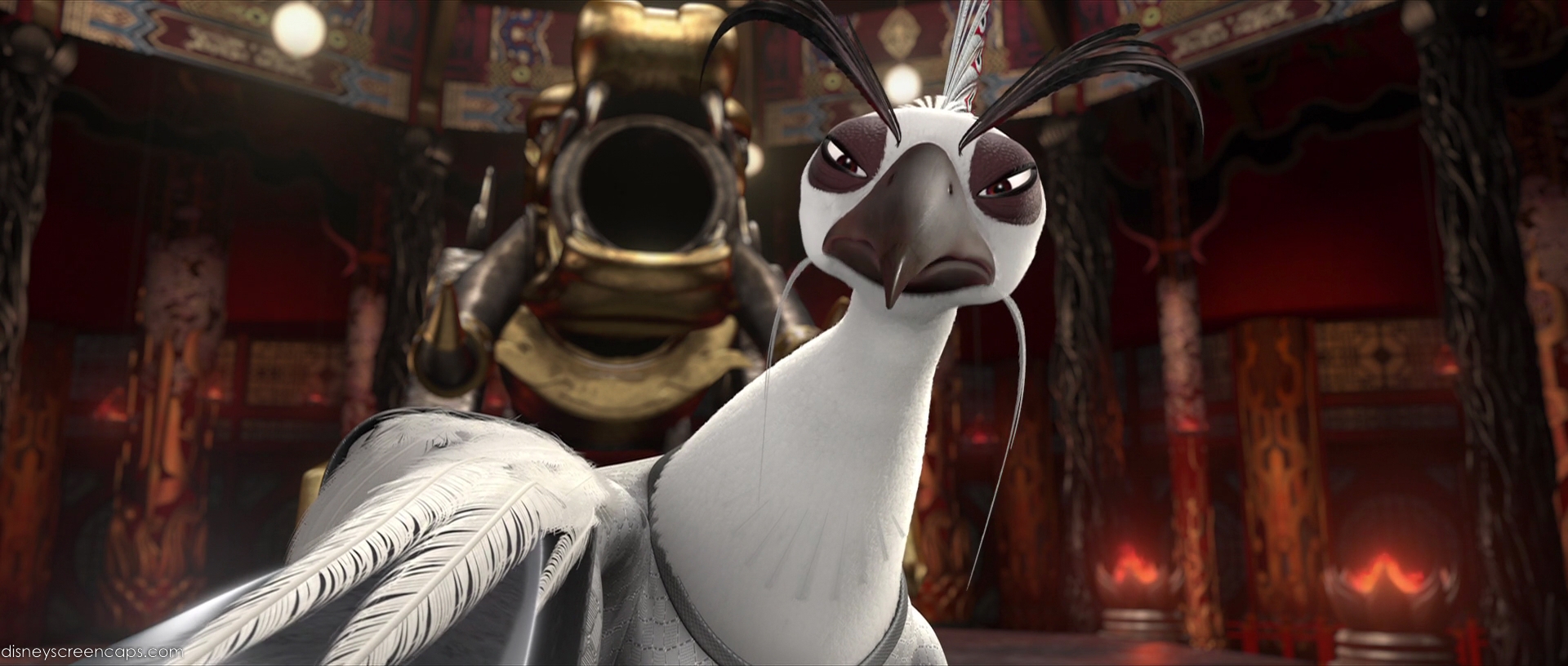
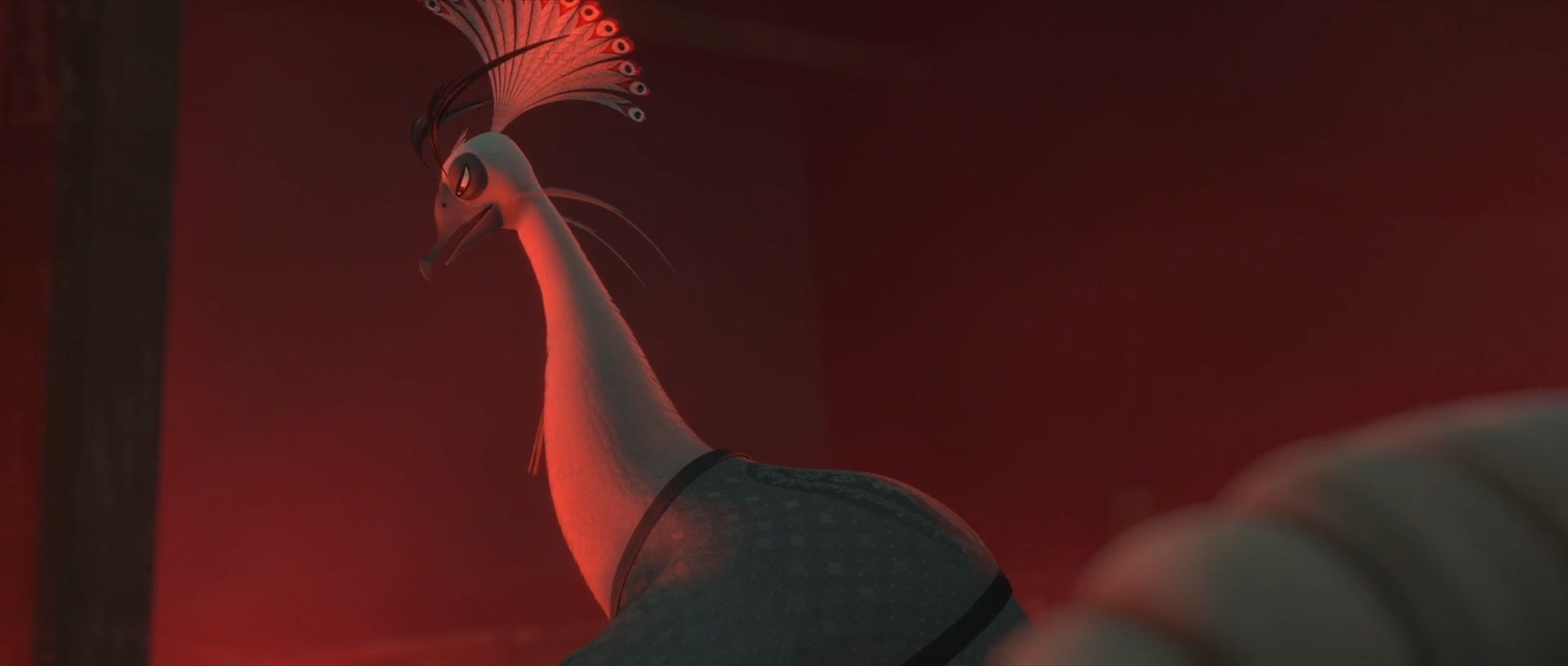
Gary Oldman provides the chilling, sophisticated, and complex voice of the primary antagonist, Lord Shen, in the 2011 DreamWorks Animation feature Kung Fu Panda 2. His performance is widely cited by animation historians and voice acting professionals as a masterclass in vocal range, delivering a blend of aristocratic menace and deep-seated emotional trauma that elevates the character from a standard villain to a tragic figure of historical consequence within the franchise’s lore.
Understanding the Role of Lord Shen in Animation History
When Kung Fu Panda 2 was released, it marked a tonal shift for the franchise. While the first installment focused on self-discovery and the classic tropes of the "chosen one," the sequel required a antagonist who could represent a more sophisticated, industrialized, and existential threat to Po and the Furious Five. Gary Oldman was cast to bring a specific gravitas to Lord Shen, a peacock obsessed with control and the weaponization of fireworks.
The character of Lord Shen is physically imposing but relies on grace, speed, and calculated intellect rather than raw brute strength. Oldman’s performance captures this through a deliberate, clipped speaking rhythm. By utilizing a slightly heightened, refined British accent, Oldman conveys the character’s royal heritage. This aristocratic veneer is vital because it contrasts sharply with the frantic, martial-arts-focused world of the Panda. When Shen speaks, the environment—often chaotic and loud—tends to settle, emphasizing his authority.
Vocal Technique and Character Development
Voice acting involves a unique set of challenges compared to live-action performance. Without the benefit of body language or facial expressions to carry the narrative, the actor must imbue every syllable with the character’s history. For Lord Shen, Gary Oldman had to reconcile two disparate sides of the character: the ruthless conqueror and the exiled son.
The Nuance of Menace
Oldman’s approach to the villainy of Lord Shen focuses on cold detachment. Unlike Tai Lung from the first film, whose motivations were rooted in rage and unfulfilled ambition, Shen is rooted in cold, clinical planning. Oldman uses a technique of vocal "sharpening," where he emphasizes the percussive consonants in the character’s dialogue. This creates a sonic quality that feels like the pecking of a bird—sharp, precise, and dangerous.
The Expression of Grief
The pivotal arc of Lord Shen is his reaction to his parents' rejection after he commits his first act of genocide. Oldman’s performance shifts in these moments. The authority remains, but the vocal pitch drops, and the pacing slows down significantly. This signifies the internalization of his trauma. By avoiding standard villainous "shouting," Oldman forces the audience to listen closely to the vulnerability hidden beneath the peacock’s regal exterior.
Comparison of Antagonist Archetypes in the Kung Fu Panda Trilogy
To understand why Gary Oldman’s performance is considered a benchmark, it is helpful to compare Lord Shen against the other primary antagonists of the franchise.
| Antagonist | Primary Vocal Focus | Archetype | Key Performance Element |
|---|---|---|---|
| Tai Lung | Aggression and brute force | The Disgraced Student | Raw, guttural intensity |
| Lord Shen | Aristocracy and intellect | The Tragic Fallen Royal | Calculated, soft-spoken menace |
| Kai | Mysticism and vanity | The Supernatural Rival | Boisterous, ego-driven power |
As evidenced by the table, Oldman’s role stands apart because of its restraint. While other villains rely on volume or physical threats, Oldman’s Lord Shen commands the screen through a haunting, melodic, and whisper-quiet delivery that makes his sudden bursts of violence significantly more jarring for the audience.
The Technical Challenges of Recording for a 3D Animated Feature
Voice work for a film like Kung Fu Panda 2 is not a singular event; it is a collaborative process that spans years of development. In 2026, looking back at the production, we see how the collaboration between the director, Jennifer Yuh Nelson, and Oldman shaped the final cut.
Because the character is a peacock, the animation team at DreamWorks had to ensure that the lip-syncing matched the complex avian movements of the model. Oldman’s delivery provided the animators with the necessary timing. The pauses he included—the "space" between his words—allowed the animators to insert subtle, twitchy eye movements that made the character feel genuinely predatory.
Furthermore, the recording environment requires the actor to remain consistent throughout months of intermittent sessions. This consistency is where Oldman shines; he maintains the exact level of menace throughout the production, ensuring that Shen never feels like a caricature. This is a difficult task, as the character’s internal arc shifts from confident leader to desperate, crumbling wreck by the film’s climax.
The Legacy of the Performance
Gary Oldman’s contribution to the role of Lord Shen set a standard for what is possible in mainstream animated villainy. In the years since the film’s release, audiences and critics have frequently revisited the performance as an example of how "big name" casting can genuinely elevate a project rather than serving as mere marketing fodder.
The impact of the character is best measured by his influence on subsequent villains in the genre. Shen is often cited as a turning point where animated antagonists became more "human" in their flaws. His obsession with his destiny, his refusal to accept accountability, and his ultimate undoing are all conveyed primarily through Oldman’s voice. Without the specific emotional colors Oldman brought to the booth, the character could have easily devolved into a two-dimensional plot device.
Common Misconceptions Regarding the Voice Acting
A common point of confusion for casual viewers is whether the "hissing" or "rattling" qualities in the voice are part of Oldman’s performance or post-production audio effects.
- Vocal Range: The majority of the tonal quality comes from Oldman’s natural ability to manipulate his registers. He does not use a vocal filter to sound more "peacock-like."
- The "Hiss": While sound engineers certainly layered the audio to emphasize the character’s movements, the core "hiss" in Shen’s speech patterns is a deliberate stylistic choice made by Oldman to emulate the sound of a snake or a sharpened blade, reinforcing the character's association with cold weaponry.
- Improvisation: While the script was rigorous, Oldman was known to work closely with the writers to refine the cadence of Shen’s dialogue, ensuring that the lines flowed with the rhythm of his own natural speaking style, which he adapted to sound more archaic and royal.
How to Analyze the Performance for Educational Purposes
For students of acting or those interested in the technical aspects of film production, analyzing Oldman’s performance requires a focused approach:
- Isolate the Audio: Watch a scene of Lord Shen with your eyes closed. Pay attention to how he uses breath and silence to control the scene.
- Observe the Mouth Movement: Look at how the animation matches the vocal spikes. Note the efficiency of the character’s gestures relative to the lack of volume in his voice.
- Track the Emotional Arc: Note how the voice changes at the end of the film compared to the beginning. The transition from "composed aristocrat" to "desperate, unhinged survivor" is an excellent study in acting range.
Frequently Asked Questions (FAQ)
1. Is Gary Oldman the only person to voice Lord Shen?
Yes, Gary Oldman provided the voice for Lord Shen in the original 2011 film Kung Fu Panda 2. While other media may feature different actors for spin-offs or video games, Oldman is the definitive voice of the character in the canonical feature film.
2. Did Gary Oldman do his own singing for the role?
Lord Shen does not have a formal musical number in the film. The character’s dialogue is rhythmic and melodic, which is a hallmark of Oldman’s performance, but he is not credited with any vocal songs within the soundtrack.
3. How did Gary Oldman prepare for the role of a peacock?
Oldman focused on the "stiff" and "regal" aspects of the character. He researched the physical movements of birds to understand how they hold their heads, which influenced how he delivered his lines. He aimed to make the character feel as sharp as the blades he creates.
4. Why is Lord Shen considered one of the best animated villains?
Lord Shen is highly regarded because he possesses a clear, tragic motivation, high intelligence, and a sophisticated demeanor. Gary Oldman’s nuanced delivery adds layers of vulnerability that make the character feel like a legitimate threat rather than just a cartoon antagonist.
5. Does the voice of Lord Shen rely heavily on vocal effects?
The character’s voice relies primarily on Oldman’s natural performance. While post-production audio mixing enhances the clarity and volume of his delivery, the specific qualities of the voice—the sneer, the sharp consonants, and the quiet intensity—are entirely the result of the actor's work in the recording booth.
Final Recommendations for Enthusiasts
If you are interested in further exploring the craft behind Kung Fu Panda 2, we recommend viewing the "Behind the Scenes" features included in the archival Blu-ray and digital releases of the film. These segments often contain raw footage of the voice acting sessions, providing a rare look at the physical effort required to perform such a dynamic role.
Furthermore, observing Oldman’s other dramatic roles—particularly his work in historical dramas—will provide context for how he utilizes his voice to command attention. His ability to strip away his own personality to inhabit a completely different character is the core of why Lord Shen remains a compelling figure in animation history. For those looking to study the evolution of the villain archetype, Kung Fu Panda 2 serves as a foundational text.