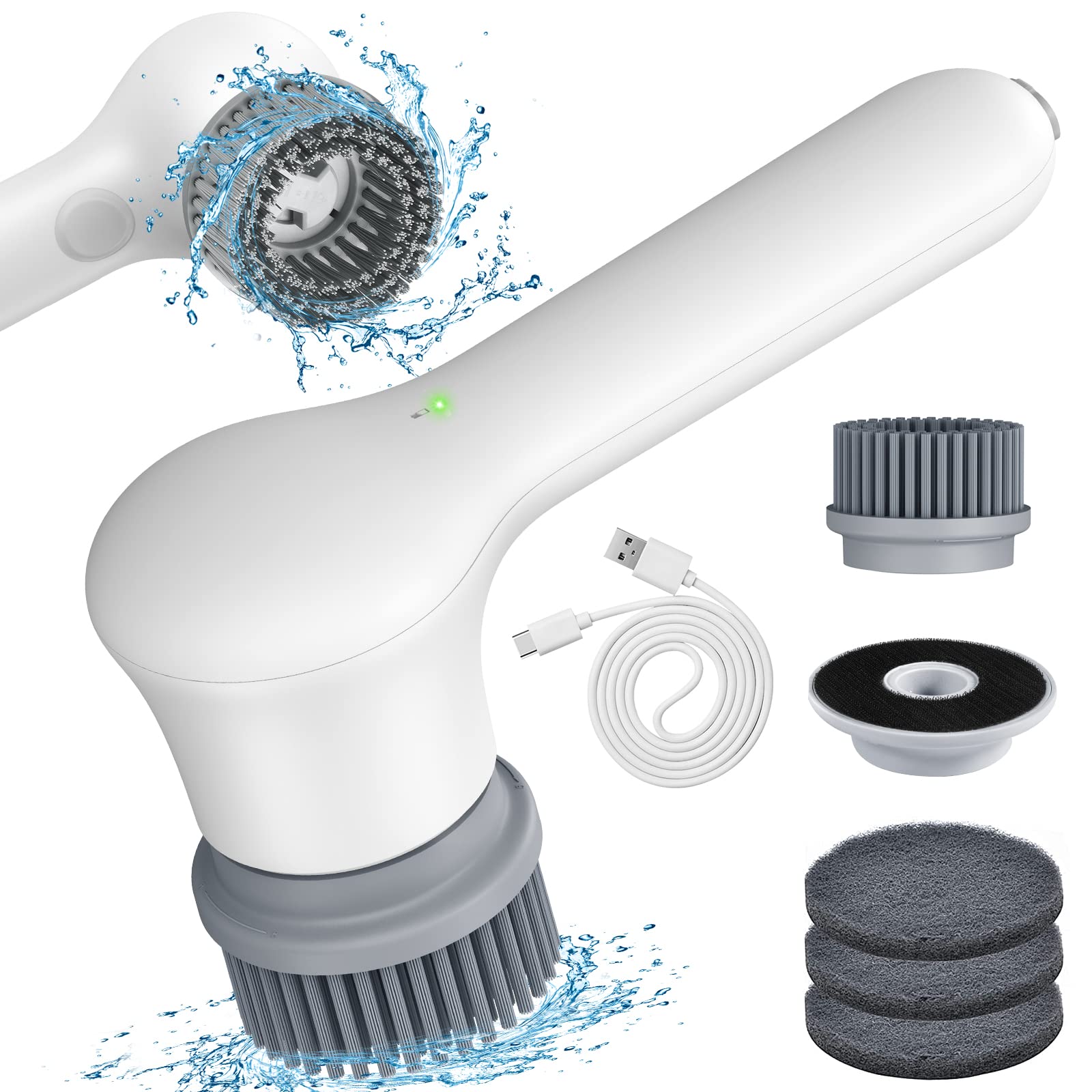
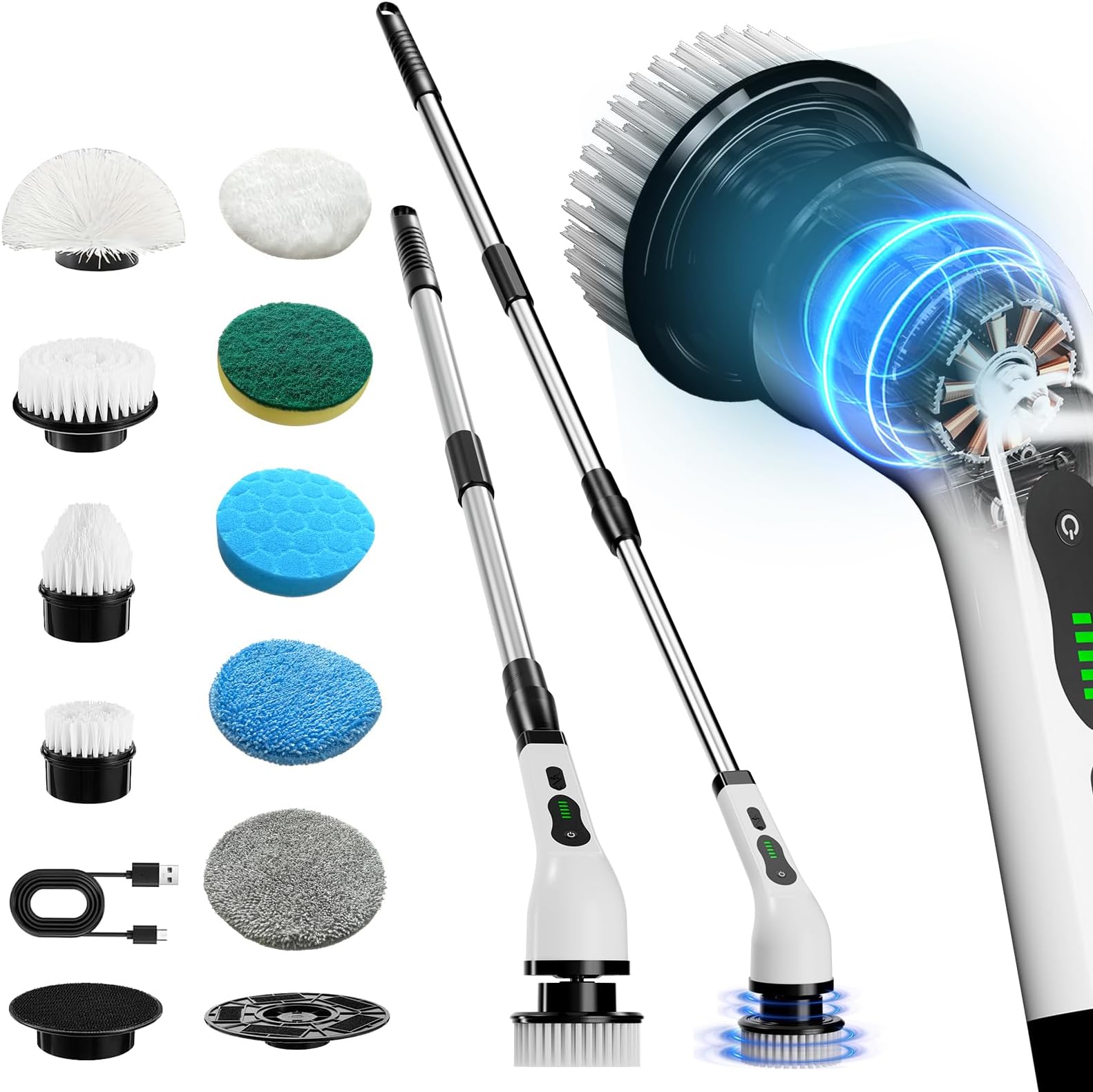
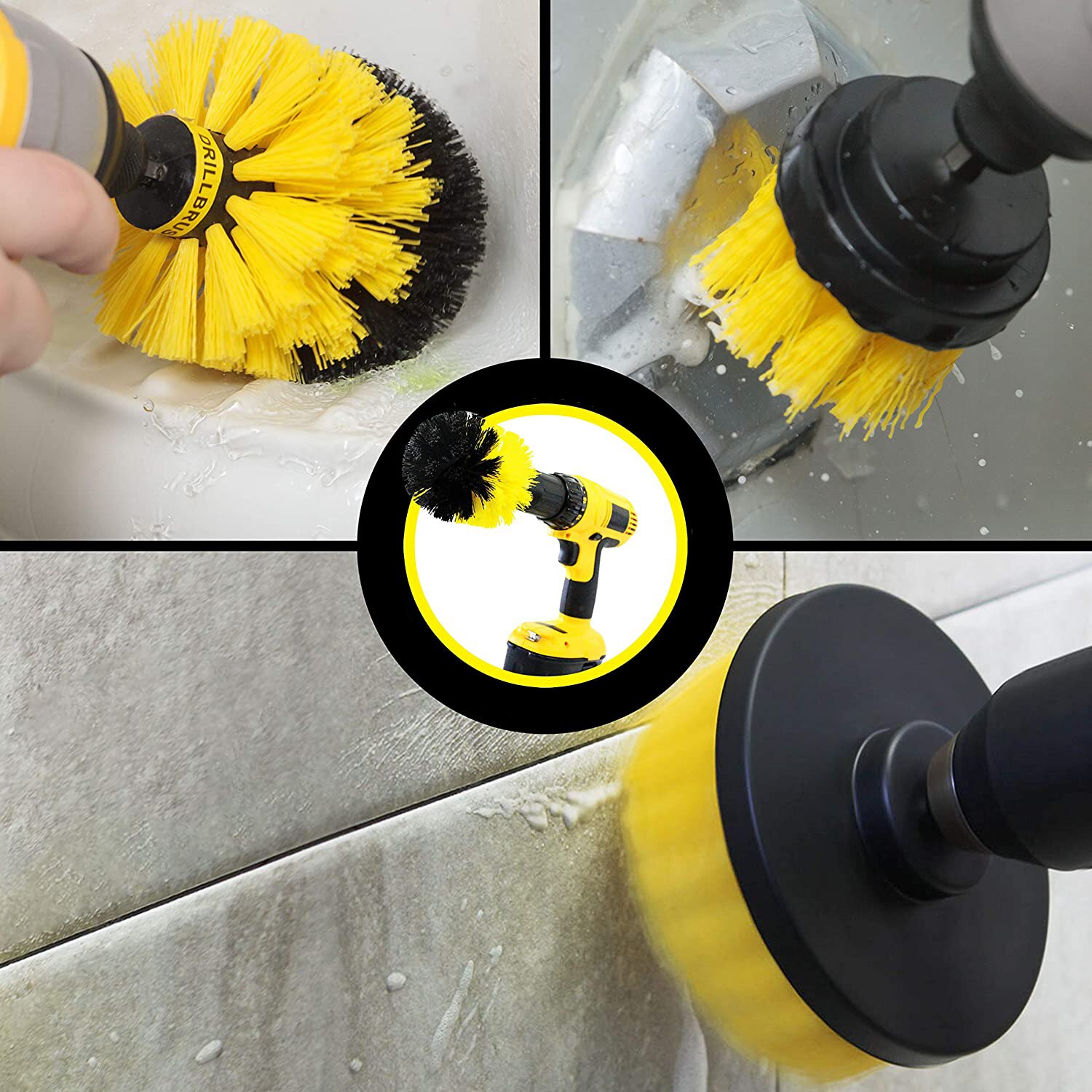
A power scrubber for home cleaning is a motorized handheld or extendable tool designed to reduce the physical exertion required for scrubbing surfaces like tile, grout, tubs, and baseboards. By automating the rotation or oscillation of a brush head, these devices provide consistent abrasive force, helping homeowners remove soap scum, mildew, and grime more efficiently than traditional manual scrubbing methods.
Understanding the Role of Power Scrubbers in Modern Maintenance
In 2026, home maintenance technology continues to emphasize efficiency and the reduction of repetitive physical labor. The power scrubber has transitioned from a niche industrial tool to a common household appliance, filling the gap between manual sponges and heavy-duty floor buffers. The primary utility of these devices lies in their ability to maintain a consistent torque and speed, which are essential for cleaning porous surfaces like grout lines where debris becomes embedded.
Choosing the right power scrubber requires an understanding of your specific cleaning requirements. If your goal is to tackle hard-water buildup on shower glass or deep-set stains on bathroom tile, the requirements shift from a lightweight handheld unit to a more robust, high-torque tool. Understanding the technical specifications—such as rotation per minute (RPM), battery chemistry, and IPX-level water resistance—is vital for ensuring the device will perform as expected in wet environments.
Technical Anatomy and Operational Requirements
The effectiveness of a power scrubber is determined by three core components: the motor, the battery system, and the interface (the brush head).
- The Motor and Gearbox: The motor provides the torque required to spin the bristles against resistance. High-quality scrubbers utilize planetary gear systems to translate motor rotation into a forceful, steady scrubbing action. If the motor is underpowered, the tool will stall the moment it makes contact with a surface, rendering the device useless.
- Battery and Power Management: Most modern scrubbers operate on lithium-ion (Li-ion) batteries. Because these devices are used in wet areas, the battery housing must be hermetically sealed. As of 2026, industry standards for cordless household tools emphasize 7.4V to 12V systems, which provide a balance between weight and run time.
- Brush Head Attachments: The utility of a scrubber is dictated by its versatility. Manufacturers typically provide a kit containing various attachments, such as flat brushes for large areas, cone brushes for corners, and abrasive pads for delicate surfaces. The material of the bristles—usually nylon—is optimized for durability against common household alkaline and acidic cleaners.
Criteria for Evaluating Performance
When reviewing these tools, performance is judged by three metrics: consistency, ergonomic handling, and ingress protection (IP ratings).
Consistency and Stall Force: A premium power scrubber should not stop spinning when downward pressure is applied. During testing, observers look for how the device handles "stalling," or the tendency of the motor to stop under load.
Ergonomics and Reach: Since many of these devices are used for extended periods, the weight distribution is critical. Extendable handles, common in newer models, must lock securely to prevent the pole from collapsing during use. The grip must be textured and slip-resistant, as the device will inevitably be coated in soap and water during operation.
Ingress Protection (IPX Ratings): A critical safety feature for any electric device used in a shower or tub is the IPX rating. An IPX7 rating indicates that the device can be submerged in water for a limited period without damage. This is a non-negotiable feature for safe, long-term operation in a bathroom environment.
Comparative Analysis of Power Scrubber Configurations
| Feature | Handheld Scrubber | Extendable Pole Scrubber |
|---|---|---|
| Ideal For | Sinks, tubs, kitchen counters | Showers, high walls, floors |
| Weight | Lightweight (under 1.5 lbs) | Moderate (2.5 - 4 lbs) |
| Reach | User-dependent | 3-5 feet of extension |
| Battery Life | 45-60 minutes | 60-90 minutes |
| Best Surface | Tight corners, faucets | Grout, floor tiles, tub basins |
Practical Guidance: Troubleshooting and Common Mistakes
Even with a high-performance power scrubber, common user errors can lead to premature wear or sub-optimal results.
Mistake 1: Excessive Pressure. Many users believe that pressing the brush into the surface harder will result in a deeper clean. In reality, modern motors are designed to operate at specific speeds. Excessive downward pressure increases the load on the motor, which can lead to overheating or rapid battery drainage. Let the brush head do the work by applying only light, guided pressure.
Mistake 2: Chemical Compatibility. Using heavy-duty acidic cleaners on a device not designed for such chemicals can corrode the brush bristles and the plastic housing. Always check the manufacturer's manual to ensure the chemicals you intend to use are compatible with the scrubber’s materials.
Troubleshooting Battery Issues: If your power scrubber fails to charge, first check for mineral buildup on the charging contacts. Because these tools are used in bathrooms, microscopic amounts of soap scum or hard water minerals can coat the metal charging pins, preventing current from flowing. A simple wipe-down with isopropyl alcohol usually resolves this issue.
Safety and Maintenance Guidelines
Safety remains paramount when operating electrical appliances near water. Ensure your power scrubber is fully charged before beginning a task to avoid "battery-low" stalls mid-clean. Never attempt to disassemble the motor housing, as this breaks the factory seal and exposes internal electronics to moisture, which is the primary cause of failure.
After each use, remove the brush head and rinse it thoroughly to prevent the buildup of bacteria and soap. Allow the device to air dry in a well-ventilated area. If you store the unit in a cabinet, ensure the battery is not stored in a fully discharged state for extended periods, as this can degrade the health of lithium-ion cells over time.
Frequently Asked Questions
Are power scrubbers safe to use on delicate surfaces like granite or marble? Generally, no. Most power scrubber brushes are fitted with nylon bristles that are too abrasive for natural stone, which can scratch easily. Use a microfiber attachment or a soft sponge instead, and always perform a spot test on an inconspicuous area.
How often should I replace the brush heads? Replace brush heads every 3 to 6 months, depending on the frequency of use. You will notice the bristles beginning to fray or "bloom" outwards, which indicates they have lost their structural integrity and abrasive efficiency.
Can these tools be used outdoors on patios? Yes, but you must ensure the model you choose is designed for such heavy-duty tasks. Outdoor grime usually requires a stiffer bristle brush. Ensure the device is rated for exterior use to avoid damage from debris or excessive moisture.
Do I need specialized cleaning agents with a power scrubber? No, you can use standard household cleaners. However, liquid-based cleaners are preferred over powders. Powdered cleaners can act as an abrasive paste that may prematurely wear down the gear mechanism inside the brush head connection.
What should I do if the unit vibrates excessively? Excessive vibration is often a sign of an improperly seated brush head. Turn off the device, remove the attachment, inspect the connection point for debris, and reattach it firmly. If vibration persists, the motor shaft may be compromised, and you should contact the manufacturer.
Conclusion and Next Actions
The decision to invest in a power scrubber should be based on the frequency and intensity of your cleaning tasks. If you are dealing with chronic bathroom grime or have large tiled areas, the time-saving benefits of a power scrubber make it a prudent purchase.
For the best results, verify that the unit you select meets the IPX7 water-resistance standard and includes a variety of brush types. Once purchased, prioritize proper storage and regular cleaning of the brush heads to maximize the life of the tool. If you currently face difficulty maintaining grout lines or have limited mobility that makes manual scrubbing painful, a cordless, extendable power scrubber is the recommended next step for your cleaning arsenal.