A path to a veterinary doctorate degree involves completing a bachelor’s degree with a heavy focus on biological sciences, followed by a four-year Doctor of Veterinary Medicine (DVM or VMD) program. Candidates must secure extensive clinical experience, pass the North American Veterinary Licensing Examination (NAVLE), and satisfy state-specific licensing requirements to practice professionally in the United States.
The Foundation: Undergraduate Preparation and Pre-Veterinary Requirements
The journey toward a veterinary doctorate begins long before one sets foot in a professional school. While most veterinary colleges do not require a specific undergraduate major, the vast majority of successful applicants pursue degrees in biology, animal science, zoology, or chemistry. This is because the prerequisite coursework is rigorous and heavily weighted toward the hard sciences.
In 2026, admissions committees continue to emphasize a holistic review process, but academic performance remains the primary gatekeeper. Most competitive programs require a minimum cumulative GPA of 3.5, with an even higher "Science GPA" calculated from core prerequisites. These prerequisites typically include:
- Biological Sciences: General biology, genetics, and microbiology, all with associated laboratory components.
- Chemistry: General chemistry, organic chemistry, and biochemistry. Biochemistry is often cited by students as one of the most challenging but critical courses for vet school preparation.
- Physics: Usually two semesters of general physics with labs.
- Mathematics: Calculus and statistics are standard requirements.
- Humanities and Social Sciences: English composition, psychology, and public speaking help ensure the candidate has the communication skills necessary for client-facing practice.
Beyond the classroom, aspiring veterinarians must demonstrate a commitment to the field through veterinary experience. This is distinct from "animal experience" (such as pet ownership or volunteering at a shelter). Veterinary experience specifically refers to hours spent working under the direct supervision of a licensed veterinarian. Most programs recommend or require between 200 and 500 hours of clinical experience, though many successful applicants 2026 have over 1,000 hours across multiple disciplines, such as small animal, equine, and food animal medicine.
Navigating the VMCAS Application Process
The Veterinary Medical College Application Service (VMCAS) is the centralized portal used by nearly all accredited veterinary colleges in the United States and many international institutions. Navigating this portal requires meticulous planning, as the application cycle typically opens in January and closes in September for the following year's fall intake.
The Personal Statement and Diversity of Experience
The personal statement is the candidate's opportunity to move beyond numbers and data. It should articulate a clear understanding of the profession, including its challenges, such as compassion fatigue and the complexities of public health. Admissions officers look for candidates who understand that veterinary medicine is as much about people as it is about animals.
Letters of Recommendation
VMCAS requires "Evaluations" from individuals who can speak to the applicant's professional and academic potential. Most schools require at least one letter from a licensed veterinarian and one from an academic professor. Choosing mentors who can provide specific anecdotes about the candidate's problem-solving skills and emotional intelligence is vital.
Standardized Testing Trends in 2026
By 2026, the Graduate Record Examination (GRE) has been phased out by a significant majority of veterinary colleges. Instead, many institutions have adopted the CASPer test, an online situational judgment test designed to assess non-cognitive skills such as empathy, ethics, and collaboration. Prospective students must verify the specific testing requirements for each target school, as these policies have shifted rapidly over the last several years.
The Doctor of Veterinary Medicine (DVM) Curriculum
Once admitted, students undergo a grueling four-year professional program. The curriculum is designed to transform a student with a basic science background into a clinical professional capable of diagnosing and treating multiple species.
Years One and Two: Foundational Sciences
The first two years are largely spent in the classroom and anatomy labs. Students study gross anatomy, which involves detailed dissections of dogs, horses, and cows. They also dive into physiology, histology, pharmacology, and immunology. Unlike medical school, where students focus on a single species, veterinary students must master the "comparative approach," learning the physiological differences between mammals, birds, and reptiles simultaneously.
Year Three: Bridging to Clinical Practice
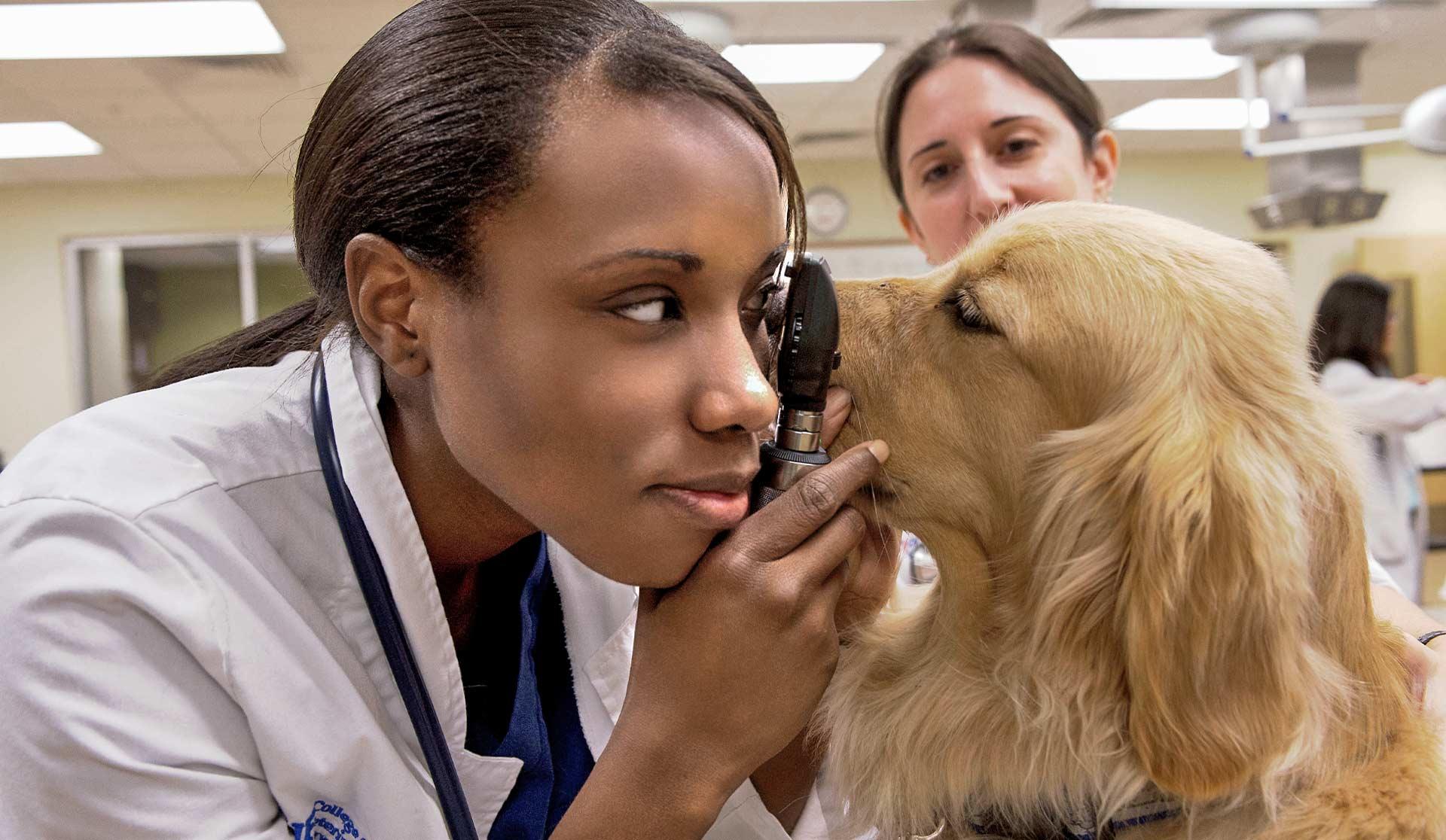
The third year introduces clinical skills and surgical techniques. Students learn how to perform physical exams, interpret diagnostic imaging (X-rays and ultrasound), and master basic surgical procedures like spaying and neutering. Coursework begins to focus more on specific organ systems and infectious diseases.
Year Four: Clinical Rotations and Externships
The final year of a veterinary doctorate is almost entirely clinical. Students rotate through various hospital services, including internal medicine, oncology, cardiology, and emergency surgery. This is also the time when students participate in externships, which are off-site clinical experiences that allow them to gain exposure to specific niches, such as wildlife rehabilitation, zoo medicine, or high-volume low-cost clinics.
Licensure and Post-Doctoral Requirements
Earning the DVM or VMD degree is a monumental achievement, but it does not grant the legal right to practice. To become a licensed veterinarian, graduates must pass the North American Veterinary Licensing Examination (NAVLE).
The NAVLE is a comprehensive, 360-question computer-based exam administered by the International Council for Veterinary Assessment (ICVA). It covers all domestic species and tests the candidate's ability to diagnose, treat, and manage health cases. In 2026, the pass rate remains high for graduates of accredited programs, but the exam is notoriously difficult, requiring months of dedicated preparation.
Following the NAVLE, veterinarians must apply for licensure in the specific state where they intend to practice. State requirements often include:
- A background check.
- A state jurisprudence exam (testing knowledge of local veterinary laws and ethics).
- Verification of graduation from an AVMA-accredited (American Veterinary Medical Association) college.
Internship and Residency
While many graduates go directly into general practice, those wishing to specialize must complete additional training. This usually starts with a one-year general internship, followed by a three-to-four-year residency in a specific field, such as surgery, dermatology, or ophthalmology. These specialists must then pass a rigorous "board exam" to become a Diplomate of their respective specialty college (e.g., DACVIM for internal medicine).
Financial Realities and Career Outlook in 2026
The cost of a veterinary doctorate is significant. As of 2026, the average total debt for a veterinary graduate often ranges between $180,000 and $250,000, depending on whether the student attended an in-state or out-of-state institution. This has led to an increased focus on financial literacy within the profession and the utilization of federal programs like Public Service Loan Forgiveness (PSLF) for those working in non-profit or government sectors.
Despite the debt load, the job market remains exceptionally strong. There is a nationwide shortage of veterinarians, particularly in rural areas and in food animal medicine. Starting salaries have seen a steady increase, with general practitioners often starting between $110,000 and $140,000, while specialists can earn significantly more.
| Requirement Category | Description | Recommended Benchmark |
|---|---|---|
| Prerequisite GPA | Cumulative and Science-specific grade average. | 3.5 or higher |
| Vet Experience | Hours worked under a licensed veterinarian. | 500+ hours |
| Animal Experience | General work with animals (farm, shelter, etc.). | 200+ hours |
| Centralized App | VMCAS submission deadline. | September (Year prior) |
| Licensing Exam | North American Veterinary Licensing Exam (NAVLE). | Passed in 4th Year |
| Soft Skills Test | CASPer or other situational judgment assessments. | Institution-dependent |
Frequently Asked Questions
Do I need a master's degree before applying for a DVM program?
No, a master’s degree is not required. Most students apply during their final year of undergraduate studies or after a few gap years. However, for students with a lower undergraduate GPA, a master’s degree in a hard science can serve as a "post-baccalaureate" way to demonstrate academic readiness for the rigors of veterinary school.
Can I become a veterinarian if my degree is from a different country?
Yes, but the process is more complex if the school is not accredited by the AVMA Council on Education. Graduates of non-accredited foreign schools must typically complete a certification program, such as the PAVE (Program for the Assessment of Veterinary Education Equivalence) or the ECFVG (Educational Commission for Foreign Veterinary Graduates), which involves clinical proficiency exams.
What is the difference between a DVM and a VMD?
There is no functional difference. DVM stands for Doctor of Veterinary Medicine, while VMD stands for Veterinariae Medicinae Doctoris. The VMD is exclusively awarded by the University of Pennsylvania, reflecting its historical roots as a medical school-based program. Both degrees carry the same legal weight and licensing privileges.
How competitive is veterinary school admission in 2026?
Veterinary school remains one of the most competitive graduate paths in the United States. There are only 33 accredited veterinary colleges in the U.S., compared to over 150 medical schools for humans. The acceptance rate nationally often hovers around 10-15%, making early preparation and a diverse portfolio of experience essential.
Are there accelerated paths to a veterinary doctorate?
Some universities offer "3+4" programs, where students are admitted to the veterinary college after three years of undergraduate study. If accepted, the student's first year of vet school counts as their final year of undergraduate study, allowing them to earn their doctorate in seven years instead of the traditional eight.
Strategic Recommendations for Future Candidates
For those currently aiming for a veterinary doctorate, the most effective strategy is early diversification. Do not focus solely on small animal clinical work. Admissions committees in 2026 value "One Health" awareness—the understanding of the link between animal health, human health, and the environment. Gaining experience in public health, research, or large animal agriculture can make an application stand out in a sea of applicants who have only worked in traditional companion animal clinics.
Furthermore, focus on developing resilience. The path is long and academically taxing. Building a strong support network and practicing mental wellness early on will prepare you for the emotional demands of clinical rotations and the professional responsibilities that follow graduation. Start by shadowing in various environments to ensure this multi-faceted profession aligns with your long-term goals.