A gentle diet for gastritis focuses on low-acid, low-fat, and non-spicy foods to reduce irritation of the stomach lining. By prioritizing easily digestible carbohydrates, lean proteins, and cooked vegetables, patients can manage inflammation, alleviate symptoms like bloating and burning, and support the long-term healing of the gastric mucosa through controlled nutrient intake.
Understanding Gastritis and the Necessity of a Gentle Diet
Gastritis is characterized by the inflammation, irritation, or erosion of the protective lining of the stomach, known as the gastric mucosa. This lining is responsible for producing the mucus that protects the stomach wall from the highly acidic digestive juices required to break down food. When this barrier is weakened or damaged, the stomach acid causes further injury, leading to symptoms such as gnawing pain, nausea, vomiting, and a feeling of fullness after eating only a small amount. In 2026, clinical approaches emphasize that while medication like proton pump inhibitors (PPIs) are common, nutritional intervention remains the cornerstone of successful recovery.
A "gentle diet," often referred to in clinical settings as a bland diet, is designed to give the digestive system a "rest." By removing mechanical irritants (like tough fibers) and chemical irritants (like capsaicin or caffeine), the body can redirect its energy toward cellular repair. This diet is not merely about what to avoid; it is a proactive strategy to ensure the patient receives adequate vitamins and minerals without triggering the "acid pump" mechanism excessively. Understanding the physiology of digestion is key: certain foods stay in the stomach longer (high fats) or stimulate more acid production (alcohol and caffeine), both of which are detrimental during a gastritis flare-up.
Core Principles of Dietary Management for Gastritis
The primary goal of a gentle diet is to minimize the workload on the stomach. This involves more than just selecting the right ingredients; it encompasses how food is prepared and consumed. Smaller, more frequent meals are generally preferred over three large ones. When the stomach is distended by a large volume of food, it produces more hydrochloric acid and puts physical pressure on the inflamed tissue. Aiming for five to six small feedings throughout the day helps maintain stable energy levels without overwhelming the gastric environment.
Temperature also plays a significant role in gastric comfort. Foods that are extremely hot or ice-cold can cause spasms in the esophageal and gastric muscles. Consuming meals at a lukewarm or "room temperature" level is often the most soothing for patients in the acute phase of the condition. Additionally, the mechanical breakdown of food begins in the mouth. Patients are encouraged to chew thoroughly, essentially "pre-digesting" the food with salivary enzymes, which reduces the amount of churning the stomach must perform.
Foods to Prioritize: The Building Blocks of Healing
When constructing a meal plan, the focus should be on high-pH (alkaline-leaning) or neutral foods that do not require significant acid for breakdown. These foods should be nutrient-dense to prevent the fatigue often associated with restrictive therapeutic diets.
Easily Digestible Carbohydrates
Grains serve as the primary energy source in a gentle diet. However, during a flare-up, high-fiber whole grains can be too abrasive. White rice, cream of wheat, and refined sourdough bread are often tolerated better than their high-bran counterparts. As the inflammation subsides, patients can transition to "soft" fibers like oatmeal. Oats contain beta-glucan, a type of soluble fiber that forms a gel-like consistency in the digestive tract, potentially providing a protective coating for the stomach lining.
Lean Protein Sources
Protein is essential for tissue repair, but many protein sources are accompanied by high fat content, which slows gastric emptying. Patients should focus on skinless poultry (chicken or turkey), white fish (such as cod, tilapia, or flounder), and eggs. Preparation is vital: these should be poached, boiled, or baked without added oils or butter. Plant-based proteins like silken tofu are also excellent choices because of their soft texture and low-fat profile.
Gastritis-Friendly Fruits and Vegetables
While many fruits are acidic, some provide necessary antioxidants without the irritation. Bananas are a staple of the gentle diet because they are soft and contain pectin. Melons (honeydew, cantaloupe, and watermelon) are also generally safe due to their high water content and low acidity. When it comes to vegetables, the rule of thumb is to cook them until they are fork-tender. Carrots, squash, pumpkin, and skinned potatoes are highly recommended. Cooking breaks down the cellulose fibers that would otherwise require heavy mechanical digestion.
Foods to Avoid: Identifying Gastric Irritants
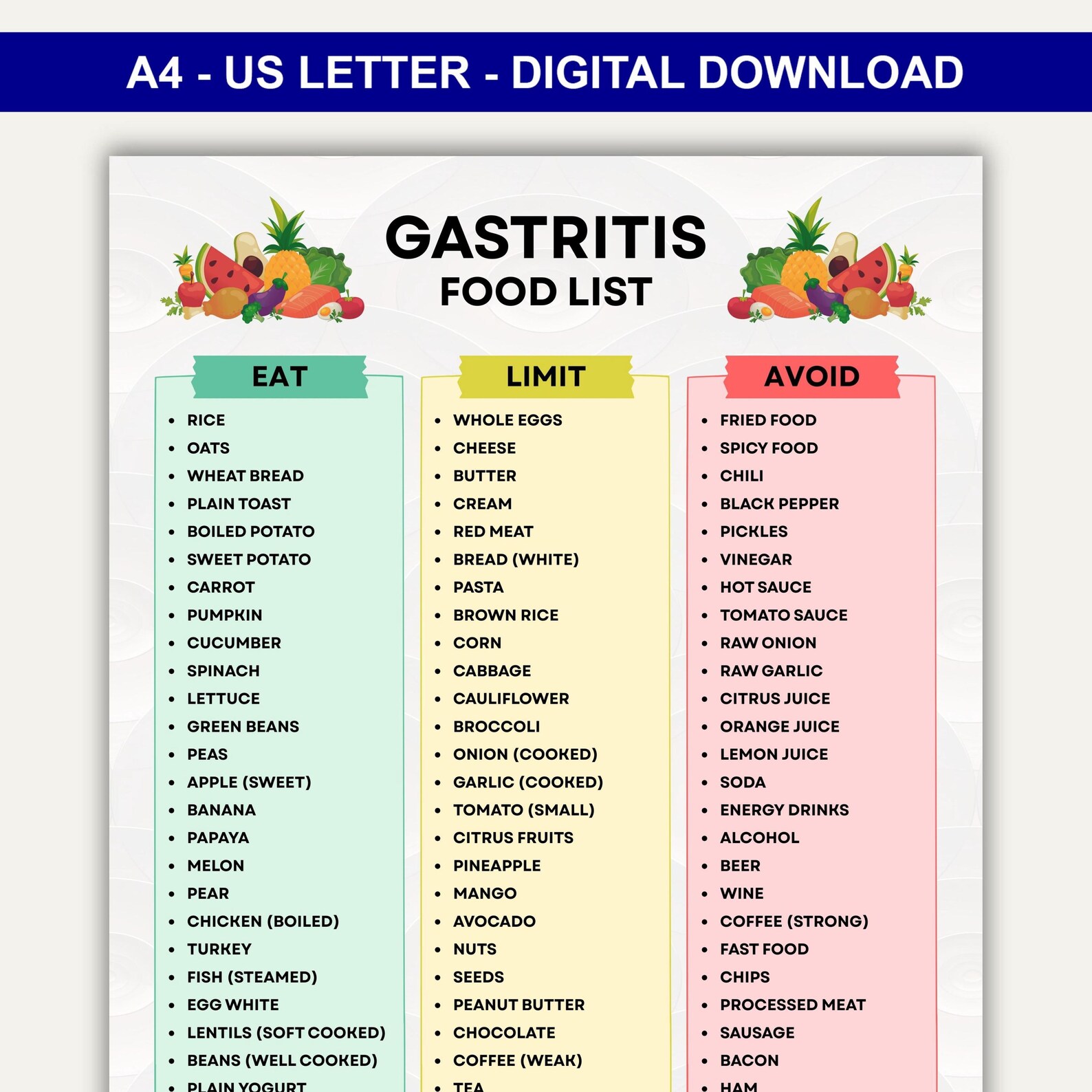
Removing triggers is often more impactful than adding "superfoods." Irritants can be classified into chemical, mechanical, and thermal categories. In 2026, research continues to support the total elimination of certain substances during the healing phase.
- Spices and Aromatics: Capsaicin, found in chili peppers, directly irritates the mucosa. Similarly, while garlic and onions have health benefits, they often cause reflux and discomfort in gastritis patients. Black pepper and mustard should also be avoided.
- High-Acid Foods: Citrus fruits (lemons, limes, oranges, grapefruits) and tomato-based products (sauces, pastes, juices) have a low pH that can exacerbate the "burning" sensation of gastritis.
- High-Fat and Fried Foods: Fats require the hormone cholecystokinin (CCK) for digestion, which slows down the movement of food out of the stomach. The longer food sits in the stomach, the more acid is produced. This includes deep-fried foods, fatty cuts of red meat, and full-fat dairy like heavy cream or aged cheeses.
- Caffeine and Alcohol: Both substances stimulate the gastrin hormone, which in turn increases gastric acid secretion. Even decaffeinated coffee can be acidic enough to cause issues for sensitive patients.
7-Day Sample Gentle Diet Meal Plan
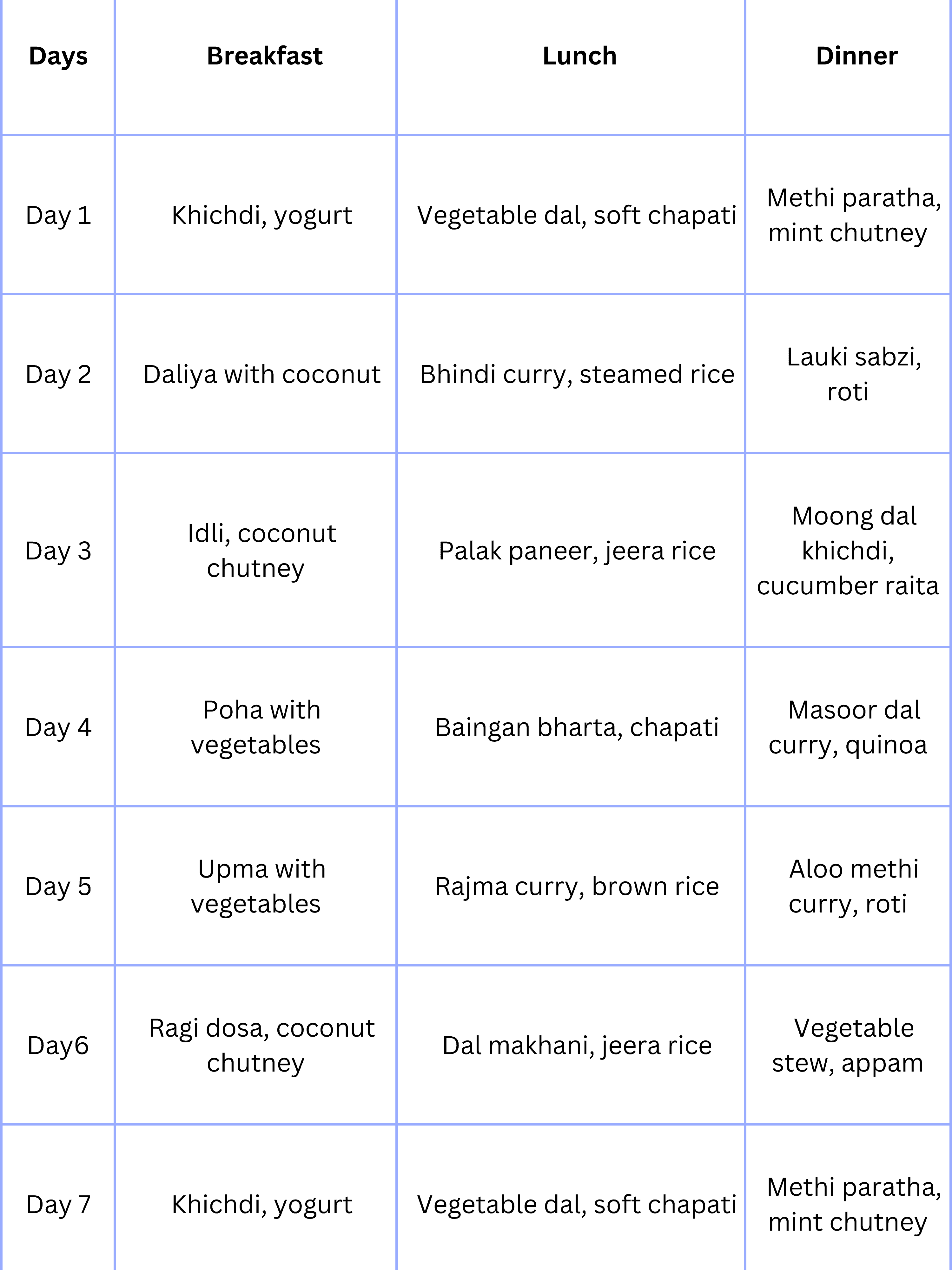
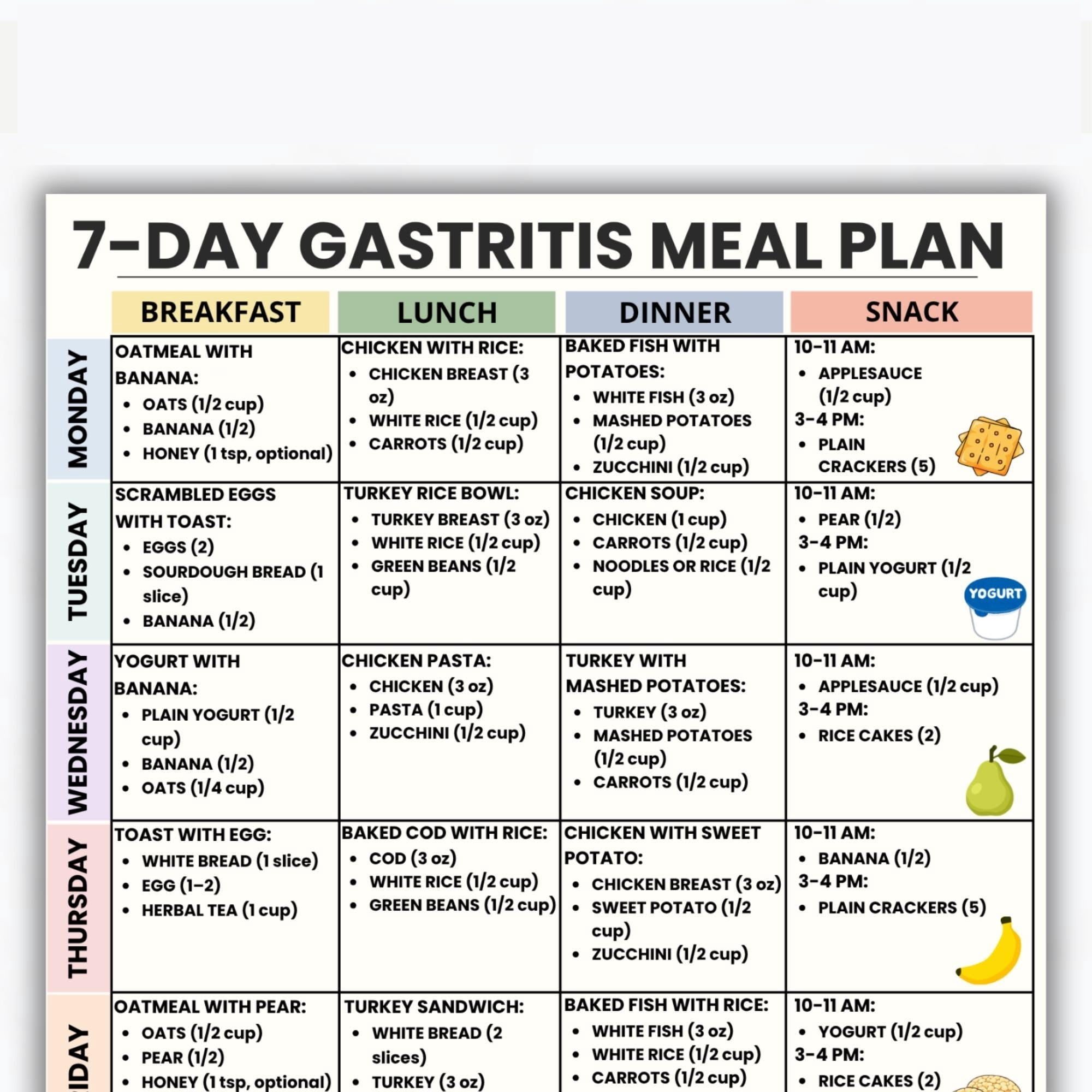
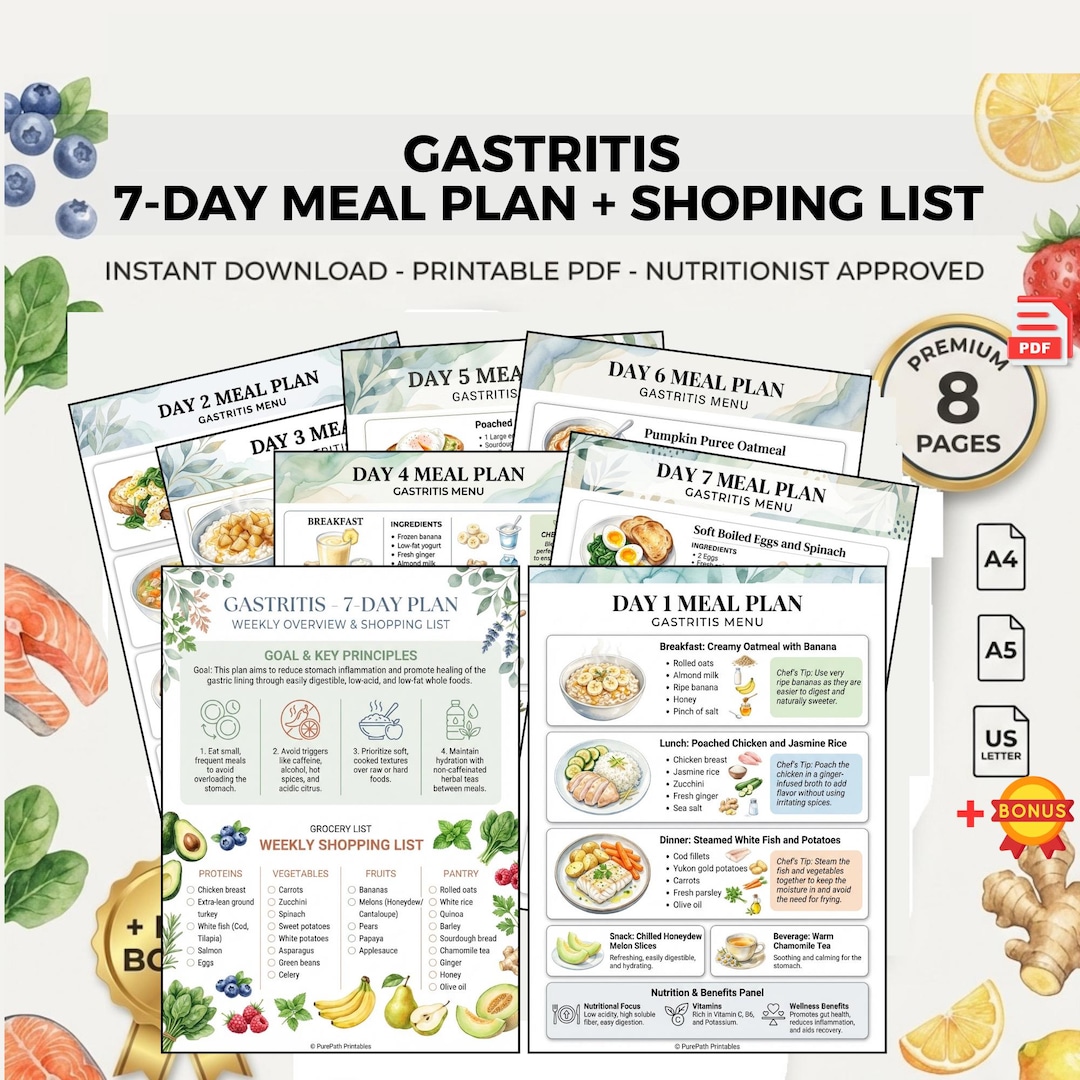
The following table provides a structured approach to a week of gentle eating. This plan assumes the patient is in a sub-acute phase, transitioning from liquids to soft solids.
| Day | Breakfast | Mid-Morning Snack | Lunch | Afternoon Snack | Dinner |
|---|---|---|---|---|---|
| Day 1 | Plain oatmeal with a mashed banana | Applesauce (unsweetened) | Boiled chicken breast with white rice | Low-fat yogurt (plain) | Steamed white fish and boiled carrots |
| Day 2 | Two poached eggs on white toast | A slice of honeydew melon | Cream of potato soup (no dairy/low fat) | Rice crackers | Silken tofu with steamed zucchini (no skin) |
| Day 3 | Cream of wheat with a drizzle of honey | Soft-boiled egg | Baked turkey slices with mashed squash | Banana | Poached salmon and white rice |
| Day 4 | Toasted sourdough with a small amount of avocado | Pear slices (peeled and very ripe) | Chicken noodle soup (low sodium, soft noodles) | Low-fat cottage cheese | Baked potato (no skin) with plain yogurt |
| Day 5 | Rice porridge (Congee) with ginger | Cantaloupe wedges | Steamed cod with mashed sweet potato | Applesauce | Ground turkey sautéed in water with soft carrots |
| Day 6 | Plain pancakes (no syrup, or use a tiny amount of honey) | Low-fat yogurt | Vegetable broth with soft-cooked rice | Banana | Boiled chicken with well-cooked green beans |
| Day 7 | Scrambled eggs (no butter) | Rice crackers | Mashed butternut squash and lean ham | Ripe pear | Steamed fish with white rice and pumpkin puree |
Advanced Considerations: Supplements and Hydration
While diet is the primary focus, supplementary support can play a role in mucosal health. In 2026, the use of Deglycyrrhizinated Licorice (DGL) is often discussed as a way to support the mucus lining of the stomach without the side effects of traditional licorice. Similarly, Zinc-Carnosine has been studied for its ability to adhere to gastric sores and promote localized healing. However, these should only be used under the guidance of a healthcare provider.
Hydration is equally critical. Drinking large amounts of water during a meal can dilute digestive enzymes and increase stomach volume. It is often better to sip water between meals. Herbal teas, such as chamomile or ginger tea, can be soothing. Ginger is particularly noted for its prokinetic properties, meaning it helps the stomach empty more efficiently, though it should be used in moderation to ensure it doesn't cause a "warming" irritation.
The Role of Lifestyle in Diet Success
A gentle diet plan is most effective when paired with stress management and proper sleep hygiene. The gut-brain axis is a well-documented pathway; stress can lead to increased acid production and decreased blood flow to the gastric lining, hindering repair. Techniques such as diaphragmatic breathing before meals can prime the nervous system for "rest and digest" mode.
Furthermore, patients should avoid lying down for at least two to three hours after eating. Gravity helps keep stomach contents—and acid—where they belong. Elevating the head of the bed can also prevent nocturnal reflux, which often complicates chronic gastritis cases.
Transitioning Back to a Regular Diet
Healing from gastritis is not a linear process, and the transition back to "normal" food must be handled with care. Once a patient has been symptom-free for several weeks on the gentle diet, they may begin introducing one "challenge" food at a time. For example, one might introduce a small amount of fiber-rich vegetable or a slightly more acidic fruit.
If symptoms like epigastric pain or nausea return, it is a sign that the mucosa has not fully recovered, and the patient should return to the stricter gentle diet for another week. Monitoring progress through a food diary is highly recommended to identify specific personal triggers that may not be universal.
Frequently Asked Questions
Can I eat dairy products on a gentle diet for gastritis?
Low-fat dairy is generally acceptable for many, but it depends on individual tolerance. Plain, low-fat yogurt and cottage cheese are often well-tolerated and provide probiotics and protein. However, high-fat dairy like butter, heavy cream, and aged cheeses should be avoided as they slow digestion and increase acid production.
Is coffee completely forbidden during the healing phase?
For most patients with active gastritis, yes. Both the caffeine and the natural oils/acids in coffee are significant triggers. Even decaf coffee can stimulate acid secretion. If you must have a warm beverage, chamomile tea or very weak, non-acidic herbal infusions are safer alternatives until the lining has healed.
How long should I stay on a gentle diet?
The duration depends on whether the gastritis is acute or chronic. Acute gastritis may resolve in one to two weeks of strict dietary adherence. Chronic gastritis requires a more prolonged approach, often lasting several months, followed by a very slow reintroduction of moderate-acid foods. Always follow the timeline provided by your gastroenterologist.
Why are raw vegetables excluded from the diet?
Raw vegetables contain high amounts of insoluble fiber, which is mechanically difficult for an inflamed stomach to process. The physical "scraping" of raw stalks and leaves against an eroded stomach lining can cause pain and delay healing. Steaming or boiling vegetables softens these fibers, making them safe to consume.
Are there any specific seasonings I can use to flavor my food?
While spicy and pungent seasonings are out, you can use mild herbs like parsley, dill, and cilantro in moderation. Small amounts of salt are usually fine, and ginger can be used for flavor and its anti-nausea properties. Avoid garlic powder, onion powder, and all types of pepper during the flare-up.
Next Actions for Gastritis Management
For those currently suffering from gastritis, the immediate next step is to simplify your intake. Start by adopting the "white food" rule for 48 hours—focusing on white rice, white bread, and steamed white fish—to allow the initial inflammation to subside. Concurrently, consult with a healthcare professional to determine the underlying cause of your gastritis, such as an H. pylori infection or the use of certain medications, as the diet is most effective when the root cause is also being treated. Maintain a detailed food and symptom journal to track your progress and share this data with your medical team for a more personalized recovery plan.