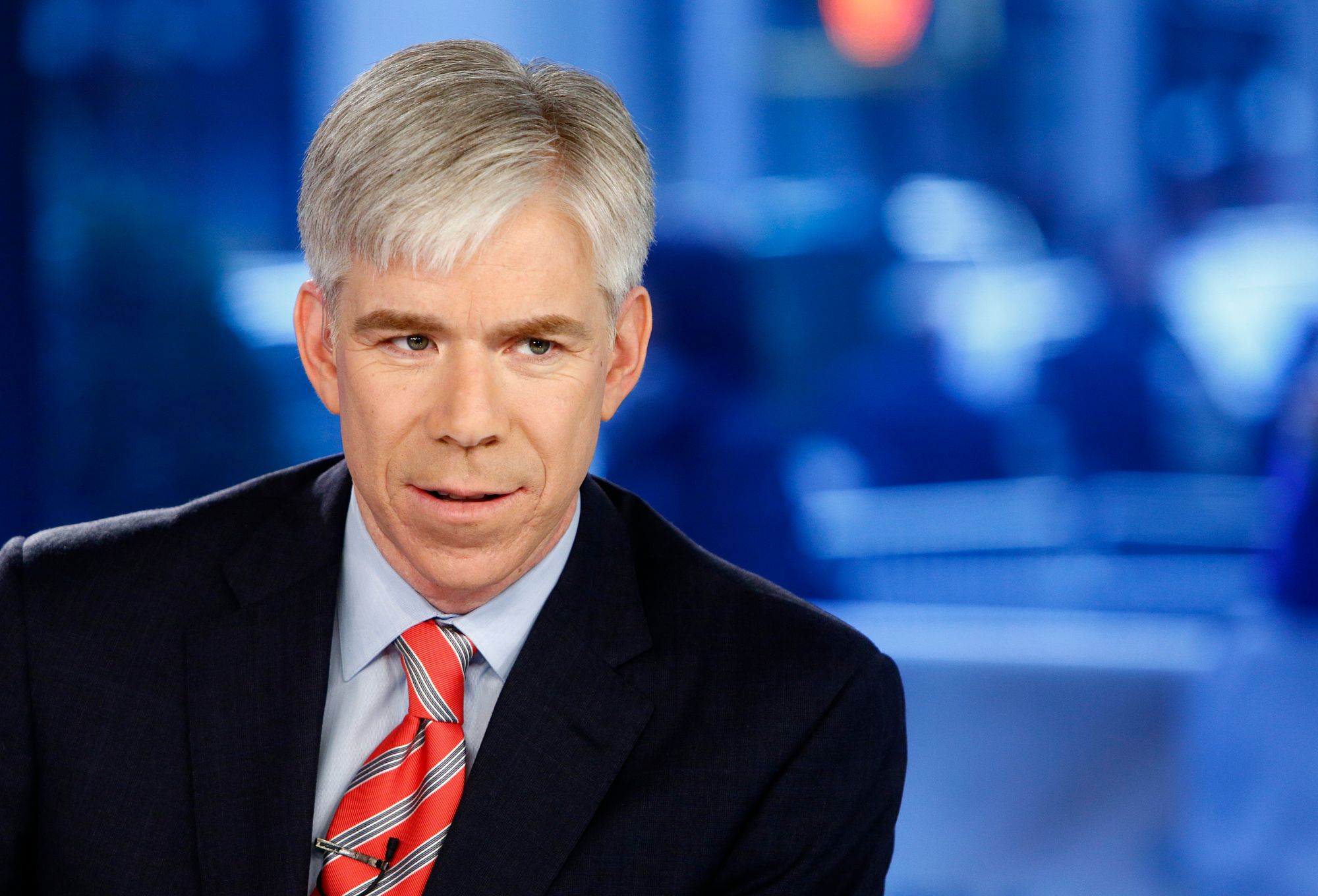
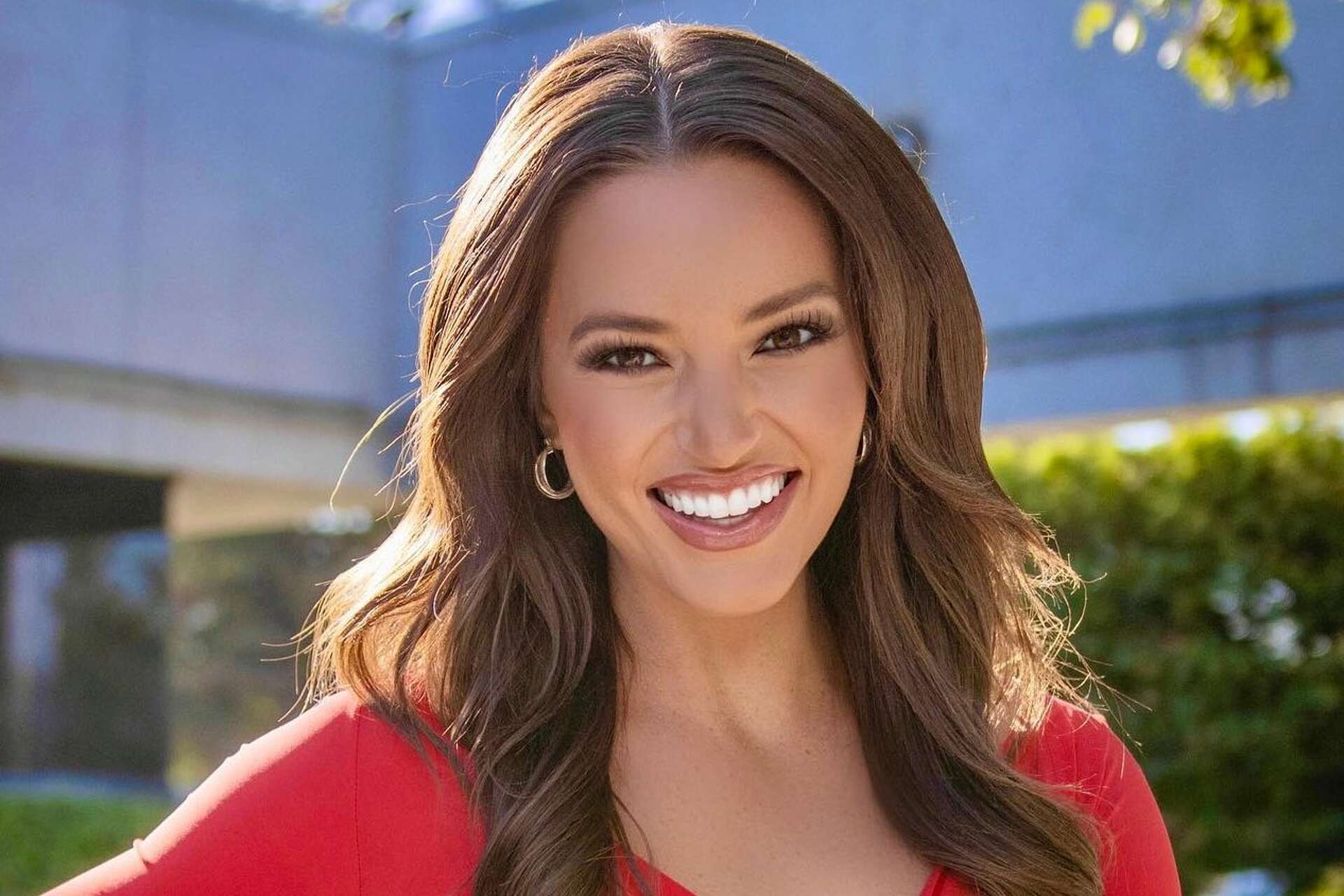
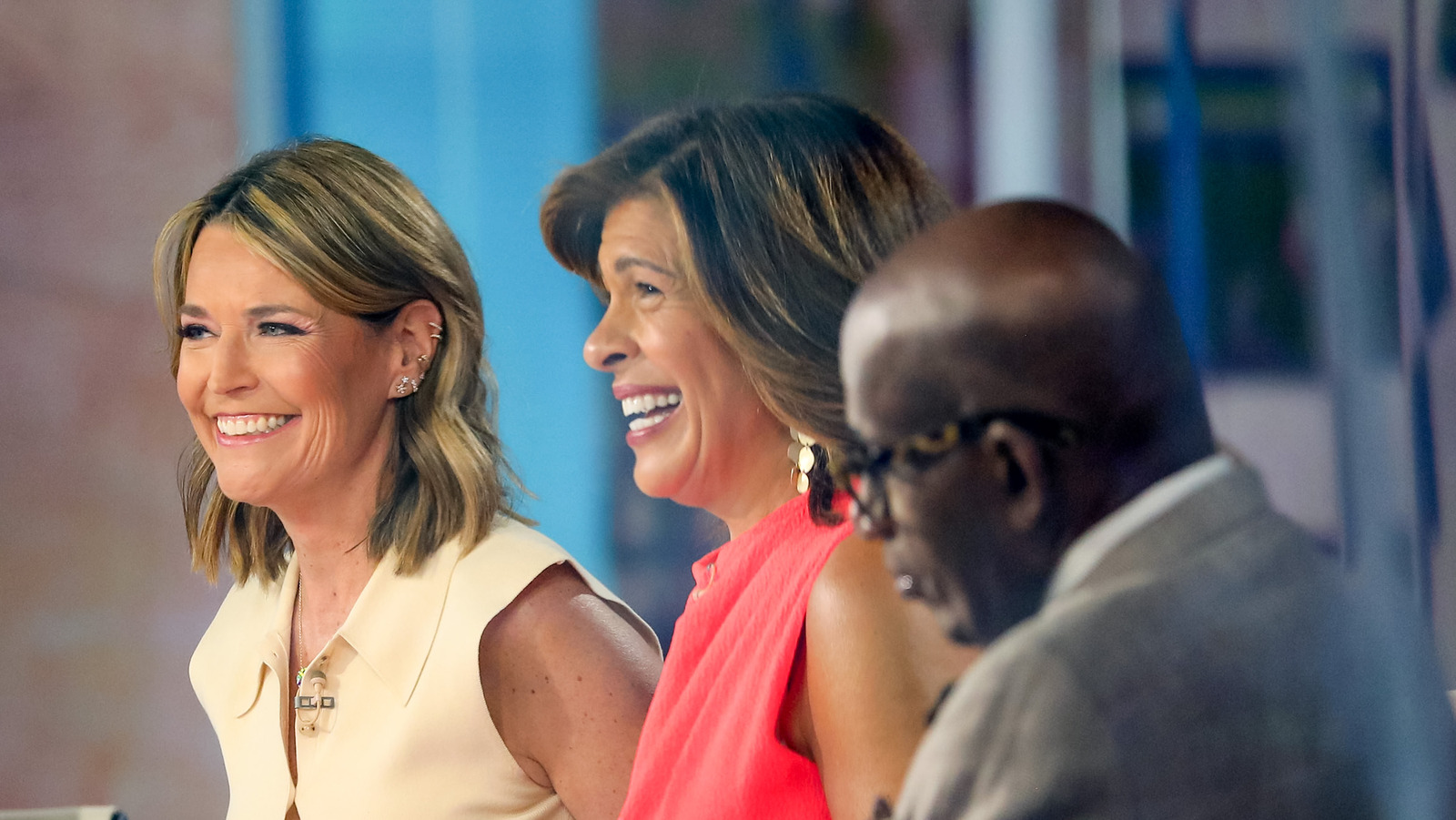
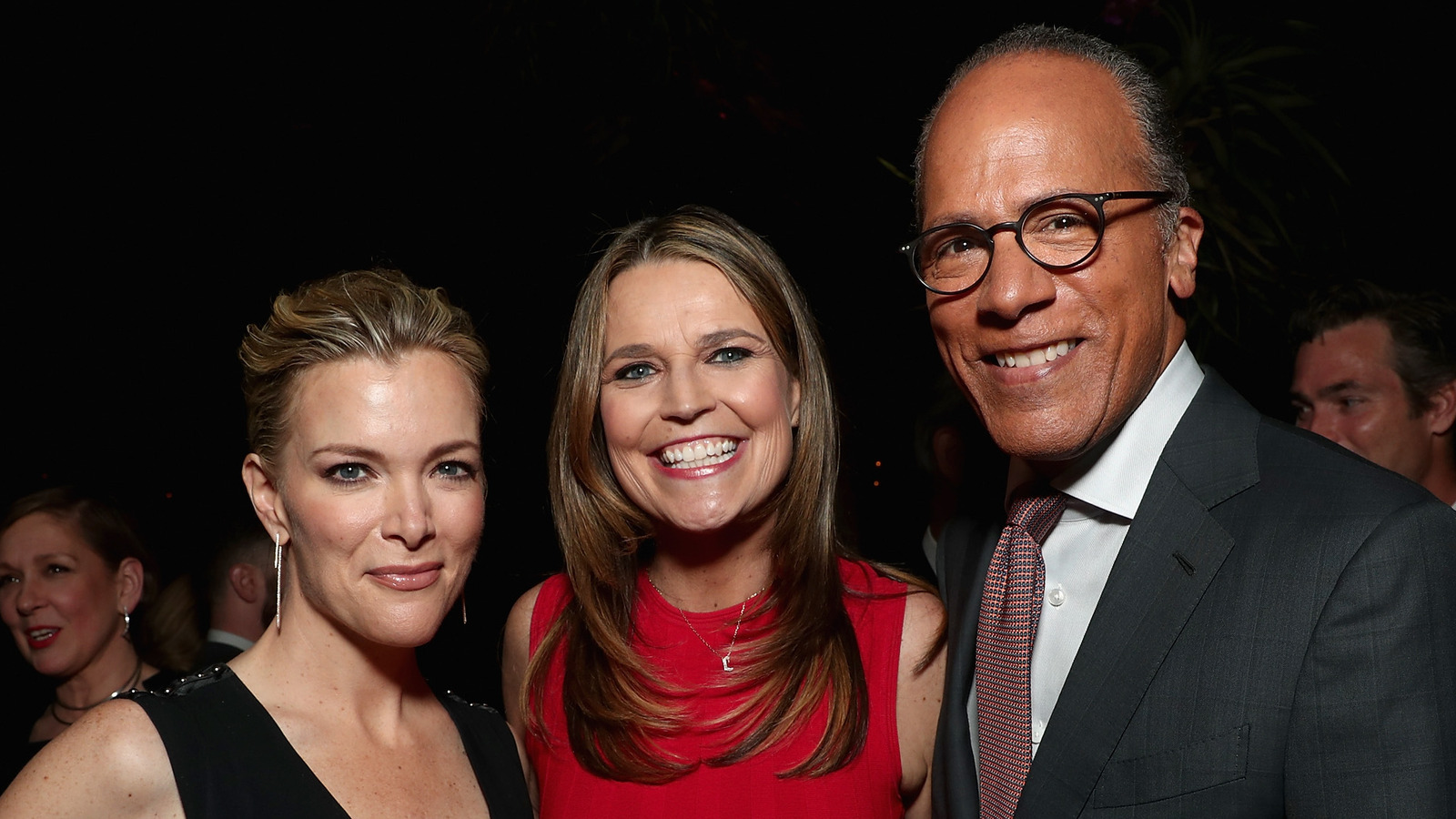
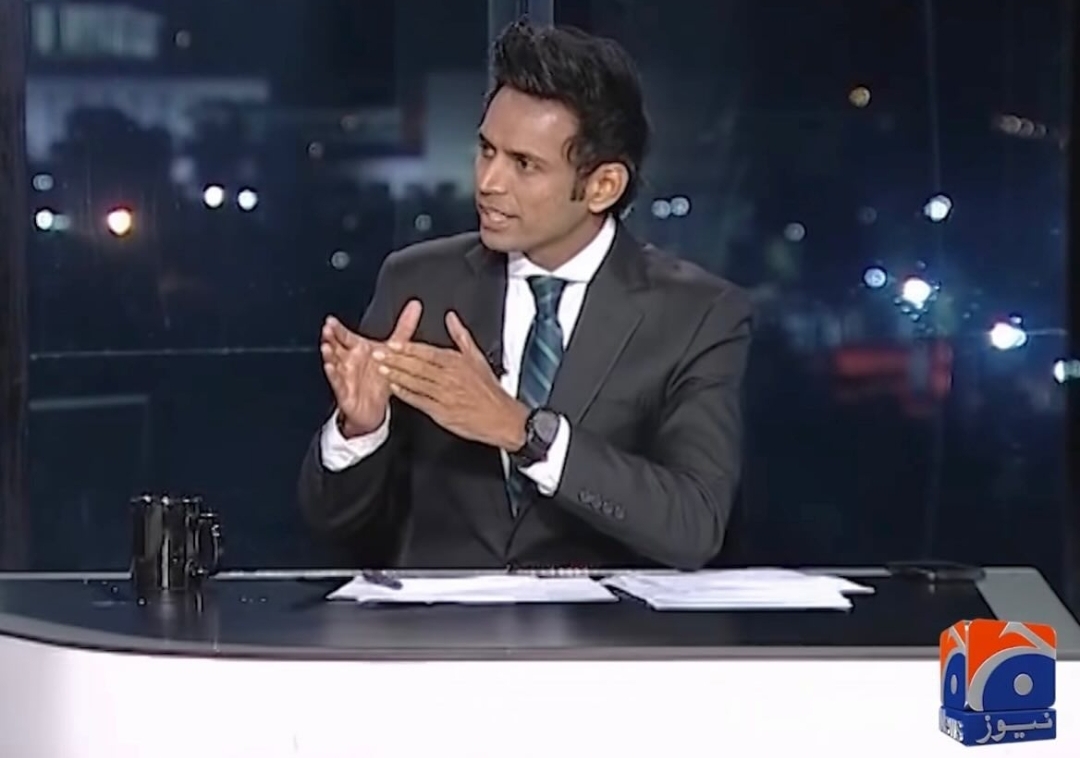
A day in the life of a famous news anchor involves an intensive 12-to-14-hour cycle of editorial meetings, deep-dive research, physical preparation, and high-pressure live broadcasting. Far from just "reading the news," these professionals serve as managing editors who shape the day’s narrative while maintaining a constant digital presence in a 24/7 media landscape.
The role of a national news anchor in 2026 is a complex hybrid of journalist, performer, and brand ambassador. While the public sees a polished professional in a well-lit studio, the reality is a grueling schedule that demands mental acuity, emotional resilience, and a near-obsessive attention to detail. Whether they are helming a morning show or the evening news, the structure of their day is designed to transform raw information into a coherent, credible broadcast.
The Pre-Dawn Start: Research and Editorial Alignment
For many famous news anchors, the day begins long before the sun rises—or late in the evening, depending on their "slot." The cycle never truly stops. By 4:00 AM, a morning anchor is already scanning the wires of major news organizations like the Associated Press (AP) and Reuters to identify shifts in global stories that occurred overnight.
The First Editorial Meeting
The first formal touchpoint is the "pitch meeting." Here, the anchor meets with executive producers, scriptwriters, and segment producers. In 2026, these meetings are often assisted by AI-driven sentiment analysis tools that track what the audience is engaging with in real-time. However, the anchor’s role is to provide the "human gut check." They aren't just looking for what’s popular; they are looking for what is significant.
During this hour, the anchor argues for specific angles on a story. A famous anchor carries enough clout to challenge a producer’s direction, ensuring the broadcast aligns with their personal journalistic brand. They review the "rundown"—a chronological spreadsheet of every second of the upcoming broadcast—noting where interviews will occur and where "packages" (pre-recorded reports) will be inserted.
Deep-Dive Script Reviewing
By 6:00 AM, the first drafts of the scripts are ready. A common misconception is that anchors simply read what is written for them. In reality, a seasoned anchor "massages" the copy. They rewrite leads to fit their natural speaking cadence and ensure the tone is appropriate for the gravity of the news. This stage is critical for fact-checking; an anchor’s reputation is their most valuable asset, and a single unverified claim can cause irreparable damage to their credibility.
The Mid-Day Hustle: Interviews and Content Curation
As the morning progresses, the focus shifts from planning to execution. This period is often the most physically and mentally taxing part of the day, as it requires moving between different modes of communication.
Conductive Pre-Interviews and Briefings
If the evening broadcast features a high-profile politician or a corporate whistleblower, the anchor spends several hours in "prep." This involves reading briefing books prepared by research teams. They must understand the nuances of a guest’s past statements, the technicalities of a new law, or the historical context of a foreign conflict.
In 2026, newsrooms utilize advanced data visualization tools. An anchor must learn how to interact with these digital elements—such as augmented reality (AR) charts—during the broadcast. Practicing these "walk-and-talk" segments ensures that the technical complexity doesn't distract from the information being delivered.
Field Reporting and Specials
Famous anchors aren't always tethered to the desk. On any given Tuesday, they might spend the afternoon recording voiceovers for an upcoming documentary or conducting an on-location interview. This "field work" is essential for maintaining their status as a "boots-on-the-ground" journalist rather than just a "talking head." It adds a layer of authenticity that is vital for audience retention in a fragmented media market.
The Physical Transformation: Wardrobe and "High-Def" Ready
By mid-afternoon, the transition from journalist to public figure begins. The technical requirements of modern broadcasting—specifically 8K resolution and high-dynamic-range (HDR) imaging—make the "look" of an anchor a matter of technical precision.
- Makeup and Hair: This is not a luxury; it is a necessity. Studio lights are incredibly bright and hot, which can wash out features or cause shine. Professional artists use specialized products designed for high-definition cameras to ensure the anchor looks consistent from the first minute to the last.
- Wardrobe Selection: Most famous anchors work with stylists to maintain a professional wardrobe that avoids "strobing" patterns (fine stripes or checks that vibrate on screen). The colors are often chosen based on the set’s color palette to ensure the anchor stands out without clashing.
- The IFB and Comms: Before hitting the set, the anchor is "wired up." This involves the IFB (Interruptible Foldback), a small earpiece through which the producer can speak directly to the anchor during the live show. They also carry a battery pack for their lavalier microphone, often tucked into a specialized holster.
The "Showtime" Sequence: The Live Broadcast Experience
The 60 to 90 minutes of a live broadcast are a masterclass in controlled chaos. While the anchor appears calm, they are simultaneously listening to three different inputs: the producer in their ear, the guest sitting across from them, and their own internal clock.
Managing the "Voice in the Ear"
The producer uses the IFB to give time cues ("We need to wrap this in 10 seconds") or to alert the anchor to breaking news ("We are dropping the next segment; go straight to the Pentagon correspondent"). The ability to continue a coherent sentence while receiving instructions in one ear is a skill that takes years to master.
Navigating the Teleprompter
While the teleprompter provides the script, it is not a crutch. A famous anchor must know the material well enough to handle a teleprompter failure—a frequent occurrence in live TV. If the prompter freezes, the anchor must seamlessly transition to their physical scripts (the "blue sheets" or digital tablets on the desk) without the audience noticing the hiccup.
Ad-Libbing During Breaking News
The true test of a famous anchor comes during "wall-to-wall" breaking news. When a crisis occurs, the scripts vanish. The anchor must rely on their deep well of knowledge and experience to provide context for hours on end, often with very little confirmed information. This requires a balance of being first to report and being responsible enough to say, "We don't know that yet."
Post-Show Analysis and the 24/7 Digital Presence
Once the "on-air" light goes dark, the day is far from over. In the modern era, the broadcast is only one part of the anchor's responsibilities.
- The Post-Mortem: Immediately after the show, the anchor and senior production staff hold a "debrief." They analyze what worked, what failed technically, and how the show’s pacing felt. They also look at initial social media reactions and "real-time" viewership data.
- Digital and Social Engagement: A famous news anchor in 2026 is expected to be an active participant on platforms like X (formerly Twitter), LinkedIn, and various video-first social networks. They might record a "behind-the-scenes" snippet or a "digital-only" deep dive into a story that didn't make the final cut of the broadcast.
- Prep for Tomorrow: The news cycle is a treadmill. Before leaving the building, the anchor usually spends an hour reviewing the "lookahead" for the next day. They might record "teases" or promos that will run throughout the night to entice viewers to tune in the following morning.
Comparison: Local vs. National Anchor Schedules
| Feature | Local News Anchor | National/Famous Anchor |
|---|---|---|
| Daily Preparation | 3-5 hours | 8-10 hours |
| Support Staff | Small team of 2-3 producers | Large team of researchers, writers, and stylists |
| Editorial Control | Moderate; often follows station group cues | High; often serves as Managing Editor |
| Travel Requirements | Minimal (mostly local events) | Extensive (national/international travel) |
| Public Interaction | High (local community events) | Managed (high-profile speaking engagements) |
| Salary Range (2026) | $50,000 - $150,000 | $1,000,000 - $20,000,000+ |
Frequently Asked Questions
Do news anchors write their own scripts?
Yes, most national-level and famous news anchors are heavily involved in writing and editing their scripts. While they have a team of writers who provide the initial drafts and gather facts, the anchor usually rewrites the "lead-ins" to match their personal style and voice. This ensures the delivery feels authentic and that they fully understand the nuances of the story they are reporting.
What education is required to become a famous news anchor?
A Bachelor’s degree in Journalism, Communications, or Political Science is the standard entry requirement. However, most famous anchors also possess years of experience in "the trenches" of local news. Many have master's degrees in specialized fields like International Relations or Law, which gives them the expertise needed to conduct high-level interviews with world leaders.
How do anchors stay so calm during breaking news?
Calmness is a result of extensive training and experience. Professional anchors are trained to focus on the "next 30 seconds." They rely on the support of their production team and follow established protocols for unverified information. Most also practice "active listening," which allows them to process information from their earpiece without losing their place in the narrative.
Is the salary of a famous anchor worth the stress?
While the top 1% of anchors earn millions of dollars, the job involves extreme levels of public scrutiny, a lack of privacy, and a grueling schedule that often interferes with family life. The "value" is subjective; for many, the drive comes from a passion for storytelling and the influence they have on public discourse rather than the financial compensation alone.
How has AI changed the day-to-day life of an anchor in 2026?
AI has become a "super-assistant" in 2026. It helps anchors by summarizing vast amounts of research, providing real-time fact-checking during live interviews, and even suggesting follow-up questions based on a guest’s response. However, the anchor remains the final arbiter of truth, as AI still struggles with the nuances of human emotion and complex ethical judgments.
Practical Recommendation for Aspiring Journalists
If you aim to reach the heights of a famous news anchor, prioritize versatility over specialization early in your career. Modern newsrooms value "MMJs" (Multimedia Journalists) who can shoot, edit, and write their own stories.
Start by building a strong foundation in traditional reporting at a local level. Focus on developing a unique "voice"—not just the sound of your speaking, but your perspective as a journalist. In an era of AI-generated content, your greatest asset is your humanity and credibility. Consistently verify your sources, stay curious about the world, and be prepared to work the "graveyard shift" for several years before earning a seat at the national desk.