As of 2026, there is no permanent medical cure for psoriasis that eliminates the condition for life with a single treatment. However, modern medicine has achieved a state of "clinical remission," where advanced biologics and oral inhibitors can provide 90% to 100% skin clearance for years at a time, effectively neutralizing symptoms.
Understanding the Nature of Psoriasis and the Definition of a Cure
To understand why a definitive cure remains elusive, one must first recognize psoriasis as a complex, immune-mediated genetic disease rather than a simple skin infection. It is characterized by the immune system mistakenly attacking healthy skin cells, which accelerates the life cycle of these cells. This results in the rapid buildup of cells on the surface of the skin, forming scales and itchy, dry, red patches.
In the medical community of 2026, the term "cure" is often replaced by "sustained remission." Because the underlying genetic predisposition remains within the patient’s DNA, the potential for a flare-up always exists. However, the shift in focus from merely "managing symptoms" to "achieving total clearance" has fundamentally changed the patient experience. The goal is no longer just to stop the itching, but to reset the immune response so the skin appears and functions as if the disease were non-existent.
The persistence of the disease is linked to the "memory" of T-cells. Even when skin is clear, certain resident memory T-cells remain in the dermis, ready to reactivate upon encountering a trigger. Research into "curing" psoriasis now focuses on how to permanently deactivate these specific cells without compromising the rest of the immune system.
The Role of Biologics in Achieving Near-Total Clearance
Biologics represent the most significant leap toward a functional cure. These are protein-based drugs derived from living cells that target specific parts of the immune system. In 2026, the landscape of biologics is dominated by Interleukin (IL) inhibitors, which have refined the "scattergun" approach of older immunosuppressants into a "sniper" approach.
IL-23 and IL-17 Inhibitors
The primary drivers of psoriatic inflammation are the IL-23 and IL-17 pathways. Current therapies such as risankizumab and guselkumab (targeting IL-23) and ixekizumab or secukinumab (targeting IL-17) have set new benchmarks for efficacy. Clinical data now frequently shows patients reaching PASI 100—a 100% reduction in the Psoriasis Area and Severity Index score.
These medications are often administered via subcutaneous injection once every few months. For many patients, this low frequency of treatment, combined with near-perfect skin clearance, provides a quality of life that mimics being "cured." The long-term safety profiles of these drugs have also been extensively documented, showing that they do not broadly suppress the immune system, leaving patients capable of fighting off common infections.
The Emerging Class of IL-17 A/F Inhibitors
A newer development in 2026 involves bimekizumab and similar agents that inhibit both IL-17A and IL-17F. By blocking both isoforms of this cytokine, these treatments address a broader range of the inflammatory process. This dual inhibition has shown even faster onset of action and higher rates of complete skin clearance in patients who did not respond to earlier-generation biologics.
Oral Systemic Treatments and Small Molecule Inhibitors
While biologics are highly effective, many patients prefer oral medications over injections. The development of Janus kinase (JAK) inhibitors and Tyrosine kinase 2 (TYK2) inhibitors has provided a potent alternative.
TYK2 Inhibitors
Deucravacitinib stands as a primary example of a highly selective TYK2 inhibitor. Unlike earlier JAK inhibitors, which had broader effects and more significant side-effect profiles, TYK2 inhibitors are more precise. They block the signaling of IL-23, IL-12, and Type I interferons, which are critical to the psoriasis inflammatory cascade. In 2026, these are frequently prescribed for moderate-to-severe cases where the patient wants the efficacy of a systemic drug without the needles.
The Benefit of Small Molecules
Small molecule drugs are advantageous because they can be manufactured more easily than biologics and do not require cold-chain storage. They also have a shorter half-life, meaning if a patient experiences an adverse reaction, the drug leaves the system much faster than an injectable biologic. However, they generally require daily dosing, which can be a hurdle for patient adherence compared to a quarterly injection.
Comparison of Psoriasis Treatment Modalities (2026 Data)
The following table compares the primary categories of treatment currently used to achieve remission.
| Treatment Category | Primary Mechanism | Administration | Typical Efficacy (PASI 90/100) | Common Side Effects |
|---|---|---|---|---|
| Topical Agents | Corticosteroids, Vitamin D analogs | Cream/Ointment | Low to Moderate | Skin thinning, irritation |
| Phototherapy | Narrowband UVB light | Office visits | Moderate | Redness, dry skin |
| Oral Systemics | TYK2/JAK inhibition | Daily Pill | Moderate to High | Headache, upper respiratory infection |
| IL-17 Biologics | Cytokine neutralization | Injection (Monthly) | High (80%+) | Injection site reaction, fungal infections |
| IL-23 Biologics | Upstream cytokine blockade | Injection (Quarterly) | Very High (85%+) | Fatigue, headache |
The Impact of Lifestyle and the Microbiome on Psoriasis Remission
While pharmacological interventions are the heavy hitters, the role of the gut-skin axis and systemic inflammation cannot be ignored in the quest for a "cure." In 2026, many dermatologists adopt an integrative approach, combining medication with lifestyle modifications to extend the duration of remission.
Dietary Interventions
Research has solidified the link between obesity, metabolic syndrome, and psoriasis. Adipose tissue (body fat) acts as an endocrine organ, secreting pro-inflammatory cytokines that can exacerbate psoriasis. Weight loss has been shown to improve the efficacy of biologics. Furthermore, anti-inflammatory diets—rich in Omega-3 fatty acids, antioxidants, and fiber—help reduce the systemic "fire" that fuels skin flares.
Microbiome Management
The human microbiome, specifically the balance of bacteria in the gut, is now recognized as a regulator of the immune system. Some studies suggest that patients with psoriasis have lower microbial diversity. While a "probiotic cure" does not exist, maintaining a healthy gut through diet and potentially specific probiotic strains is used as a supportive therapy to prevent the immune system from becoming hyper-reactive.
Future Horizons: Is a Genetic "Cure" Possible?
Looking toward the end of the decade and beyond, research is pivoting from suppression to modification. Genetic engineering and mRNA technology are at the forefront of this shift.
CRISPR and Gene Editing
Since psoriasis has a strong genetic component (associated with the HLA-C*06:02 allele among others), researchers are exploring whether gene editing could permanently "silence" the overactive immune triggers. While this remains in the experimental and early clinical trial phases in 2026, it represents the only true path to a permanent cure that would require no ongoing medication.
Tolerogenic Vaccines
Another exciting field is the development of "inverse vaccines." Unlike traditional vaccines that teach the immune system to attack a pathogen, these would teach the immune system to tolerate the skin proteins it currently attacks. If successful, a short course of therapy could "re-educate" the immune system, leading to long-term remission without the need for chronic immunosuppression.
Managing the Practicalities: Cost and Access in 2026
The primary barrier to achieving a functional cure for many is not the science, but the access. Biologics and high-end oral systemics are expensive.
- Insurance Navigation: Most private insurers and government programs (like Medicare/Medicaid in the US) require "step therapy." This means a patient must usually fail on cheaper treatments like methotrexate or phototherapy before they can access the most effective biologics.
- Patient Assistance Programs: Most pharmaceutical companies in 2026 offer robust copay assistance programs that can reduce the cost of these life-changing drugs to nearly zero for eligible patients.
- Biosimilars: The entry of biosimilars (generic versions of biologics) for older drugs like adalimumab and etanercept has driven down costs across the board, making room in insurance budgets for the newer, more effective IL-23 inhibitors.
Identifying and Avoiding "Miracle Cure" Scams
Because psoriasis is a chronic and often frustrating condition, the market is rife with fraudulent "natural cure" claims. It is essential to distinguish between supportive care and deceptive marketing.
- Unsupported Claims: Any product claiming to "permanently cure" psoriasis in days or weeks using "secret ancient ingredients" is likely a scam.
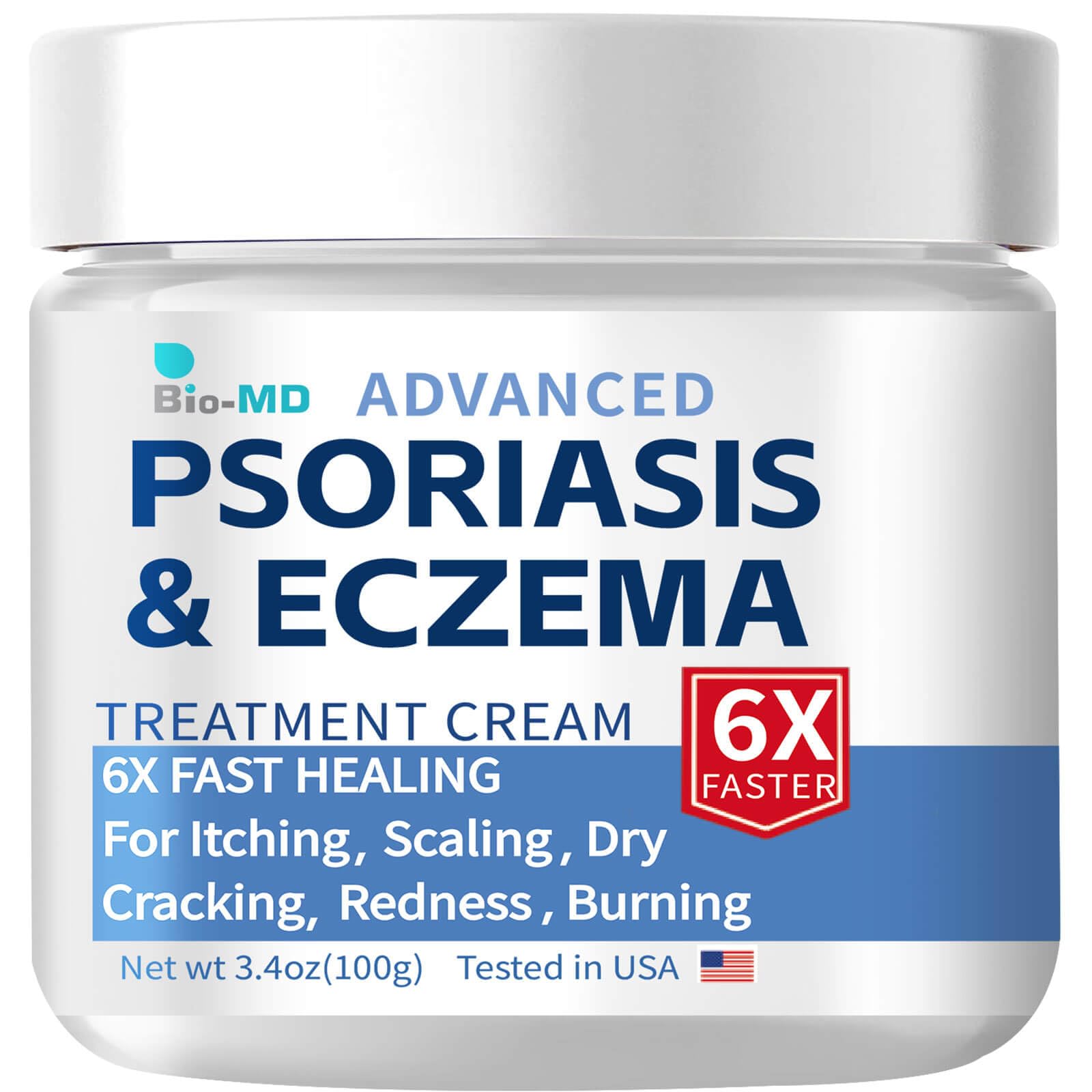
- The Steroid Trap: Some "natural" creams sold online have been found to contain undeclared, high-potency corticosteroids. These provide rapid temporary relief but cause severe "rebound" flares and skin thinning when stopped.
- Verification: Always cross-reference a treatment with the National Psoriasis Foundation or the American Academy of Dermatology. These organizations provide evidence-based reviews of both medical and complementary therapies.
Frequently Asked Questions
Can psoriasis be cured by diet alone?
No, psoriasis cannot be cured by diet alone. While certain foods can trigger inflammation and others can help reduce it, psoriasis is a genetic autoimmune condition that requires medical management. A healthy diet is an excellent supportive tool but is not a replacement for systemic or topical medical treatments in moderate-to-severe cases.
Does psoriasis go away with age?
Psoriasis does not typically disappear with age; it is a lifelong condition. However, its severity can fluctuate significantly. Some people experience long periods of spontaneous remission, while others find their symptoms change as they age due to shifts in the immune system, stress levels, or the development of other health conditions.
Is there a new "pill" for psoriasis in 2026?
Yes, the class of TYK2 inhibitors, such as deucravacitinib, represents the most modern oral treatment. These pills provide a high level of efficacy with a much cleaner safety profile than older systemic drugs like cyclosporine or methotrexate. They are often the first choice for patients who want systemic results without injections.
Why does my psoriasis come back after it clears?
Psoriasis returns because the underlying immune memory remains. Even when the skin looks clear, the genetic instructions and the "memory T-cells" are still present in your body. When a trigger—such as stress, illness, or skin injury—occurs, the immune system reactivates the inflammatory cycle.
Are biologics safe for long-term use?
Current evidence in 2026 suggests that biologics are safe for long-term use when monitored by a dermatologist. Because they are highly targeted, they do not cause the broad organ damage (to the liver or kidneys) that was common with older systemic medications. Regular blood tests are still standard practice to ensure ongoing safety.
Next Steps for Patients
If you are seeking the closest thing to a cure for your psoriasis, the first step is to schedule a consultation with a board-certified dermatologist who specializes in immune-mediated skin diseases.
- Request a PASI Assessment: Have your doctor calculate your current severity score to establish a baseline.
- Discuss "Clearance" Goals: Be explicit that your goal is 100% skin clearance (PASI 100). Ask which biologics or TYK2 inhibitors might get you there.
- Investigate Biosimilars and Assistance: If cost is a barrier, ask about biosimilar options or manufacturer-funded copay cards.
- Monitor for Psoriatic Arthritis: Up to 30% of people with psoriasis develop psoriatic arthritis. Early intervention with systemic therapy can prevent permanent joint damage.