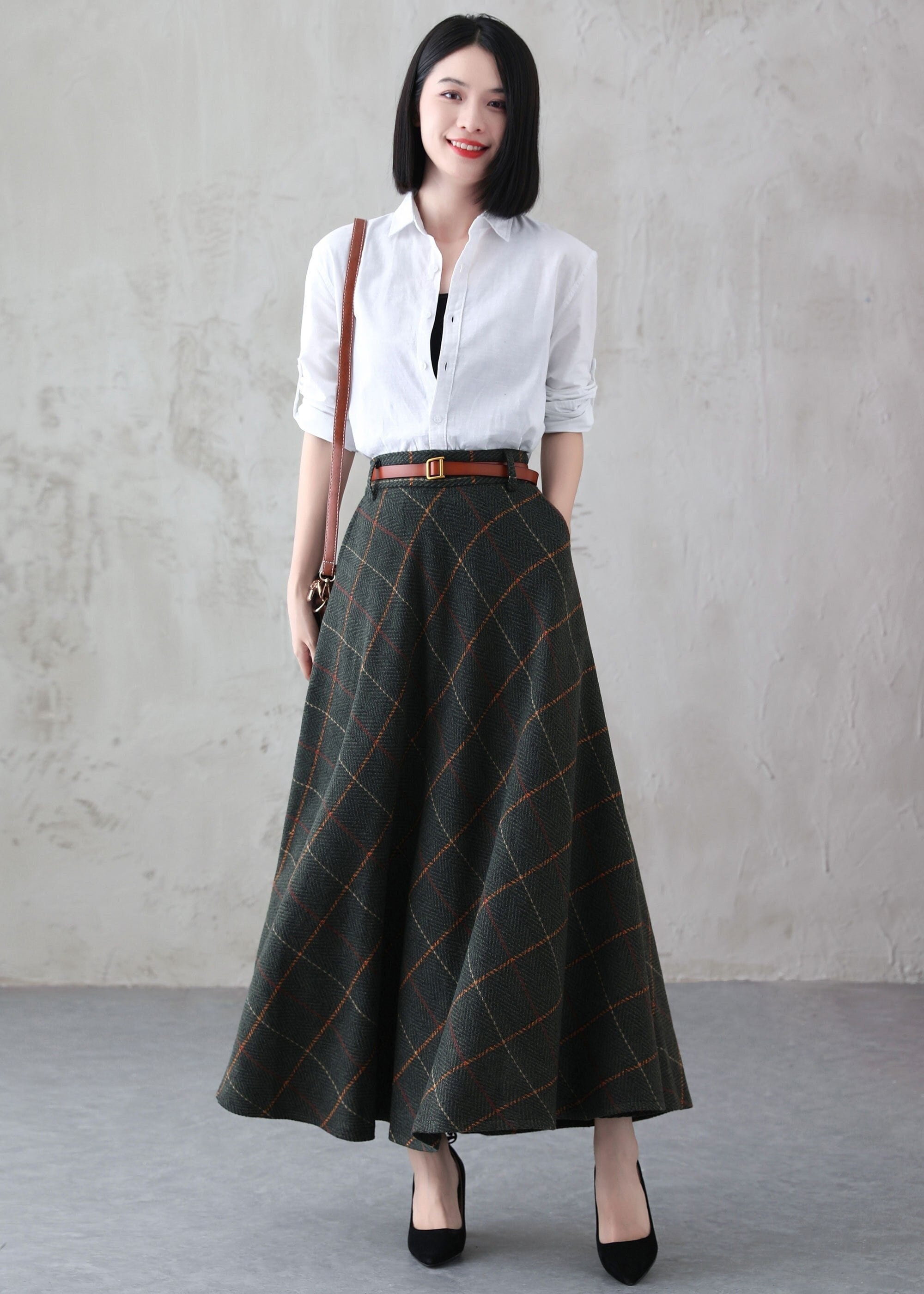
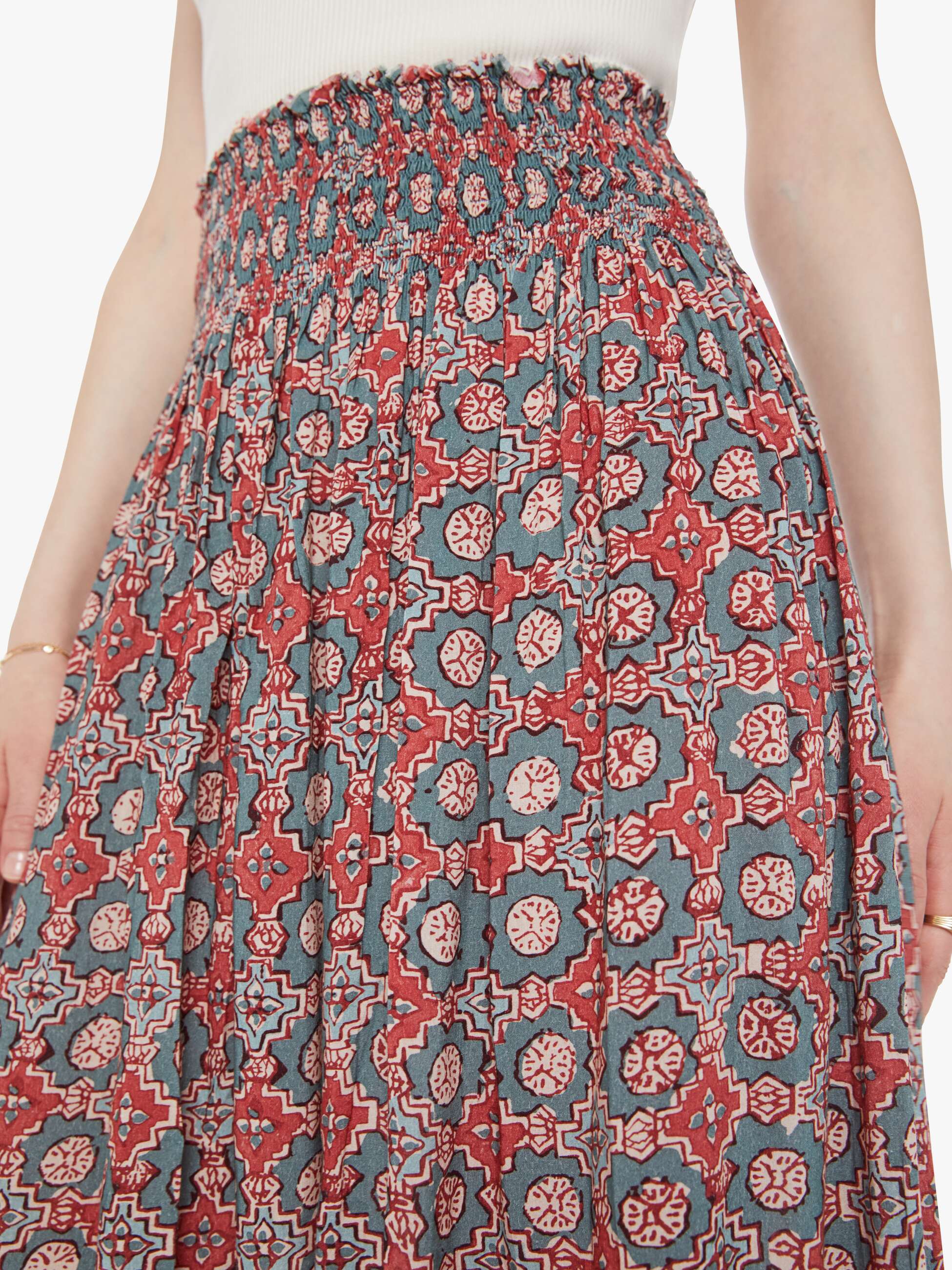
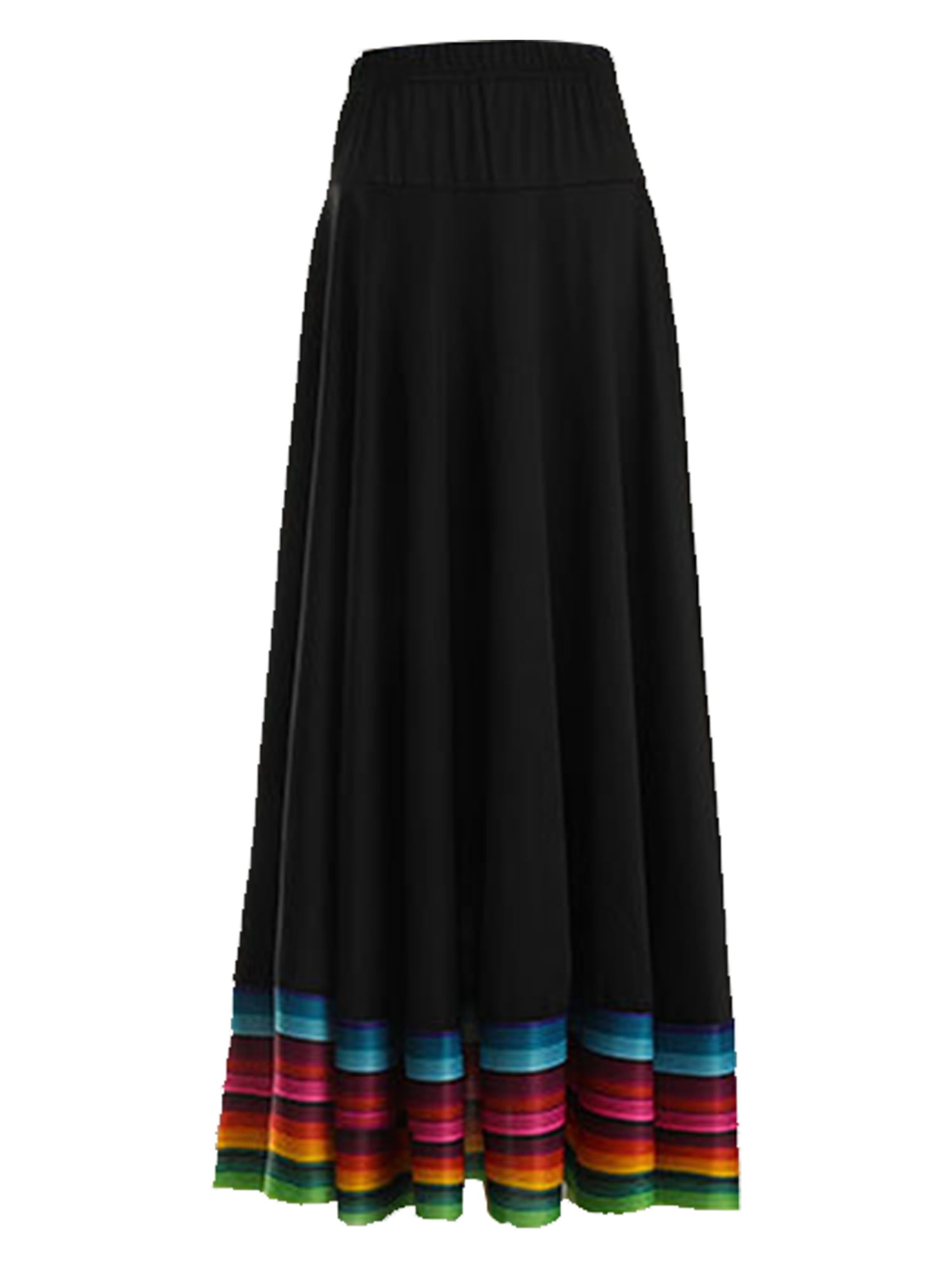
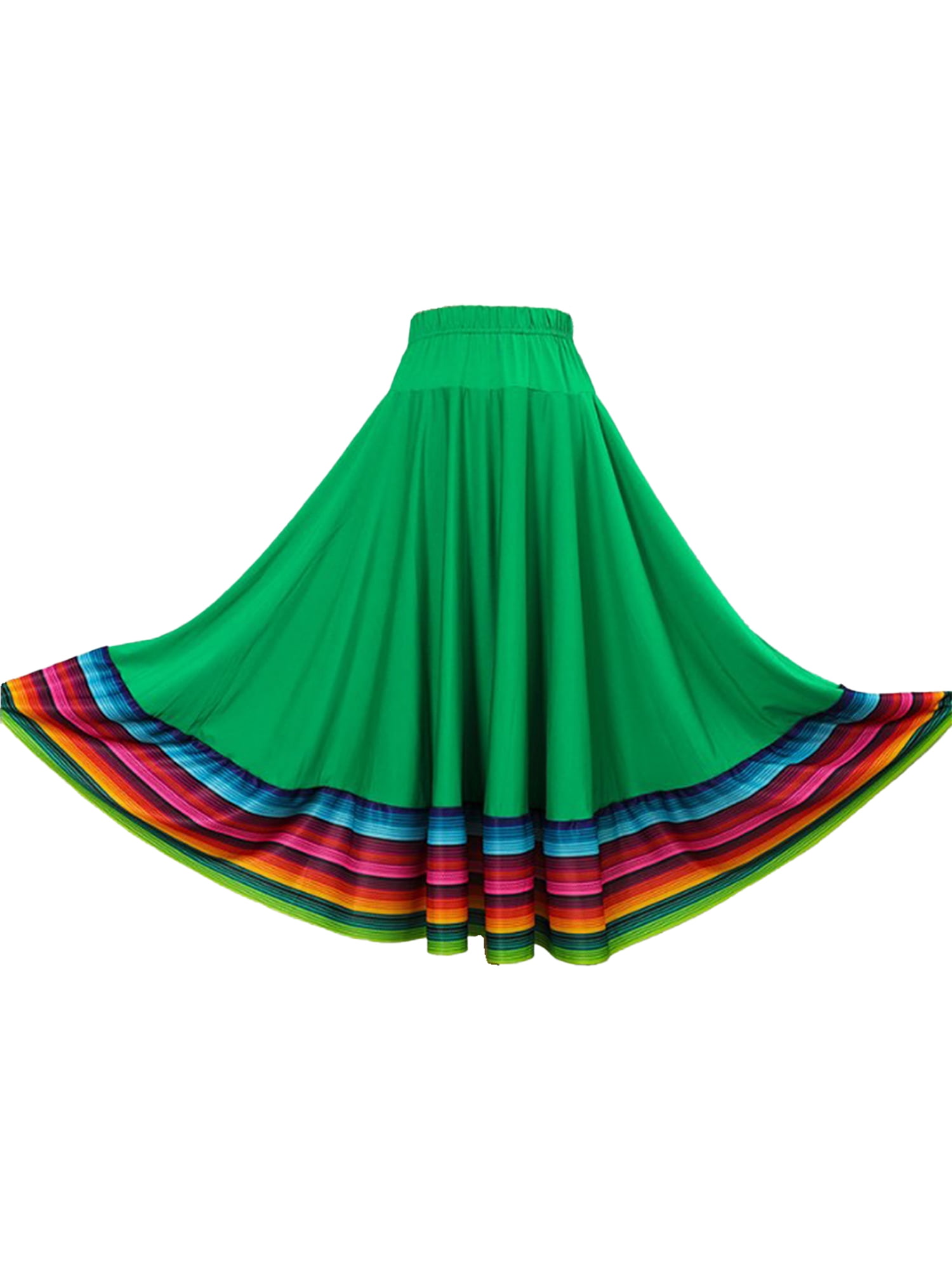
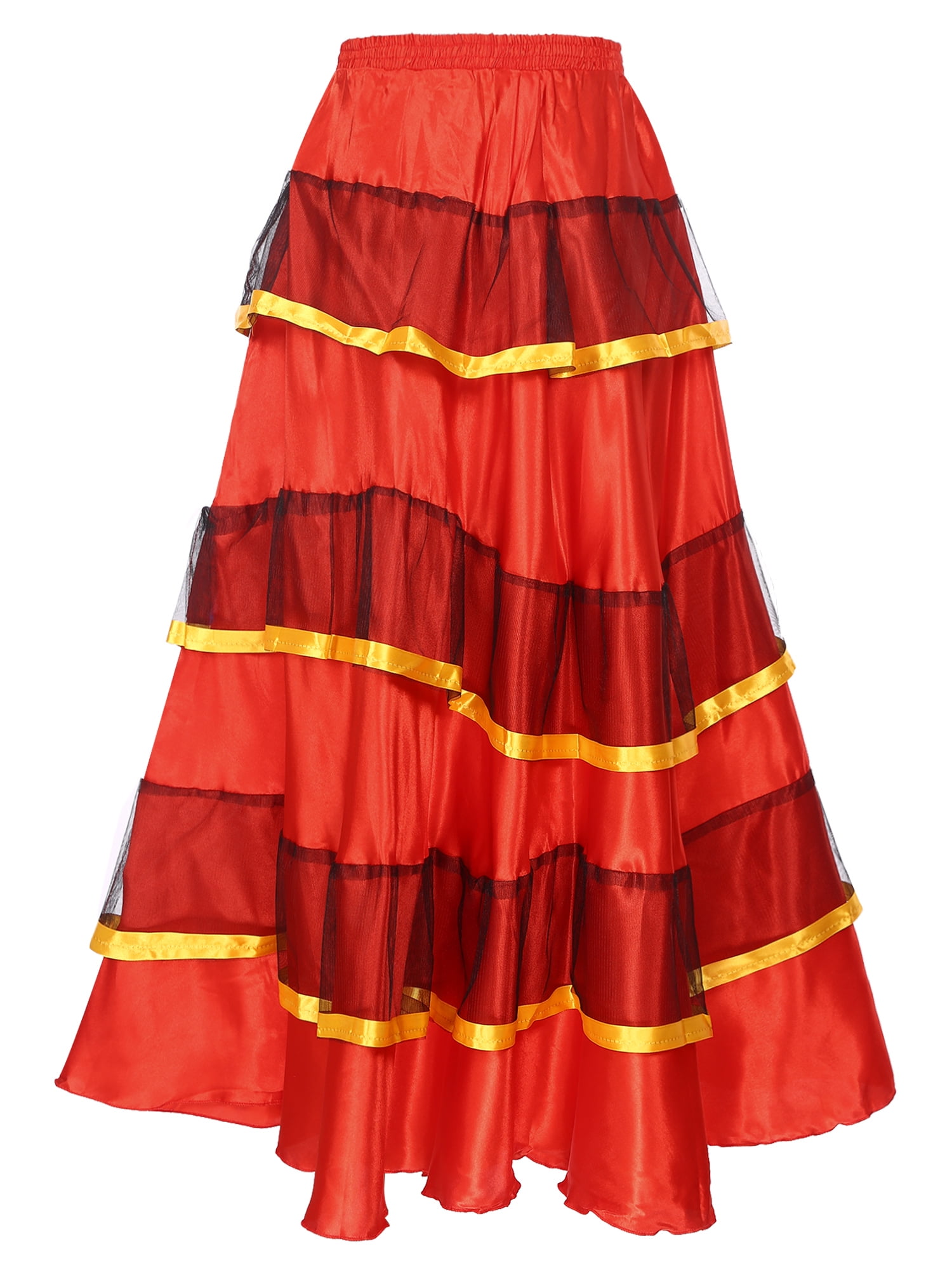
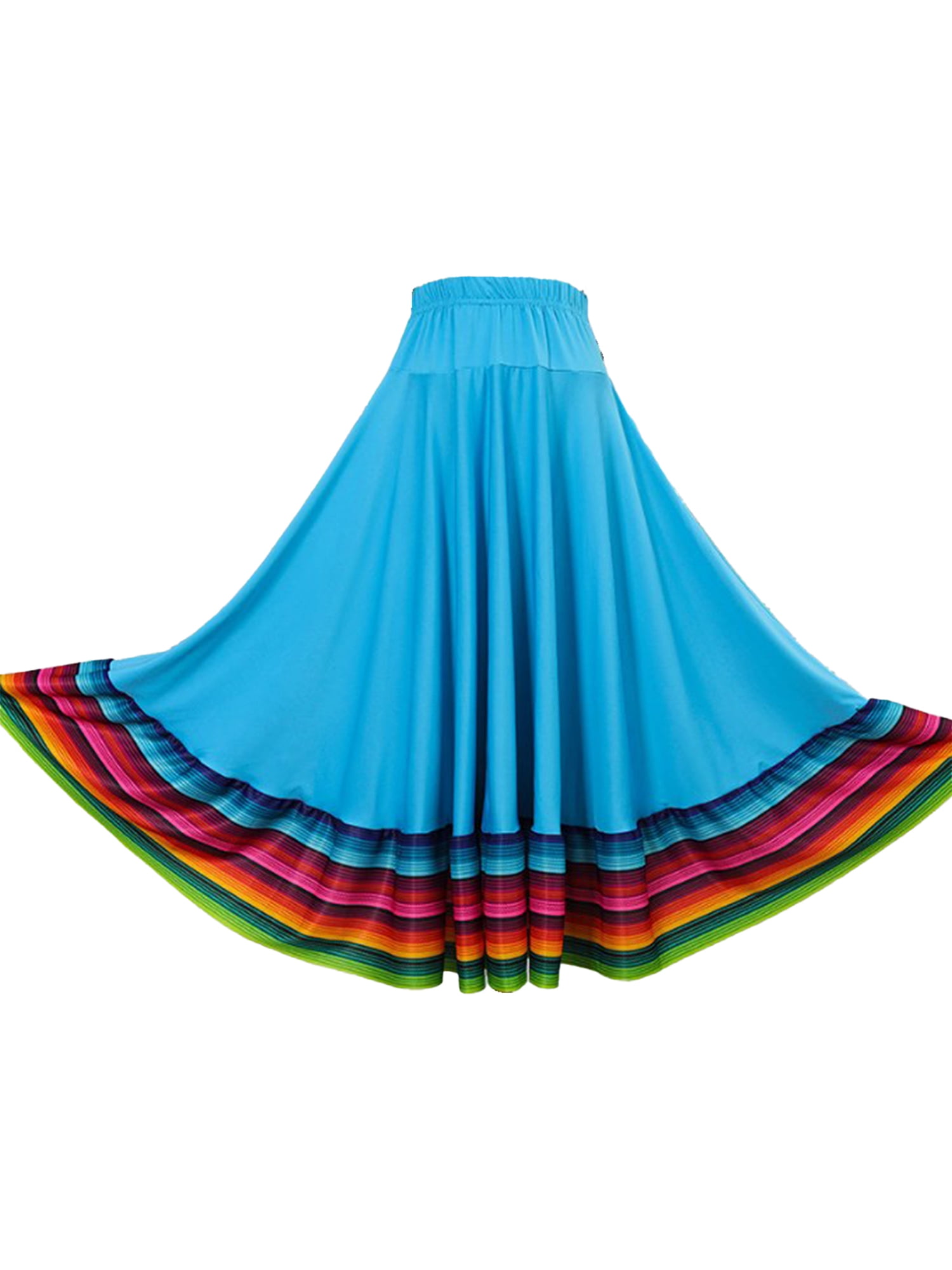
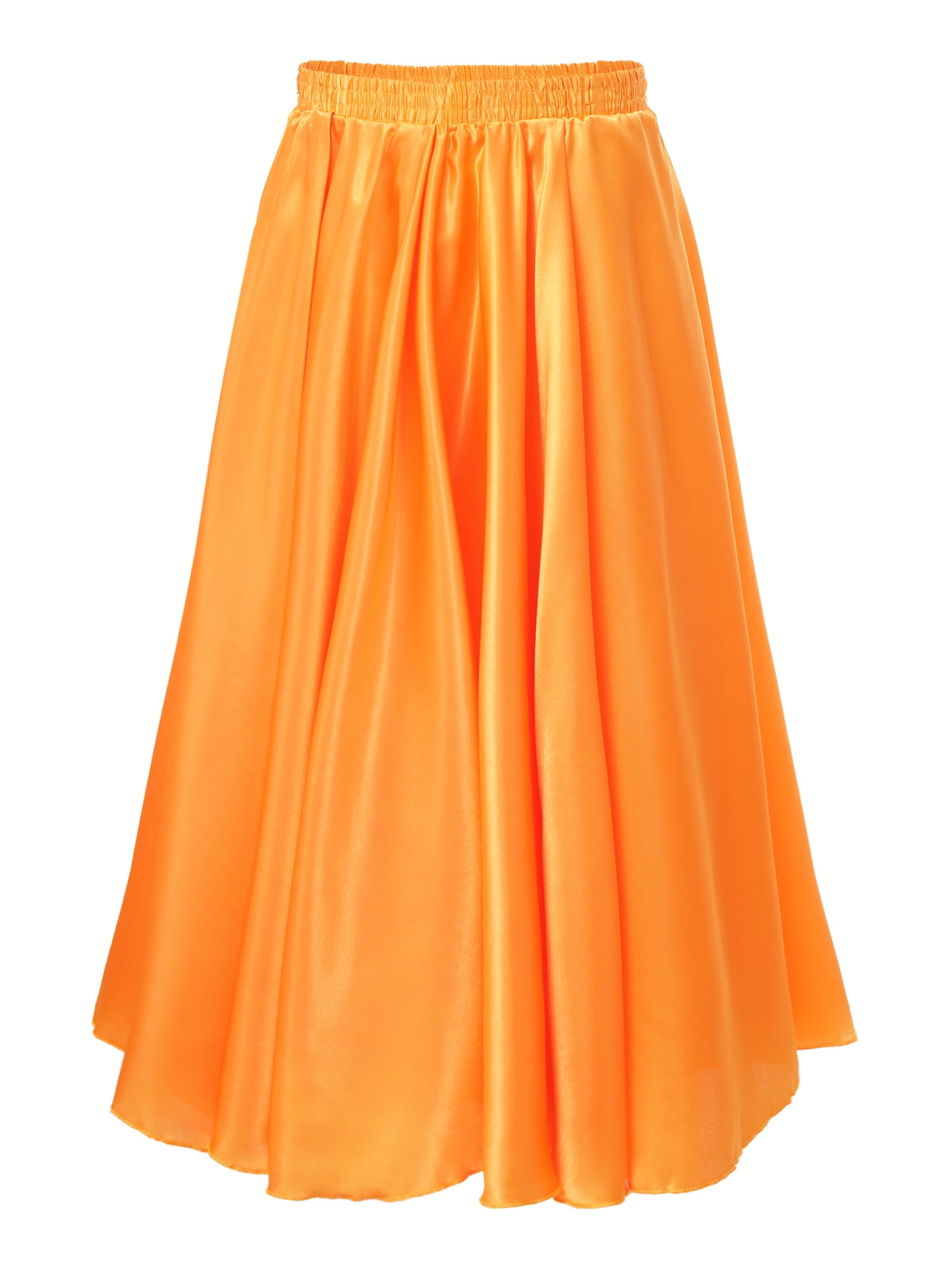
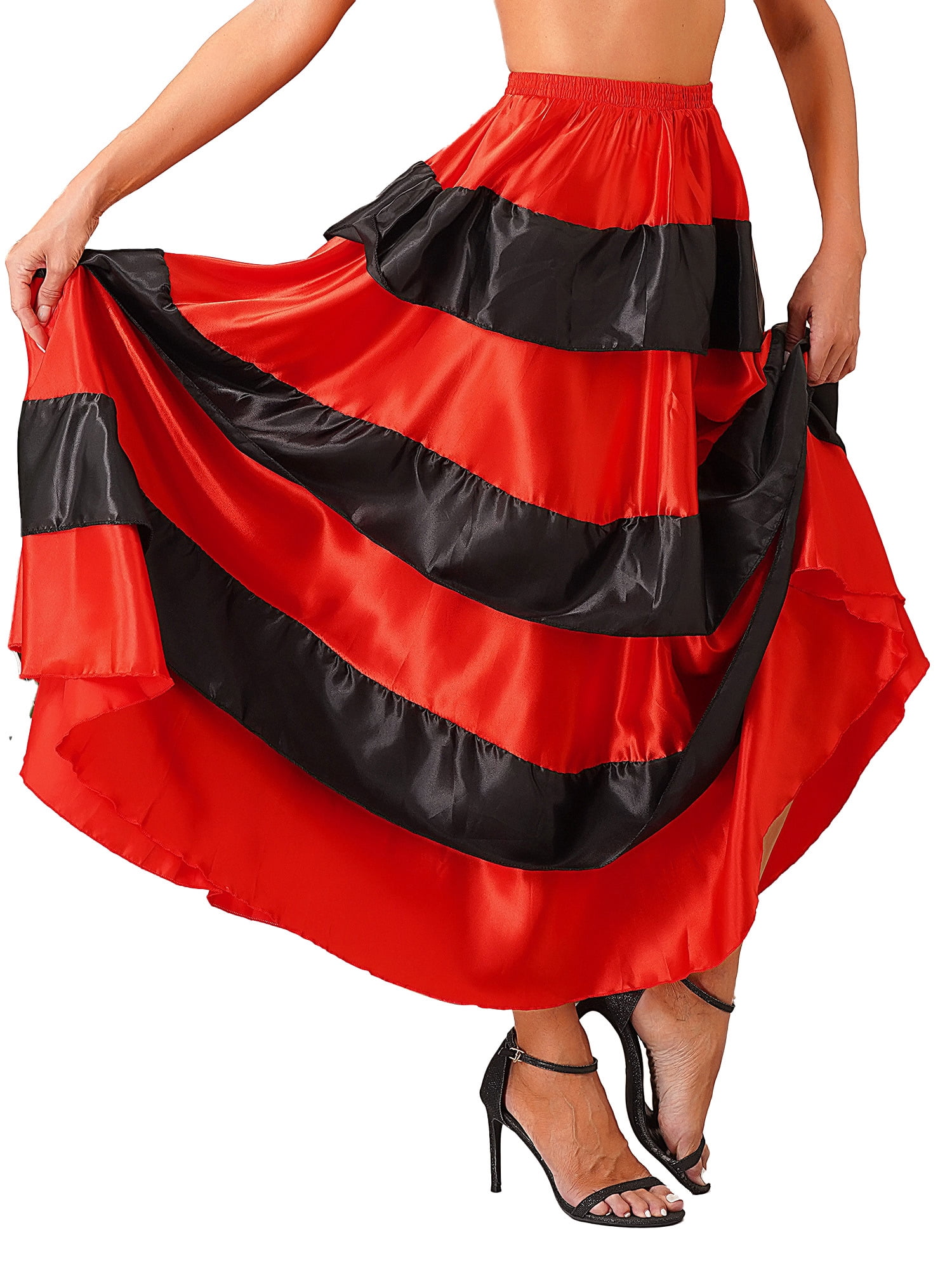
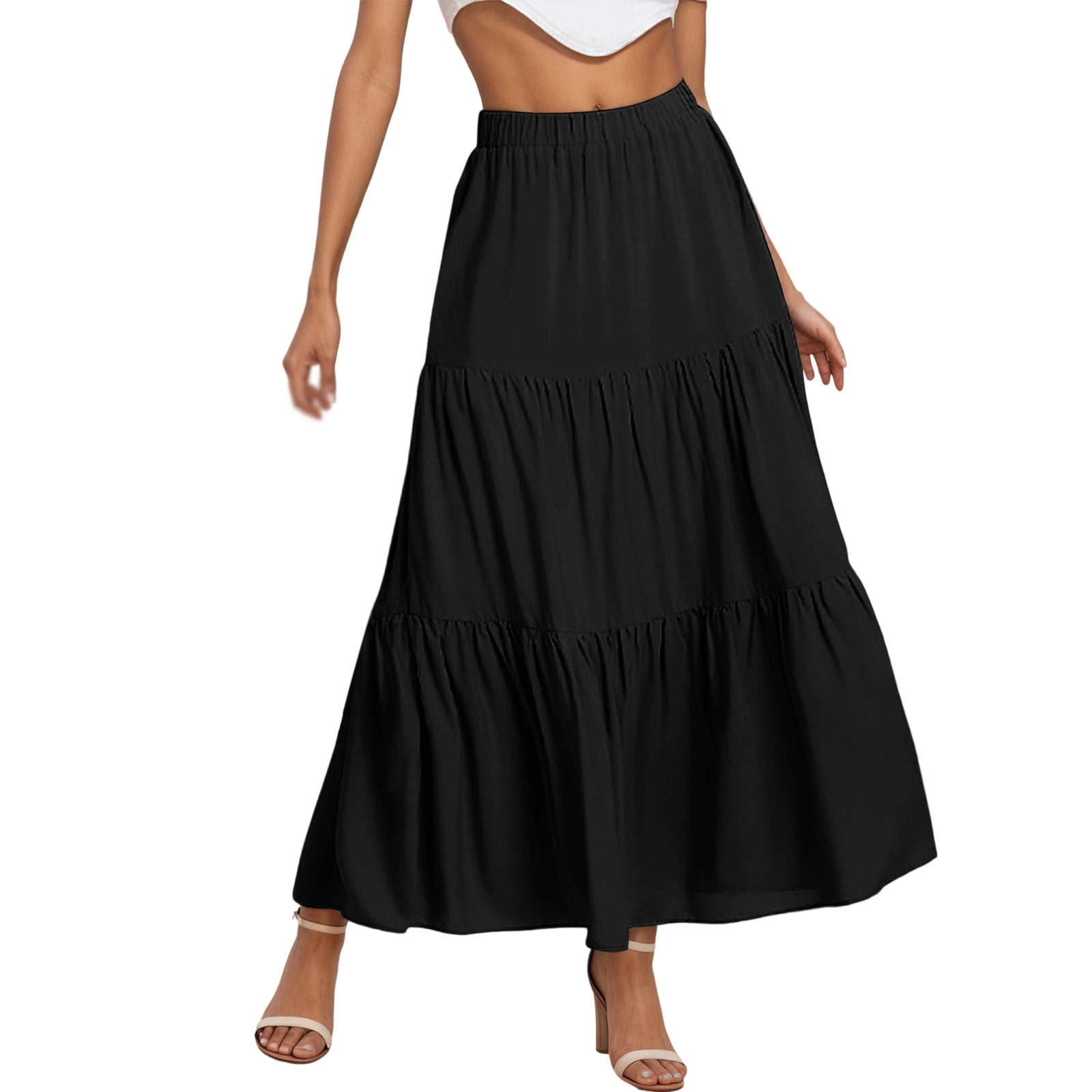
To say "a comfortable skirt" in Spanish, the most accurate and common translation is una falda cómoda. In this phrase, "una" is the feminine indefinite article (a), "falda" is the noun (skirt), and "cómoda" is the feminine adjective (comfortable). While "falda" is used throughout the Spanish-speaking world, some regions in South America prefer the term pollera.
When navigating the Spanish language, particularly for fashion and everyday needs, understanding the nuances of how to describe comfort and clothing is essential. As of 2026, the global push toward sustainable fashion and "athleisure" has introduced even more specific terminology into the Spanish lexicon, making it important to distinguish between different types of comfort—whether you are looking for breathability, flexibility, or a loose fit.
Understanding the Grammar: Noun-Adjective Agreement
One of the first hurdles for English speakers learning Spanish is the concept of gender and number agreement. Unlike English, where "comfortable" remains the same regardless of what it describes, Spanish adjectives must change to match the noun they modify.
Gender Agreement
In Spanish, every noun is either masculine or feminine. The word for skirt, falda, is feminine. Therefore, any adjective describing it must also be in the feminine form.
- Cómodo (Masculine/Standard form)
- Cómoda (Feminine form)
When you put it together, you get una falda cómoda. If you were talking about a "comfortable hat" (un sombrero cómodo), the adjective would switch back to the masculine ending "-o".
Adjective Placement
In English, we say "comfortable skirt" (adjective before noun). In Spanish, the adjective almost always follows the noun: falda cómoda. Placing the adjective before the noun (cómoda falda) is technically possible but is usually reserved for poetic or literary contexts, and it can slightly change the emphasis to be more subjective or emotional. For everyday shopping or conversation in 2026, stick to the noun-first structure.
Regional Variations: "Falda" vs. "Pollera"
While falda is the standard term taught in most textbooks and used in Spain and Mexico, the Spanish language is famously diverse. Depending on where you are traveling or who you are speaking with, you might need to swap "falda" for a regional synonym.
The Southern Cone and the "Pollera"
In countries like Argentina, Uruguay, Paraguay, and parts of Bolivia and Chile, the word pollera is significantly more common than "falda." If you walk into a boutique in Buenos Aires in 2026 and ask for a "falda," you will be understood, but you will sound like a foreigner. Asking for una pollera cómoda will make you sound much more like a local.
Historically, "pollera" referred to a specific type of voluminous, traditional skirt, but over time it became the generic word for all skirts in these regions. Interestingly, in Panama, a "Pollera" refers specifically to the elaborate, national costume, while "falda" remains the word for an everyday garment.
Other Local Terms
In some rural areas of the Caribbean or Central America, you might occasionally hear the word sayo, though this is increasingly archaic and usually refers to a very long, loose, or wrap-around style of skirt. For 2026 urban fashion, "falda" and "pollera" remain the two dominant terms.
| Term | Region | Context/Nuance |
|---|---|---|
| Falda | Spain, Mexico, Colombia, General | The universal term used in most Spanish-speaking countries. |
| Pollera | Argentina, Uruguay, Paraguay, Bolivia | The preferred everyday term in the Southern Cone. |
| Minifalda | Global | Specifically refers to a mini-skirt. |
| Maxifalda | Global | Specifically refers to a maxi-skirt or long skirt. |
| Pollerón | Ecuador, Panama | Often refers to a large, heavy, or traditional skirt. |
Describing Different Types of Comfort
"Comfortable" is a broad term. Depending on the weather or the occasion, what makes a skirt comfortable can vary. In 2026, fashionistas in Madrid or Mexico City often use more specific adjectives to describe the "feel" of a garment.
1. Holgada (Loose-fitting)
If by "comfortable" you mean a skirt that doesn't cling to the body, you should use the word holgada. This is perfect for describing A-line skirts or wide, flowing garments.
- Example: "Busco una falda que sea holgada para el verano." (I am looking for a skirt that is loose for the summer.)
2. Elástica (Stretchy)
If comfort to you means a waistband that expands or a fabric with spandex, elástica is your keyword. With the 2026 trend of "yoga-chic" skirts becoming professional office wear, this is a very useful term.
- Example: "Prefiero las faldas con cintura elástica." (I prefer skirts with an elastic waist.)
3. Ligera (Lightweight)
In hot climates like Seville or Cartagena, comfort is synonymous with weight. A falda ligera is one made of thin, breathable material.
- Example: "Esta tela es muy ligera y fresca." (This fabric is very light and cool.)
4. Suave (Soft)
If the texture against your skin is the priority, use suave. This describes the feel of the fabric, such as silk, high-quality cotton, or modal.
- Example: "La tela de esta falda es increíblemente suave." (The fabric of this skirt is incredibly soft.)
The "Confortable" vs. "Cómodo" Distinction
A common mistake for English speakers is using the word confortable as a direct translation for "comfortable." While "confortable" exists in Spanish, it is often a "false friend" or at least a restricted synonym.
In traditional Spanish, confortable is more frequently used to describe furniture, a room, or a general state of well-being (e.g., un sillón confortable). When describing clothing that you wear on your body, cómodo is the preferred and more natural term. If you say "una falda confortable," a native speaker will understand you, but it sounds slightly mechanical or like a literal translation from English. In 2026, "cómodo" remains the gold standard for apparel.
Fabric Vocabulary for Comfort
To find a truly comfortable skirt, you often need to know what it is made of. Knowing these material names in Spanish will help you read labels or ask shop assistants for help.
- Algodón: Cotton. The most common natural fiber for comfort. In 2026, you will often see algodón orgánico (organic cotton) featured in eco-friendly boutiques.
- Lino: Linen. Essential for comfort in humid or tropical Spanish-speaking regions. It is transpirable (breathable).
- Seda: Silk. Luxurious and soft, though less "stretchy" than other options.
- Lana: Wool. For a comfortable winter skirt, look for lana merino (merino wool), which is known for being soft and not itchy.
- Mezclilla / Denim: In Mexico and parts of Latin America, denim is called mezclilla. In Spain, it is simply vaquero or denim. A comfortable denim skirt is often described as having elasticidad (stretch).
Practical Phrases for Shopping
If you are in a Spanish-speaking country looking for the perfect skirt, use these phrases to ensure you get exactly what you need.
- "¿Tienen alguna falda que sea cómoda para caminar mucho?" (Do you have any skirt that is comfortable for walking a lot?)
- "Me gustaría probarme esta falda, pero en una talla más grande." (I would like to try on this skirt, but in a larger size.)
- "¿Esta falda se arruga fácilmente?" (Does this skirt wrinkle easily?) — Important for travel comfort!
- "Busco algo sencillo y cómodo para el diario." (I'm looking for something simple and comfortable for daily use.)
- "¿Es de cintura alta o baja?" (Is it high-waisted or low-waisted?)
Cultural Context: When to Wear a Skirt in 2026
In many Spanish-speaking cultures, dress codes can be slightly more formal than in the United States or Northern Europe, though this has shifted by 2026.
In cities like Madrid or Buenos Aires, a "comfortable skirt" doesn't necessarily mean a "casual" one. You can find very elegant faldas midi (midi skirts) that are considered comfortable for a full day of office work followed by social drinks. In contrast, in coastal regions like Mexico's Riviera Maya or Spain's Costa del Sol, comfort is dictated by the heat, leading to a preference for faldas largas (maxi skirts) made of lino (linen) that allow for air circulation.
When visiting religious sites (like the Cathedral in Toledo or the Basilica of Guadalupe in Mexico City), a comfortable skirt is a great choice, provided it reaches the knees, as many of these sites maintain traditional modesty standards for entry.
Frequently Asked Questions
Is "una falda cómoda" the only way to say it?
While it is the most common, you could also say una falda que sea cómoda (a skirt that is comfortable). If you are referring to a skirt that makes you feel "at ease" or "at home," you might say una falda a gusto, though this is more colloquial.
Why do some people say "una pollera" instead of "una falda"?
This is a regional difference. "Pollera" is the standard word in the Southern Cone (Argentina, Uruguay, etc.). It’s similar to how some English speakers say "trousers" while others say "pants." Both are correct, but their usage depends on geography.
Can I use "confortable" for a skirt?
It is better to avoid it. While understandable, cómodo/a is the specific word used for clothing and physical comfort in Spanish. Confortable is usually reserved for things like a cozy room or a soft sofa.
How do I say "skort" (a skirt with shorts underneath) in Spanish?
The most common term in 2026 is falda-pantalón. This is the ultimate "comfortable skirt" for many because it combines the aesthetic of a skirt with the practicality and comfort of shorts.
What is the Spanish word for "elastic waistband"?
You would call it cintura elástica or pretina elástica. If the skirt has a drawstring, you would say it has a cordón ajustable.
Final Recommendation
When searching for or describing a comfortable skirt in Spanish, always prioritize the word cómoda and ensure it matches the feminine noun falda (or pollera if you are in Argentina). For the best results in a retail environment, specify why you want it to be comfortable—whether you need elasticidad (stretch), frescura (coolness), or a corte holgado (loose cut). By using these specific terms, you will not only be understood but will also be able to find a garment that truly meets your needs for the 2026 fashion season.