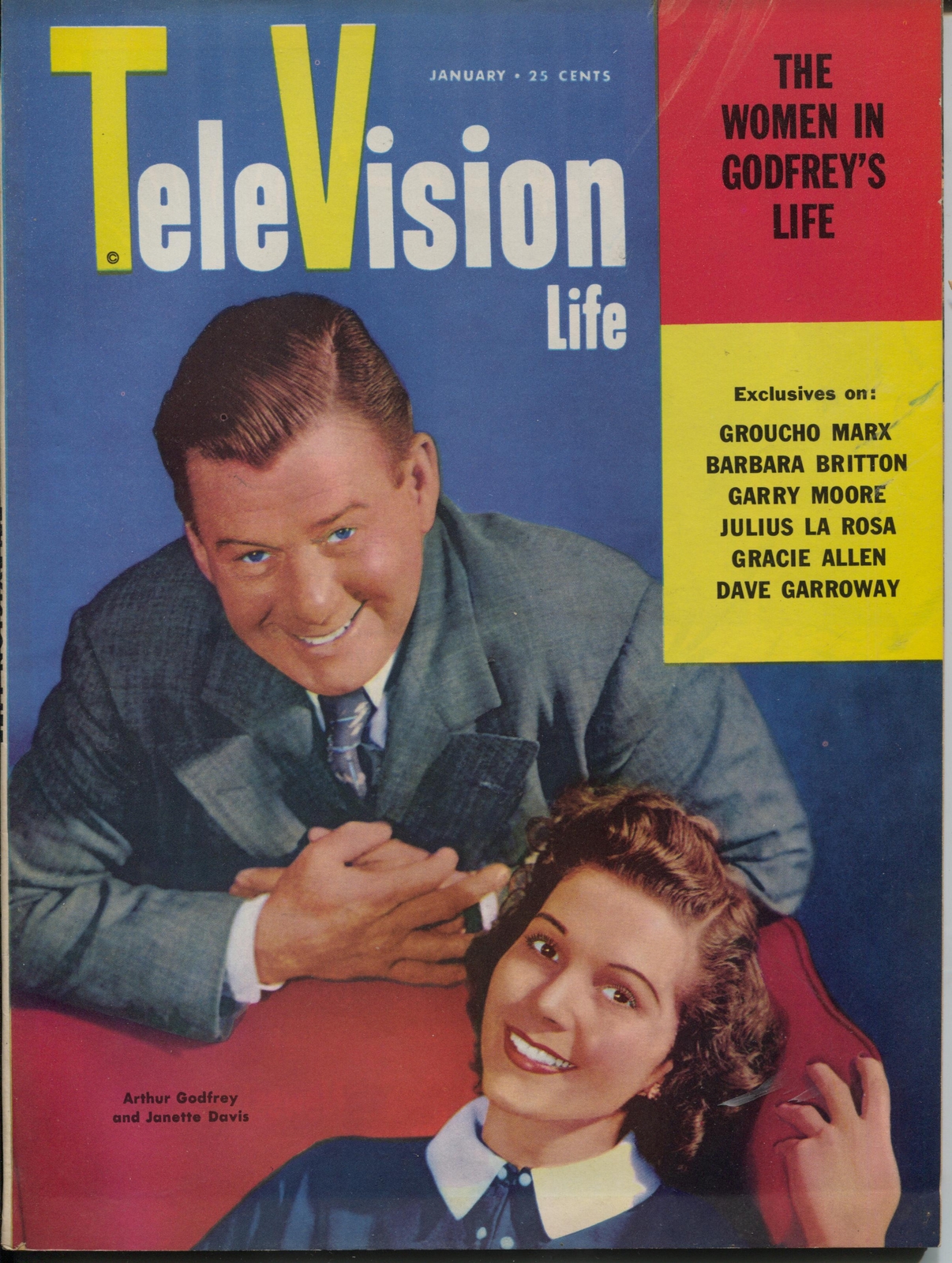
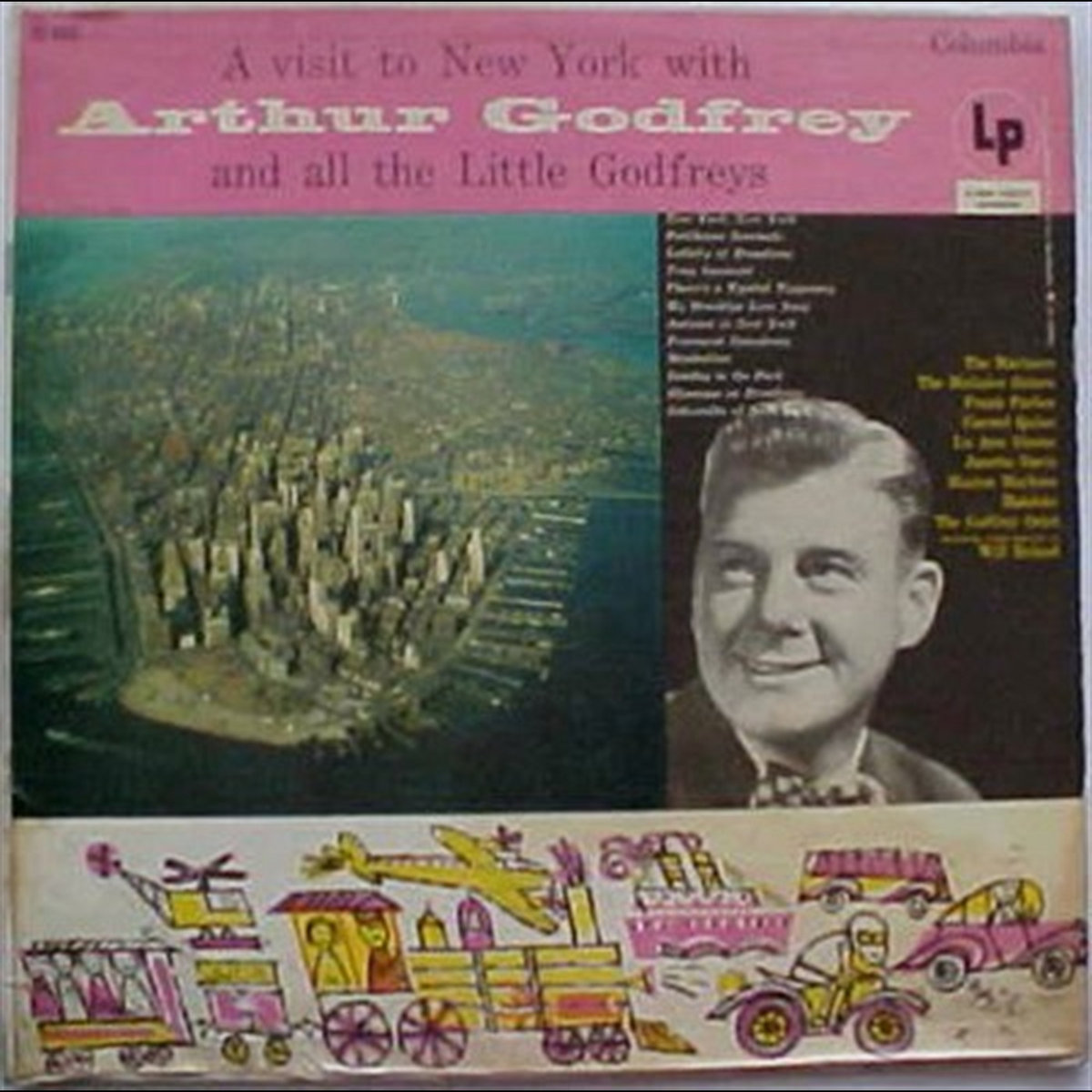
At the time of his death in 1983, Arthur Godfrey’s net worth was estimated to be between $5 million and $10 million, a figure that represents the culmination of a career that defined the golden age of American broadcasting. While exact private financial records remain sealed, historical analysis of his contracts, real estate holdings, and business ventures reveals he was one of the highest-paid entertainers in the world during the 1950s.
The Rise of an American Media Titan
Arthur Godfrey was not merely a television personality; he was the primary architect of modern morning broadcasting. His transition from a radio disc jockey in Washington, D.C., to the "Old Redhead" of CBS, commanded a degree of listener loyalty that few in history have matched. During the mid-20th century, Godfrey held a unique position as a trusted salesman, becoming the highest-earning performer on the CBS network.
To understand his historical net worth, one must consider the landscape of the 1940s and 1950s. Godfrey was a pioneer of the "informal" broadcast style. His ability to ad-lib commercials for sponsors like Chesterfield cigarettes and Lipton tea made him an invaluable asset to corporations. At the height of his influence in the early 1950s, he was responsible for roughly 12% of the entire annual revenue of the CBS television network. This level of commercial impact translated into unprecedented compensation packages for the era, setting the stage for the massive wealth he would accrue over several decades.
Analyzing Compensation and Contractual Power
In the 1950s, Godfrey's annual earnings were frequently reported in the range of $1 million to $1.5 million—a staggering sum for the era, equivalent to approximately $12 million to $18 million in 2026 adjusted for inflation. Unlike many contemporaries who relied on a singular income stream, Godfrey operated through his own production company. This structure allowed him to retain a significant portion of the advertising revenue generated by his programs, Arthur Godfrey Time and Arthur Godfrey and His Friends.
The financial structure of his career relied on three distinct pillars:
- Network Salary: Direct compensation for his on-air appearances.
- Production Royalties: Income from the programs he produced and packaged for CBS.
- Endorsement Deals: Exclusive, long-term contracts with major American corporations that relied on his persona to reach the middle-class consumer.
Real Estate as a Foundation of Wealth
Beyond his broadcasting salary, Godfrey invested heavily in real estate, which served to stabilize his net worth against the volatility of the entertainment industry. His most notable acquisition was the Catoctin Ridge estate in Virginia, a massive 2,000-acre property that served as both a personal retreat and an operational business.
During the 1960s and 1970s, Godfrey’s portfolio included significant land holdings that fluctuated in value alongside the broader economy. By the time of his later years, he had divested some of these assets, but his real estate ventures provided a solid floor for his total net worth. His aviation interests—another significant expense—also required the maintenance of private hangars and support crews, effectively turning his hobby into a capital-intensive lifestyle asset that was carefully managed within his financial estate.
Comparative Financial Context of the Era
It is instructive to compare Godfrey’s financial standing to other media figures of the mid-20th century. While he lacked the institutional studio ownership of figures like Walt Disney, he possessed a higher liquid earning capacity than many of his radio-turned-TV peers.
| Era/Benchmark | Estimated Annual Earning Power | Financial Status Strategy |
|---|---|---|
| 1950s Peak | $1,000,000+ | High-volume advertising / Ownership of airtime |
| 1960s Plateau | $500,000 - $750,000 | Diversified investments / Real estate |
| 1970s Sunset | $250,000 - $500,000 | Passive income / Estate preservation |
| At Death (1983) | $5M - $10M Total Estate | Portfolio liquidation / Asset holdings |
Factors Affecting Long-Term Net Worth Retention
Several factors prevented his peak earnings from ballooning into the hundreds of millions. First, the tax structure of the 1950s was significantly more aggressive, with top marginal rates exceeding 90%. Much of his potential wealth was redistributed through taxation during his most productive years.
Second, the shift in his public image—specifically the infamous 1953 incident where he fired singer Julius La Rosa on air—led to a gradual decline in his dominance over the television landscape. While he remained on air for years afterward, the peak of his commercial leverage in the mid-1950s was never fully recaptured. His later years were marked by a transition toward philanthropic interests and the maintenance of his existing lifestyle rather than the aggressive accumulation of new capital.
The Impact of Private Expenses
One cannot discuss Godfrey’s net worth without addressing his private aviation habits. Godfrey was a licensed pilot who maintained a fleet of aircraft, including a Douglas DC-3. In the 1950s and 60s, the operational costs of private aviation were astronomical. These expenses functioned as a "lifestyle tax" on his earnings. While he justified these costs as essential for his travel-intensive production schedule, they represented a significant drain on his liquid assets compared to more conservative entertainers who avoided such high-overhead hobbies.
Clarifying Myths vs. Verified Assets
In historical financial reporting, there is often confusion between "gross earnings" and "net worth." Many sources from the 1950s conflated his gross contract value—which included the budget for his staff, musicians, and production overhead—with his personal wealth.
- Myth: Arthur Godfrey was a multi-hundred-millionaire.
- Fact: His wealth was substantial but remained in the low-eight-figure range in nominal 1983 dollars. He was wealthy enough to maintain a sprawling lifestyle and significant real estate, but he was not an industrialist in the mold of contemporary media moguls like William Paley.
Frequently Asked Questions
How did Arthur Godfrey compare to other TV stars of his time? Godfrey was arguably the highest-paid television performer in the early 1950s. While figures like Lucille Ball and Desi Arnaz created long-term, massive wealth through the syndication of I Love Lucy, Godfrey’s income was primarily driven by high-salary, live-broadcast contracts.
How did the Julius La Rosa incident affect his wealth? While the firing of La Rosa did not bankrupt Godfrey, it contributed to a gradual decline in his appeal to younger audiences. As his popularity waned, his leverage in contract negotiations with CBS diminished, leading to a reduction in his annual compensation compared to the record highs he enjoyed in 1952.
Were his aviation costs a significant factor in his final net worth? Yes. Maintaining a small private air force was a multimillion-dollar commitment over his lifetime. Had he invested that capital into equity markets or real estate instead of aircraft maintenance and fuel, his final estate valuation would likely have been higher.
Did his net worth include ownership of his shows? To a limited extent. Godfrey operated through a production company that allowed him to keep a portion of the profits from his shows. However, the intellectual property and syndication rights largely remained with the CBS network, limiting the long-term passive income he could generate after his shows stopped airing.
What happened to his estate after he died in 1983? Upon his death, his assets, including his significant real estate holdings in Virginia and other personal property, were distributed according to his estate planning. The details remain private, but reports of the time settled on the $5M to $10M range as a fair estimation of his total tangible net worth.
Practical Perspective for Researchers
When analyzing the net worth of historical media figures, it is essential to adjust for the era's unique tax environment and the nature of "performer income." Unlike modern influencers or media moguls, Godfrey’s wealth was heavily taxed and expended on the high cost of a celebrity lifestyle that was expected during the 1950s.
To conduct further research into this subject, historians should look toward the CBS corporate archives and the personal papers of network executives from that era, which often detail the internal valuation of "star talent" contracts. While his exact bank balance remains a mystery, the historical record confirms that Arthur Godfrey was a financial pioneer who translated the reach of broadcast radio and television into one of the most successful personal fortunes of his generation.