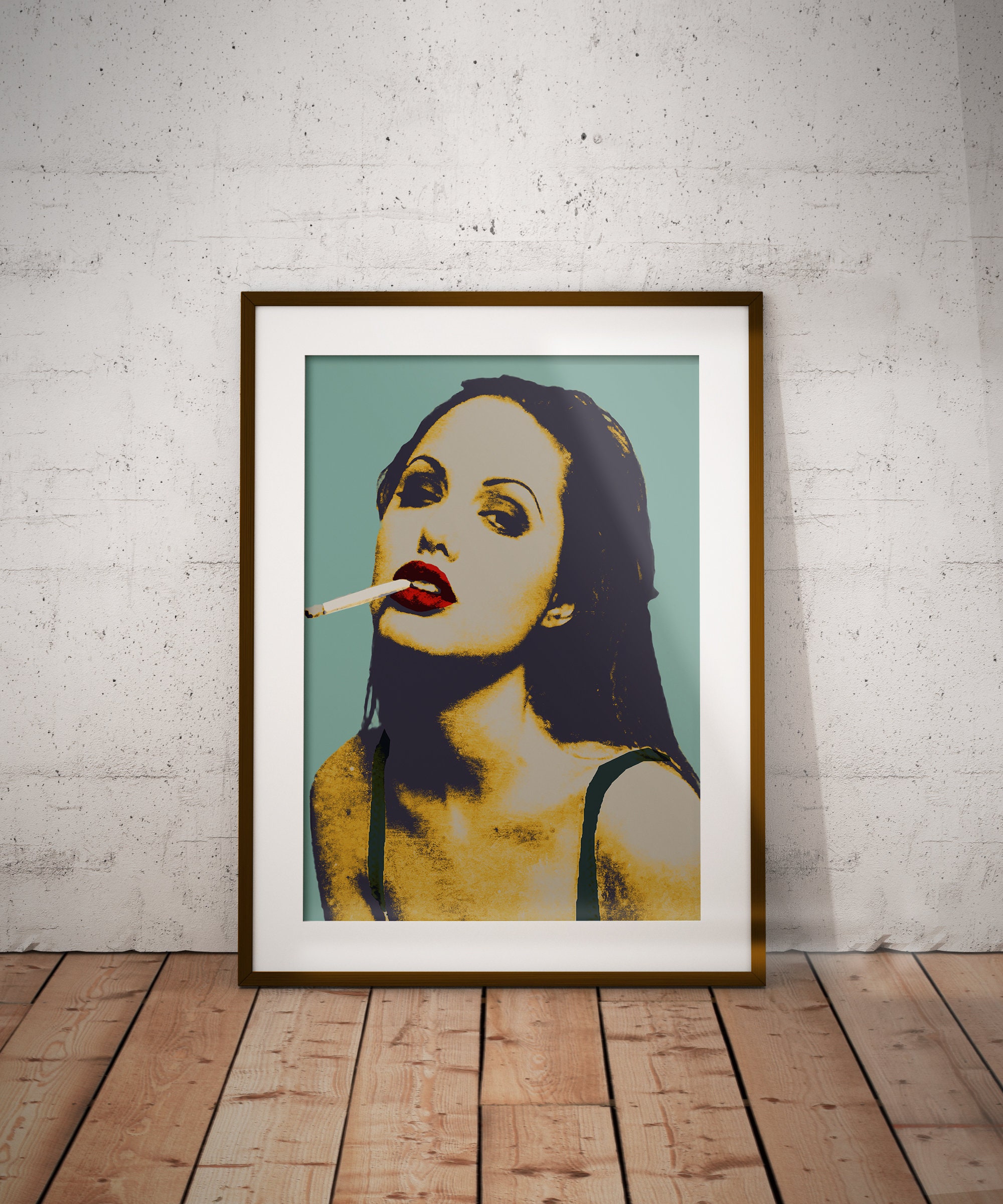
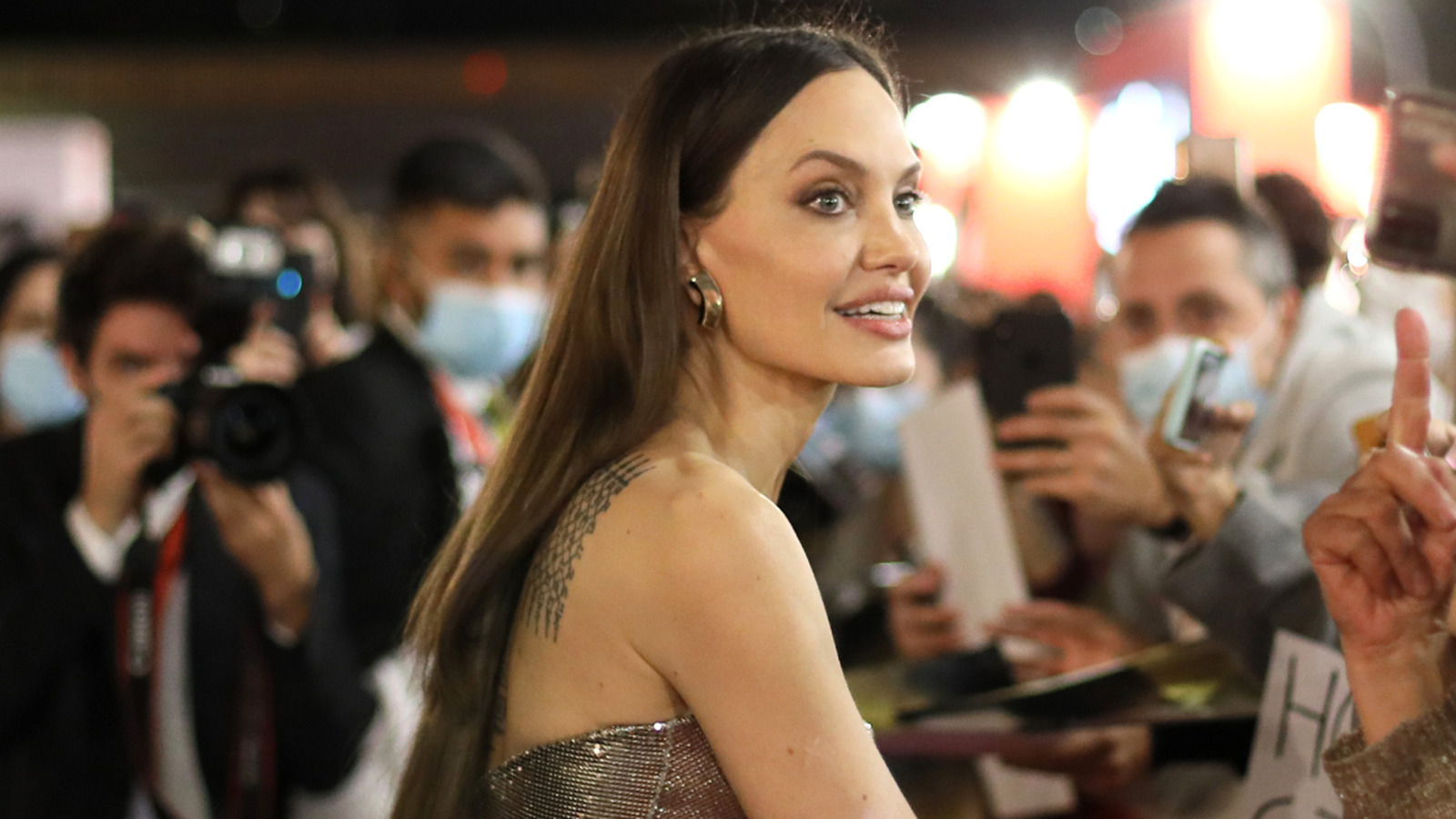
Angelina Jolie’s association with cigarettes encompasses her personal history, iconic paparazzi imagery, and a carefully crafted cinematic aesthetic that defined several eras of Hollywood filmmaking. While the global conversation surrounding celebrity smoking habits has evolved significantly toward health advocacy and smoke-free lifestyles, examining the cultural footprint of Jolie smoking reveals how tobacco historically functioned as a narrative device in cinema and a persistent element of public scrutiny.
Introduction and Cultural Context
The query "angelina jolie cigarette" captures a convergence of pop culture interest, historical paparazzi documentation, and character study. Throughout her decades-long career, Jolie has portrayed numerous complex, edgy, and rebellious characters who smoked on screen, contributing to an enduring visual archetype. At the same time, her personal life—particularly during the 1990s and 2000s—was heavily documented by media outlets that frequently captured her smoking in candid settings. Understanding this subject requires separating the performative requirements of dramatic acting from real-world cultural shifts regarding tobacco use, public health awareness, and the evolution of celebrity privacy.
The Cinematic Aesthetic: Smoking as a Character Tool
In the realm of dramatic arts, smoking has long served as a shorthand for rebellion, internal conflict, neurosis, or timeless noir sophistication. Jolie’s filmography features several distinct roles where a cigarette became an integral prop for defining a character's psychological state.
1990s Rebellion and Breakthrough Roles
During her rise to prominence in the mid-to-late 1990s, Jolie specialized in playing troubled, unpredictable, and fiercely independent women.
- Gia (1998): In her award-winning portrayal of supermodel Gia Carangi, smoking frequently underscored the chaotic lifestyle, stress, and eventual tragic decline of the title character. The visual style of the film relied heavily on gritty, documentary-style lighting where smoke added texture and mood to the frames.
- Foxfire (1996): Playing the charismatic and rebellious "Legs" Sadovsky, Jolie’s character utilized an aura of teenage defiance, with smoking serving as a visual marker of anti-establishment attitudes common in the youth-centric independent cinema of the decade.
2000s Action and Psychological Thrillers
As Jolie transitioned into a mainstream blockbuster star and dramatic lead, smoking appeared less frequently in favor of high-octane physical action, yet it resurfaced in psychological or period settings:
- Taking Lives (2004): As FBI profiler Illeana Scott, Jolie's character navigated tense investigations where quiet moments of contemplation were often accented by subtle character habits, anchoring her performance in urban realism.
- Original Sin (2001): Set in late-19th-century Cuba, the erotic thriller utilized period-appropriate tobacco use to build an atmosphere of sultry intrigue, deception, and romantic tension alongside co-star Antonio Banderas.
| Film Title | Release Year | Character Name | Narrative Function of Smoking |
|---|---|---|---|
| Foxfire | 1996 | Margaret "Legs" Sadovsky | Symbolizes teenage rebellion and counter-culture attitude. |
| Gia | 1998 | Gia Carangi | Reflects industry stress, personal chaos, and period authenticity. |
| Original Sin | 2001 | Julia Russell / Bonny Castle | Enhances historical noir atmosphere, mystery, and seduction. |
| Taking Lives | 2004 | Illeana Scott | Highlights moments of high-stakes psychological calculation. |
Media Scrutiny and Paparazzi Culture
Beyond her film roles, public interest in Jolie's smoking habits was largely fueled by late-1990s and 2000s celebrity journalism. This era of tabloid culture placed intense scrutiny on the personal lives, stress levels, and private habits of high-profile actors.
The Tabloid Era of the 2000s
During the height of media frenzy surrounding her personal life, international moves, and humanitarian missions, candid photographs of Jolie holding a cigarette frequently appeared in glossy magazines and gossip columns. These images were often analyzed by media consumers and commentators through varying lenses:
- The "Rebel" Persona: Early in her career, media narratives leaned heavily into her self-described "wild child" phase, linking smoking to tattoos, leather jackets, and an untamed public image.
- The Transition to Advocacy: As Jolie shifted her primary focus toward international humanitarian work, United Nations High Commissioner for Refugees (UNHCR) ambassadorship, and major filmmaking ventures, media framing of her public lifestyle evolved. Health-conscious global initiatives gradually replaced sensationalized snapshots in mainstream media discourse.
Public Health Shifts and Changing Industry Standards
The cultural perception of smoking in Hollywood has undergone a massive transformation over the last thirty years. Understanding the context around an "angelina jolie cigarette" search requires acknowledging how the entertainment industry and public health standards have diverged from late-20th-century norms.
Decline of Smoking in Modern Blockbusters
In contemporary filmmaking, the depiction of tobacco use faces strict regulatory scrutiny and cultural pushback due to public health advocacy:
- MPA Ratings Impact: In the United States, the Motion Picture Association (MPA) factors tobacco depictions into film rating considerations, often assigning higher age ratings to youth-targeted films that feature smoking.
- Studio Self-Regulation: Major studios have increasingly adopted policies to minimize or eliminate smoking scenes in PG-13 and G-rated motion pictures to prevent the normalization of tobacco use among adolescent audiences.
As a result, modern retrospective looks at 1990s and 2000s cinema often highlight how common casual on-screen smoking once was, marking Jolie’s earlier filmography as a product of a distinct cinematic era.
Frequently Asked Questions
Did Angelina Jolie quit smoking?
While personal health choices remain private, public documentation of Jolie smoking has decreased significantly over the decades as she transitioned into full-time humanitarian work, film direction, and major global advocacy roles. Contemporary public appearances rarely feature tobacco use.
Why did characters played by Angelina Jolie smoke in 1990s films?
In 1990s independent and drama cinema, smoking was routinely utilized as a visual shorthand to convey character alienation, rebellion, urban grit, or historical authenticity, particularly in gritty biographical projects like Gia.
How does the film industry currently regulate smoking on screen?
Major studios and rating boards like the MPA take tobacco depictions into account, often restricting smoking in youth-oriented films to discourage adolescent smoking initiation, marking a stark contrast to the permissive cinematic standards of the 20th century.
Are there health risks associated with second-hand smoke on movie sets?
Modern film sets routinely utilize herbal cigarettes or specialized non-tobacco prop alternatives to protect actors and crew members from the health hazards associated with combustible tobacco smoke during long shooting schedules.
Conclusion and Next Actions
The enduring search interest surrounding an "angelina jolie cigarette" serves as a case study in how specific props, historical paparazzi culture, and iconic cinematic roles merge in the public consciousness. While the aesthetic of 1990s and 2000s anti-hero cinema relied heavily on tobacco as a dramatic device, contemporary culture views smoking through the lens of public health awareness and changing media standards. For film historians and enthusiasts, examining these past performances offers insight into how Hollywood character development and visual storytelling have shifted over time.