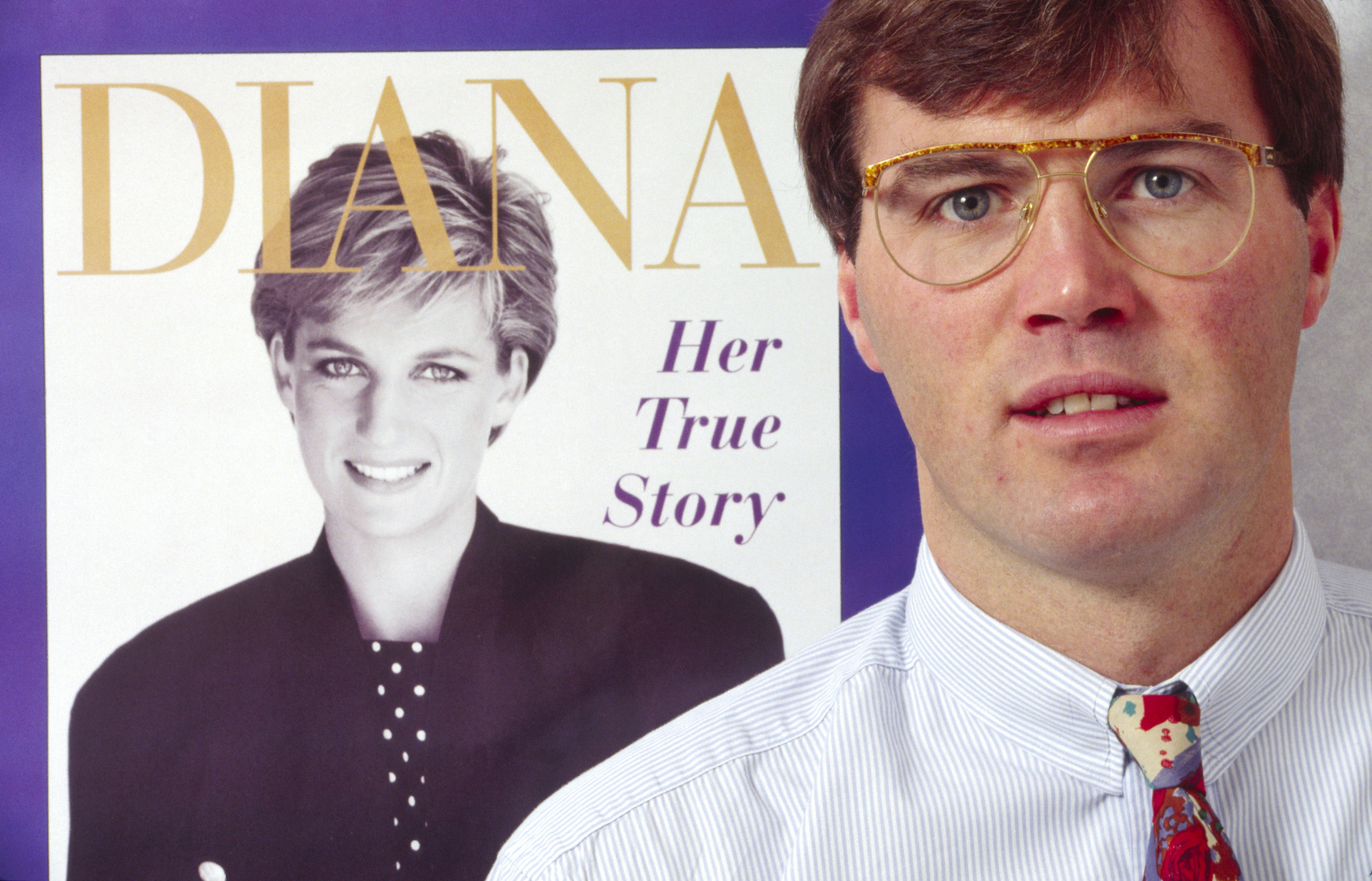
The collaboration between Princess Diana and journalist Andrew Morton resulted in the 1992 publication of "Diana: Her True Story," a landmark biography that fundamentally altered the public’s perception of the British Royal Family. By secretly providing recorded testimony through an intermediary, Diana bypassed traditional Palace protocols to expose her struggles with bulimia, mental health, and the breakdown of her marriage to Prince Charles.
The Genesis of a Royal Rebellion
In the early 1990s, the facade of the "fairytale" marriage between the Prince and Princess of Wales was beginning to crumble internally, though the public remained largely unaware of the depth of the crisis. Andrew Morton, then a seasoned royal reporter, was seeking to write a more authentic account of Diana’s life than the hagiographies typically produced by the "royal pack."
The connection between Morton and Diana was facilitated by Dr. James Colthurst, a close friend of the Princess. Diana felt increasingly silenced and trapped within the "system" of the Monarchy—often referred to as "The Firm." She believed that the Palace press office was working against her interests, briefing the media in favor of Prince Charles. This sense of isolation led her to the radical decision to tell her story directly, albeit covertly.
The logistical challenge was significant: if Diana were seen meeting with a journalist like Morton, it would trigger an immediate investigation by the Palace and Special Branch. To maintain plausible deniability, Morton devised a system where he would send written questions to Dr. Colthurst. Colthurst would then visit Diana at Kensington Palace, where she would record her answers onto cassette tapes while Colthurst sat in another room or waited nearby.
The Secret Tapes: Recording the Truth
The recording process took place throughout 1991. These tapes—six in total—provided the raw material for what would become one of the most explosive books in publishing history. On these tapes, Diana spoke with startling candor about topics that were considered strictly taboo for a member of the Royal Family.
Key Revelations from the Testimony
- The "Three People" in the Marriage: Diana detailed the ongoing presence of Camilla Parker Bowles in her life, confirming that the relationship between Charles and Camilla had never truly ceased.
- Eating Disorders: She gave a harrowing account of her battle with bulimia nervosa, describing it as a "secret disease" that she used as a release valve for the stress of her public role.
- Mental Health Struggles: The Princess admitted to multiple instances of self-harm and "cries for help" during the early years of her marriage, which she felt were ignored or dismissed by the Royal Household.
- Institutional Isolation: She described the "men in grey suits"—the senior courtiers—as a cold and obstructive force that viewed her as a problem to be managed rather than a person to be supported.
Morton has since reflected that listening to the tapes for the first time was an "unsettling" experience. He was hearing a future Queen Consort (as she was then expected to be) describe a life of profound misery and clinical depression. This wasn't just a gossip column; it was a primary-source document of a constitutional crisis in the making.
The Publication and Immediate Aftermath (1992)
When "Diana: Her True Story" was first serialized in The Sunday Times in June 1992, it caused a media firestorm. The headlines regarding her suicide attempts and the Prince's infidelity were so shocking that many initially accused Morton of fabricating the claims.
The Palace's initial reaction was one of stunned silence followed by a concerted effort to discredit the book. The Archbishop of Canterbury and senior politicians expressed concern over the "intrusion" into the private lives of the royals. However, the level of detail in the book—details only an insider could know—led many to suspect that Diana had cooperated, even as she and Morton both publicly denied her direct involvement at the time.
The book’s publication served as the catalyst for the "Annus Horribilis" (1992), a year Queen Elizabeth II described as her most difficult. By December 1992, Prime Minister John Major announced the formal separation of the Prince and Princess of Wales in the House of Commons.
From Deniability to Confirmation: 1997 and Beyond
Andrew Morton maintained the secret of Diana's direct involvement for five years. He famously stated during the initial promotion of the book that he had never met the Princess to interview her—a statement that was technically true but purposefully misleading regarding her role as the source.
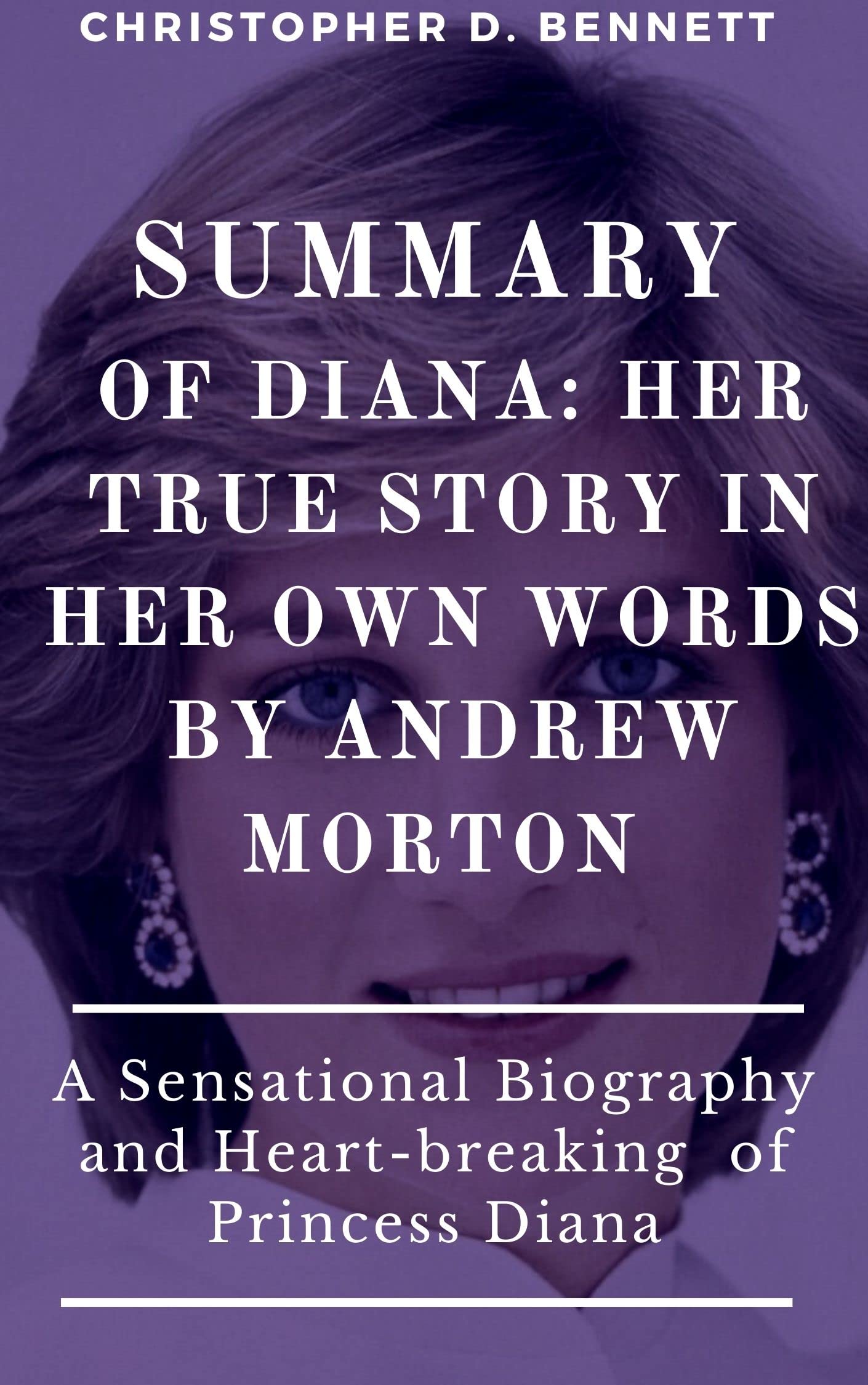
Everything changed in August 1997 following the tragic death of Princess Diana in Paris. Shortly after her funeral, Morton released an updated edition of the book titled "Diana: Her True Story in Her Own Words." In this version, he finally revealed that Diana was indeed the primary source and published the transcripts of the secret tapes.
This revelation changed the status of the book from a "tell-all" biography to a posthumous autobiography. It validated the claims made in 1992 and provided the public with a permanent record of Diana’s perspective on her time within the Royal Family. As of 2026, the book remains a primary reference for historians studying the late 20th-century British Monarchy.
The Legacy of the Morton/Diana Collaboration
The partnership between Morton and Diana set a new precedent for how members of the Royal Family interact with the media. Before 1992, the "stiff upper lip" and "never complain, never explain" mottos were the absolute standard. Diana shattered this, proving that the public was hungry for vulnerability and "the human side" of the institution.
Historical Timeline of the Collaboration
| Year | Key Event | Significance |
|---|---|---|
| 1991 | Recording of the secret tapes | Diana provides six cassettes of testimony via Dr. James Colthurst. |
| 1992 | Publication of "Diana: Her True Story" | The book exposes the breakdown of the royal marriage and Diana's health struggles. |
| 1992 | Separation Announcement | The Prince and Princess of Wales formally separate following the book's fallout. |
| 1996 | Divorce Finalized | The marriage officially ends, largely influenced by the public disclosures. |
| 1997 | Diana's Death & Truth Revealed | Morton confirms Diana was the source and publishes the tape transcripts. |
| 2017 | 25th Anniversary Edition | Release of the "biographer’s cut" with new insights into the recording process. |
Comparative Analysis: Morton vs. Modern Royal Disclosures
In 2026, we can look back at the Morton biography as the "Patient Zero" of modern royal transparency. The echoes of this collaboration can be seen in more recent events, such as the Duke and Duchess of Sussex's interview with Oprah Winfrey and Prince Harry’s memoir, "Spare."
However, there is a distinct difference in strategy. While Prince Harry chose to put his name directly on his disclosures from the start, Diana used Morton as a "human shield." By using a biographer, she could gauge public reaction while officially remaining a "victim" of the press. This nuance allowed her to maintain a level of public sympathy that was more complex than the polarized reactions seen in the 2020s.
Andrew Morton’s career was defined by this collaboration. While he has written about other figures—including Meghan Markle, Tom Cruise, and Monica Lewinsky—none have reached the cultural or political impact of the Diana tapes. For Morton, the book was a journalistic coup; for Diana, it was a desperate bid for freedom.
Critical Reception and Controversy
The book was not without its critics. Traditionalists argued that Diana’s decision to air her grievances in such a manner was a betrayal of the Queen and the institution she represented. They contended that by "opening the curtains" on the Monarchy, she risked destroying its mystique—the very thing that keeps a constitutional monarchy viable.
Conversely, supporters of the Princess argued that the book was a necessary act of self-defense. They pointed to the fact that Diana was being gaslit by the institution, told her feelings were invalid, and that she was "unstable." By getting her story into the public domain, she gained a massive "public jury" that protected her during the subsequent divorce proceedings.
Verification of Facts and Sources
The details of this collaboration have been verified through multiple reputable sources over the last three decades:
- The Tapes: The existence and contents of the tapes were confirmed by the 2017 documentary "Diana: In Her Own Words," which used the original audio.
- James Colthurst: Dr. Colthurst has given numerous interviews (including to The Guardian and the BBC) detailing his role as the "bicycle courier" of the tapes.
- Palace Records: Subsequent biographies of King Charles III, such as those by Jonathan Dimbleby, have corroborated the timeline of the marital breakdown, even if they present the events from a different perspective.
Frequently Asked Questions
Did Princess Diana get paid for the Andrew Morton book?
No, Princess Diana did not receive a direct payment for her collaboration with Andrew Morton. Her primary motivation was not financial gain but "setting the record straight" and gaining leverage within the Royal Family. Morton, however, earned significant royalties, a portion of which he reportedly donated to Diana's charities following her death.
How did the Queen react to the Morton book?
The Queen was reportedly "deeply saddened" and "horrified" by the book. According to royal biographers, she viewed the publication as a breach of trust that damaged the institution. This led to several crisis meetings at Sandringham to discuss the future of the Waleses' marriage.
Are the original Diana/Morton tapes available to the public?
The original audio tapes were used as the basis for the 2017 documentary "Diana: In Her Own Words," aired on Channel 4 and National Geographic. While the full, unedited six hours of audio are not released as a public file, the vast majority of the transcripts are published in the 25th-anniversary edition of Morton's book.
Is Andrew Morton still a royal biographer in 2026?
Yes, Andrew Morton remains active as a biographer and commentator on royal affairs. In 2026, he continues to provide historical context on the transition from the Elizabethan era to the reign of King Charles III, often drawing parallels between the current state of the monarchy and the "war" he documented in the 1990s.
Was the book "Diana: Her True Story" banned by the Palace?
The book was never legally banned, but it was "banned" in spirit. Major bookstores under royal pressure initially hesitated to stock it, and many members of the aristocracy famously refused to have it in their homes. However, these attempts at suppression only served to increase public demand.
Final Recommendation: How to Research This Subject
For those looking to understand the full scope of the Andrew Morton and Princess Diana collaboration, it is recommended to read the 25th Anniversary Edition of "Diana: Her True Story—In Her Own Words." This version includes the most comprehensive transcripts and Morton's retrospective on how the book was researched.
To gain a balanced view, researchers should also consult Jonathan Dimbleby’s authorized biography of Prince Charles, which serves as the "counter-perspective" to Morton's work. Understanding the 1992 media landscape is crucial to grasping why this book was such a monumental shift in the history of the British Crown.