To identify the aircraft type for an American Airlines flight, consult the "Flight Details" link during booking, the "My Trips" section in the mobile app, or search your flight number on the American Airlines website. Knowing the plane type—ranging from the Boeing 787 Dreamliner to the Airbus A321neo—reveals critical information regarding seat dimensions, power outlet availability, and onboard Wi-Fi technology.
Understanding the specific aircraft operating your flight is more than a matter of curiosity for aviation enthusiasts; it is a practical necessity for modern travelers. As of 2026, American Airlines maintains one of the largest and most diverse commercial fleets in the world. This diversity means that the passenger experience can vary significantly depending on whether you are boarding a legacy narrow-body jet, a newly delivered "XLR" model, or a high-capacity wide-body aircraft. By identifying the plane type, you can better manage expectations for legroom, overhead bin space, and the specific tier of "Flagship" service available on your route.
How to Verify Your American Airlines Plane Type
Before diving into the technical specifications of the fleet, it is essential to know how to find the specific model assigned to your journey. American Airlines updates its flight schedules and equipment assignments frequently due to maintenance requirements, seasonal demand, and fleet deliveries.
During the Booking Process
When searching for flights on the American Airlines official website or mobile app, every flight option includes a "Flight Details" or "Details" hyperlink. Clicking this will open a modal window displaying the flight number, the duration, and the aircraft type. In 2026, you will commonly see designations like "Boeing 737 MAX 8" or "Airbus A321neo."
Post-Booking Verification
If you have already purchased a ticket, the most reliable method is to use the American Airlines mobile app. Under the "Trips" tab, selecting your upcoming flight will show the aircraft type alongside the seat map. Because American Airlines often performs "equipment swaps" (changing the plane type for operational reasons), it is advisable to check this 24 to 48 hours before departure.
Third-Party Tracking Tools
For those seeking more granular data, third-party platforms such as FlightAware or FlightRadar24 allow you to enter a flight number to see the specific "tail number" (the unique registration) of the aircraft. These sites often provide the age of the aircraft and its recent flight history, which can be useful for predicting potential delays or confirming if the plane has the latest cabin retrofits.
The Narrow-Body Fleet: Domestic and Short-Haul Backbone
The vast majority of American Airlines flights within North America, the Caribbean, and Central America are operated by narrow-body (single-aisle) aircraft. This segment of the fleet has undergone significant standardization under initiatives like "Project Oasis."
Airbus A321 Family (ceo, neo, and XLR)
The Airbus A321 is the workhorse of the American Airlines fleet. As of 2026, the fleet is split into three primary categories:
- A321ceo (Current Engine Option): These are the older generation models. While they have been retrofitted with updated interiors, they generally lack the fuel efficiency and noise reduction of the newer models.
- A321neo (New Engine Option): These aircraft feature the "Airspace" cabin by Airbus, which includes larger overhead bins (capable of holding bags on their sides) and improved LED lighting to reduce jet lag.
- A321XLR (Extra Long Range): A flagship addition as of the mid-2020s, the XLR is used for "long-thin" routes, such as East Coast US to secondary European cities. These often feature the Flagship Suite, providing a lie-flat experience on a single-aisle plane.
Boeing 737-800 and 737 MAX 8
American Airlines heavily relies on the Boeing 737 family, particularly for mid-range domestic routes.
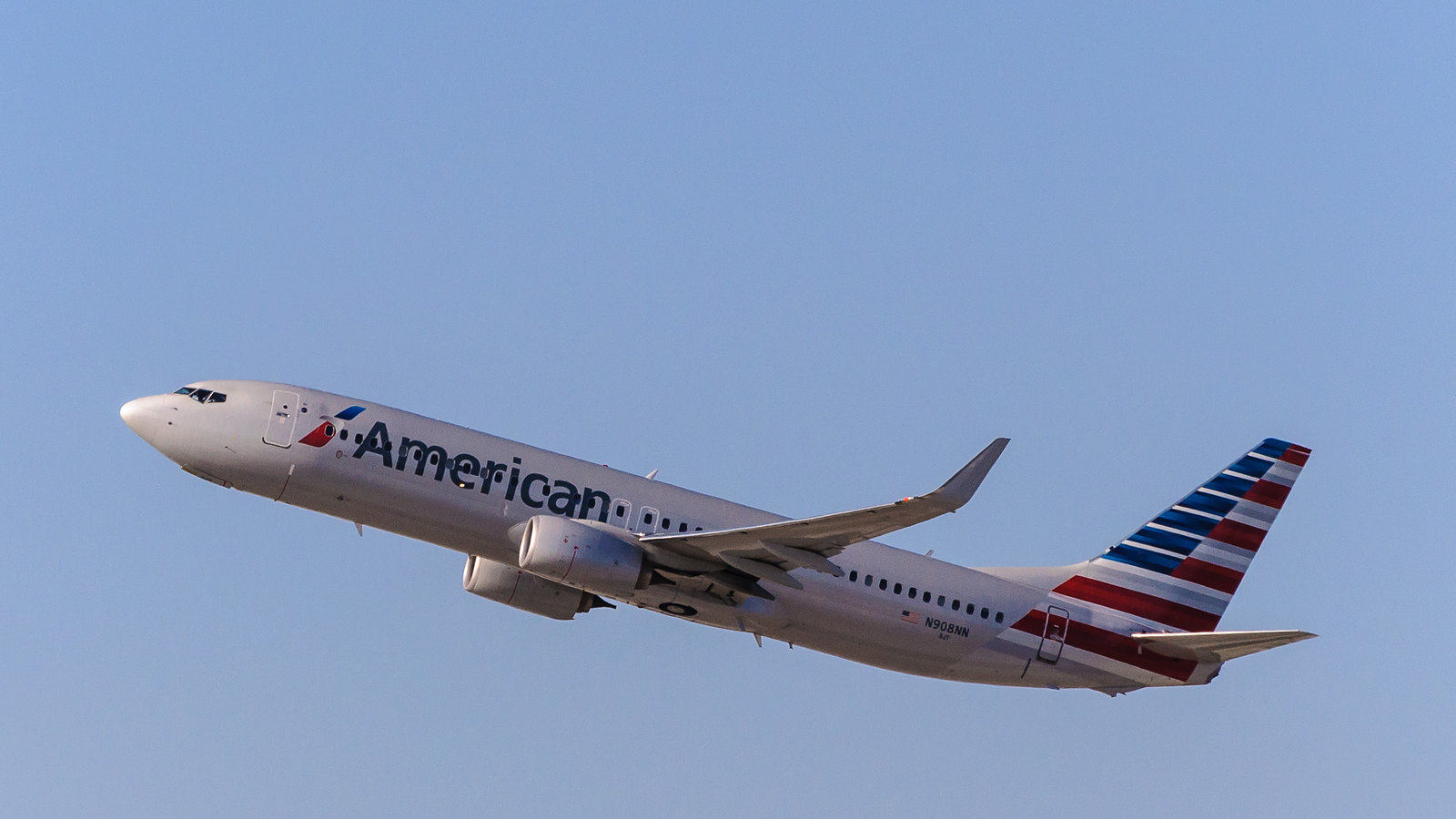
- 737-800: Most of these have been standardized to match the "Oasis" interior, featuring 172 seats. Expect a "pushed back" seat pocket design to maximize knee room, though some passengers find the padding thinner than older generations.
- 737 MAX 8: These planes are quieter and feature the Boeing Sky Interior. From a passenger perspective, the most notable difference is the modern lavatory design and larger pivot bins for carry-on luggage. All American Airlines MAX 8 aircraft are equipped with high-speed satellite Wi-Fi.
Airbus A319 and A320
These are smaller narrow-body aircraft typically used for shorter routes or markets with lower demand. The Airbus A319 is particularly notable for its high performance at "high-and-hot" airports. In 2026, many A319s have been retrofitted to include more Main Cabin Extra seating, making them a favorite for elite frequent flyers looking for upgrades.
The Wide-Body Fleet: International and Premium Transcontinental
For long-haul international flights to Europe, Asia, and South America, American Airlines utilizes wide-body (twin-aisle) aircraft. These planes offer the most premium amenities, including the multi-class Flagship service.
Boeing 777 Family (200ER and 300ER)
The Boeing 777 remains the flagship of the long-haul fleet.
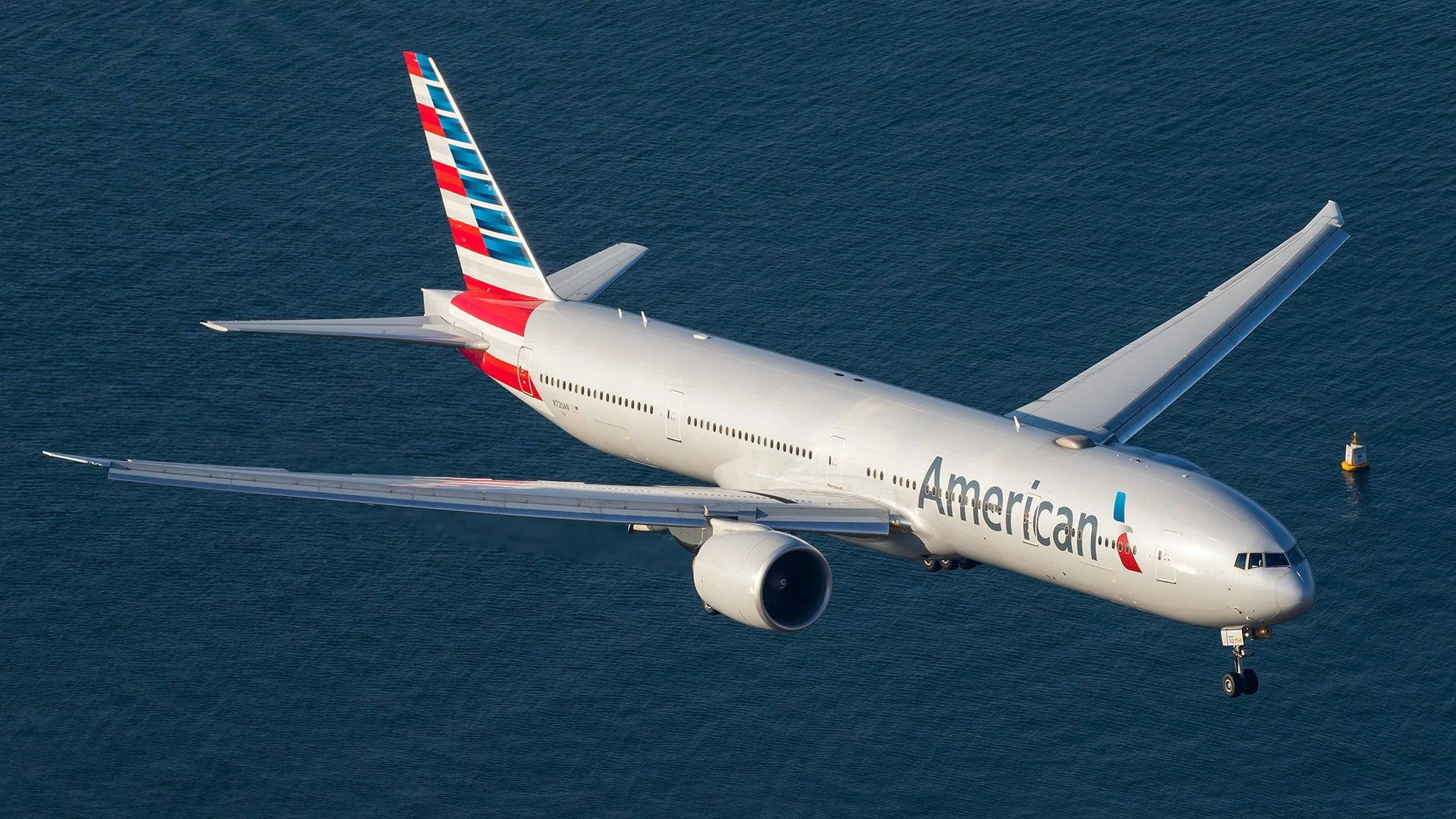
- 777-300ER: This is the largest plane in the fleet. By 2026, American has transitioned many of these to include the new Flagship Suite with privacy doors. It typically features four cabins: Flagship Business/Suites, Premium Economy, Main Cabin Extra, and Main Cabin.
- 777-200ER: A slightly smaller version used on routes like Dallas to London or Miami to Buenos Aires. While it lacks the sheer capacity of the -300ER, it provides a consistent lie-flat business class experience across the entire sub-fleet.
Boeing 787 Dreamliner (8 and 9)
The Dreamliner is preferred by many passengers due to its lower cabin altitude (making it easier to stay hydrated) and higher humidity levels.
- 787-8: Used for lower-demand international routes or high-demand domestic hub-to-hub flights. It is the shortest wide-body in the fleet but still offers a full-aisle access business class.
- 787-9: The larger variant. In 2026, American Airlines has taken delivery of new 787-9s specifically configured with an expanded Premium Economy cabin and the latest suite products to cater to the growing demand for premium leisure travel.
Regional Fleet: American Eagle
Flights to smaller regional airports are operated by "American Eagle," which is a brand name for several regional carriers like Envoy Air, Piedmont, and PSA.
- Embraer 170/175: These are highly popular among travelers because they feature a 2-2 seating configuration in the Main Cabin, meaning there are no middle seats.
- CRJ-700/900: These Mitsubishi (formerly Bombardier) jets are common on the East Coast. While they offer a 2-2 configuration, the overhead bins are significantly smaller than those on the Embraer or mainline jets, often requiring "valet" tagging of carry-on bags.
Comparison of American Airlines Aircraft Specifications (2026)
The following table summarizes the key metrics for the most common aircraft types you will encounter when flying American Airlines.
| Aircraft Type | Typical Capacity | Best For | Power/USB | Wi-Fi Type |
|---|---|---|---|---|
| Boeing 777-300ER | 304 | Ultra-long-haul | All Seats | Satellite (Panasonic) |
| Boeing 787-9 | 285 | Transpacific/Atlantic | All Seats | Satellite (Viasat) |
| Airbus A321neo | 196 | Domestic/Hawaii | All Seats | Satellite (Viasat) |
| Boeing 737 MAX 8 | 172 | North America | All Seats | Satellite (Viasat) |
| Airbus A321XLR | 154 | Long-thin Int'l | All Seats | Satellite (Viasat) |
| Embraer 175 | 76 | Regional/Short | First Class Only* | Air-to-Ground/Sat |
*Note: Many regional aircraft are being retrofitted with power in all rows; however, as of 2026, some older CRJ and E175 models may still only offer power in the premium cabin.
Onboard Amenities by Plane Type
Identifying the plane type is the first step in knowing what kind of "soft product" you will receive.
High-Speed Wi-Fi and Entertainment
American Airlines has moved away from seatback screens on most of its narrow-body fleet (737s and A321s) in favor of a "Bring Your Own Device" (BYOD) model. On these planes, you will find tablet holders and high-speed Viasat Wi-Fi that supports streaming services like Netflix or HBO Max. Conversely, the wide-body fleet (777s and 787s) continues to offer large, high-definition seatback entertainment screens alongside international Wi-Fi.
Seating Tiers
- Flagship Suite: Available on the A321XLR and retrofitted/new-delivery 787-9s and 777-300ERs. These feature sliding doors for privacy.
- Flagship Business: The standard international business class with lie-flat seats.
- Premium Economy: A distinct cabin with wider seats, more recline, and enhanced dining. This is available on all wide-body aircraft and the A321XLR.
- Main Cabin Extra: Not a separate class, but seats with up to 6 inches of additional legroom. These are found on almost every American Airlines aircraft, including regional jets.
Technical Nuances: Why Aircraft Type Matters for Logistics
Beyond comfort, the plane type influences boarding and baggage. For instance, the Airbus A321neo features "XL Bins," which allow standard roll-aboard bags to be stored on their sides. This significantly increases the number of bags that fit in the cabin, reducing the likelihood of your bag being gate-checked.
Additionally, the plane type determines the "boarding group" efficiency. Larger planes like the Boeing 777-300ER use two jet bridges at some major hubs (like DFW or LHR), allowing for faster boarding of the premium cabins. If you are flying on a CRJ-900, you must be prepared to leave your larger carry-on at the end of the jet bridge for valet service, as the overhead bins cannot accommodate standard suitcases.
Common Mistakes When Identifying Aircraft
- Confusing the A321ceo with the A321neo: While they look similar, the neo is much quieter and has more reliable power outlets. Look for the "mask" around the cockpit windows and larger engines on the neo.
- Assuming all 777s are the same: The 777-200ER and 777-300ER have different seat maps. A seat "5A" might be in the middle of a cabin on one and at the front on another. Always check the seat map for your specific flight.
- Ignoring the "Operated by" text: If your flight is operated by Air Wisconsin, Republic Airways, or SkyWest, you are on a regional jet, regardless of the American Airlines flight number.
FAQ
How can I tell if my American Airlines flight has a lie-flat seat?
Lie-flat seats are standard in "Flagship Business" and "Flagship Suite" cabins. These are typically found on all Boeing 777 and 787 aircraft, as well as the Airbus A321XLR and the specially configured A321T (used on transcontinental routes like JFK-LAX). If your seat map shows a 1-2-1 or 2-2-2 configuration where seats turn into beds, it is a lie-flat product.
Is the Boeing 737 MAX 8 safe to fly in 2026?
Yes. Following its worldwide grounding in 2019 and subsequent recertification in late 2020, the 737 MAX has become one of the most scrutinized and frequently flown aircraft in history. By 2026, it has a proven safety record with millions of flight hours across the American Airlines network.
Does American Airlines still have seatback screens on domestic flights?
On most narrow-body domestic flights (Airbus A319/A320/A321 and Boeing 737), American Airlines has removed seatback screens to reduce weight and maintenance. Instead, they provide free streaming entertainment to your personal phone, tablet, or laptop via the onboard Wi-Fi portal. Seatback screens remain standard on all wide-body aircraft.
What is the difference between the Airbus A321 and the A321neo?
The A321neo (New Engine Option) features more fuel-efficient engines, larger "Airspace" overhead bins, and a quieter cabin environment compared to the older A321ceo. The neo also typically features more modern interior finishes and better power outlet reliability.
How do I know if my plane has the new Flagship Suite with a door?
In 2026, Flagship Suites with privacy doors are being rolled out on new-delivery Boeing 787-9s and Airbus A321XLRs. They are also being retrofitted onto existing Boeing 777-300ERs. To confirm, view your seat map; if the business class seats are arranged in a way that suggests individual "pods" with a door icon or description, it is the new Suite product.
Practical Recommendation
When booking with American Airlines, always prioritize the Boeing 787 Dreamliner or the Airbus A321neo for the best overall cabin experience. If you are traveling on a regional route, look for flights operated by the Embraer 175 to avoid the middle seat and the cramped overhead bins of the CRJ series. Always re-verify your aircraft type 24 hours before your flight via the American Airlines app to ensure no "equipment swaps" have changed your seating or amenity availability.