The White House is far more than a residence or an office; it is a self-contained ecosystem equipped with specialized amenities designed to support the President’s personal life, diplomatic duties, and national security requirements. From underground bunkers and high-tech command centers to private bowling alleys and professional-grade pastry shops, these facilities ensure the executive branch remains functional and secure 24/7.
As of 2026, the White House continues to serve as the ultimate "living museum," blending 18th-century architecture with 21st-century technology. While the public often focuses on the iconic Oval Office, the true complexity of the building lies in its hidden amenities—the functional spaces that allow the First Family and their staff to operate within a highly restricted security bubble. Understanding these amenities provides insight into how the American presidency functions as both a domestic household and a global command center.
The Evolution of Presidential Comfort and Functionality
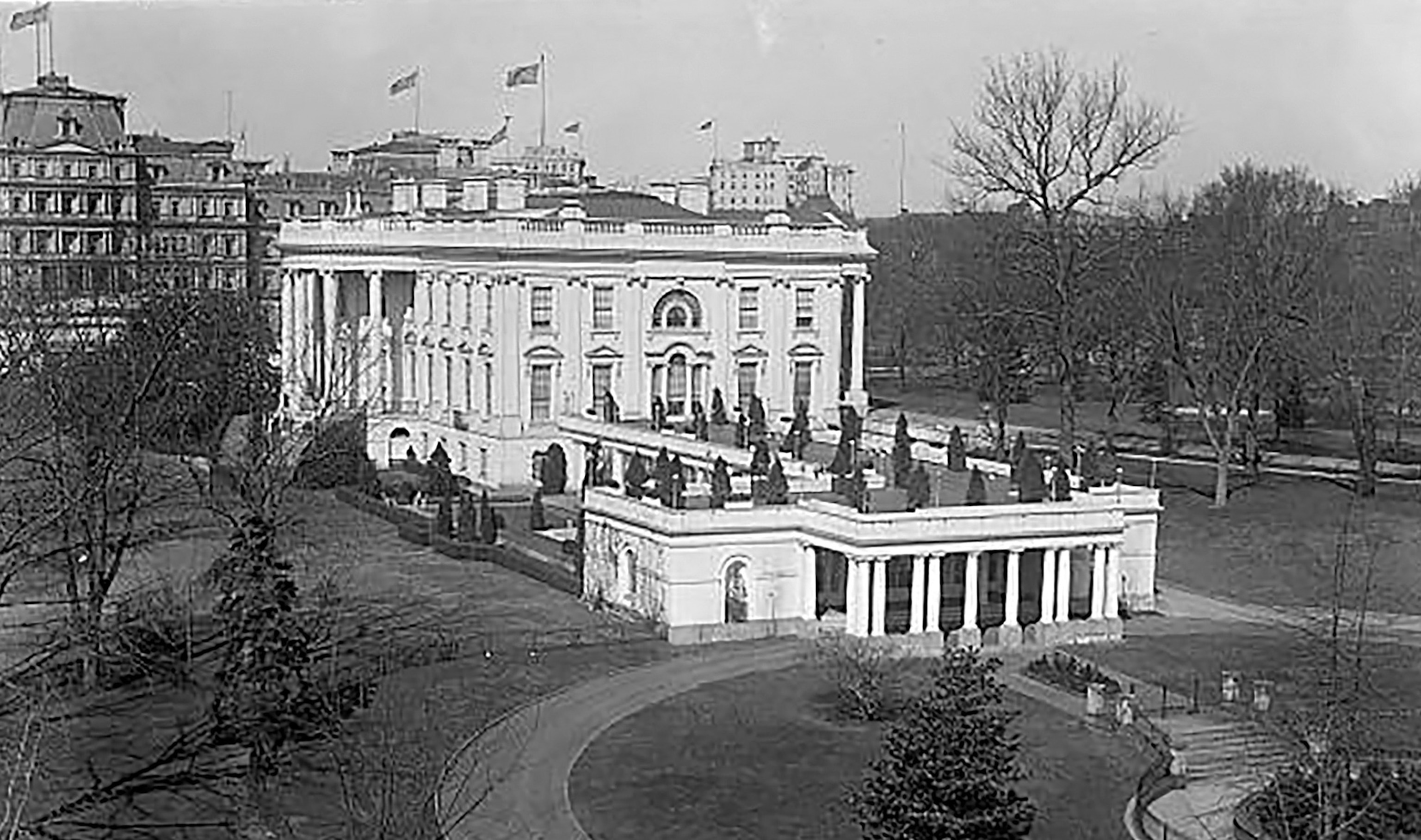
When John Adams moved into the White House in 1800, it lacked even basic plumbing. Over more than two centuries, the building has undergone massive structural overhauls, most notably the Truman Reconstruction (1948–1952), which gutted the interior to install a steel frame. This renovation laid the groundwork for many of the modern amenities seen today.
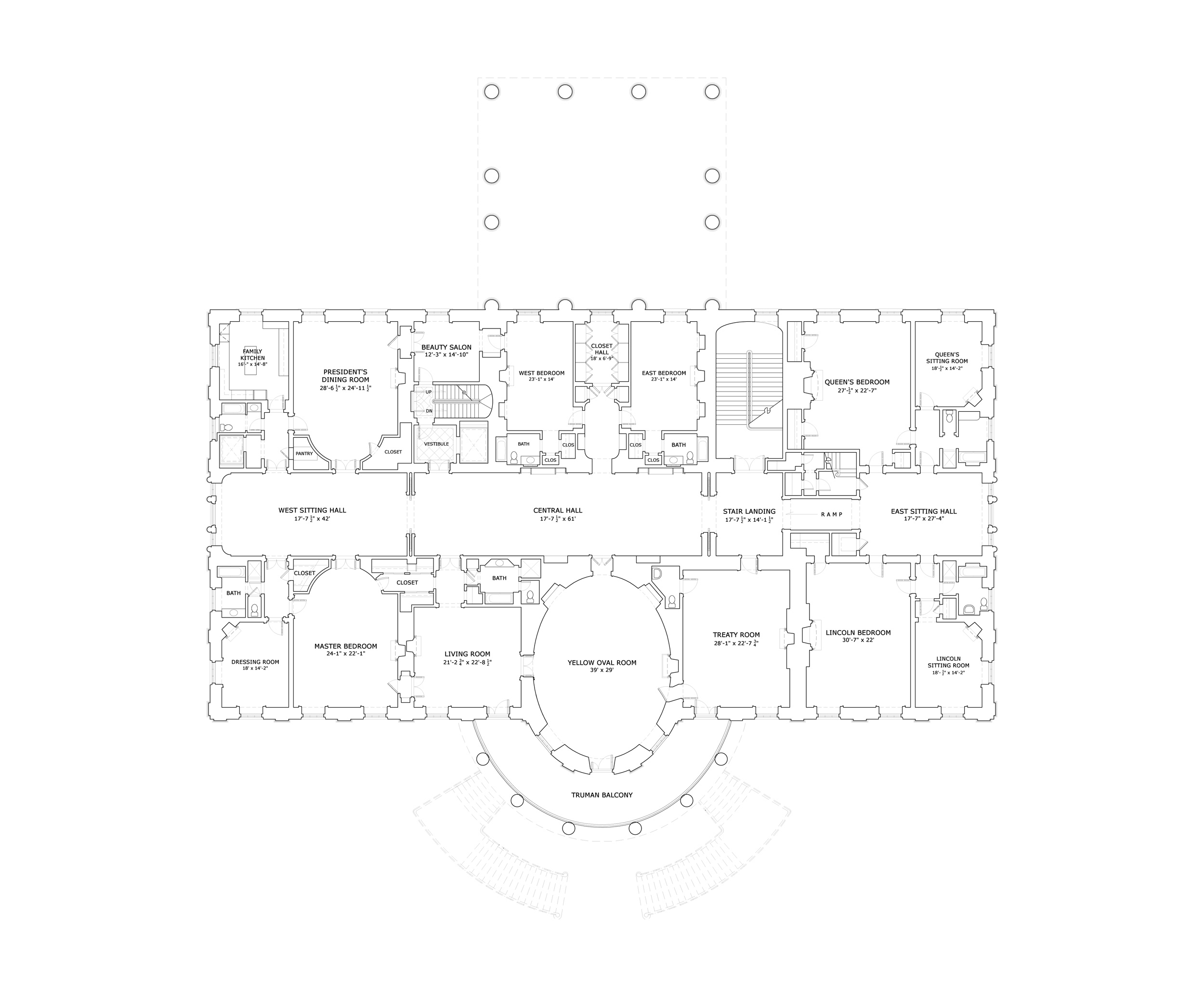
The amenities are strategically distributed across three main areas: the Executive Residence (the central building), the West Wing (the hub of policy and staff), and the East Wing (the office of the First Lady and the social nerve center). Additionally, the grounds and subterranean levels house facilities that most visitors never see.
Recreational Amenities: Balancing Stress with Leisure
The presidency is often described as one of the most stressful jobs in the world. To mitigate this, various presidents have added recreational facilities that allow for physical activity and relaxation without leaving the secure perimeter.
The White House Theater
Located in the East Wing, the White House Theater was originally a cloakroom. In 1942, Franklin D. Roosevelt had it converted into a movie theater. Today, it is a 40-plus seat facility capable of screening the latest Hollywood releases, often before they hit public cinemas. It also serves as a rehearsal space for performers appearing at White House social events.
The Bowling Alley
There have been two different bowling alleys in the history of the White House. The first was built for Harry S. Truman in 1947. The current version, a single-lane alley, was installed under the North Portico driveway by Richard Nixon, an avid bowler, in 1969. It remains a popular spot for the First Family and guests to unwind.
The Swimming Pool and Putting Green
The White House has an outdoor swimming pool, located near the West Wing, which was installed by Gerald Ford in 1975. Interestingly, an older indoor pool—built for FDR’s physical therapy—still exists beneath the floor of the James S. Brady Press Briefing Room. In addition to the pool, the South Lawn features a putting green, first installed by Dwight D. Eisenhower and later moved and updated by Bill Clinton.
The Tennis and Basketball Courts
The outdoor tennis court on the South Grounds has been a staple since the early 20th century. During the Obama administration, the court was modified with removable hoops and line markings to allow it to function as a full-length basketball court, reflecting the personal interests of the First Family while maintaining the flexibility of the space.
Professional and Command Amenities
Beyond leisure, the White House contains highly specialized professional amenities that facilitate the day-to-day operations of the U.S. government.
The Situation Room
Perhaps the most famous high-tech amenity, the Situation Room is a 5,000-square-foot complex located in the basement of the West Wing. It is managed by the National Security Council and provides the President with secure communications and intelligence monitoring. A comprehensive 2023 renovation modernized its tech stack, ensuring that as of 2026, it remains the gold standard for global crisis management.
The Navy Mess
Operated by the United States Navy, the White House Mess is a private dining facility located in the West Wing basement. It is not a "mess hall" in the traditional military sense but a fine-dining establishment where senior staff can eat in a secure environment. It also provides catering for the Oval Office and the Situation Room during long working hours.
The James S. Brady Press Briefing Room
This is where the Press Secretary addresses the media. While it appears large on television, it is a relatively small, tiered room built directly over the old FDR swimming pool. It includes workspaces for various news organizations, though space is so limited that "amenities" for journalists are notoriously cramped.
Specialized Service Shops: The "Mini-City" Concept
One of the most overlooked aspects of the White House is the array of specialized shops located in the basement of the Executive Residence. These facilities allow the White House to operate independently of outside vendors for most daily needs.
- The Flower Shop: A full-service floral design studio that handles everything from the simple bouquets in the Red Room to the massive centerpieces for State Dinners.
- The Chocolate Shop: Part of the Pastry Kitchen, this area is dedicated to creating elaborate edible centerpieces and desserts.
- The Calligraphy Office: Located in the East Wing, this office employs professional calligraphers who hand-letter every invitation, place card, and official greeting sent by the President.
- The Carpentry and Upholstery Shops: Expert craftsmen are on-site to maintain the historic furniture and repair the structural elements of the 132-room mansion.
Security and Emergency Facilities
In a post-9/11 world, and continuing into 2026, the security amenities of the White House are among its most critical features.
The Presidential Emergency Operations Center (PEOC)
Located deep beneath the East Wing, the PEOC is a secure bunker designed to protect the President and other high-ranking officials during an emergency. It is built to withstand nuclear blasts and is equipped with sophisticated communication systems to ensure the continuity of government.
The Medical Unit
The White House Medical Unit (WHMU) is essentially a mini-hospital. It is staffed by military doctors and nurses who provide 24/7 care for the President, Vice President, and their families. It includes emergency trauma equipment and can stabilize a patient before transport to Walter Reed National Military Medical Center.
Detailed Comparison of Major White House Amenities
The following table summarizes the key amenities available within the White House complex as of 2026.
| Amenity | Location | Year Established | Primary Function |
|---|---|---|---|
| Situation Room | West Wing (Basement) | 1961 | Secure intelligence and crisis management. |
| White House Theater | East Wing | 1942 | Film screenings and performance rehearsals. |
| Navy Mess | West Wing (Basement) | 1951 | Secure dining for senior executive staff. |
| Bowling Alley | Under North Portico | 1969 | Private recreation for the First Family. |
| Medical Unit | Residence Level | Late 19th Century | Comprehensive medical care and emergency stabilization. |
| Calligraphy Office | East Wing | Early 20th Century | Official social and diplomatic correspondence. |
| Chocolate Shop | Ground Floor | Various | Specialized pastry and dessert production. |
| Tennis/BBall Court | South Grounds | 1891 (Tennis) | Outdoor physical fitness and recreation. |
The Kitchens: Feeding a Nation’s Guests
The White House kitchens are divided into two main sections: the main kitchen and the pastry kitchen. Together, they are capable of serving dinner to 140 guests or hors d'oeuvres to more than 1,000.
The Main Kitchen is located on the Ground Floor and is staffed by a purely professional culinary team (not military). They manage everything from the First Family’s private breakfast to massive State Dinners. The technological updates over the years have integrated modern commercial appliances while maintaining the ability to produce classical, high-end cuisine.
The Pastry Kitchen, located nearby, is responsible for the famous "Gingerbread White House" during the holidays and all formal desserts. Because the White House hosts so many foreign dignitaries, the culinary staff must be experts in dietary restrictions and international cuisines, making the kitchen one of the most versatile amenities in the building.
Frequently Asked Questions
Can the public use the White House amenities?
No. The amenities such as the bowling alley, theater, and pool are strictly for the use of the First Family, their invited guests, and authorized staff. Public tours are restricted to the State Rooms (such as the Blue Room, Green Room, and East Room) and do not include the private residence or recreational facilities. Information on public tours can be found through the National Park Service.
Who pays for the food and personal amenities in the White House?
While the government pays for official functions like State Dinners, the President and First Lady are personally billed for their private groceries and personal items (such as toothpaste or dry cleaning). The staff to run the amenities (like the chefs and calligraphers) are federal employees, but the "consumables" for the First Family’s private life come out of the President’s salary.
Is there a secret tunnel system in the White House?
There are secure, reinforced corridors that connect the West Wing, the East Wing, and the PEOC. These are not "secret" in the sense of conspiracy theories, but they are highly restricted for security and emergency evacuation purposes.
Is the indoor swimming pool still usable?
The original indoor pool built for FDR is no longer a pool; it houses the infrastructure for the Press Briefing Room. However, the outdoor pool remains fully functional and is heated for year-round use.
Are there any amenities for the President’s pets?
Yes, the White House grounds include various areas suitable for pets. While there isn't a "luxury kennel," the vast South Lawn provides ample space for exercise. Historically, presidents have also added small features for pets, such as the dog run installed during the Nixon era.
Strategic Maintenance and Future Outlook
Maintaining the amenities of a 200-year-old building requires constant vigilance. The White House Historical Association works alongside the National Park Service and the General Services Administration to ensure that any upgrades to amenities do not compromise the building's historical integrity.
As we look further into 2026 and beyond, the focus of White House amenities has shifted toward sustainability and cybersecurity. Modernizing the HVAC systems to be more energy-efficient and ensuring that every recreational space is shielded from electronic eavesdropping are now just as important as the physical maintenance of the tennis courts or the bowling alley.
Practical Recommendation
For those interested in a deeper look at the layout and historical evolution of these facilities, the White House Historical Association offers virtual tours and detailed architectural histories. If you are planning a visit to Washington D.C., remember that public tours must be requested through your Member of Congress at least 21 days in advance, though these tours focus on the historic State Rooms rather than the private amenities described above.