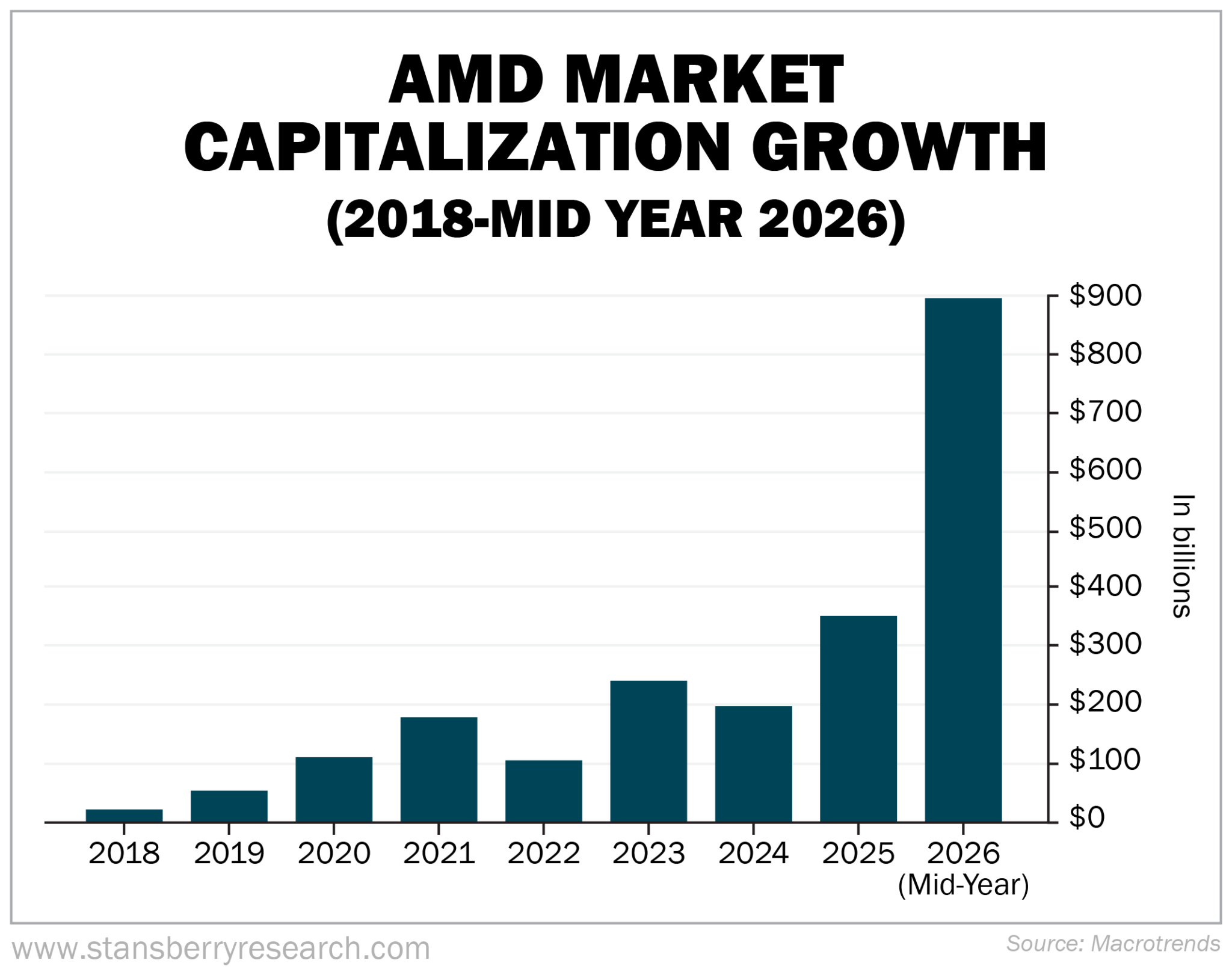
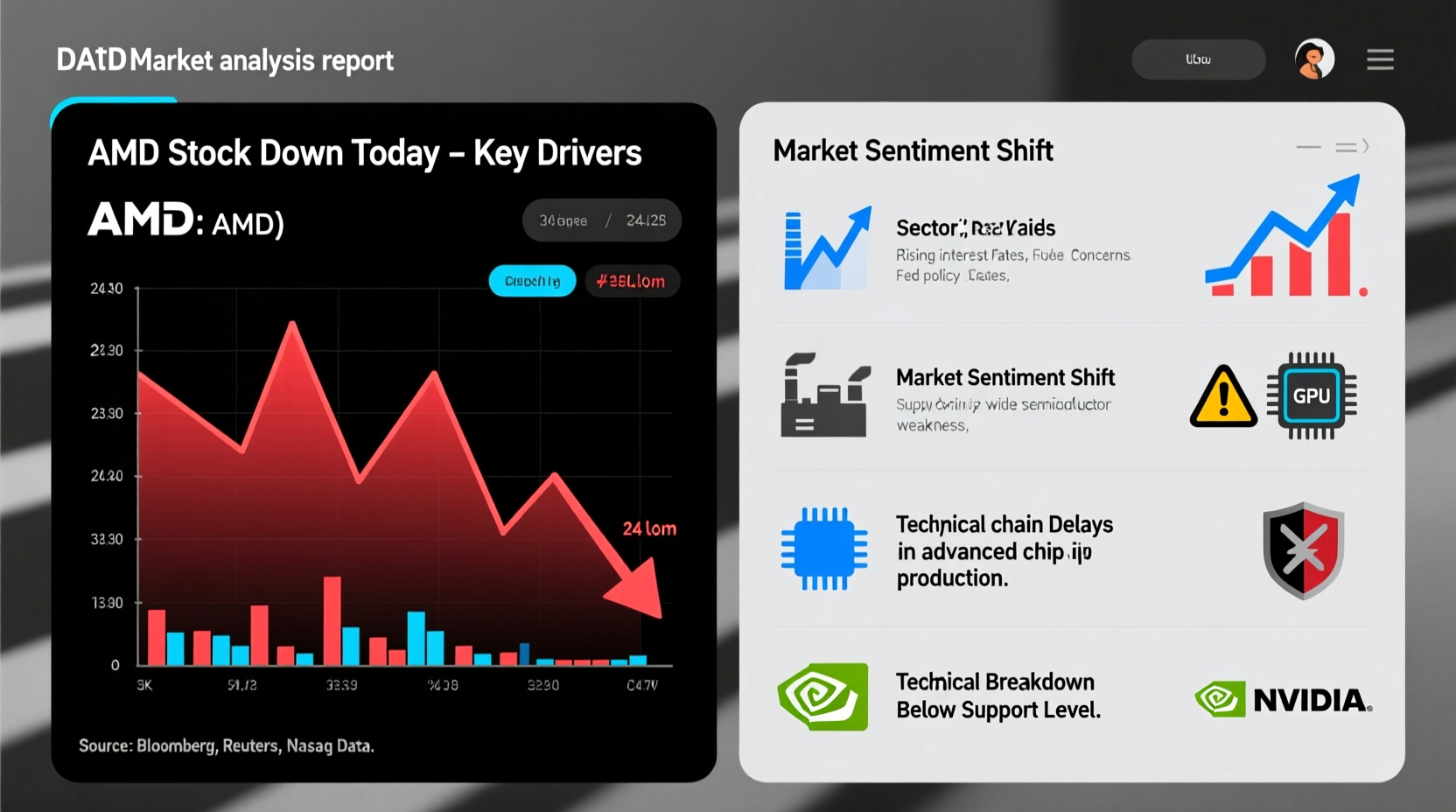
AMD (Advanced Micro Devices, Inc.) remains a focal point for investors and technology analysts as the semiconductor sector continues to evolve through 2026. Monitoring AMD involves tracking its competitive positioning in high-performance computing, data center expansion, and client processing, alongside broader macroeconomic pressures, supply chain dynamics, and the company's financial performance relative to historical benchmarks and industry peers.
Understanding the AMD Market Watch Ecosystem
When analysts refer to an "AMD market watch," they are typically observing a confluence of factors that influence the company’s valuation and operational trajectory. Unlike a simple stock quote check, a comprehensive market watch requires a synthesis of product release cycles, architectural transitions, and the shifting demands of hyperscale cloud providers.
As of 2026, the semiconductor landscape is defined by the intensifying demand for accelerated computing. AMD’s strategy has centered on its EPYC server processors and Instinct AI accelerators. For those tracking the company, the primary focus is not merely on unit volume, but on the "attach rate" of its high-margin hardware within the massive infrastructure deployments of companies like Microsoft, Meta, and Oracle.
The Pillars of AMD’s Competitive Position
To effectively analyze the market, one must evaluate the three pillars of the AMD business model: the Data Center, Client, and Embedded segments. Each plays a distinct role in the company's financial health and market perception.
1. Data Center and AI Infrastructure
The Data Center segment is arguably the most scrutinized aspect of AMD's operations. Since the maturation of the Zen 4 and Zen 5 architectures, and the subsequent expansion of the CDNA (Compute DNA) architecture for AI, AMD has moved from a challenger to a primary alternative in the AI-GPU space. An effective market watch involves looking for "design wins"—instances where major cloud service providers commit to integrating AMD silicon into their specialized AI clusters.
2. Client Computing
The desktop and mobile processor market, while cyclical, remains a vital revenue stream. The competitive dynamic between AMD’s Ryzen series and Intel’s Core series dictates much of the short-term market sentiment. Investors and tech enthusiasts monitor market share shifts as reported by firms like Mercury Research. Fluctuations in consumer demand, largely driven by the PC refresh cycle and the adoption of AI-capable hardware (NPU integration), provide the baseline for this segment.
3. Embedded and Semi-Custom
The inclusion of Xilinx technology has fundamentally changed the AMD narrative. The embedded segment, which services automotive, telecommunications, and industrial automation, offers a more stable revenue stream compared to the volatility of the consumer PC space. Tracking this segment involves monitoring global industrial capital expenditure and the evolution of automotive electronics, where AMD’s adaptive SoCs (Systems on a Chip) are increasingly deployed.
Macroeconomic Factors Influencing AMD
Beyond product-specific performance, AMD is heavily sensitive to the broader macro environment. As a "fabless" company, AMD relies on foundries—predominantly TSMC—to manufacture its chips. Consequently, an essential part of an AMD market watch is the monitoring of foundry capacity and pricing. If foundry costs rise due to geopolitical tensions or raw material shortages, AMD’s gross margins face immediate pressure.
Furthermore, interest rates in 2026 continue to play a role in how capital-intensive companies like AMD are valued. High interest rates generally compress the multiples applied to growth-oriented technology stocks. Analysts watch the Federal Reserve’s movements as a proxy for how the cost of borrowing—both for AMD and for their customers—will influence future spending on data center infrastructure.
Table: Comparative Analysis of AMD Market Drivers
| Driver Type | Component | Impact on AMD Valuation |
|---|---|---|
| Product | AI Accelerator Shipments | High (Directly affects revenue growth) |
| Operational | Foundry Yield Rates (TSMC) | High (Influences gross margin) |
| Financial | Debt-to-Equity Ratio | Medium (Reflects balance sheet health) |
| Strategic | Server Market Share | Very High (Long-term growth trajectory) |
| Macro | Global Semiconductor Cycle | Medium (Cyclical demand fluctuations) |
Analyzing Financial Disclosures and Guidance
Investors performing their own market watch should prioritize the company’s quarterly earnings calls and the accompanying 10-Q and 10-K filings filed with the U.S. Securities and Exchange Commission (SEC).
When reviewing these documents, focus on the following:
- Gross Margin Trends: A contraction in gross margin often indicates either increased competition forcing price cuts or higher costs associated with production and packaging.
- Operating Expenses (OpEx): High R&D spending is expected for a company in AMD’s position, but investors monitor whether this spending is yielding commensurate revenue growth.
- Inventory Levels: A sharp increase in channel inventory can be a warning sign that demand is cooling faster than the company anticipated.
Managing Risk and Uncertainty
A responsible market watch includes a candid assessment of risks. AMD faces significant execution risk. As they shrink node sizes—moving toward 2nm and beyond—the technical difficulty increases. Any failure to hit yield targets on a new architecture can result in a significant drop in market confidence.
Additionally, the regulatory environment for semiconductors is increasingly restrictive. Export controls affecting high-end AI chips to various regions represent a tangible, evolving risk that directly impacts the addressable market for AMD’s most profitable products. Staying updated on Department of Commerce regulations is essential for anyone following the long-term viability of the company’s international revenue.
Frequently Asked Questions
What are the best sources for official AMD financial information? The most reliable source is the official AMD Investor Relations website, which hosts all quarterly earnings reports, SEC filings (10-K, 10-Q, 8-K), and transcripts from analyst calls. These documents provide the legal and financial reality of the company’s status as of the reporting date.
How does the semiconductor cycle impact AMD stock? Semiconductor companies often move in cycles characterized by periods of oversupply followed by supply shortages. Because AMD is fabless and highly dependent on high-end nodes, it is sensitive to the "cycle" of foundry capacity and the willingness of data center operators to invest in new capital equipment.
Why is TSMC capacity mentioned so often in AMD market watches? AMD does not own chip fabrication plants. By outsourcing manufacturing to TSMC, AMD’s ability to sell product is capped by the number of wafers TSMC can provide. If TSMC is at full capacity, AMD cannot scale, even if demand is high.
How do AI accelerators differ from standard CPUs in AMD’s portfolio? While CPUs (like the EPYC line) are designed for general-purpose computing, AI accelerators (like the Instinct line) are architected specifically for the massive parallel processing required by large language models and machine learning. The profit margins and growth rates for accelerators are currently the primary drivers of investor enthusiasm.
What should I look for in an AMD analyst report? Seek reports that differentiate between "cyclical" demand (temporary fluctuations) and "secular" growth (long-term structural shifts). A high-quality report should also clearly state the analyst's assumptions regarding foundry costs and competitive threats from primary rivals like NVIDIA and Intel.
Is it possible to track AMD’s market share in real-time? True real-time tracking is impossible, as official market share data (from sources like Mercury Research or IDC) is typically released with a lag of several months. Market participants often use "proxy" data, such as retail pricing trends or anecdotal cloud provider capacity reports, to estimate current market shifts.
Next Steps for Investors and Analysts
To maintain an effective watch, establish a routine that balances long-term strategic analysis with short-term data gathering. Begin by reading the most recent quarterly earnings transcript to understand management’s current sentiment and guidance. Follow this by monitoring reputable trade publications for news regarding TSMC’s capacity and major enterprise procurement announcements.
If you are evaluating AMD for a portfolio, ensure your assessment is grounded in the company's ability to maintain its technological lead, particularly in the AI hardware race. The market rewards consistent execution, and in the semiconductor industry, that means delivering higher performance at competitive power envelopes on schedule.