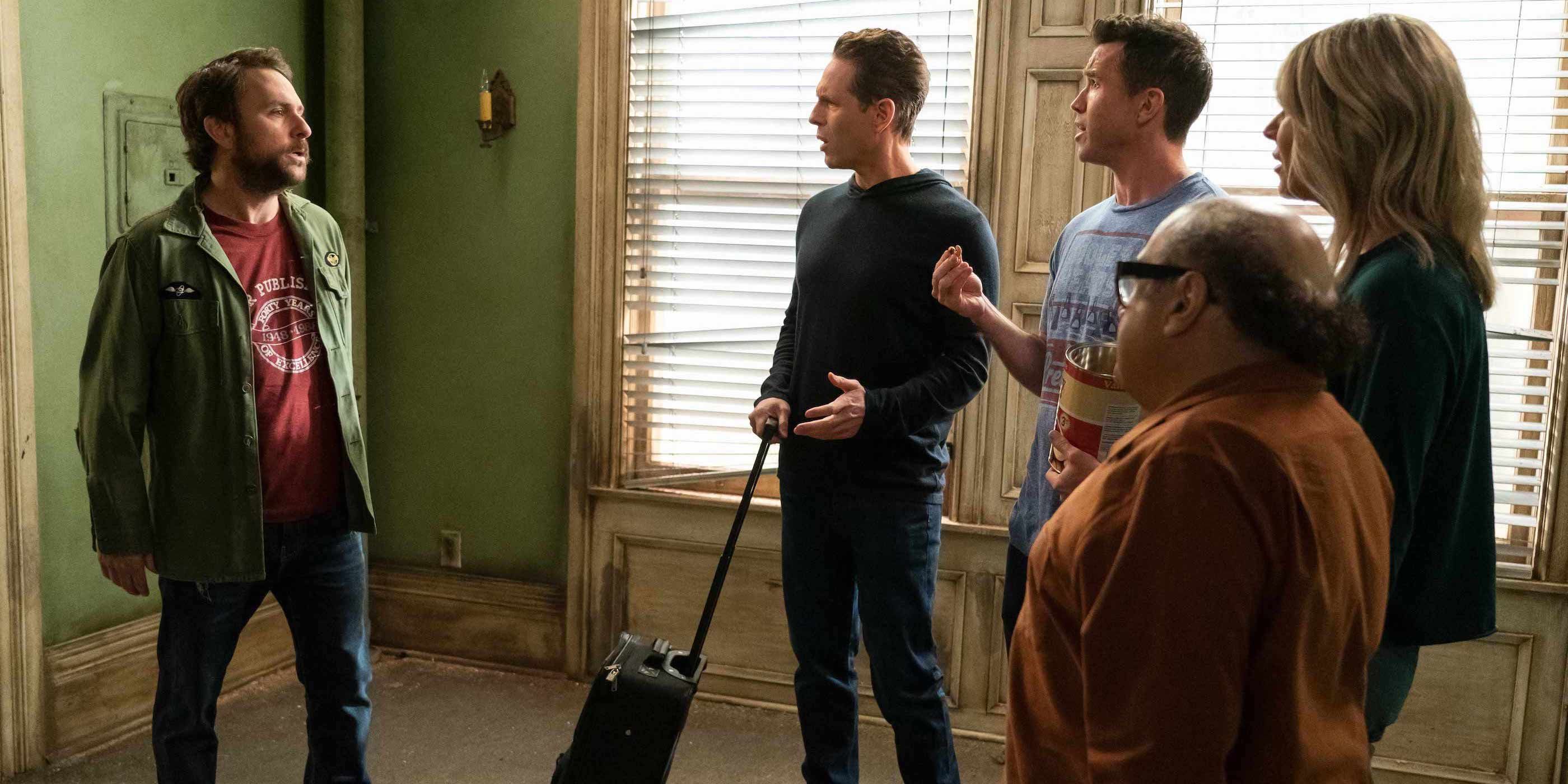
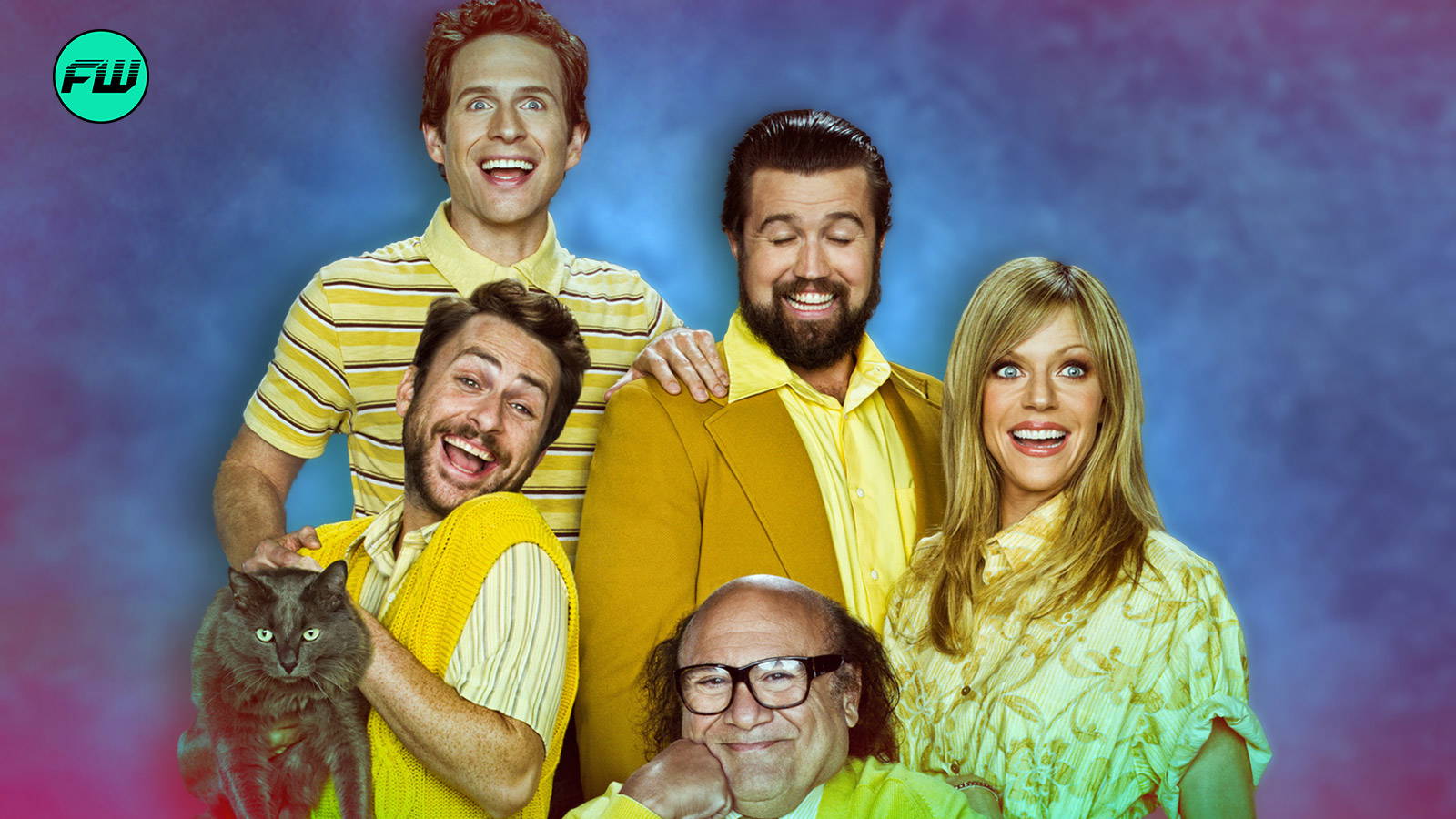
It’s Always Sunny in Philadelphia has cemented its legacy as the longest-running live-action sitcom in American television history. From its humble $200 pilot to its status as a cultural powerhouse in 2026, the show’s success is built on a foundation of DIY ethics, uncompromising satire, and a uniquely talented core cast.
The DIY Origins and the $200 Pilot
One of the most enduring "Always Sunny" facts involves its shoestring beginnings. In the early 2000s, Rob McElhenney was a struggling actor in Los Angeles waiting tables. Along with friends Glenn Howerton and Charlie Day, he decided to stop waiting for roles and start creating them. The trio filmed a short pilot on a handheld digital camcorder with a budget often cited as being between $85 and $200—the majority of which was spent on tapes and pizza for the actors.
The original concept, titled It’s Always Sunny on TV, featured the actors playing versions of themselves in Los Angeles. The plot of the original short centered on a friend telling the others he had cancer, only for the "friends" to react with complete narcissism and indifference. When FX picked up the show, the setting was moved to Philadelphia, and the characters were shifted from struggling actors to the proprietors of a failing Irish pub. This change was crucial, as it allowed the show to explore a broader range of social themes and blue-collar frustrations that would have been lost in a Hollywood-centric setting.
The Strategic Evolution of "The Gang"
The core chemistry of the show relies on the fact that the main characters—Dennis, Mac, Charlie, and Dee—are genuinely terrible people. However, the development of these characters followed a specific trajectory. In the first season, the characters were somewhat more grounded. As the series progressed, their traits became exaggerated in a process often called "Flanderization," though in this case, it served the show’s satirical goals.
The Transformation of Sweet Dee
Originally, the character of Deandra "Sweet Dee" Reynolds was intended to be the "voice of reason" among the boys. When Kaitlin Olson was cast, she famously told the creators that she would only take the role if her character could be just as "terrible and disgusting" as the men. This demand fundamentally changed the show's dynamic. Instead of Dee being the moral compass, she became a desperate, ego-driven character whose failures are just as spectacular as those of the rest of the Gang. This shift prevented the show from falling into the tired sitcom trope of the "rational wife/sister" and allowed Olson to display her world-class physical comedy skills.
Rob McElhenney’s Commitment to "Fat Mac"
In Season 7, McElhenney performed a unique experiment in television history by gaining 50 pounds for the role of Mac. His reasoning was a meta-commentary on sitcom tropes: usually, as actors become more successful, they get better-looking and more fit. McElhenney argued that "The Gang" would naturally become more unhealthy and let themselves go. He famously ate 5,000 calories a day to achieve the look. Years later, he subverted this again by becoming incredibly muscular for Season 13, documenting the "ridiculous" and often unsustainable nature of Hollywood fitness standards.
Danny DeVito: The Catalyst for Longevity
By the end of the first season, FX executives were pleased with the show’s critical reception but concerned about its low viewership. They issued an ultimatum: the show needed a "name" actor to join the cast, or it would be canceled.
Saving the Show from Cancellation
The creators initially resisted adding a new member to their tight-knit group. However, Danny DeVito, whose children were fans of the first season, expressed interest in the show. DeVito joined the cast in Season 2 as Frank Reynolds, the legal father of Dennis and Dee (though this was later debunked within the show's lore). DeVito’s willingness to do anything—from climbing out of a couch naked to being covered in hand sanitizer—revitalized the series. His presence brought both star power and a new level of depravity that allowed the show to push boundaries even further.
The Financial and Creative Impact
DeVito’s involvement didn't just save the show from the chopping block; it provided a creative bridge. Frank Reynolds became the "funder" of the Gang's schemes, providing a logical (within the show's universe) explanation for how a group of people who never seem to work at their bar can afford elaborate costumes, props, and legal fees. In 2026, DeVito remains one of the most beloved figures in comedy, and his decision to join a low-budget basic cable show is cited as one of the smartest career moves in television history.
Real-Life Relationships and Off-Screen Chemistry
A major reason the show has survived for over two decades is the genuine friendship and professional respect among the cast. Unlike many long-running sitcoms where the cast eventually grows tired of one another, the Always Sunny team has maintained a remarkably stable environment.
- Rob McElhenney and Kaitlin Olson: The actors who play Mac and Dee began dating during the second season and married in 2008. They now have two children together.
- Charlie Day and Mary Elizabeth Ellis: Charlie Day (Charlie Kelly) and Mary Elizabeth Ellis (The Waitress) have been married since 2006. Their real-life marriage adds a layer of irony to the show’s long-running plotline of Charlie’s unrequited, stalker-like obsession with her.
- Glenn Howerton and Jill Latiano: Howerton (Dennis) is married to Jill Latiano, who appeared in the famous "D.E.N.N.I.S. System" episode as the woman Dennis was actively manipulating.
These real-life bonds have created a set culture where the actors can push each other to be as offensive or ridiculous as possible without fear of causing genuine offense.
Key Production Facts and Technical Specifications
While the show maintains a "gritty" look, the production has evolved significantly since its digital camcorder days. The following table highlights the technical and historical milestones of the series as of 2026.
| Milestone | Detail | Significance |
|---|---|---|
| First Air Date | August 4, 2005 | Launched on FX before moving to FXX. |
| Original Budget | ~$200 (Pilot) | Showcased the power of "concept over production value." |
| Record Achievement | Longest-running live-action sitcom | Surpassed The Adventures of Ozzie and Harriet in 2021. |
| Primary Location | Los Angeles (Interior/Exteriors) | Most of the show is filmed in LA, with Paddy's Pub exterior in the Arts District. |
| Theme Song | "Temptation Sensation" | A piece of production music chosen because it was royalty-free. |
| Writing Process | Tight Scripting | Despite the loose feel, nearly every "um" and "uh" is scripted by the creators. |
The Musical Legacy of "Dayman" and "The Nightman Cometh"
One of the most famous Always Sunny facts involves the accidental creation of its musical legacy. In the Season 3 episode "The Gang Gets Bright," Charlie Day’s character introduces the song "Dayman." The song was largely improvised during a writing session between Day and Glenn Howerton.
The popularity of the song led to the Season 4 finale, "The Nightman Cometh," a full-scale rock opera written by Charlie. The episode became so iconic that the cast actually went on a multi-city live tour, performing the musical for sold-out crowds. This crossover from a niche cable comedy to a live musical event demonstrated the intense loyalty of the fanbase. The music of the show, often composed by Charlie Day (who is an accomplished musician in real life), serves as a recurring highlight, contrasting the Gang's terrible behavior with surprisingly catchy melodies.
The Role of Satire and Social Commentary
Critics often point to the show’s longevity as a result of its "bulletproof" satire. By making the main characters objectively terrible, the writers can explore sensitive social issues—such as gun control, healthcare, racism, and gender identity—without the show itself taking a hateful stance. The joke is always on the Gang for their ignorance, vanity, and inability to function in a civilized society.
As of 2026, the show has navigated multiple cultural shifts by staying true to this formula. Whether they are tackling the ethics of "cancel culture" or the complexities of modern technology, the Gang remains a constant: a group of people who learn nothing, change for the worse, and remain stuck in their own dysfunctional loop.
The Always Sunny Podcast and the Modern Era
In 2021, McElhenney, Howerton, and Day launched The Always Sunny Podcast. This move was instrumental in keeping the show relevant during the transition into the mid-2020s. The podcast provided fans with an unprecedented look into the writing process and the specific "Always Sunny" facts behind every episode.
It also humanized the creators, showing the stark difference between their real-life intelligence and the idiocy of their characters. The podcast’s success led to live shows at iconic venues like the Royal Albert Hall and Madison Square Garden, further solidifying the show’s global reach. For many fans, the podcast has become as essential as the show itself, offering context on which jokes were improvised and which legendary moments almost didn't make the cut.
Common Misconceptions and Frequently Asked Questions
Is Paddy’s Pub a real bar in Philadelphia?
While there are bars in Philadelphia called Paddy's, the one seen in the show is not a real, functioning pub you can visit in Pennsylvania. The exterior shots are filmed at the Starkman Building at 544 Mateo St. in the Arts District of Los Angeles. Most interior scenes are filmed on a soundstage at Fox Studios.
Do the actors actually drink alcohol on set?
No. Despite the characters being functional alcoholics who are rarely seen without a beer, the actors drink "near beer" (non-alcoholic) or water colored with tea or food coloring. Rob McElhenney has stated that filming 12-hour days while actually drinking would be impossible and unprofessional.
How much of the show is improvised?
Surprisingly little. While the cast has a background in improv, the scripts are incredibly dense and specific. The "improvised" feel comes from the actors' familiarity with one another, allowing them to talk over each other in a way that feels natural. Most of the famous rants and arguments are written word-for-word before filming begins.
Why did Glenn Howerton almost leave the show?
Around Season 13, Glenn Howerton took a reduced role to work on the sitcom A.P. Bio. This led to speculation that Dennis Reynolds was leaving the show permanently. However, Howerton eventually returned full-time, citing his love for the creative freedom the show provides.
Who writes the episodes?
While Day, Howerton, and McElhenney are the primary creative forces, the show has a dedicated writing staff. Long-time writers and producers like David Hornsby (who plays Rickety Cricket), Megan Ganz, and Scott Marder have been responsible for some of the show’s most acclaimed episodes.
Summary of Next Actions for Fans
To truly appreciate the depth of "Always Sunny" facts, viewers should move beyond just watching the episodes. Engaging with the The Always Sunny Podcast is the best way to understand the evolution of the series. Additionally, seeking out the original "unaired" pilot footage (available on various DVD releases and digital archives) provides a fascinating look at how a simple idea between three friends transformed into a record-breaking television institution.