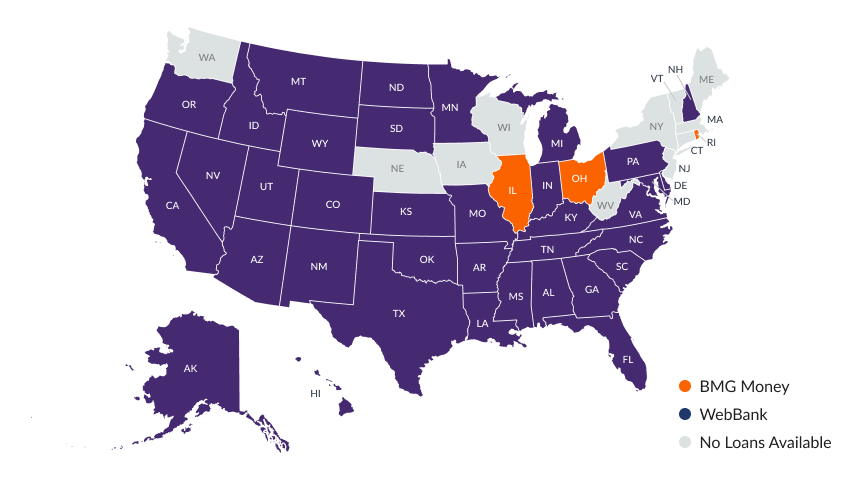
Allotment loans for postal workers are specialized lending products designed to be repaid through automatic payroll deductions. These loans utilize the U.S. Postal Service (USPS) payroll allotment system, ensuring that loan installments are diverted directly from an employee’s paycheck to the lender before the remaining net pay reaches the borrower’s bank account.
For many postal employees, the predictability of federal employment makes them an attractive demographic for lenders. Because these loans are structured around the certainty of regular, bi-weekly federal paychecks, the application and repayment process differs significantly from traditional personal loans or commercial credit products.
The Mechanics of Payroll Allotments in the USPS
To understand how these loans function, it is necessary to grasp the underlying mechanism: the Postal Service allotment system. An allotment is a recurring, voluntary deduction from an employee’s earnings, which is then sent to a designated financial institution. While allotments are commonly used for savings accounts, credit union deposits, or insurance premiums, they can also serve as a dedicated mechanism for loan repayment.
When a lender offers an "allotment loan," they are effectively requiring the borrower to set up an allotment as a condition of the loan agreement. This serves as a form of "automatic payment," which eliminates the risk of a borrower forgetting a due date or suffering from a bank account overdraft that would prevent a manual transfer. For the lender, this reduces default risk; for the borrower, it creates a "set-it-and-forget-it" repayment structure that is synced perfectly with federal pay cycles.
Eligibility and Prerequisites for Applicants
Eligibility for an allotment-based loan is generally tied to the applicant's status as an active, career-status USPS employee. Lenders often have strict requirements to ensure that the employee has sufficient "take-home" pay to cover the allotment without violating federal or agency-specific restrictions on net pay thresholds.
Common prerequisites include:
- Active Employment Status: Lenders typically require proof of career status. Non-career employees (such as casual or temporary staff) may find it difficult to secure these loans because their tenure is not guaranteed, making the long-term allotment structure unsustainable for the lender.
- Proof of Income: Recent pay stubs (Earnings Statements) are usually mandatory. Lenders examine the "net pay" carefully to ensure that the proposed allotment amount does not exceed the remaining disposable income required by agency policy.
- The Allotment Limit: The USPS places limits on how many allotments an employee can have active at any given time. An applicant must ensure they have an available allotment slot within their payroll configuration before applying.
- Direct Deposit: Because the allotment system relies on the electronic transfer of funds, the borrower must already have an active direct deposit arrangement with a financial institution that the lender can interface with via the allotment system.
Comparing Loan Structures: Allotment vs. Traditional Credit
Borrowers often wonder whether an allotment loan is superior to a traditional personal loan from a bank or online lender. The distinction is primarily found in the collateralization of the loan, even if it is technically "unsecured" in the traditional sense of physical assets.
| Feature | Allotment Loans | Traditional Personal Loans |
|---|---|---|
| Repayment Method | Automatic Payroll Deduction | Manual Bank Transfer or ACH |
| Approval Focus | Stable Government Income | Credit Score and Debt-to-Income |
| Default Risk | Lower (due to automated pay link) | Higher (dependent on borrower action) |
| Availability | Niche Lenders / Credit Unions | Broad Market / FinTech |
| Flexibility | Fixed by Payroll Cycle | Often Variable / Manual Control |
The main trade-off is control. With a traditional loan, if you encounter a financial emergency, you can temporarily halt or defer a manual payment through your banking portal. With an allotment loan, the deduction happens before you see the money. Stopping the allotment often requires interacting with both the lender and the USPS payroll office, which can be an administrative hurdle during a period of financial distress.
The Role of Credit Unions and Federal Employees
A significant portion of loans marketed to postal workers are offered by federal credit unions. These institutions are frequently structured to support the needs of federal civil service employees. Credit unions often provide more favorable interest rates compared to "payday" or "high-risk" lenders that might target the same demographic.
When selecting a lender, it is prudent to investigate if the institution has a long-standing history with postal service employees. Credit unions that specialize in federal employees often understand the intricacies of the Thrift Savings Plan (TSP), federal retirement benefits, and the specific cadence of USPS pay dates, which can lead to better customer service outcomes than generic financial platforms.
Potential Risks and Common Mistakes
The convenience of the allotment system can occasionally mask the long-term cost of borrowing. Because these loans are "easy" to repay, some borrowers may take on more debt than their budget can handle.
- Over-Leveraging: Because the payment is removed automatically, it is easy to view your paycheck as "after-allotment" income. This can lead to a false sense of security where the borrower forgets that their gross salary is higher than what they are actually receiving.
- Lengthy Repayment Terms: Some lenders offer "easy payments" by extending the duration of the loan over several years. While this keeps the bi-weekly deduction small, it significantly increases the total interest paid over the life of the loan.
- Ignoring APR: Always focus on the Annual Percentage Rate (APR) rather than the "allotment amount." A loan might look affordable because the bi-weekly deduction is low, but the total APR could be excessively high due to processing fees or insurance premiums bundled into the loan.
- Administrative Latency: If you decide to pay off an allotment loan early, you must be proactive. You cannot simply stop paying; you must formally request that the lender stop sending the allotment request to the USPS payroll system. Failure to do so can lead to overpayment, requiring a tedious refund process from the lender.
Step-by-Step Guidance for Potential Borrowers
If you have decided that an allotment loan is the right financial tool for your needs, follow this structured approach to ensure you are managing the debt responsibly.
Step 1: Financial Audit Examine your current budget. Determine exactly how much of your bi-weekly take-home pay you can afford to allocate to a new debt without impacting your ability to pay for essentials like housing, food, and utilities.
Step 2: Verify Your Allotment Capacity Log into the USPS employee portal (LiteBlue) to check your current allotment status. Confirm that you have an open "allotment slot" available. If all your slots are full, you will need to cancel or consolidate an existing allotment before applying.
Step 3: Comparison Shopping Do not accept the first offer. Compare at least three lenders. Look for the APR, the total cost of borrowing, and the existence of any "prepayment penalties"—a fee charged if you pay the loan off before the agreed-upon date.
Step 4: Formal Application When applying, be prepared to provide recent Earnings Statements. The lender will use these to calculate your debt-to-income ratio. Ensure the lender clearly explains how they will coordinate with the USPS payroll department to establish the allotment.
Step 5: Monitoring Once the loan is approved and the allotment begins, monitor your pay stub for the first two cycles. Ensure that the deduction is accurate and that it corresponds exactly to the amount agreed upon in your loan contract.
Addressing Financial Distress
For postal workers who find themselves struggling with current allotment loans, the best course of action is to communicate with the lender immediately. Many credit unions offer financial counseling or temporary hardship programs.
Do not attempt to address a loan crisis by taking out a second allotment loan to cover the payments of the first. This "debt snowball" pattern is common among government employees who have access to automated payroll deductions and can quickly lead to a situation where the borrower is left with insufficient take-home pay to cover basic living expenses.
Frequently Asked Questions
Can the USPS deny my request for an allotment? The USPS manages the allotment system as a service to employees, but there are strict federal regulations and agency policies regarding the maximum number of allotments and total deduction amounts. If your request violates these agency caps, it will be rejected during the processing phase.
Are these loans "guaranteed" because I work for the USPS? No loan is truly guaranteed. While postal workers have high job security, lenders still conduct a credit review. Your credit score, existing debt levels, and overall financial history will determine your eligibility and the interest rate you are offered.
What happens to my loan if I retire or resign? If you leave the USPS, the allotment system will cease to function because you will no longer have a paycheck from which to draw. You are responsible for contacting your lender immediately to arrange an alternative payment method, such as ACH debits from your personal bank account. Failure to update your payment method will lead to a default status on your loan.
Is the interest on an allotment loan tax-deductible? Generally, interest paid on personal loans, including allotment loans, is not tax-deductible. Interest deductions are typically reserved for specific types of debt, such as mortgage interest or certain student loans. Consult a tax professional regarding your specific financial situation.
How long does it take for an allotment to start? The timing depends on the USPS payroll cycle. It usually takes at least one or two pay periods for an allotment request to be processed and implemented. During the interim, you may be required to make your first payment manually.
Conclusion and Next Steps
Allotment loans for postal workers are a niche but useful financial tool for those who prefer the consistency of automated, payroll-synced repayments. However, their convenience is not a substitute for rigorous financial planning. Before committing to such a loan, verify your current allotment capacity, compare the total cost of credit between multiple providers, and ensure that your bi-weekly budget can withstand the reduction in net pay. If you are uncertain about the terms or the impact on your long-term retirement savings or Thrift Savings Plan, consult with a financial advisor to ensure your debt strategy aligns with your overall fiscal goals.