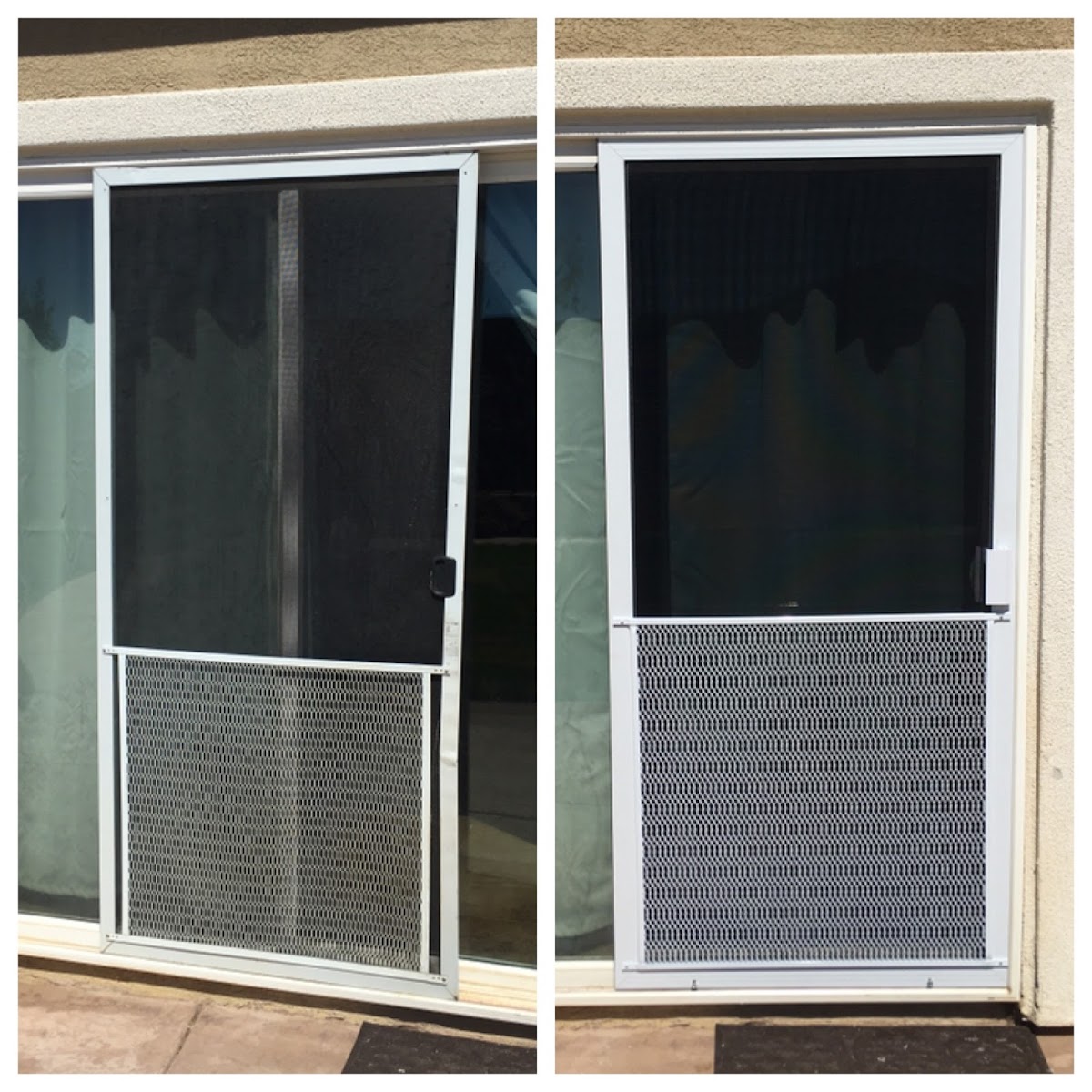
For homeowners in Central Florida, high-quality screening is an essential component of property value and lifestyle comfort. Professional "all-star" screen services provide durable, wind-resistant enclosures for pools, lanais, and patios, protecting residents from intense UV rays, persistent pests, and debris while adhering to the rigorous 2026 Florida Building Code standards for structural integrity.
The Essential Role of Screening in Central Florida
Living in Central Florida—spanning from the coastal breezes of Brevard County to the humid inland corridors of Orlando and Lakeland—presents a unique set of environmental challenges. Homeowners must contend with high humidity, seasonal hurricane threats, and a prolific insect population. In this climate, a screen enclosure is not merely a luxury; it is a functional extension of the living space that defines the "Florida lifestyle."
The term "all star screens" reflects a standard of excellence in both material selection and installation precision. Whether you are installing a new pool cage or seeking comprehensive rescreening for an existing lanai, understanding the technical specifications of modern screening materials is vital. By 2026, advancements in polymer-coated polyesters and high-tensile alloys have significantly extended the lifespan of these structures, moving away from the fragile fiberglass meshes of the past toward more resilient, long-term solutions.
Understanding Screen Mesh Materials and Technical Specifications
Selecting the right mesh is the most critical decision a homeowner will make during the screening process. Not all screens are created equal, and the "all star" designation typically refers to premium products designed to withstand the Central Florida sun and wind loads.
Standard Fiberglass vs. Advanced Polyester
Traditionally, fiberglass mesh was the industry standard due to its low initial cost. However, in the high-UV environment of Florida, fiberglass tends to become brittle and "silver out" within three to five years. As of 2026, many homeowners are opting for polyester-based meshes like TuffScreen or Super Screen. These materials are infused with UV inhibitors and offer a burst strength significantly higher than fiberglass.
Mesh Density and Pest Control
The "weave" or density of the screen is measured by the number of openings per linear inch.
- 18x14 Mesh: The standard choice for pool enclosures. It offers excellent airflow and visibility while keeping out most common insects like flies and mosquitoes.
- 20x20 Mesh (No-See-Um Screen): Specifically designed for coastal areas or homes near standing water. The tighter weave prevents tiny biting midges (no-see-ums) from entering, though it does slightly reduce airflow and outward visibility.
Florida Glass (Laminated Screen)
For homeowners seeking privacy or protection from yard debris and water runoff, "Florida Glass" is a popular option. This is not actual glass but a standard screen mesh laminated with a translucent vinyl. It is frequently used on the bottom panels of pool enclosures to prevent dirt from entering the pool area or on side panels to obscure the view from neighboring properties.
Structural Integrity and Florida Building Codes
In Central Florida, screen enclosures are classified as "habitable" or "non-habitable" structures depending on their attachment to the main house. Regardless of classification, they must meet strict wind-load requirements.
Wind Loads and Engineering
The Florida Building Code (FBC) has undergone several revisions to address the increasing intensity of storm seasons. Professional installers must ensure that the aluminum extrusions—the "bones" of the cage—are sized correctly and anchored with appropriate hardware. By 2026, the use of stainless steel fasteners with protective caps has become the gold standard to prevent the "bleeding" or rusting that often plagues older aluminum structures.
The Importance of Gusset Plates and Bracing
"All star" installations prioritize the structural "K-bracing" and the thickness of gusset plates at the corners of the enclosure. These components distribute wind pressure across the entire frame rather than concentrating it on a single joint. If a screen panel "blows out" during a storm, it is often a safety feature designed to save the aluminum frame from collapsing under extreme pressure.
Rescreening and Repair: When to Call the Professionals
Even the highest quality screens eventually require maintenance. In Central Florida, the average lifespan of a standard screen is approximately 7 to 10 years, while premium polyester screens can last 15 to 20 years.
Signs You Need Rescreening
- Brittleness: If the screen tears like paper when touched, the UV coating has failed.
- Sagging: Over time, the spline (the rubber cord holding the screen in the groove) can shrink or loosen, causing panels to sag and lose their tension.
- Algae Growth: Green or black mold on the mesh can trap moisture and accelerate the degradation of the material.
- Silvering: A metallic sheen on the screen indicates that the outer coating has worn away, leaving the core fibers exposed to the elements.
The Professional Rescreening Process
A comprehensive rescreening involves more than just swapping out the mesh. It includes:
- Removing all old screen and spline.
- Inspecting the aluminum box beams for oxidation or structural weakness.
- Replacing rusted fasteners with ceramic-coated or stainless steel alternatives.
- Pressure washing the frame to remove oxidation and biological growth before the new mesh is installed.
Cost Analysis for Central Florida Homeowners
The cost of screening services in Central Florida is influenced by square footage, the height of the enclosure (mansard, gable, or dome styles), and the choice of material. While 2026 pricing reflects global supply chain adjustments for aluminum and polymers, screening remains a high-ROI (Return on Investment) project due to the added square footage of usable living space.
| Material Type | Estimated Lifespan | Impact Resistance | Relative Cost (Initial) |
|---|---|---|---|
| Standard Fiberglass (18x14) | 5–8 Years | Low | $ |
| No-See-Um (20x20) | 6–9 Years | Moderate | $$ |
| TuffScreen / Super Screen | 15–20 Years | Very High | $$$ |
| Florida Glass (Privacy) | 10–12 Years | High | $$$ |
| Pet Screen (Heavy Duty) | 15+ Years | Extreme | $$$$ |
Note: Costs are estimates based on 2026 market trends in the Orlando-Kissimmee-Sanford metropolitan area.
Advanced Features: Pet Doors and Specialty Hardware
Modern screen enclosures are increasingly customized to meet the specific needs of Florida households. For many, this includes the integration of pet doors. Unlike older, flimsy plastic flaps, 2026 pet doors are often integrated directly into the screen panel with reinforced frames that maintain the tension of the surrounding mesh.
Another growing trend is the use of low-voltage LED lighting integrated into the aluminum beams (nebula lighting). This allows homeowners to enjoy their outdoor spaces safely at night without the glare of traditional floodlights, which can attract bugs to the exterior of the mesh.
Maintenance and Care for Longevity
To protect your investment in an "all star" screen enclosure, regular maintenance is required. Central Florida’s environment is harsh, but proactive care can extend the life of your screen by several years.
Cleaning Protocols
Avoid using high-pressure washers directly on the mesh, as this can dislodge the spline or tear the fibers. Instead, use a soft-bristle brush and a mild solution of water and dish soap. This removes the pollen and dust that can trap moisture and lead to mold growth.
Inspecting the Spline and Fasteners
Once a year, homeowners should walk the perimeter of their enclosure. Check the "spline channels" to ensure the rubber cord is still flush. If you notice rusted screws at the base of the enclosure (the "tapcons" that anchor the frame to the concrete), these should be replaced immediately by a professional to ensure the cage remains secure during high-wind events.
Why Local Expertise Matters
Choosing a contractor familiar with the specific soil and wind conditions of Central Florida is vital. For example, homes near the coast in Volusia or Brevard counties require different anchoring systems than homes in the clay-heavy soils of Lake County. A reputable provider will be well-versed in the Florida Department of Business and Professional Regulation (DBPR) requirements and will always pull the necessary permits for structural work.
Furthermore, local experts understand the importance of site-specific engineering. The proximity of your enclosure to your property line and the existing roofline of your home dictates how the enclosure must be sloped to ensure proper water drainage—an essential factor in preventing "ponding" on the roof sections of the cage.
Frequently Asked Questions
Does homeowners insurance cover screen enclosure damage?
In many cases, standard Florida homeowners insurance policies exclude screen enclosures from hurricane coverage unless an additional rider is purchased. It is important to review your policy. Even with coverage, the "mesh" is often excluded, with only the aluminum frame being covered under the "other structures" clause.
What is the difference between a lanai and a pool cage?
While the terms are often used interchangeably, a lanai usually refers to a porch or veranda that is under the main roofline of the house but screened in. A pool cage (or enclosure) is a standalone or attached aluminum structure that covers the entire pool deck and is not under the main roof.
Can I rescreen my enclosure myself?
While DIY kits are available for window screens, rescreening a full pool enclosure is dangerous and technically demanding. It involves working at heights on specialized "walk-boards" and requires specific tensioning techniques to ensure the structure remains stable. Professional installation is highly recommended to maintain the structural warranty.
How do I know if my enclosure is up to current wind-load codes?
If your enclosure was built before the major code updates (pre-2002 or even pre-2015), it likely lacks the necessary gusset plates and heavy-duty anchors required today. A professional inspection can determine if "retrofitting" with hurricane straps and updated fasteners is possible.
Does the screen block UV rays?
Yes, most modern screen meshes block a percentage of UV radiation. Standard screens typically block about 30-40%, while specialized "solar screens" can block up to 90% of UV rays, significantly cooling the temperature of the patio and protecting outdoor furniture from fading.
Final Recommendation for Homeowners
When investing in screen services in Central Florida, prioritize material quality and structural integrity over the lowest bid. The environmental demands of 2026 require high-tensile polyester screens and stainless steel hardware to ensure longevity. Before hiring a contractor, verify their license through the DBPR, request proof of workers' compensation insurance, and ask for a detailed breakdown of the mesh specifications they intend to use. Taking these steps will ensure your "all star" screen enclosure provides a safe, bug-free, and beautiful outdoor retreat for years to come.