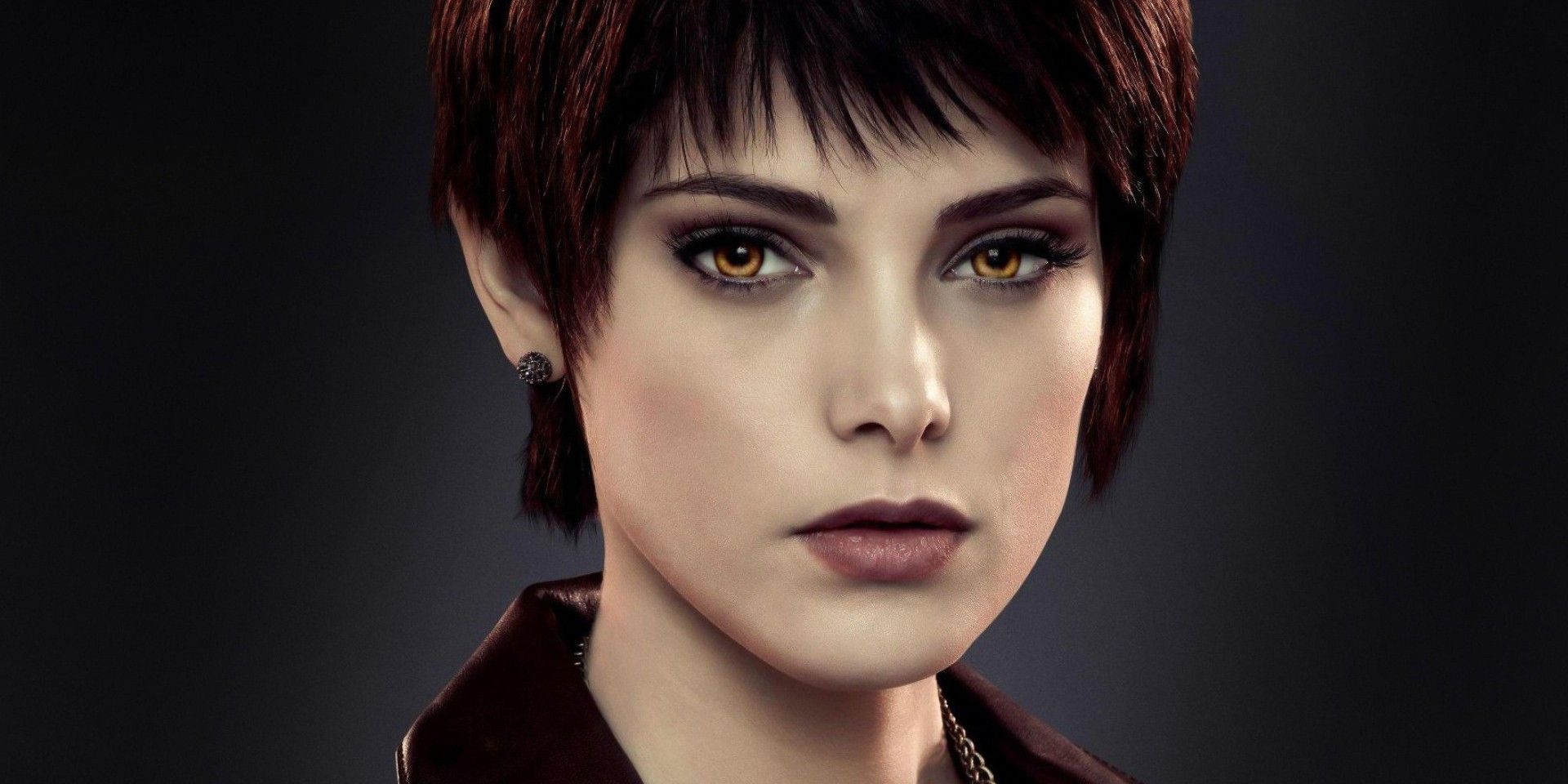
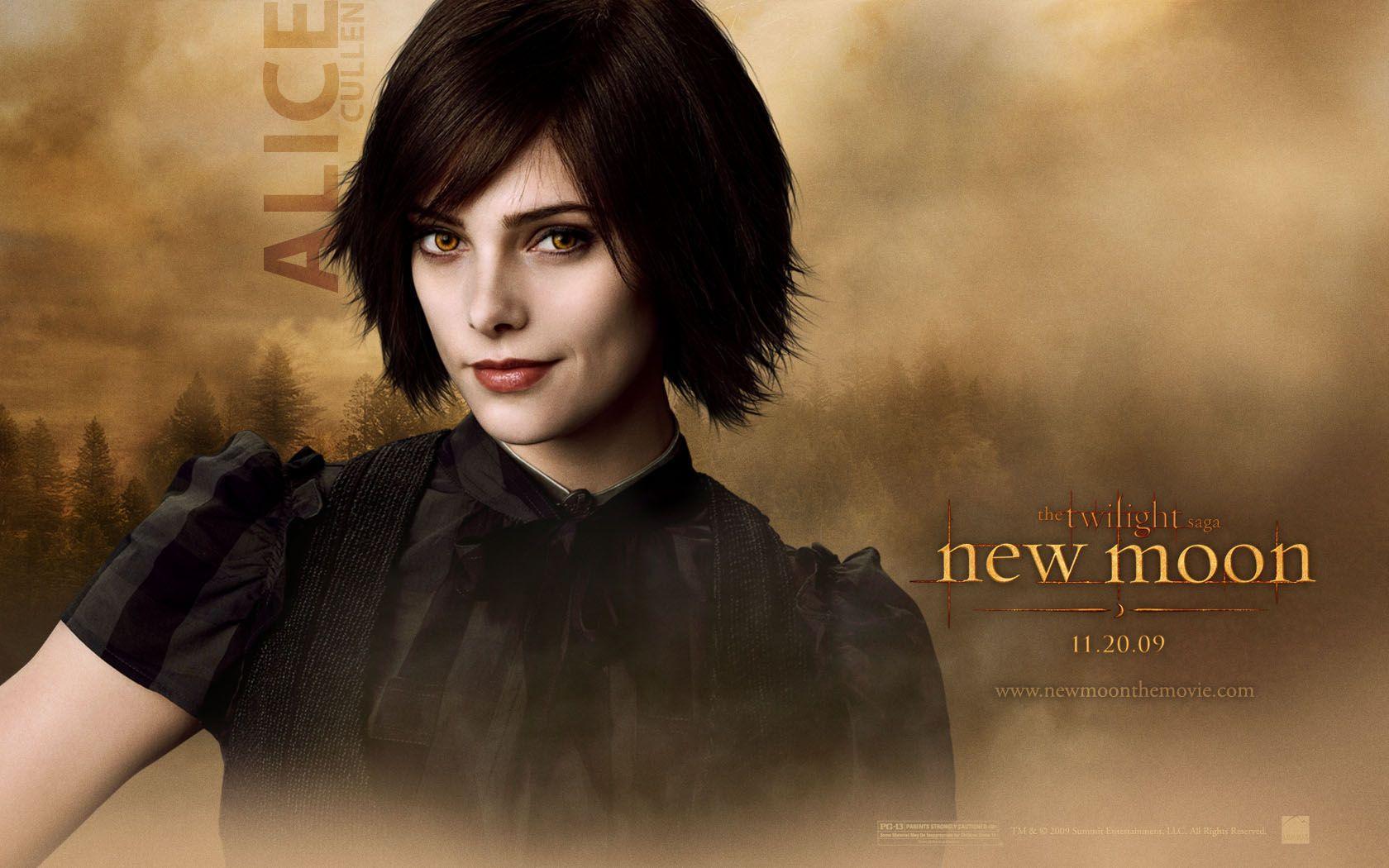
Ashley Greene is the American actor who portrayed the fan-favorite character Alice Cullen in the globally successful Twilight film series. Appearing in all five installments from 2008 to 2012, Greene’s portrayal of the precognitive, fashion-forward vampire became a cornerstone of the franchise’s cultural impact and cemented her place in cinematic history.
For fans and film historians alike, the character of Alice Cullen remains one of the most distinctive figures in the "Twilight" mythos. While Kristen Stewart and Robert Pattinson led the central romance, the performance of the actor playing Alice was essential for providing the supernatural "hook" and emotional levity that balanced the series' darker themes. As of 2026, Ashley Greene continues to be synonymous with the role, having successfully transitioned from a breakout teen-idol to a versatile performer, entrepreneur, and podcaster who remains deeply connected to the franchise’s enduring legacy.
The Casting Process: How Ashley Greene Became Alice Cullen
The journey to finding the perfect Alice Cullen was a rigorous process for director Catherine Hardwicke and the casting team. Unlike the lead role of Bella Swan, which required a sense of grounded human vulnerability, Alice needed to embody an "otherworldly" grace. In the original Stephenie Meyer novels, Alice is described as "pixie-like," with short, spiky black hair and a lithe, graceful movement that borders on the ethereal.
Ashley Greene was not initially the primary choice for the role; in fact, she originally auditioned for the part of Bella Swan. However, the casting directors recognized that her natural energy and striking features—which combined a classic Hollywood beauty with a sharp, alert gaze—aligned more closely with the supernatural sensibilities of the Cullen family. After a series of callbacks and chemistry tests, Greene was cast, beating out several other high-profile young actors of the mid-2000s.
The physical transformation was a significant part of the role. Greene had to undergo extensive hair and makeup sessions to achieve Alice’s signature look. In the first film, this involved a shorter, more textured wig that evolved throughout the series to reflect the changing fashion trends of the late 2000s and early 2010s. For the actor, the challenge was not just looking like a vampire but moving like one. The Cullen family members were instructed to move with a predatory yet fluid grace, a feat Greene achieved through her background in dance and martial arts training.
Alice Cullen’s Role and Supernatural Abilities in the Series
To understand the importance of the actor in this role, one must understand the tactical and emotional utility of Alice Cullen. Within the narrative, Alice is the sister of Edward Cullen and the partner of Jasper Hale. Her primary supernatural gift is precognition—the ability to see the future.
The Mechanics of Foresight
The "vision" sequences were some of the most technically demanding aspects of the film series. From an acting perspective, Greene had to convey the physical toll and mental focus required to "see" events before they happened. Her visions were not absolute; they were based on decisions. If a character changed their mind, the vision would shift. This nuance required Greene to play Alice with a constant sense of underlying tension, as if she were always processing multiple timelines simultaneously.
The Emotional Anchor of the Cullens
Alice served as the bridge between the human world and the vampire coven. She was the first of the Cullens to truly embrace Bella Swan, providing a necessary counterpoint to the more stoic Rosalie Hale or the brooding Edward. Greene’s performance infused the character with a "cheerful pragmatism" that made the supernatural elements of the story feel more accessible to the audience.
Film-by-Film Evolution of the Character
Ashley Greene’s portrayal matured alongside the character across the five films. Each installment placed different demands on the actor, ranging from high-octane action to deep emotional drama.
Twilight (2008)
In the first film, Greene introduced Alice as a welcoming, almost bubbly presence. Her standout moment—the iconic baseball scene—showcased her physical capabilities. The scene, filmed in the rainy forests of the Pacific Northwest, required Greene to perform choreographed stunts that established the vampires’ superior speed and strength.
The Twilight Saga: New Moon (2009)
New Moon represented a significant shift in screen time for Greene. With Edward Cullen (Robert Pattinson) absent for a large portion of the film, Alice becomes Bella’s primary supernatural companion. Greene was tasked with carrying the emotional weight of the middle act, leading the frantic race to Volterra, Italy, to prevent Edward from revealing himself to the world. Her performance in the Porsche 911 Turbo sequences remains a highlight for many fans.
The Twilight Saga: Eclipse (2010)
In Eclipse, the focus shifted toward the impending battle with Victoria’s newborn army. This film required more intensive stunt work. Greene trained for weeks to handle the combat choreography, ensuring that Alice’s fighting style remained distinct—relying on agility and foresight rather than the brute strength exhibited by characters like Emmett Cullen.
The Twilight Saga: Breaking Dawn – Parts 1 & 2 (2011–2012)
The final two films saw Alice in a more protective role as the family faced the Volturi. Part 2 featured what is arguably the most famous moment of the entire franchise: the "battle vision." Because the film departed from the book’s literal ending to include a massive action sequence, Greene had to act out the devastating loss of her family members in a vision that was revealed to be a warning to the Volturi leader, Aro. This sequence demonstrated Greene’s range, moving from grief-stricken vulnerability to calculated defiance.
Technical Specifications of the Role
Representing a vampire in the Twilight universe involved more than just acting. The technical departments worked closely with Ashley Greene to maintain the "Cullen Aesthetic."
| Aspect | Description | Impact on Performance |
|---|---|---|
| Contact Lenses | Topaz/Amber for "vegetarian" vampires; Red for newborns/hungry states. | Restricted peripheral vision; required actors to look directly at scene partners. |
| Prosthetic Makeup | Pale "marble" skin tones created using specialized airbrushing. | Required hours of application; limited natural skin texture on camera. |
| Wardrobe | High-fashion, cool-toned palettes (blues, greys, blacks). | Alice’s style influenced real-world "alt-fashion" trends in the 2010s. |
| Stunt Rigging | Use of "magic carpets" (moving platforms) and wire harnesses. | Enabled the "super speed" effect during chase and battle scenes. |
Career Evolution: Life Beyond the Twilight Franchise
As the series concluded in 2012, Ashley Greene faced the challenge common to many actors in massive franchises: avoiding typecasting. Her career post-2012 has been a mix of independent film, voice acting, and entrepreneurial ventures.
In the years following the films, Greene starred in several notable projects, including the period drama CBGB (2013), where she played Lisa Kristal, and the action-thriller series Rogue. She also lent her voice to the character of Barbara Gordon (Batgirl) in the critically acclaimed video game Batman: Arkham Knight (2015).
By 2026, Greene has successfully leveraged her Twilight fame into a sustained presence in the wellness and media space. She launched The Twilight Effect podcast, where she rewatches the films and interviews former cast members, providing behind-the-scenes insights that have fueled a "Twilight Renaissance" among younger generations on social media platforms like TikTok. Her ability to embrace the role that made her famous while pursuing new ventures is a testament to her professional longevity.
The Impact and Legacy of the "Alice" Performance
The legacy of the actor playing Alice Cullen extends beyond the box office numbers. Within the fandom, Alice is often cited as a symbol of optimism and loyalty. Ashley Greene’s performance is credited with making the character more than just a plot device for seeing the future; she made Alice a sister figure to millions of viewers.
The "Alice Cullen Aesthetic"—characterized by her specific haircut, vestments, and graceful posture—remains a staple of cosplay and internet subcultures. Greene’s portrayal also contributed to the broader "Cullen Family" dynamic, which emphasized the idea of found family and moral choice, themes that have kept the franchise relevant for nearly two decades.
Frequent Questions About the Actor and Character
Was Ashley Greene the only actor considered for Alice?
While many actors auditioned during the massive casting call for the first film, Greene was among the few who captured the specific "pixie" energy described in the books. Other actors who were rising stars at the time were considered for various Cullen roles, but Greene’s chemistry with Jackson Rathbone (who played Jasper Hale) was a deciding factor for the production team.
Did Ashley Greene do her own stunts in the Twilight series?
Greene performed a significant portion of her own stunts, particularly those involving wirework and basic choreography. For the more dangerous maneuvers, such as high-speed falls or complex combat sequences in Eclipse and Breaking Dawn, professional stunt doubles were used to ensure safety. Greene has often spoken about the physical toll of the "vampire run" scenes, which were filmed on treadmills pulled by trucks.
How did the Alice Cullen look change throughout the films?
The look evolved as the budget and directorial vision changed. In Twilight, the hair was very short and flippy. In New Moon and Eclipse, it became slightly more sophisticated. By Breaking Dawn, the makeup had become more refined to accommodate the higher-definition cameras being used, focusing on a more "luminous" rather than "chalky" vampire appearance.
What is Ashley Greene's relationship with the Twilight cast today?
As of 2026, Greene remains close with many of her former castmates. Through her podcast and various convention appearances, she has maintained strong ties with actors like Kellan Lutz (Emmett) and Peter Facinelli (Carlisle). She has often noted that the shared experience of the "Twilight mania" created a lifelong bond among the actors who portrayed the Cullen family.
Conclusion and Further Engagement
Ashley Greene’s portrayal of Alice Cullen stands as a definitive example of how a supporting character can become an essential pillar of a major film franchise. Her performance balanced the requirements of a supernatural thriller with the heart of a coming-of-age drama, ensuring that Alice remained as memorable as the central protagonists.
For those looking to explore more of Greene’s work or the history of the Twilight films, the following actions are recommended:
- Listen to "The Twilight Effect": This podcast offers the most comprehensive look at the production from Greene’s own perspective.
- Review Official Production Archives: Sites like The Hollywood Reporter and Variety provide historical context on the franchise’s casting and economic impact.
- Explore the Extended Universe: For deeper lore on Alice’s backstory (which is only briefly touched upon in the films), refer to the "Twilight Saga Official Illustrated Guide."
Ashley Greene didn't just play a role; she defined a character for an entire generation, proving that even in a world of vampires and werewolves, it is the human touch of a dedicated actor that leaves the most lasting impression.