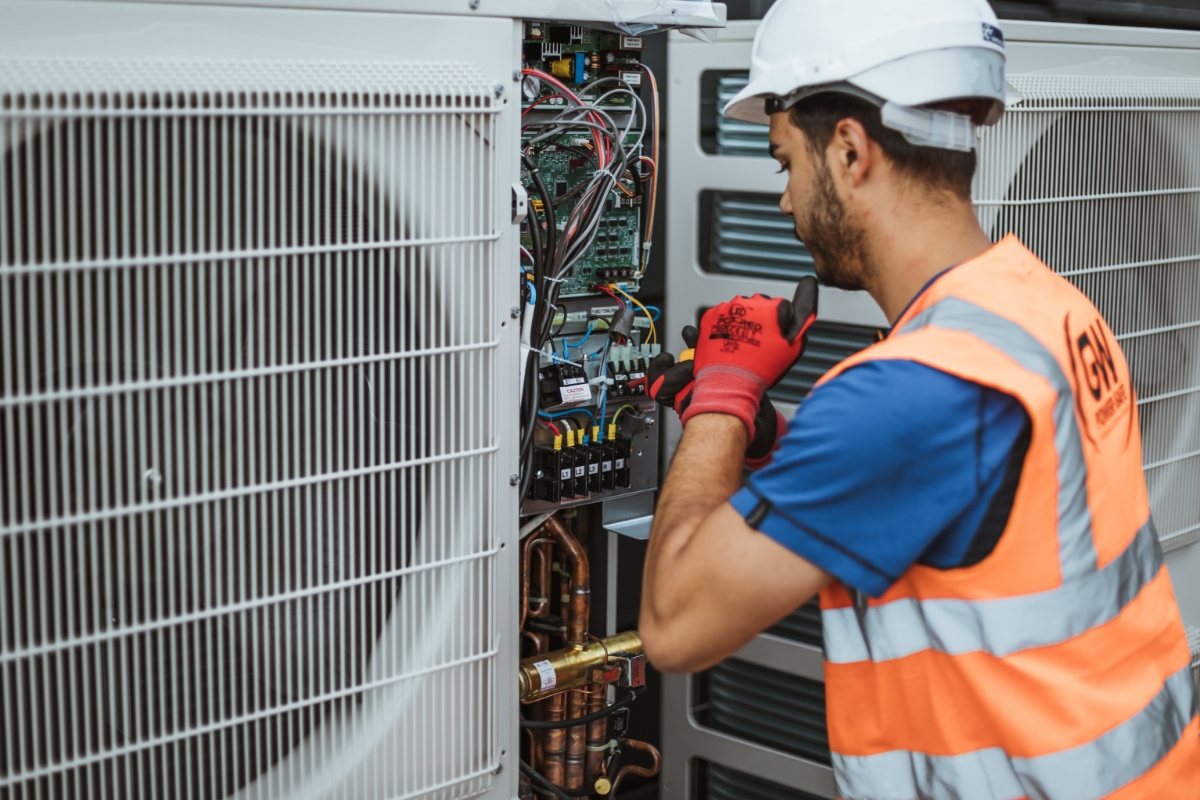
Reliable air conditioning in Tulsa requires prompt repair services, professional system installation, and proactive seasonal maintenance to combat Oklahoma’s intense humidity and extreme summer heat. In 2026, Tulsa homeowners prioritize high-efficiency SEER2 systems and smart climate integration to manage rising energy costs while ensuring consistent indoor comfort and air quality across the Green Country region.
The Critical Importance of Air Conditioning in Tulsa’s Climate
In Tulsa, air conditioning is not a luxury; it is a fundamental requirement for health and safety. The region’s humid subtropical climate is characterized by long, sweltering summers where temperatures frequently exceed 90°F, often coupled with high dew points that prevent natural cooling. By 2026, the local climate continues to show volatility, with extended heatwaves demanding that HVAC systems operate at peak performance for months at a time.
A functional AC system in Northeast Oklahoma must do more than just lower the temperature. It is responsible for significant dehumidification. When humidity levels inside a Tulsa home exceed 50%, it creates a breeding ground for dust mites and mold, particularly in older residential pockets like Midtown or the historical districts near downtown. High-performance cooling systems are designed to pull moisture from the air, protecting the structural integrity of the home and the respiratory health of its occupants.
Common Air Conditioning Repair Issues in Northeast Oklahoma
Tulsa’s environmental factors—ranging from heavy spring pollen to sudden summer thunderstorms—contribute to specific mechanical failures in air conditioning units. Understanding these common issues can help homeowners identify when to call for professional repair before a minor glitch becomes a total system failure.
Refrigerant Leaks and Phase-Out Transitions
By 2026, the HVAC industry has largely transitioned away from R-410A in new installations, favoring more environmentally friendly A2L refrigerants like R-454B and R-32. However, thousands of Tulsa homes still operate on older systems. Refrigerant leaks are common in these units due to the vibration of the compressor and the corrosive effects of local pollutants. A leak doesn't just reduce cooling capacity; it forces the compressor to work harder, leading to premature burnout and significantly higher PSO (Public Service Company of Oklahoma) bills.
Electrical Component Failure
The volatile Oklahoma weather, including frequent lightning strikes and power surges, places immense stress on the electrical components of an AC unit. Capacitors, which provide the initial "jumpstart" for the motor and compressor, are the most frequently replaced parts in Tulsa. When a capacitor fails, you may hear a humming sound from the outdoor unit, but the fan won't spin. Immediate replacement is necessary to prevent the motor from overheating.
Clogged Condensate Lines and Drainage Issues
Due to the high humidity in the Arkansas River Valley, Tulsa AC units produce gallons of condensation daily. If the condensate drain line becomes clogged with algae or debris, water can back up into the home, causing ceiling damage or triggering the system's safety float switch. Regular flushing of these lines is a critical component of local maintenance.
Selecting the Right System: Installation and Replacement in 2026
When a system reaches the end of its 12-to-15-year lifespan, Tulsa homeowners face a complex market of high-efficiency options. As of 2026, the Department of Energy’s SEER2 (Seasonal Energy Efficiency Ratio 2) standards govern all new installations in the southern region, ensuring that even entry-level systems provide better performance than the premium models of a decade ago.
Central Air Conditioning vs. Heat Pumps
While traditional central air remains popular, many Tulsa residents are switching to high-efficiency heat pumps. Modern cold-climate heat pumps are exceptionally effective in Oklahoma, providing both cooling in the summer and efficient heating during the erratic winters. Because they move heat rather than generating it through combustion, they are often the most cost-effective long-term solution for the local climate.
Ductless Mini-Split Systems
For older homes in areas like the Brady Heights Historic District or the University of Tulsa neighborhood—where traditional ductwork may be impossible to install—ductless mini-splits have become the primary cooling solution. These systems allow for "zoning," where individual rooms can be cooled to different temperatures, reducing energy waste in unused spaces.
The Role of Proper Sizing (Manual J Calculation)
A common mistake in the Tulsa market is installing an oversized unit. An oversized AC will "short cycle," turning on and off rapidly. This prevents the system from running long enough to remove humidity, leaving the home feeling "cold and clammy." Professional Tulsa HVAC contractors use a Manual J Load Calculation to determine the exact tonnage required based on the home's square footage, insulation levels, and window orientation.
Cost Considerations for Air Conditioning in Tulsa
The cost of air conditioning services in Tulsa varies based on the complexity of the job, the efficiency of the equipment, and the size of the home. In 2026, inflationary pressures and new refrigerant standards have stabilized, but professional labor remains a significant portion of the investment.
| Service Type | Estimated Cost Range (Tulsa Market 2026) | Primary Factors Influencing Price |
|---|---|---|
| Service Call / Diagnostic | $85 – $150 | Time of day (emergency vs. scheduled), location. |
| Minor Repair (Capacitor/Relay) | $200 – $450 | Part availability and brand compatibility. |
| Major Repair (Blower Motor) | $600 – $1,200 | Motor type (PSC vs. Variable Speed ECM). |
| Standard AC Installation | $6,500 – $10,500 | SEER2 rating, unit tonnage, and ductwork state. |
| High-Efficiency Heat Pump | $8,500 – $14,000 | Inverter technology and federal tax credit eligibility. |
| Ductless Mini-Split (Single Zone) | $3,500 – $5,500 | Installation location and electrical requirements. |
Note: These figures are estimates based on local Tulsa averages in 2026. Actual quotes depend on specific home requirements and current material costs.
Maximizing Efficiency and Rebates in Oklahoma
Energy efficiency is a top priority for Tulsa residents looking to mitigate the impact of summer heat on their finances. Several programs exist to help offset the costs of upgrading to high-efficiency cooling.
PSO and Oklahoma Natural Gas Rebates
The Public Service Company of Oklahoma (PSO) frequently offers rebates for homeowners who install Energy Star-certified equipment or perform "weatherization" upgrades. These can range from a few hundred to over a thousand dollars depending on the SEER2 rating of the new unit.
Federal Tax Credits (Inflation Reduction Act)
As of 2026, the federal tax credits established in the early 2020s remain a vital tool for Tulsa homeowners. Under Section 25C of the tax code, taxpayers can often claim up to 30% of the project cost (up to specific annual limits) for high-efficiency heat pumps and air conditioners. This makes the jump to a premium, variable-speed system much more financially viable.
Smart Thermostats and Automation
Integrating a smart thermostat, such as an Ecobee or Nest, can reduce cooling costs in Tulsa by 10-15%. These devices learn the patterns of the household and adjust temperatures when the home is unoccupied. In the 2026 market, many Tulsa HVAC companies include these as a standard part of a new installation package.
The Importance of Professional Maintenance in the "Green Country"
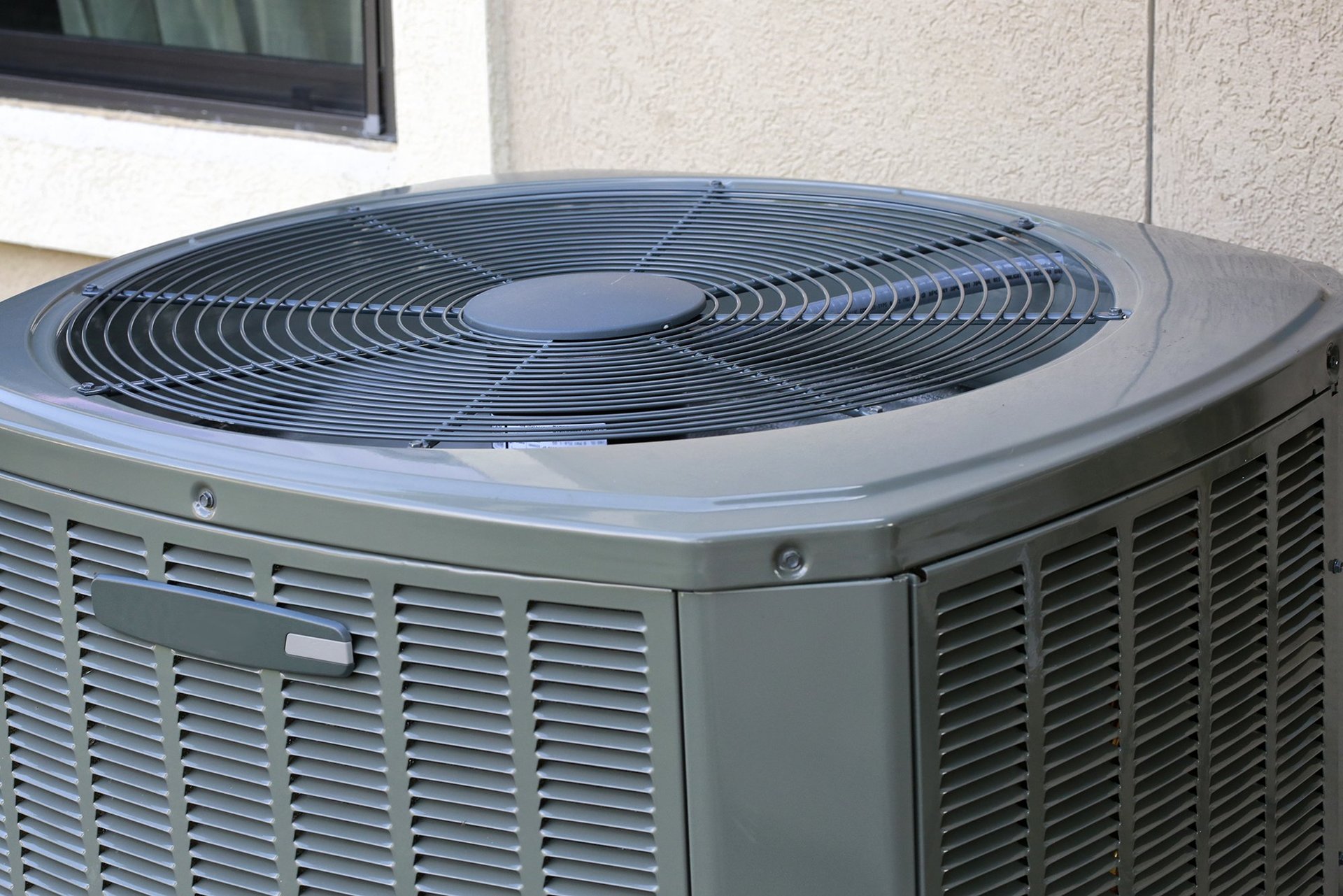
The environmental conditions in Northeast Oklahoma are particularly harsh on outdoor HVAC equipment. Cottonwood seeds, dust from nearby construction, and heavy pollen can coat the delicate fins of an outdoor condenser coil, creating a thermal barrier that prevents heat exchange.
A professional maintenance visit, often called a "tune-up," should occur every spring. During this service, a technician will:
- Clean the Condenser Coils: Removing debris to ensure maximum heat rejection.
- Check Refrigerant Levels: Ensuring the system is within the manufacturer's specified range for optimal cooling.
- Inspect Electrical Connections: Tightening terminals to prevent arcing and component failure.
- Test the Thermostat: Verifying accuracy and communication with the air handler.
- Clear the Condensate Drain: Preventing water damage and mold growth.
Neglecting these steps often leads to "The Fourth of July Failure"—a common phenomenon in Tulsa where systems break down on the hottest day of the year because they were already struggling with restricted airflow or low refrigerant.
Choosing a Qualified HVAC Contractor in Tulsa
The state of Oklahoma has strict regulations regarding who can perform air conditioning work. To protect your investment and ensure safety, always verify the following when selecting a contractor:
- State Licensing: Contractors must be licensed through the Oklahoma Construction Industries Board (CIB). Ask for their license number and verify its status on the CIB website.
- Insurance and Bonding: Ensure the company carries both general liability and workers' compensation insurance. This protects the homeowner from liability in the event of an accident on the property.
- NATE Certification: North American Technician Excellence (NATE) is the gold standard for technician training. Companies that employ NATE-certified technicians generally provide a higher level of diagnostic accuracy.
- Local Reputation: Look for companies with a long-standing presence in the Tulsa, Broken Arrow, Jenks, or Owasso areas. Local knowledge of Tulsa’s soil conditions (for stable condenser pads) and specific neighborhood housing styles is invaluable.
Frequently Asked Questions
How often should I change my air filter in Tulsa?
In the Tulsa area, you should check your filter every 30 days. Because of the high pollen counts and local dust, filters can clog faster than in other regions. If you use a standard 1-inch pleated filter, replace it at least every 90 days. Homes with pets or residents with allergies may require monthly changes to maintain indoor air quality and prevent strain on the blower motor.
Is it worth repairing an AC unit that is over 10 years old?
In 2026, the decision to repair versus replace depends on the "5,000 Rule." Multiply the age of the unit by the cost of the repair. If the result exceeds $5,000, replacement is usually the better financial move. Additionally, because older units use R-410A refrigerant (which is increasingly expensive due to phase-outs), a major leak in a 10-year-old system often justifies a full upgrade to a modern, more efficient system.
Why is my AC running but not cooling my Tulsa home?
The most common causes are a tripped breaker to the outdoor unit, a clogged air filter, or a frozen evaporator coil. If the airflow feels weak or the air coming from the vents is warm, turn the system off immediately at the thermostat. Continuing to run a struggling unit can cause catastrophic damage to the compressor. Once the system is off, check for a dirty filter and then call a professional to check for refrigerant issues or a failed start component.
Can I install my own air conditioning system in Tulsa?
No. In Oklahoma, HVAC installation requires a state-issued mechanical license. Furthermore, handling refrigerants requires EPA 608 certification. DIY installation can void manufacturer warranties, lead to dangerous electrical faults, and result in a system that is improperly charged, which will lead to high energy bills and a shortened lifespan for the equipment.
What is the best SEER2 rating for a home in Northeast Oklahoma?
For the Tulsa climate, a SEER2 rating between 16 and 18 offers the best balance between upfront cost and monthly savings. While units with ratings of 20+ are available, the "payback period" for the extra efficiency is often longer than the lifespan of the unit. However, if you are looking for the maximum possible comfort, high-SEER2 units often feature variable-speed compressors that provide superior humidity control.
Final Recommendations for Tulsa Homeowners
To ensure your home remains a sanctuary during the intense Oklahoma summer, take a proactive approach to your cooling system. Schedule a professional "Spring Tune-Up" before the first 80-degree day of the year. If your system is more than 12 years old, begin researching replacement options now, rather than waiting for an emergency failure.
Prioritize local contractors with verified Oklahoma CIB licensing and look for systems that offer variable-speed technology to handle Tulsa's specific humidity challenges. By investing in regular maintenance and high-efficiency equipment, you can maintain a comfortable indoor environment while keeping your energy costs manageable through 2026 and beyond.