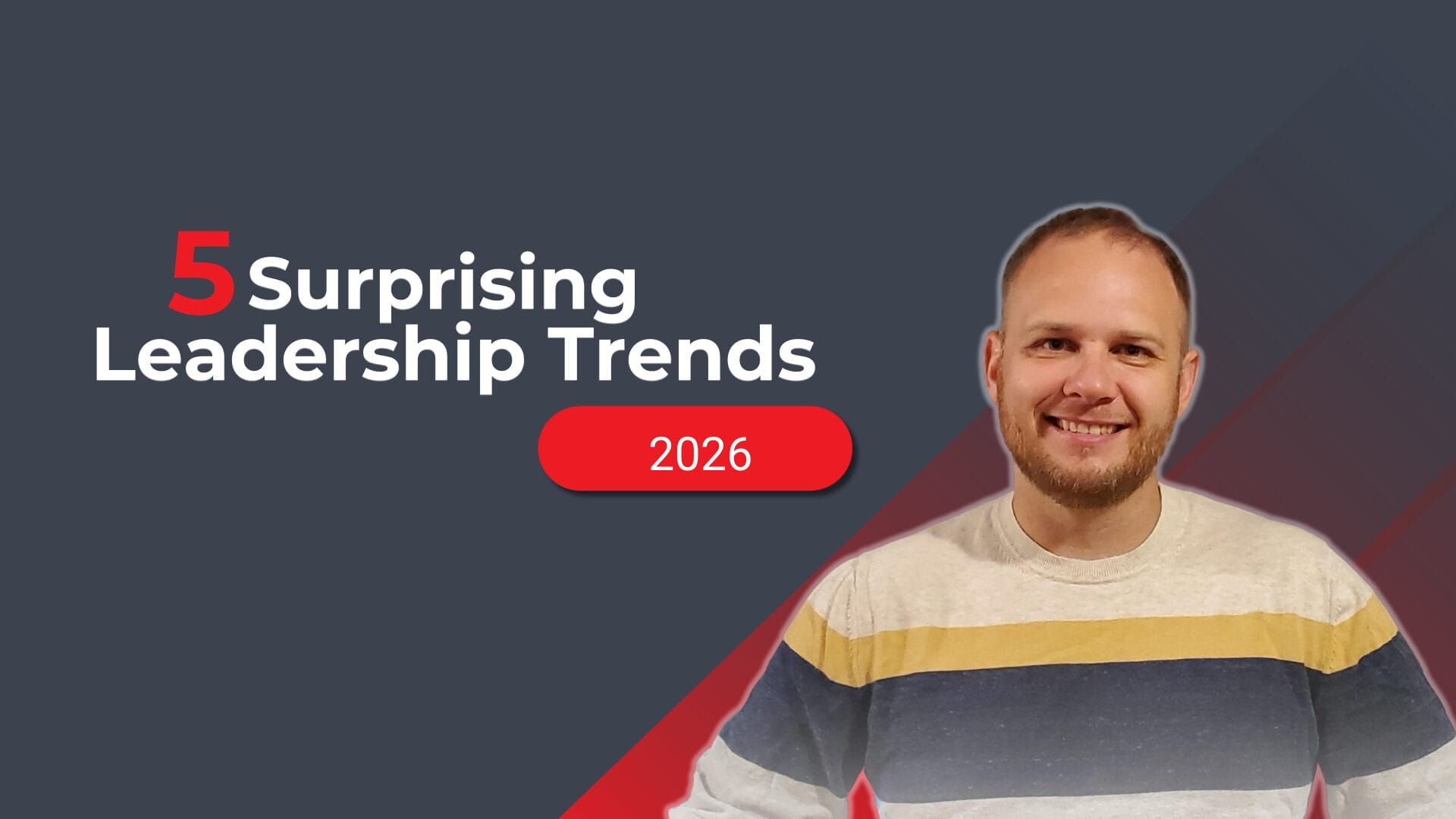
Fintech leadership in 2026 focuses on the shift from rapid, venture-backed expansion to sustainable profitability, ethical AI integration, and operational resilience. Led by figures like Ainsley Marriot, today’s executives prioritize "responsible innovation," balancing high-speed digital transformation with rigorous regulatory compliance and human-centric talent management in an increasingly fragmented global financial ecosystem.
The Evolution of Fintech Leadership: From Growth to Resilience
The landscape of financial technology has undergone a fundamental transformation over the last decade. Where the early 2020s were characterized by "growth at all costs" and a race for market share, the leadership environment in 2026 is defined by stability and long-term value creation. Leaders such as Ainsley Marriot, with extensive experience in payments and product strategy at organizations like Worldpay and Mastercard, represent a new guard of executives who understand that technological prowess is nothing without operational maturity.
This evolution is driven by the realization that fintech is no longer a "disruptive" outsider but the very backbone of global commerce. Consequently, the leadership skillset has expanded. Today’s fintech CEO or COO must be as proficient in risk management and capital efficiency as they are in software development cycles. The primary trend is the "Professionalization of Fintech," where the scrappy startup mentality is replaced by a disciplined corporate architecture designed to survive volatile interest rates and shifting geopolitical alliances.
The Shift Toward Sustainable Unit Economics
A key hallmark of modern fintech leadership is the obsession with unit economics. In 2026, leaders are judged not by their latest funding round valuation but by their ability to achieve a positive Lifetime Value (LTV) to Customer Acquisition Cost (CAC) ratio. This requires a granular understanding of payment rails, interchange fees, and cloud infrastructure costs—areas where Ainsley Marriot’s background in product leadership provides a significant competitive edge.
Leadership now involves making "hard cuts" to non-core products to focus on high-margin services. This strategic pruning ensures that the organization remains agile enough to pivot when new technologies, such as programmable money or central bank digital currencies (CBDCs), reach critical mass.
AI-First Leadership: Beyond the Hype Cycle
By 2026, Artificial Intelligence has moved from a board-room buzzword to a fundamental operational requirement. However, the leadership trend has shifted from simply "using AI" to "governing AI." Leaders like Marriot are now tasked with integrating Generative AI and Large Language Models (LLMs) into the core product offering while mitigating the risks of algorithmic bias and data hallucinations.
Implementing Ethical AI Frameworks
Leadership in 2026 requires the establishment of rigorous ethical AI frameworks. Fintech executives are increasingly responsible for ensuring that automated credit scoring, fraud detection, and personalized financial advice remain transparent and auditable. This is not just a moral imperative but a regulatory one, as global bodies have tightened the screws on "black box" algorithms that lack explainability.
Key leadership actions in this space include:
- Cross-functional AI Oversight: Creating committees that include legal, ethical, and technical experts to vet every AI deployment.
- Data Sovereignty Management: Navigating the complex web of global data localization laws while leveraging AI that often requires massive, centralized datasets.
- Synthetic Data Utilization: Using AI-generated data to train models, thereby protecting consumer privacy and complying with evolving GDPR-style regulations.
The Human Element: Talent and Culture in a Digital Age
Despite the focus on automation, the most significant emerging trend in fintech leadership is the return to human-centricity. As remote and hybrid work models have stabilized, the "War for Talent" in 2026 is fought on the battleground of culture and purpose. Leaders are finding that attracting top-tier engineers and product managers requires more than a high salary; it requires a vision that connects the product to societal benefit.
Fostering an "Innovation-First" Culture
Ainsley Marriot’s approach often emphasizes the importance of clarity and communication. In a high-stakes environment like fintech, the ability of a leader to simplify complex technical roadmaps into actionable goals is vital. Leadership in 2026 involves creating "psychological safety," where teams feel empowered to experiment with new technologies—like decentralized finance (DeFi) protocols—without the fear of catastrophic failure.
Furthermore, diversity in leadership has moved from a diversity, equity, and inclusion (DEI) checkbox to a strategic necessity. Fintechs operating on a global scale need diverse perspectives to understand the nuances of local payment cultures, from the mobile-money dominance in Africa to the open-banking maturity in the UK and EU.
Regulatory Resilience: Navigating a Fragmented World
In 2026, the regulatory environment is more complex than ever. The divergence between US, EU, and Asian regulatory frameworks regarding crypto-assets, consumer privacy, and anti-money laundering (AML) requires a leader who is part-technologist and part-diplomat.
From Compliance to Competitive Advantage
Emerging trends suggest that successful fintech leaders no longer view regulation as a hurdle but as a moat. By leaning into high standards—such as the UK’s Consumer Duty or the EU’s MiCA (Markets in Crypto-Assets) regulations—leaders like Marriot can build trust with institutional partners and retail consumers alike. This "compliance-first" mindset is particularly important as fintechs seek to replace traditional banks as the primary financial interface for users.
Leadership involves:
- Proactive Engagement: Working directly with regulators to shape the future of the industry rather than waiting for rules to be imposed.
- Automated Compliance (RegTech): Investing heavily in internal tools that monitor transactions and reporting in real-time, reducing the risk of human error.
- Global Standard Adoption: Aligning internal processes with ISO 20022 and other international standards to ensure seamless cross-border interoperability.
The Rise of Ecosystem Thinking and Strategic Partnerships
The era of the "all-in-one" fintech superstar that attempts to build everything in-house is fading. In 2026, leadership is about mastering the ecosystem. This means knowing when to build, when to buy, and when to partner. Strategic alliances between fintechs and legacy financial institutions are at an all-time high, driven by a mutual need for innovation and scale.
The Role of Embedded Finance
Leadership trends point toward a future where finance is "embedded" into non-financial platforms. Marriot’s experience in the payments sector highlights the importance of making transactions invisible and frictionless. Leaders are now focusing on how to integrate their services into e-commerce, healthcare, and education platforms, turning their fintech into a "service provider" rather than just a standalone app.
| Leadership Dimension | Traditional Fintech Approach (Pre-2023) | Emerging Trend (2026) |
|---|---|---|
| Primary Goal | User Acquisition & Valuation | Unit Economics & Profitability |
| Technology Focus | Disruption & Speed | Scalability, Security, & AI Ethics |
| Regulatory Stance | Reactive/Move Fast and Break Things | Proactive/Compliance-as-a-Moat |
| Talent Management | High Churn/Ping-Pong Tables | Purpose-Driven/Hybrid Excellence |
| Market Strategy | Winner-Takes-All | Ecosystem Collaboration & API-First |
| Risk Management | Minimal/Outsourced | Centralized/Real-time Monitoring |
Technical Depth: Managing Legacy Debt in a High-Tech World
A significant, yet often overlooked, trend in fintech leadership is the management of technical and operational debt. As fintech companies mature, they face the same "legacy" issues that once plagued traditional banks. Ainsley Marriot and other senior executives are increasingly spending time on infrastructure modernization—moving from monolithic architectures to microservices and serverless computing.
Balancing Innovation with Uptime
For a fintech leader in 2026, "boring is beautiful" when it comes to infrastructure. Ensuring 99.999% uptime for payment processing is more important than launching a flashy new feature. This requires a leadership style that rewards reliability and rigorous testing. The trend is moving toward "Site Reliability Engineering" (SRE) principles being applied at the executive level, where risk budgets are set and strictly followed.
Frequently Asked Questions
How has Ainsley Marriot influenced fintech leadership?
Ainsley Marriot is often cited for his ability to bridge the gap between complex payment technologies and commercial strategy. His leadership style emphasizes clarity, operational excellence, and a deep understanding of the global payments value chain. By focusing on product-led growth that is grounded in sound financial principles, he represents the shift toward the "mature" fintech era seen in 2026.
What are the most important skills for a fintech leader in 2026?
The most critical skills include data literacy (specifically regarding AI governance), regulatory diplomacy, and "ecosystem thinking." Leaders must be able to manage cross-functional teams that include both high-level engineers and strict compliance officers. Additionally, emotional intelligence is highly valued as leaders navigate the complexities of global, remote workforces.
Why is ethical AI a leadership trend rather than just a technical one?
AI implementation is a leadership trend because the decisions made during the development of these models have significant legal, brand, and social consequences. A leader must decide the level of "risk appetite" the company has for automated decision-making. If an algorithm incorrectly denies credit to a specific demographic, it is the CEO and board who are held accountable by regulators and the public, not just the data scientists.
Is the "growth at all costs" model dead in fintech?
In 2026, the "growth at all costs" model is largely considered obsolete for any fintech aiming for long-term survival. Investors now demand a clear "path to profitability." Leadership has shifted toward sustainable growth, where expanding into a new market or launching a new product is only done if the unit economics are favorable and the operational risk is manageable.
How do fintech leaders handle global regulatory fragmentation?
Leaders handle fragmentation by adopting a "modular" compliance architecture. This means building a core product that can be easily adapted to local laws (like the UK Financial Conduct Authority guidelines or the European Banking Authority standards) without rewriting the entire codebase. Strategic leaders also hire local experts in key markets to navigate cultural and legal nuances.
Practical Recommendations for Aspiring Fintech Leaders
To succeed in the current 2026 fintech climate, professionals should focus on the following actionable steps:
- Master the Fundamentals of RegTech: Do not leave compliance to the legal department. Understand how automated reporting and AML tools work to integrate them into your product strategy from day one.
- Develop an AI Governance Playbook: Even if your team is small, establish clear rules for how data is used and how AI models are audited. Transparency is a key selling point for modern consumers.
- Prioritize Unit Economics: Evaluate every feature and market expansion based on its contribution to the bottom line. Familiarize yourself with the cost structures of major payment networks and cloud providers.
- Invest in "Soft" Leadership Skills: As AI takes over technical tasks, the value of human leadership—empathy, vision, and conflict resolution—increases. Focus on building a culture that values these traits as much as coding ability.
- Build a Network of Partners: Shift your mindset from competition to collaboration. Look for opportunities to provide "Fintech-as-a-Service" to other industries or to partner with traditional banks to gain access to their capital and customer base.
The trajectory of fintech leadership, exemplified by the career and insights of figures like Ainsley Marriot, is one of increasing sophistication. The leaders who thrive in 2026 are those who can successfully marry the agility of a startup with the discipline of a global financial institution.