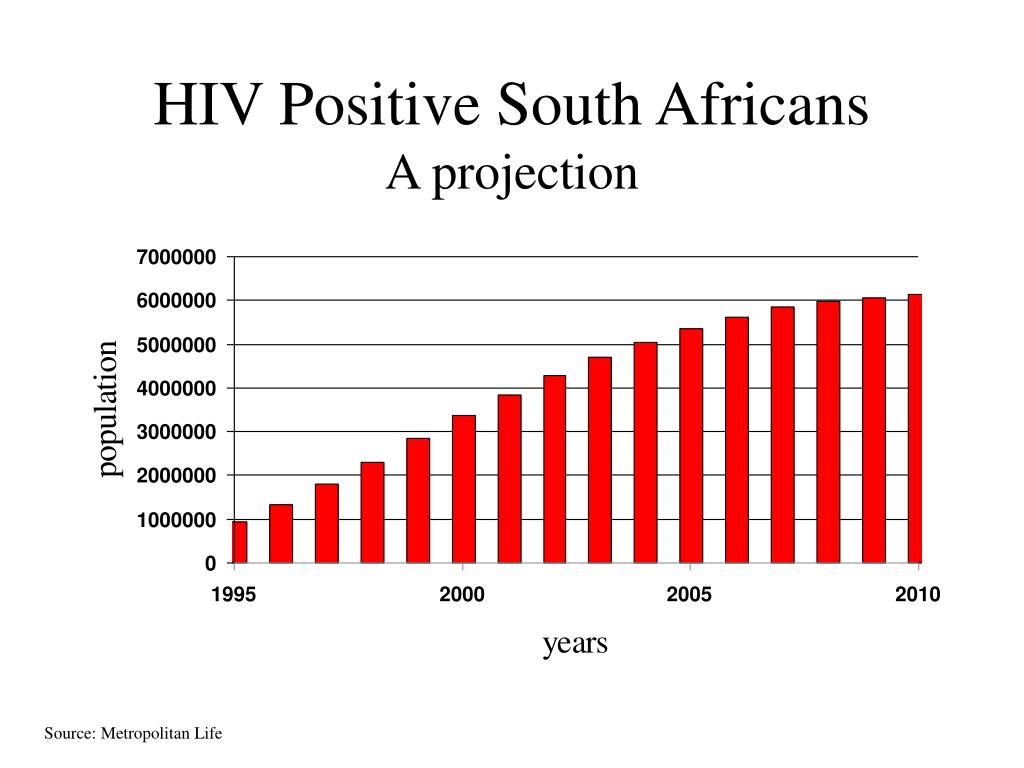
The history of HIV/AIDS in Africa is a narrative of profound tragedy, scientific breakthrough, and socio-economic transformation. While the widespread availability of antiretroviral therapy (ART) has shifted the epidemic from a terminal crisis to a manageable chronic condition, the ongoing impact in 2026 remains defined by structural healthcare challenges, the psychological legacy of the "crisis years," and the persistent need for sustainable international and domestic funding.
The Origins and Early Identification of HIV in Africa
The history of the Human Immunodeficiency Virus (HIV) does not begin with its discovery in the 1980s, but rather decades earlier. Molecular archaeology and genetic sequencing have traced the origins of HIV-1 to the early 20th century, specifically around the 1920s in Kinshasa, in what is now the Democratic Republic of the Congo. The virus crossed the species barrier from chimpanzees to humans, likely through the bushmeat trade.
During the mid-20th century, rapid urbanization and the expansion of transport networks under colonial administrations facilitated the spread of the virus from rural areas to urban centers. For decades, the virus circulated silently. It was not until the late 1970s and early 1980s that clinicians in Africa began noticing a surge in rare opportunistic infections. In Uganda, the condition was colloquially known as "Slim Disease" because of the rapid weight loss and wasting it caused in previously healthy adults.
By the time the global medical community officially recognized Acquired Immunodeficiency Syndrome (AIDS) in 1981, the virus was already deeply entrenched across sub-Saharan Africa. Unlike the early epidemic in the West, which was initially concentrated among men who have sex with men (MSM) and intravenous drug users, the African epidemic was primarily driven by heterosexual transmission, leading to a broader demographic impact that included women and children.
The Decades of Devastation (1990–2005)
The 1990s and early 2000s represent the most harrowing period of the African AIDS history. During this era, HIV became the leading cause of death in sub-Saharan Africa. In countries like Botswana, Zimbabwe, and South Africa, adult prevalence rates soared above 20%, and in some regions, nearly one in three adults was living with the virus.
The Demographic and Economic Collapse
The impact on life expectancy was catastrophic. In several Southern African nations, life expectancy plummeted from the 60s to the late 30s or early 40s within a single decade. This "hollowing out" of the middle generation—the most economically active segment of the population—led to a massive loss of human capital. Teachers, healthcare workers, and farmers died in their prime, leaving behind an estimated 12 to 15 million "AIDS orphans" across the continent.
Economically, the epidemic acted as a reverse-development force. Families were plunged into poverty as breadwinners died and household savings were exhausted on medical care and funeral costs. On a macro level, the loss of labor productivity and the rising costs of healthcare significantly hampered GDP growth across the region.
The Era of Denialism and Activism
The history of AIDS in Africa is also a history of political struggle. In South Africa, the government of Thabo Mbeki infamously questioned the link between HIV and AIDS, delaying the rollout of life-saving ART for years. This delay is estimated to have cost hundreds of thousands of lives.
However, this period also gave rise to powerful grassroots movements, such as the Treatment Action Campaign (TAC). These organizations fought for the right to health, eventually winning legal battles that forced governments and pharmaceutical companies to provide affordable generic medications. Their work laid the groundwork for the human rights-based approach to healthcare that continues to influence African policy in 2026.
The Biomedical Revolution and International Intervention
The trajectory of the epidemic changed fundamentally with the advent of highly active antiretroviral therapy (HAART) and the subsequent push for global health equity. In the early 2000s, the cost of HIV treatment was approximately $10,000 per patient per year—far beyond the reach of African healthcare systems.
PEPFAR and the Global Fund
In 2003, the U.S. government launched the President’s Emergency Plan for AIDS Relief (PEPFAR), the largest commitment by any nation to address a single disease. Alongside the Global Fund to Fight AIDS, Tuberculosis, and Malaria, these initiatives flooded the continent with resources. They funded the procurement of generic drugs, the training of healthcare workers, and the construction of laboratory infrastructure.
By 2010, the "death sentence" association of AIDS began to fade. The widespread implementation of Prevention of Mother-to-Child Transmission (PMTCT) programs significantly reduced the number of babies born with HIV. The concept of "Treatment as Prevention" (TasP) emerged, showing that individuals with an undetectable viral load could not sexually transmit the virus, further shifting the strategy from reactive care to proactive prevention.
The Landscape in 2026: Ongoing Impacts and Challenges
As we navigate 2026, the AIDS epidemic in Africa is no longer the acute emergency it once was, but its "ongoing impact" is felt in every facet of society. The continent has made remarkable progress toward the UNAIDS 95-95-95 targets (95% of people living with HIV knowing their status, 95% of those diagnosed on ART, and 95% of those on ART achieving viral suppression). However, several critical issues remain.
The Challenge of Sustainability
In 2026, a primary concern is the sustainability of the HIV response. For two decades, many African nations relied heavily on international donor funding. As global priorities shift toward climate change and other emerging pandemics, donor fatigue has become a reality. Many African governments are now tasked with "domestic resource mobilization"—finding ways to fund their own HIV programs through national health insurance schemes and tax revenue.
The Aging Population with HIV
Due to the success of ART, there is now a large and growing population of older adults living with HIV in Africa. This presents new clinical challenges. Healthcare systems that were designed to handle acute infectious diseases must now pivot to manage age-related comorbidities, such as cardiovascular disease, diabetes, and certain cancers, which often appear earlier in people living with HIV.
Persistent Stigma and Marginalized Groups
Despite decades of awareness campaigns, HIV-related stigma remains a barrier to care. In 2026, certain populations—including adolescent girls, young women, and key populations like MSM and sex workers—continue to experience high infection rates. Structural inequalities, gender-based violence, and restrictive laws in some jurisdictions prevent these groups from accessing testing and treatment, creating "pockets" of the epidemic that resist general progress.
| Period | Key Focus | Primary Impact |
|---|---|---|
| 1920s–1970s | Viral Introduction | Slow, unrecognized spread through urbanization and transport. |
| 1980s–1990s | Crisis & Recognition | High mortality; "Slim Disease"; discovery of HIV-1 and HIV-2. |
| 2000–2010 | Treatment Access | Rise of PEPFAR/Global Fund; activism for generic drug access. |
| 2010–2020 | Prevention & Control | PMTCT success; Treatment as Prevention (TasP); 90-90-90 goals. |
| 2020–2026 | Integration & Sustainability | Managing aging patients; domestic funding; 95-95-95 targets. |
Socio-Economic Legacies in the Modern Era
The historical impact of the AIDS epidemic continues to influence the social fabric of African nations in 2026. The "Missing Middle" generation—those who died in the 1990s—left a gap in mentorship and leadership that is still being bridged.
Furthermore, the millions of children orphaned during the peak of the crisis are now adults. Research indicates that this cohort faced higher risks of poverty and lower educational attainment, though many have shown incredible resilience. The social safety nets created to support these children, such as community-based organizations and extended family networks, remain vital components of the African social structure today.
Technical Advancements in 2026
The technical response to HIV in Africa has evolved significantly. In 2026, several innovations have become standard:
- Long-Acting Injectables: The transition from daily oral pills to long-acting injectable antiretrovirals (such as Cabotegravir and Rilpivirine) has revolutionized adherence, particularly for those in rural areas or those facing stigma at home.
- Differentiated Service Delivery (DSD): Instead of requiring every patient to visit a hospital, stable patients now receive their medication through community pharmacies, "adherence clubs," or automated medicine dispensers.
- Molecular Surveillance: Real-time tracking of drug resistance allows clinicians to adjust treatment regimens quickly, preventing the spread of resistant HIV strains.
FAQs: Understanding the Ongoing Impact
How has the life expectancy in Africa changed since the peak of the AIDS crisis?
Life expectancy has seen a dramatic recovery. In countries like Botswana and South Africa, where it fell below 50 years in the early 2000s, it has returned to or exceeded pre-epidemic levels, often reaching the mid-60s or higher by 2026. This is almost entirely due to the successful rollout of ART and improved maternal health services.
Is AIDS still a leading cause of death in Africa in 2026?
While it remains a major public health issue, it is no longer the undisputed leading cause of death in many regions. Progress in ART has meant that deaths from AIDS-related illnesses have dropped by over 60% since 2010. However, it still ranks highly in sub-Saharan Africa, particularly among young adults who fall out of the care continuum.
Why are adolescent girls still at such high risk?
In 2026, adolescent girls and young women in sub-Saharan Africa remain disproportionately affected due to a combination of biological vulnerability, gender-based violence, and socio-economic factors. Lack of access to comprehensive sexuality education and economic dependence on older partners contribute to a cycle of infection that is a major focus of current prevention efforts.
What is the role of the "95-95-95" targets?
The 95-95-95 targets set by UNAIDS are a framework for ending the AIDS epidemic as a public health threat. They aim for 95% of people living with HIV to be diagnosed, 95% of those to be on treatment, and 95% of those to be virally suppressed. By 2026, several African nations, including Botswana and Rwanda, have met or exceeded these targets, serving as global models for epidemic control.
What is the current status of an HIV vaccine in Africa?
As of 2026, a highly effective, widely available HIV vaccine remains elusive. While several clinical trials have taken place in Africa (notably in South Africa and East Africa), the focus has shifted toward "functional cures" and multi-purpose prevention technologies (MPTs), such as rings or injections that protect against both HIV and unintended pregnancy.
Practical Recommendations for 2026 and Beyond
For researchers, policymakers, and those interested in the ongoing impact of AIDS in Africa, the focus must remain on the "last mile" of the epidemic. This includes:
- Supporting Localized Production: Encouraging the manufacture of ART and diagnostics within African countries to reduce reliance on global supply chains.
- Integrating HIV with Primary Healthcare: Moving away from "vertical" HIV-only clinics and toward integrated centers that treat the whole person, including mental health and non-communicable diseases.
- Addressing Economic Barriers: Recognizing that medical treatment alone is insufficient if patients cannot afford the transportation to clinics or the food required to take their medication effectively.
The history of AIDS in Africa is a testament to human endurance and the power of global solidarity. As we look forward from 2026, the goal is no longer just survival, but ensuring that those living with HIV can lead long, healthy, and productive lives free from the shadows of the past.